May 9, 2026

Most advice about how to monetize social media assumes you're a solo creator chasing brand deals, affiliate clicks, and ad revenue. That advice breaks down fast for associations, trade groups, member communities, and event-led organizations. Your revenue doesn't usually depend on personality-driven content. It depends on trust, recurring value, sponsor relevance, and a buying journey that often ends somewhere other than the social platform itself.
That difference matters. A professional association isn't trying to squeeze a payout from views alone. It's trying to turn attention into memberships, registrations, sponsor opportunities, premium content sales, and longer-term relationships. Social channels still matter, but they work best as the front door, not the whole business.
Creator advice tends to over-focus on sponsored posts because that's where many public-facing creators earn. In fact, sponsored posts account for 45% of creators' revenue, yet that model doesn't map neatly onto associations or B2B communities. At the same time, 70% of organizations report low ROI from disparate tools, while integrated solutions boost retention 25% via analytics and custom apps, according to research on social media revenue models and community monetization.
That gap is where the true opportunity sits.
Professional organizations already have monetizable assets that creators don't. They have member directories, educational content, conference programming, local chapters, certification paths, sponsor inventory, and subject-matter authority. What they often lack is a clean system for converting social engagement into paid participation.
Public social content gets attention. Private community infrastructure captures value.
The mistake is treating social media as the entire monetization engine. For most organizations, it's better used to spark interest, qualify buyers, and move people toward a controlled environment where you can sell access, tickets, resources, and sponsorship packages without stitching together five disconnected tools.
That also changes how you think about campaign design. Instead of asking, "How do we get more followers?" ask, "What offer can this audience reasonably buy next?" Sometimes that's a webinar pass. Sometimes it's annual membership. Sometimes it's a sponsor-backed industry briefing. Even tactics borrowed from creator playbooks, like leveraging social platforms for crowdfunding success, are more useful when adapted for organizational launches, scholarship funds, special initiatives, or community-backed event programming.
Organizations don't need more generic creator tactics. They need a revenue system built around membership logic, event economics, and B2B trust.
A large following looks impressive in a board deck. It doesn't automatically generate revenue.
What usually converts in professional communities is depth of trust, not raw reach. Research shows that a creator with 10,000 highly engaged followers in a specific niche often out-earns someone with 100,000 passive followers, and that conversion strength is tied to signals like comments, shares, and direct messages rather than vanity metrics alone, as noted in this guide to engagement-led monetization mistakes.

For organizations, that changes what "healthy audience growth" means. A LinkedIn page with modest reach but active discussion among practitioners can outperform a much larger account that attracts broad, shallow attention. The same goes for a private Facebook group where members consistently ask questions, refer peers, and engage with event announcements.
If you're trying to monetize social media, track behaviors that suggest buying intent or relationship strength:
A team that wants a sharper measurement system should review social media engagement metrics that reflect real business impact, especially if current reporting still centers on likes and impressions.
An association executive once told me their team had been celebrating follower growth for months while event registrations stayed flat. The problem wasn't awareness. The problem was that none of their content made the next step obvious. They were publishing updates, not building intent.
Practical rule: If a social post performs well but doesn't move anyone toward a clear next action, it may be good content and weak monetization.
That doesn't mean every post should sell. It means every channel needs a role. Some posts build authority. Some start conversations. Some gather objections. A smaller share should convert demand into revenue.
Use this quick screen before launching any new offer:
If those four elements aren't in place, more posting won't fix the problem. Better offer design will.
Organizations don't need one way to monetize social media. They need the right mix. The strongest model usually combines recurring revenue with periodic campaigns and sponsor inventory.

A professional body might use LinkedIn to drive webinar registrations, Instagram to promote annual conference moments, Facebook to nurture community discussions, and email to close membership renewals. The revenue model matters more than the channel choice.
Memberships and subscriptions
This is often the core revenue stream for associations and private networks. Social content should preview expertise, community access, and practical outcomes without giving away the whole experience. Public posts create desire. The paid layer delivers structured value through directories, private channels, events, and resource access.
Paid digital content
Reports, templates, mini-courses, benchmark guides, on-demand sessions, and certification prep materials can work well when the audience already sees you as a trusted source. This model suits organizations with strong educational content and niche expertise. If you're exploring packaging options, this overview of content monetization strategies for digital communities is a useful next read.
Virtual and hybrid events
Social is excellent for event monetization because it can handle awareness, urgency, speaker promotion, and peer validation. Clips, behind-the-scenes planning, topic polls, and attendee testimonials all help reduce hesitation. Event revenue is especially strong when registration pages are simple and follow-up happens quickly.
Sponsorships and corporate partnerships
B2B communities have an edge over creator businesses in this regard. Sponsors don't just want visibility. They want qualified access, context, and trust. A sponsor package tied to a webinar series, research briefing, member lounge, or networking event is often more valuable than generic logo placement.
Social commerce and direct sales
Social commerce isn't only for consumer brands. Branded toolkits, books, merchandise, paid access passes, and practical resources can all be sold through social pathways. According to Sprout Social's social commerce statistics, social commerce revenue is projected to reach $1 trillion globally by 2028, and 80% of consumers report that a social media post has inspired a purchase. That matters because it lowers resistance to buying directly from discovery-oriented social content.
Community-based advertising
Some organizations can monetize newsletter inventory, job boards, directory placement, podcast mentions, resource hubs, or sponsored community announcements. This works best when the audience is well-defined and professionally valuable, not merely large.
| Revenue Model | Best For... | Effort Level | Potential ROI |
|---|---|---|---|
| Memberships & Subscriptions | Associations, private communities, credentialed networks | Medium to high | High when retention is strong |
| Paid Digital Content | Training groups, educators, research-led organizations | Medium | High if authority is established |
| Virtual & Hybrid Events | Conferences, chapters, professional communities | Medium to high | High for strong topics and timely promotion |
| Sponsorships & Corporate Partnerships | B2B groups with targeted audiences | High | High when sponsor fit is tight |
| Social Commerce | Merchandise, toolkits, books, resource sales | Low to medium | Moderate to high depending on offer clarity |
| Community-Based Advertising | Publishers, associations, niche professional networks | Medium | Moderate, stronger with premium audience access |
Some combinations are stronger than others:
The best monetization model isn't the one with the most buzz. It's the one your team can deliver consistently without confusing the buyer.
Most organizations don't have a traffic problem. They have a transition problem. People see the post, maybe even engage, then disappear because the next step is unclear or inconvenient.

A social media sales funnel for an organization should feel simple. It starts with a specific audience problem, introduces a relevant offer, removes friction, and follows up before interest cools.
Here's the practical version:
Awareness post
Publish a social post around a concrete professional pain point. On LinkedIn, that might be a short insight from a board member or a clip from a speaker. On Facebook, it might be a discussion prompt in a niche group.
Engagement layer
Ask for a response that helps qualify interest. Polls, comments, and direct-message prompts work well because they tell you who is actively considering the topic.
Bridge offer
Move people to something smaller before the full sale if needed. That could be a free session preview, a speaker Q&A, a sample chapter, or an agenda download.
Conversion page
Send people to a dedicated page for registration or purchase. Keep it focused. One offer, one CTA, minimal distractions.
Follow-up sequence
If someone clicks but doesn't buy, follow up with reminders, FAQs, deadlines, or social proof from peers.
A practical team can speed this process up with sales funnel templates built for community offers, especially when mapping different paths for members, non-members, sponsors, and past attendees.
The content should change as the buyer moves closer to purchase.
The most common breakdown happens in the middle. Teams post plenty of awareness content and then jump straight to "register now." They skip the proof that helps a busy professional justify the purchase.
This short breakdown is a useful visual reference for teams refining funnel stages and content handoffs:
If your buyer has to switch between multiple forms, unclear landing pages, and separate payment systems, you lose momentum. Keep the path tight:
A social post should start a transaction path, not send people into a maze.
Monetization gets messy when every revenue stream lives in a different system. Social posts live in one place. Event registration lives somewhere else. Payments are processed in another tool. Member data sits in a spreadsheet. Sponsor tracking happens in email threads. That setup creates friction for buyers and blind spots for your team.
The result is predictable. People drop off, staff members patch workflows manually, and leadership can't see which campaigns produce revenue.

Social platforms are good at discovery and engagement. They aren't designed to manage nuanced membership logic, sponsor fulfillment, custom registration flows, gated resource libraries, or private networking experiences.
That creates several practical problems:
A serious monetization setup should connect social attention to owned customer records and repeatable offers. At minimum, look for systems that can support:
If education is part of your model, it's worth reviewing platforms for selling online courses inside a broader community experience, because course delivery by itself rarely solves the larger monetization challenge for associations.
The most durable approach is simple. Use social media to attract and activate people. Use your owned platform to close sales, deliver value, and retain the relationship.
When your community, events, content, and payments live together, your monetization stops feeling like a campaign and starts functioning like a system.
That doesn't mean every organization needs a giant enterprise stack. It means the buyer should experience one brand, one account relationship, and one logical journey from interest to payment to participation. If that journey feels fragmented, revenue growth usually stalls long before audience interest does.
Pricing stalls teams because they treat it as a math problem only. It isn't. It's a value clarity problem.
If people don't understand what they're getting, even a reasonable price will feel high. If the offer is concrete, timely, and tied to a professional outcome, buyers tolerate more than many teams expect.
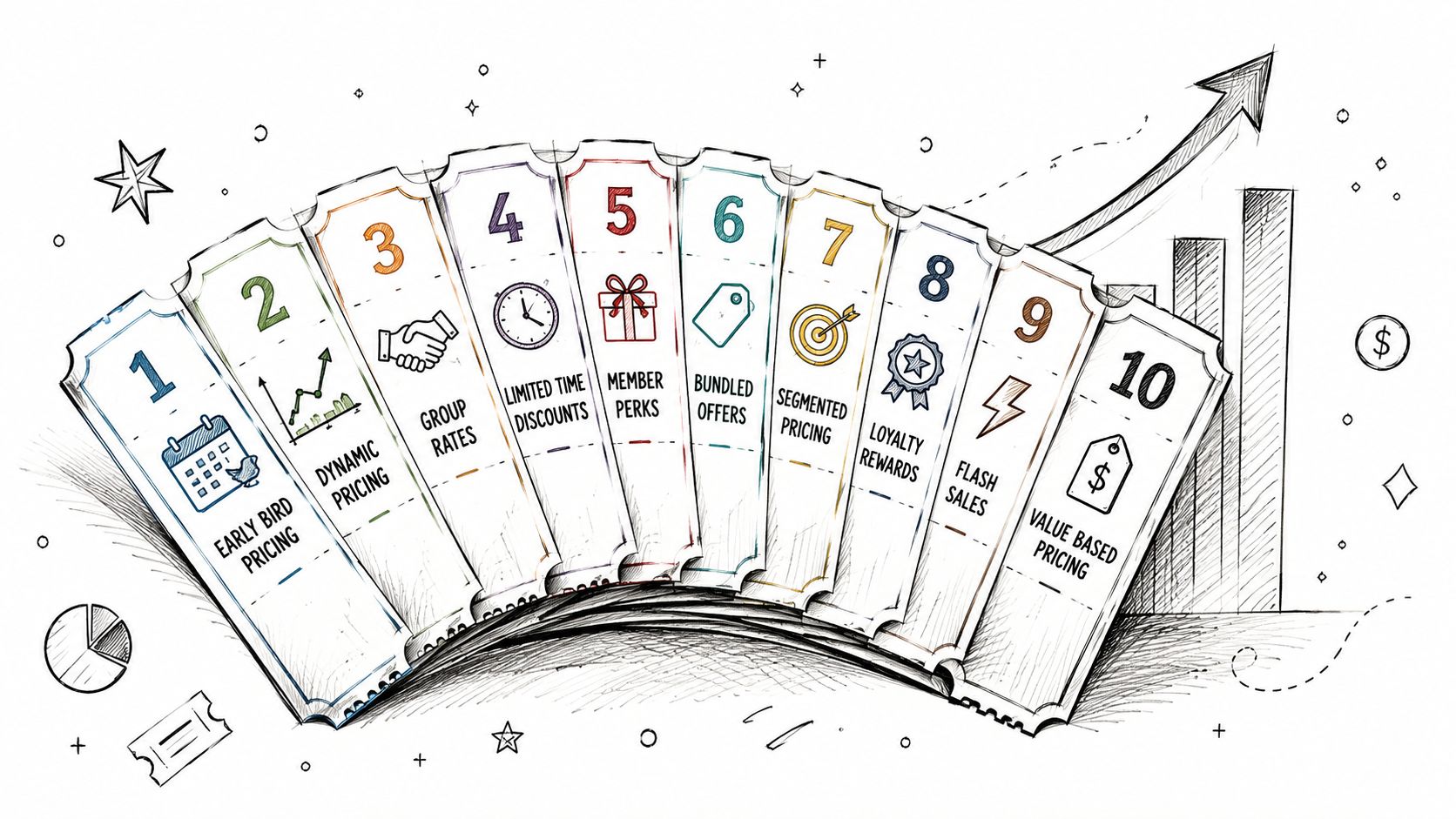
For organizations, a few pricing approaches tend to work better than flat one-size-fits-all offers:
Buyers compare your price to alternatives, but they also compare it to confusion. A clean offer page with a clear benefit stack often does more work than discounting.
This isn't legal advice, but most organizations should check a few basics before taking payment through social-driven campaigns:
Sponsored content disclosures
If partners or sponsors are part of the promotion, disclose that relationship clearly in social posts and landing pages where appropriate.
Terms for paid access
If members are paying for a private space, event access, or premium resources, make refund policies, usage terms, and cancellation conditions easy to find.
Privacy and data handling
Registration forms, lead capture, and sponsor handoffs should match your privacy policy and consent practices.
Platform consistency
Your pricing, deadlines, and entitlements should match everywhere they appear. Inconsistency creates support issues fast.
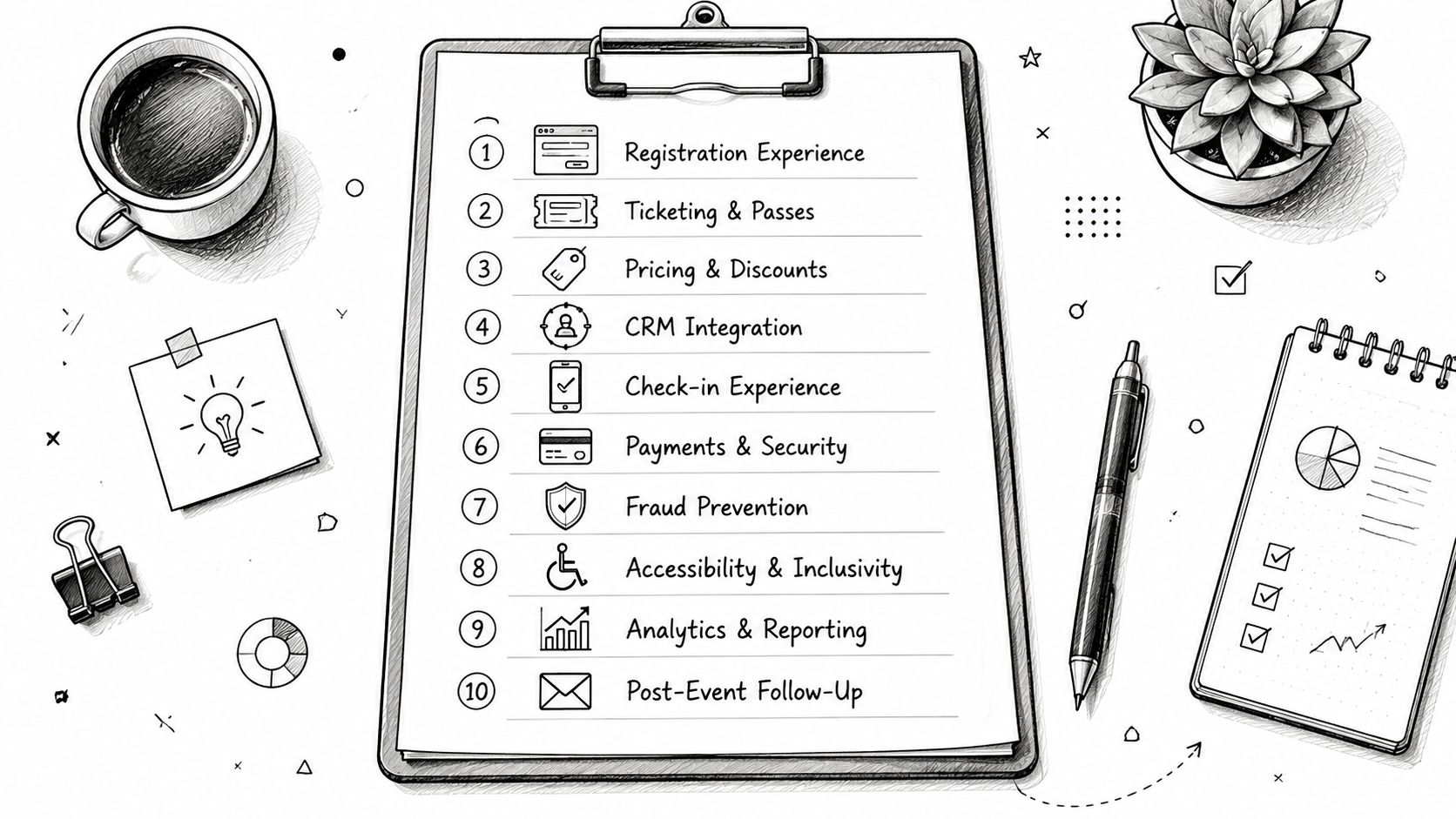
A launch usually fails in the handoff details, not the idea. Before going live, run through this checklist:
For organizations using link-in-bio hubs across channels, this roundup of free Linktree alternatives for organizing offers and campaigns can help you present multiple paths without overwhelming visitors.
Strong launches feel calm behind the scenes because the team rehearsed the buyer journey before opening the doors.
If you're trying to monetize social media, revenue reporting can't stop at reach, likes, or follower growth. Those metrics describe attention. They don't prove business performance.
The better approach is to assign business metrics to each offer type. Membership campaigns should be judged by joins, renewals, and upgrade behavior. Event campaigns should be judged by registration conversion, attendance quality, and post-event sales. Sponsor programs should be judged by lead quality and partner retention.
Track metrics that connect action to revenue:
This matters even more in partnership-led campaigns. According to Sprinklr's social media marketing statistics, influencer marketing delivers an average ROI of $5.78 per $1 spent. For organizations, that number is only useful if you can track direct conversions instead of stopping at engagement.
Review campaigns with questions like these:
Teams that answer those questions consistently stop treating monetization as a content experiment. They start managing it like a revenue operation.
You don't need a massive audience. You need a defined audience that trusts you and sees a clear next step. In practice, a smaller niche community with active discussion often monetizes better than a larger, passive following.
Using too many disconnected tools. The audience experiences that as friction, even if your team experiences it as flexibility. If the path from social post to payment to participation feels disjointed, conversion suffers.
Keep enough free content public to prove expertise and build demand. Put structure, depth, access, and outcomes behind the paywall. Free content should create confidence. Paid content should create progress.
The best platform is usually the one your actual members already use for professional conversation. For many organizations that's LinkedIn, Facebook groups, or a mix of channels. What matters most is whether the platform supports the kind of discussion that leads naturally to an offer.
Sometimes, yes. But in B2B settings, the better fit is often a respected practitioner, speaker, board member, or industry partner rather than a traditional influencer. If you want benchmarks and practical reading on this topic, these Actionable B2B conversion insights can help you pressure-test assumptions before building campaigns.
Start with the offer that's easiest for your audience to understand and easiest for your team to fulfill. For many organizations, that's a paid event, a premium report, or a membership tier with one highly visible benefit.
If your organization is ready to turn social attention into memberships, event revenue, sponsor value, and paid content sales, GroupOS gives you one place to run the whole system. You can manage community access, registrations, content delivery, sponsor visibility, and member engagement in a branded environment built for professional networks.