May 1, 2026
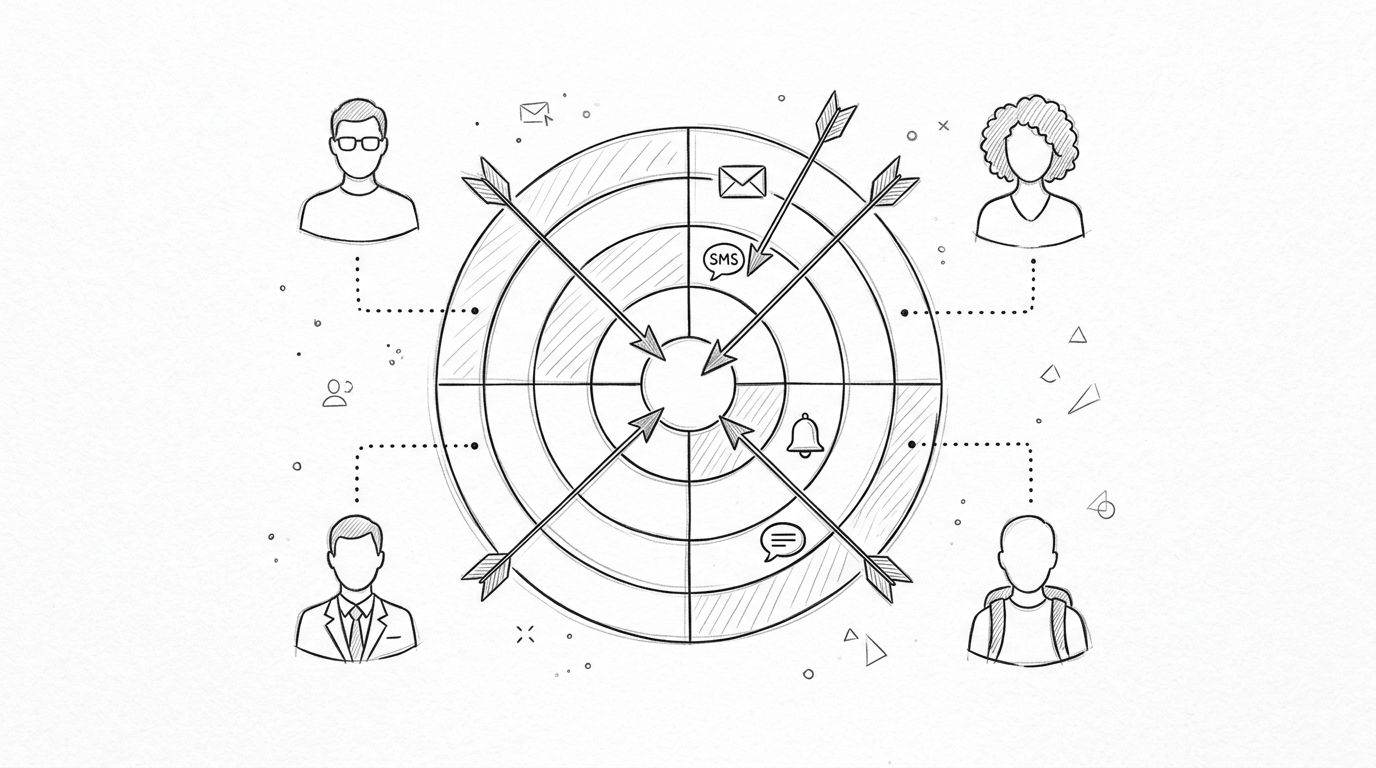
The warning signs usually show up after a busy stretch. Your team delivered the webinar series, filled the sponsor package, posted event reminders, and kept the member calendar active. On paper, everything looks healthy. In practice, the community feels flat.
Members sign in for a single event and vanish. Sponsors stop asking about placement and start asking what changed because of their investment. Staff spend more time pushing attendance than building repeat participation. In association communities, that pattern rarely comes from the platform alone. It comes from running the community like a task list instead of a development system.
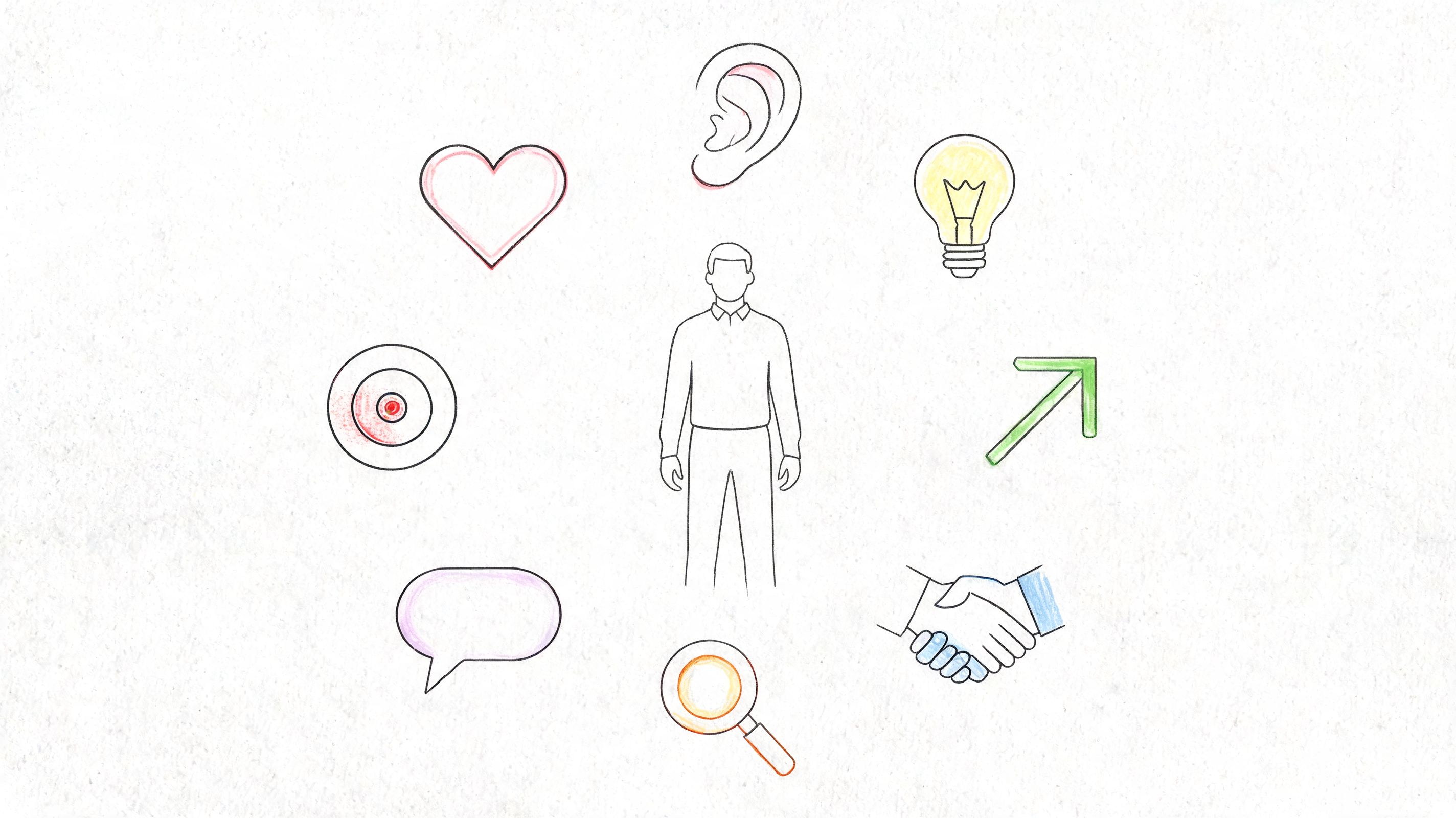
Shifting from manager to coach changes how the work gets done. Managers focus on completion. Coaches focus on progress, confidence, accountability, and stronger ties between people. For professional association and event teams, that affects member onboarding, volunteer leadership, committee participation, speaker preparation, sponsor relationships, and post-event follow-up.
A coaching approach also creates better operating habits inside the team. Clear expectations, better listening, and tighter follow-through improve member-facing work because staff stop reacting to every signal as if it needs the same response. Teams that want a stronger foundation should tighten their internal habits first, especially around team communication across programs, events, and member support.
Community growth comes from repeated interactions that feel useful. That is the practical difference. A manager may send another reminder to join the discussion. A coach notices who attended, who stayed quiet, who asked a smart question in chat, and who might need a direct introduction inside GroupOS to come back and contribute. One approach tracks activity. The other builds participation.
The strongest associations treat their community as a place where members learn, contribute, and build credibility with peers. That shows up in small decisions every day. How staff respond to low engagement. How chapter leaders are guided. How sponsors are coached toward the right audience and format. How members are introduced to one another after an event instead of being left with a recording and a thank-you email.
If you want better retention and more useful engagement, stop acting like a broadcaster. Start coaching the people already inside the room. That shift creates the kind of practical apps for business value only when members, volunteers, speakers, and sponsors use the platform to build real relationships, not just complete transactions.
A member posts after your annual conference that they "didn't really meet anyone." Your team can reply with the event recap, the networking schedule, and the list of follow-up sessions. None of that answers the underlying issue. They are telling you they felt alone in a room that was supposed to create connection.
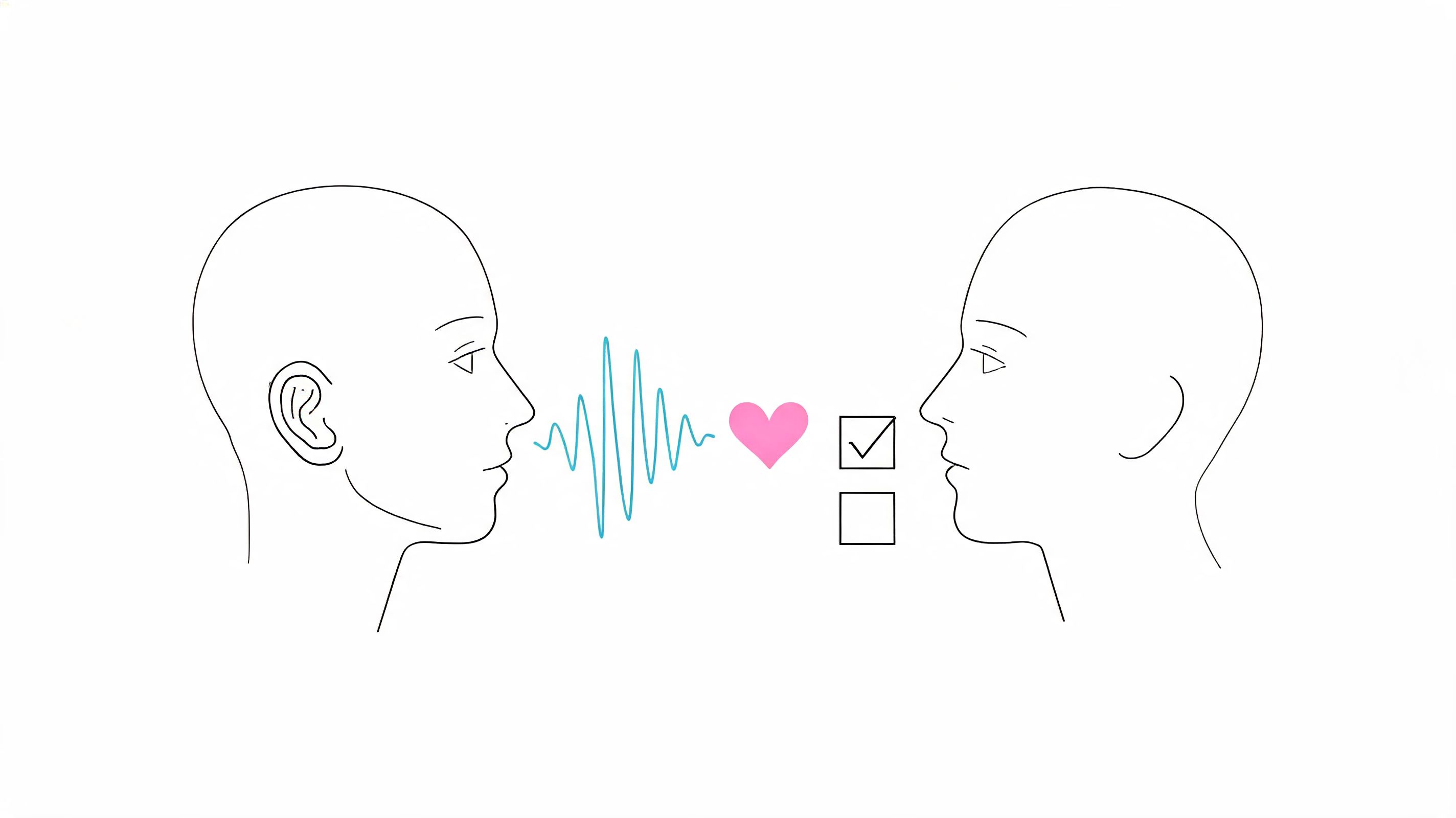
Active listening is one of the clearest coaching skills because it helps association teams respond to the actual barrier, not the surface comment. In GroupOS, that usually means combining what you see in activity data with direct conversation. Use one-to-one messages, private channels, and event follow-up notes to learn why someone stalled, stayed quiet, or left without building a relationship.
That distinction matters in professional associations because members, speakers, volunteers, and sponsors often describe the same problem in different language. A chapter leader may say participation is low when the actual issue is unclear expectations. A sponsor may say lead quality was poor when they never had the right introductions. An early-career member may say the community feels intimidating when they do not know where they can contribute without looking inexperienced.
A common pattern shows up after webinars. New members attend, stay to the end, and never post afterward. Sending more reminders rarely fixes that. A better move is to contact a small group, ask what held them back, and compare the answers. In practice, the issue is often simple. They are unsure which discussion space fits, whether their comment adds value, or whether anyone from the association will reply.
Empathetic communication turns those conversations into usable insight. The National Library of Medicine has published research showing empathy in coaching and helping relationships is associated with stronger outcomes and satisfaction in health and learning contexts (overview of empathy and coaching-related outcomes). The lesson for community teams is practical. People share more when they feel heard, respected, and safe from a canned response.
Practical rule: Listen for the obstacle behind the complaint. Low participation often points to uncertainty, weak onboarding, or poor introductions.
If moderators or member success staff handle these conversations, give them a repeatable method. Summarize what the member said in plain language. Ask one clarifying question. Offer the next useful step only after the person confirms you understood the issue. Teams that need stronger habits here should sharpen team communication skills in community management and document response patterns in professional development plan templates for staff coaching and training.
A simple pattern works well inside GroupOS:
I have seen this make the difference between a quiet platform and a useful one. Teams often assume listening slows them down. In reality, it prevents wasted programming, avoids generic follow-up, and gives staff better signals about where community design is failing.
Later in the process, video can help your team calibrate tone and body language.
A board approves a new member growth plan. Staff launches webinars, discussion prompts, sponsor spotlights, and a mentoring push. Three months later, the activity report looks full, but nobody can say which actions effectively moved retention, renewals, or event conversion.
That gap is usually a coaching problem, not a workload problem.
Good coaches give people a target they can act on. For association and event teams, that means turning broad priorities into a few concrete outcomes tied to member behavior. A chapter leader should know whether the goal is to raise event repeat attendance, increase volunteer participation, improve sponsor follow-up, or get a new credential cohort through its first 30 days without drop-off. Clarity changes how people spend their time.
Inside GroupOS, strategic direction becomes visible quickly. Start with the baseline in your engagement and attendance data. Then define one change you want from each audience over the next quarter. Members may need stronger discussion participation. Sponsors may need better profile completion and more direct outreach. Staff may need faster follow-up after conferences so new contacts do not go cold.
The trade-off is real. More goals can make a plan feel ambitious, but they usually spread attention too thin. I have seen association teams lose a quarter because every committee wanted its own priority. A good coaching approach forces choices. If the community needs stronger peer connection, set milestones around group joins, post-event introductions, and member-led discussions. Do not bury that goal under six unrelated campaigns.
A practical structure works well:
Public progress tracking can help, but it needs restraint. Shared scorecards work when they clarify priorities and show movement. They backfire when they create pressure without support, especially for volunteers, chapter leaders, or sponsors still learning the system.
Clear direction reduces wasted effort. It also gives every coaching conversation a point. People know what matters this month, what progress looks like, and where to adjust before a weak quarter becomes a weak year.
A conference wraps. One speaker says their session went well because the room was full. The survey comments say attendees wanted more discussion and clearer takeaways. A sponsor reports weak lead quality, but their team never updated their profile, never posted in the event community, and answered messages two days late. These are not performance problems you solve with a generic “do better” note.
Good coaching gets specific fast.
For association and event teams, feedback has to improve real outcomes. Session quality. Sponsor renewal likelihood. Volunteer follow-through. Member participation after an event. If feedback stays vague, people repeat the same patterns. If it gets delivered in public or without context, people protect themselves instead of adjusting.
The goal is not constant correction. The goal is to make review and adjustment part of how the community runs.
GroupOS gives association teams a practical base for these conversations. You can review attendance trends, post-event survey themes, sponsor profile activity, discussion participation, direct outreach history, and content engagement in one place. That helps you coach from observed behavior instead of personal opinion.
The trade-off is real. Too little data turns feedback into guesswork. Too much data turns it into a report nobody uses.
A speaker does not need twelve charts. They need to know that attendees stayed for the session, but few asked questions and few joined the follow-up discussion. A chapter leader does not need a lecture on community health. They need to know that their monthly thread went up late three times, responses dropped, and members stopped expecting it.
Use a simple structure:
That last step matters more than many managers expect. Feedback without a follow-up date becomes a suggestion.
Public recognition works well in communities. Staff, speakers, sponsors, exhibitors, and volunteers all respond to being seen for a job done well. It sets a standard without creating tension.
Corrective feedback needs a smaller room.
If an exhibitor ignored attendee messages, handle it in a private conversation. If a committee chair keeps missing deadlines, address it directly instead of hinting in a shared channel. If a speaker needs to cut promotional content from their session, tell them before the next event, not after attendee trust drops.
This is one of the most common mistakes I see in event communities. Managers try to protect efficiency by correcting behavior in public threads. What they usually get is silence, defensiveness, or surface-level compliance.
Accountability is follow-through tied to a commitment.
If a volunteer leader agrees to host a monthly discussion, check whether it happened, whether members responded, and what support they needed. If the membership team commits to a 48-hour follow-up process for new joins, review whether the workflow changed in practice or only on paper. If a sponsor wants more exposure, confirm that they completed the actions that make exposure possible.
That standard has to apply across roles, but the support cannot look identical. Staff can usually handle firmer deadlines. Volunteers may need more reminders and narrower asks. Sponsors need clarity on what your team owns versus what their team must execute. Good coaching keeps the bar consistent while adjusting the support around it.
GroupOS helps because the record is easier to see. Conversations, activity, event engagement, and follow-up history are not scattered across five tools. That makes it easier to revisit commitments, spot stalled progress, and coach the next step with context instead of memory.
One-size-fits-all community management usually looks efficient right up until members ignore it.
Professional associations serve people at different career stages, from different industries, with different reasons for joining. Sponsors want visibility, leads, and relationships. Exhibitors want traffic and meaningful conversations. Speakers want reach and credibility. New members want orientation. Veteran members want access and relevance. If you coach all of them the same way, your support becomes generic fast.
Adaptability is one of the less glamorous good coaching characteristics, but it’s one of the most valuable. It means adjusting your coaching style, cadence, and resources to match the person in front of you while keeping standards consistent.
GroupOS gives you room to do this well. Member profiles, custom forms, global tagging, private channels, and content delivery tools make it easier to shape different experiences without building separate communities from scratch.
A practical example. A first-year member in a regulatory profession may need orientation resources, a private peer group, and structured prompts to participate. A long-time member may care more about committee leadership, high-value roundtables, and introductions to sponsors or policy experts. Sending both people the same onboarding and event prompts wastes everyone’s attention.
Personalization also matters in events. A sponsor focused on brand visibility needs a different activation plan than one focused on direct conversations. An exhibitor launching a product may use their profile page and content feeds differently than an exhibitor trying to build long-term partnerships.
Many teams over-personalize content and under-personalize support. They segment emails but still respond to every human problem with the same canned answer.
A better pattern is:
You don’t need a perfect taxonomy to do this. You need enough clarity to stop treating unlike members as if they’re the same.
Members read personalization as respect. They read generic outreach as automation.
Adaptability also helps with the vulnerability-authority tension that many coaching frameworks barely address. In professional communities, leaders need to be approachable without sounding unsure of themselves. That usually means sharing context and limits selectively, then pairing openness with a clear recommendation. Too much polished certainty creates distance. Too much self-disclosure weakens confidence.
A member posts a tough question after your annual conference. Within ten minutes, three peers have shared examples, one volunteer moderator has tagged the right resource, and staff never had to step in. That is what good facilitation looks like in an association community. It turns your platform from a help desk into a working professional network.
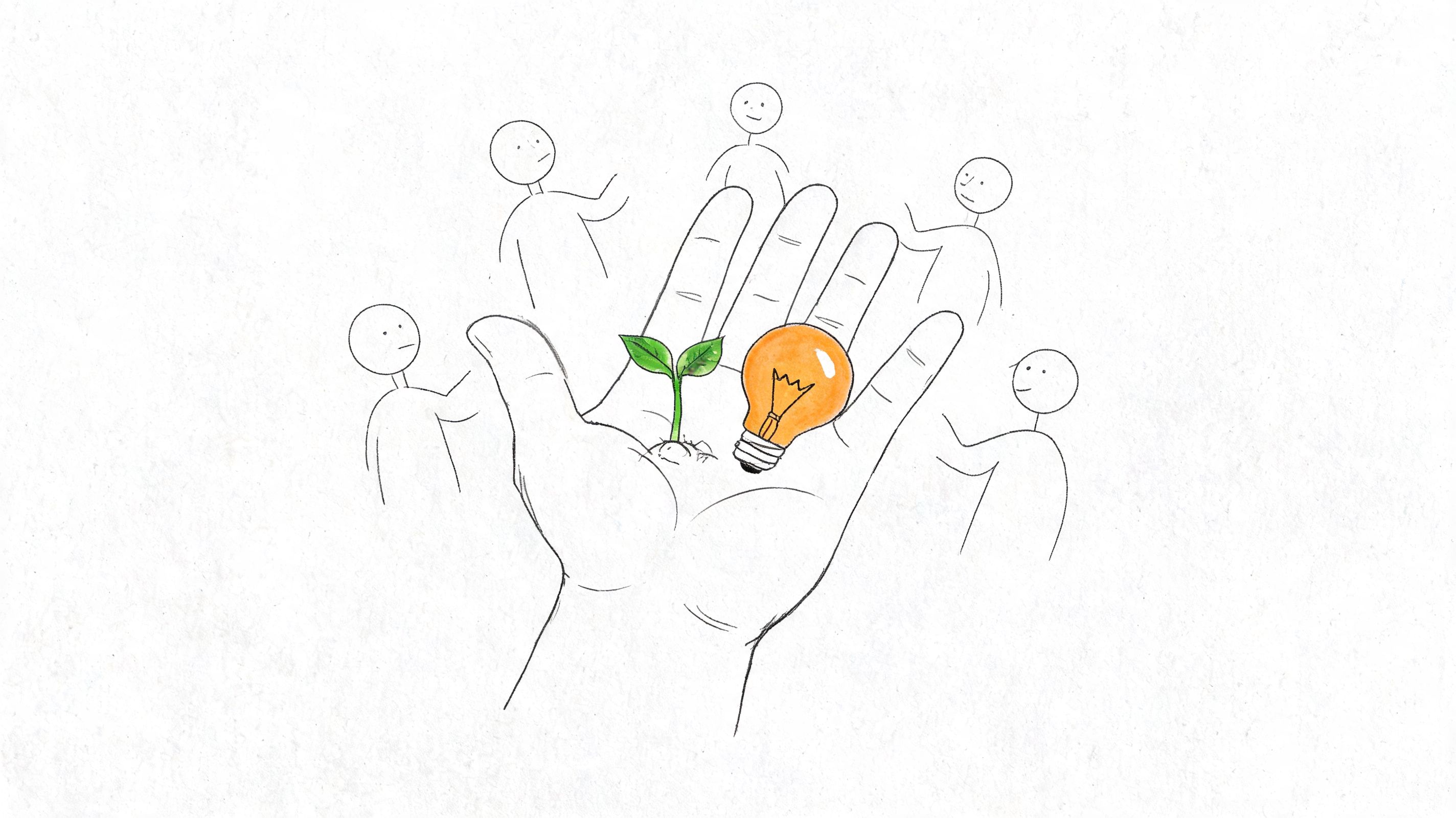
If every useful answer has to come from staff, growth creates drag. Questions pile up, members wait too long, and your team becomes the bottleneck. Strong coach-leaders set up conditions where members can solve problems together with enough structure to keep quality high.
In GroupOS, that usually starts with role-based spaces. Early-career members need different conversations than chapter leaders, exhibitors, board members, or first-time attendees. A private group for chapter officers can become a place to swap agenda templates, sponsorship ideas, and volunteer fixes. A first-timer group before a conference can reduce anxiety, surface common questions, and help new attendees arrive ready to participate.
Association teams often say they want member-led interaction, then answer too quickly and flatten the discussion. I have seen this happen in event communities especially. Staff posts a prompt, a member asks a practical follow-up, and the team jumps in with the official answer before peers can share what has worked in their chapters, companies, or committees.
Good facilitation takes restraint.
Ask better questions. Clarify the problem. Add context if the group is stuck. Then leave room for members to do the useful part, which is comparing approaches, not just receiving instructions.
A few practices work reliably:
The trade-off is control. The more voice members have, the less polished every thread will look. That is usually a fair trade if the exchange is useful, respectful, and relevant. Association communities do not need perfect messaging in every discussion. They need trust, speed, and practical value.
Open participation works best when expectations are visible. Professionals are careful about reputation, and for good reason. If discussion standards are vague, many members will stay quiet rather than risk saying the wrong thing in front of peers, sponsors, or industry leaders.
Set the rules early inside the platform. Define what belongs in each group, how promotional posts are handled, when staff intervenes, and what good peer support looks like. Give moderators permission to redirect weak posts, close off-topic threads, and pull in staff for compliance, legal, or conflict issues.
That structure helps members contribute with confidence. It also protects your team from the common failure mode of calling a space "member-led" while still controlling every meaningful exchange behind the scenes.
Done well, facilitation changes the questions members ask. They stop waiting for staff to have every answer and start using the community to help each other solve real professional problems.
The test usually shows up on a bad day.
A sponsor is upset about lead quality after your annual conference. A volunteer leader thinks staff sidelined their chapter. Members start piling onto a thread about pricing, certification changes, or speaker selection. In those moments, emotional intelligence is not a personality trait. It is part of operations.
Association and event leaders work in public. Reactions spread fast across committees, exhibitor relationships, member groups, and event channels. If your tone tightens under pressure, people notice. If you avoid a hard conversation because you want to keep the peace, people notice that too.
Self-awareness comes first because unmanaged stress changes judgment. Frustration about registration numbers can turn into pushy promotion. Defensiveness about sponsor feedback can make a simple review call feel tense. Anxiety about member criticism can lead to overcorrection and inconsistent policy decisions.
Good coaching in a professional community means noticing your own state early and adjusting before you reply, post, or step into a meeting. That sounds simple. It is not. A key trade-off is speed versus control. Fast responses can calm people quickly, but they can also carry irritation, fear, or ego into the room. A short pause often protects both the relationship and the decision.
That matters even more in associations, where leaders have to balance authority with approachability.
If you lean too hard on control, members comply in the short term and stop contributing candidly. If you chase approval, standards drift, moderators hesitate, and the community gets harder to manage.
In GroupOS, this shows up in small choices that prevent larger problems. Send a direct message before correcting a respected member in public. Use private spaces for sensitive board, sponsor, or chapter feedback. If two member segments keep talking past each other, set up a moderated discussion with a clear prompt instead of letting frustration spread across unrelated threads.
It also means naming friction without dramatizing it. If an event rollout was confusing, say what changed, who it affects, and what members should do next. If a sponsor expected more visibility, review the actual touchpoints inside the platform and reset expectations with specifics. Calm communication lowers the social risk of participating, which matters in professional communities where reputation is always in the background.
One practical move is to create smaller learning environments for members who need support before they are ready to speak up in the main community. Cohort-based member learning programs can help here because they give people a structured place to ask questions, reflect, and build confidence with peers at a similar stage.
Association leaders hear a lot of advice about being vulnerable. The harder question is how much to show in a professional community without making members carry your stress.
A useful standard is simple. Be honest about constraints, mistakes, and what your team is fixing. Do not turn member communication into your processing space. Members want a leader who is human, steady, and fair. They do not need every internal frustration narrated in real time.
That balance takes practice. It is also one of the clearest signs that someone can coach a community instead of just managing one.
A member leaves your annual conference with five pages of notes, three new ideas, and no clear next step. That is not a knowledge problem. It is a transfer problem.
Association and event leaders deal with this all the time. Members are surrounded by information, but they still need help turning expert input into decisions they can make on Monday morning. Good coaching shows up in that gap. It means explaining what matters, organizing it by relevance, and giving people a practical way to apply it inside their role, chapter, or event workflow.
Subject-matter expertise matters, but delivery decides whether members get value from it. A dense resource library can impress a board committee and still fail the member who needs one answer before a sponsor call or chapter meeting.
GroupOS works best here when content is tied to a job to be done. A new board member may need a short onboarding path with governance basics, meeting expectations, and past decisions. An exhibitor may need a sponsor activation checklist, examples of strong member-facing posts, and guidance on where promotional content crosses the line. A first-time conference speaker may need deadlines, AV requirements, and a model session outline in one place.
That structure also improves discovery. Members can find the right peer group and learning context for their role instead of sorting through a general content archive that serves everyone poorly.
The strongest coach-leaders do not flood the platform with everything they know. They break complex topics into pieces members can absorb and use.
In practice, that usually means:
Community teams often face a trade-off. A fully built learning path takes more staff time up front than posting a webinar replay and calling it done. But it reduces repeat questions, improves consistency across chapters or cohorts, and gives members a clearer path to progress.
You do not need to be the smartest person in every discussion. You do need editorial judgment.
That means spotting the questions that keep coming up, choosing the best available answers, and packaging them in formats people will use. In many associations, the win is not creating more content. It is reducing clutter. One clean resource hub for certification prep, one sponsor onboarding track, or one speaker prep sequence often outperforms a large knowledge base with weak labeling and no path through it.
Structured learning also has a place when the topic requires accountability and peer discussion. Cohort-based course models work well for board training, leadership development, chapter officer onboarding, and other cases where members need guided progression rather than a stack of downloads.
Expertise becomes community value when members can apply it without guessing what to do next.
A first-time attendee leaves your annual conference with a full notebook, a tote bag, and no one to follow up with next week. That is a networking failure, not an attendance win.
Association and event managers see this problem all the time. Members join for education, credentials, or access. They stay when the community becomes part of how they solve problems, hire partners, find mentors, and test ideas between events. Good coaching shows up here as deliberate relationship design. It means connecting the right people at the right moment, then giving them a reason to continue the conversation.
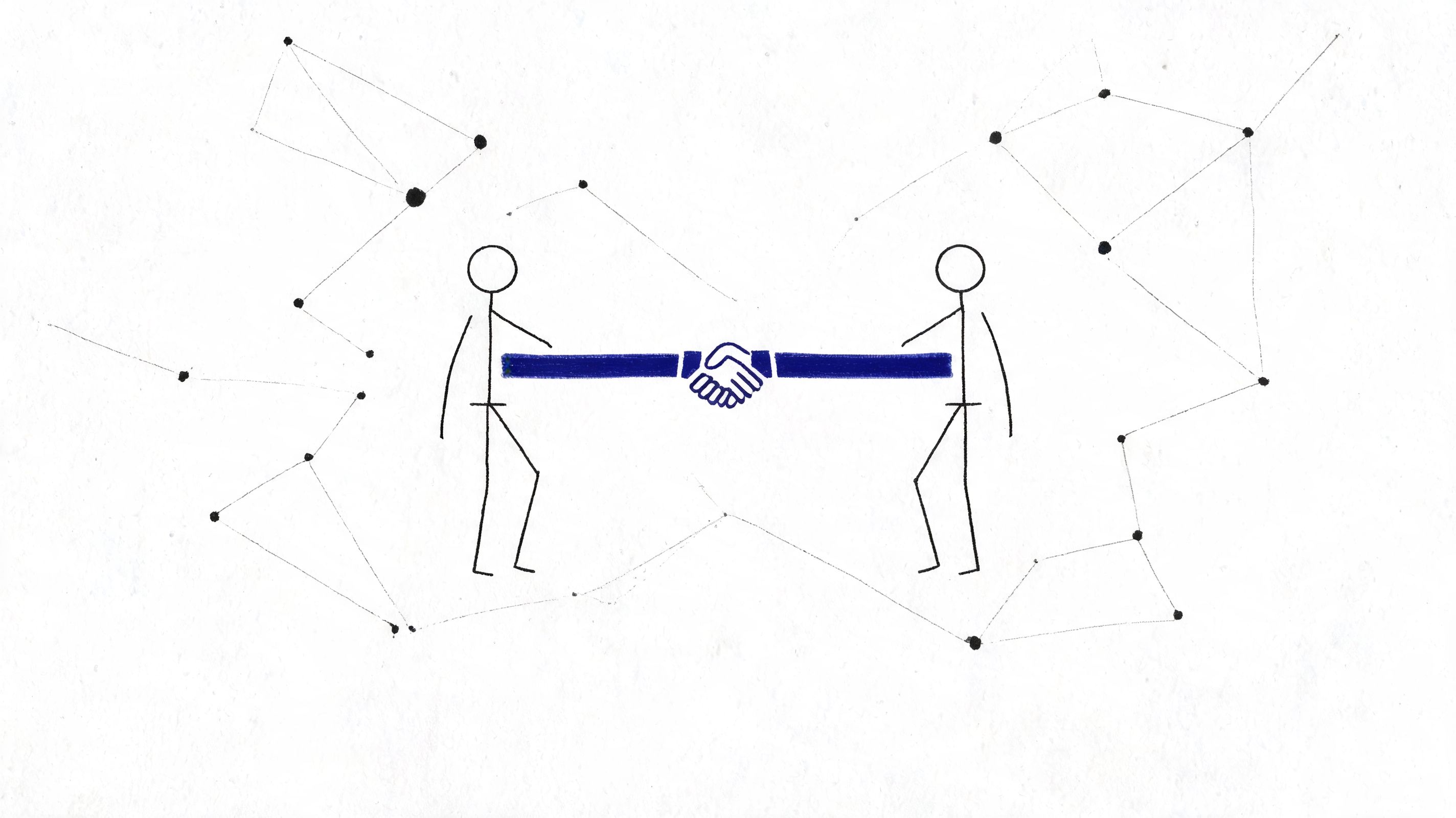
GroupOS gives teams useful connection tools. Member profiles, member maps, direct messaging, private channels, QR code check-ins, and group chat can all support stronger ties. The trade-off is straightforward. More connection options create more noise unless someone on your team sets clear pathways for who should meet, why they should meet, and what should happen after the introduction.
Random networking rarely produces much value for busy professionals. Targeted introductions do.
A chapter relations lead trying to launch a mentorship program should meet a chapter leader who already built one and can share the process, the volunteer load, and the mistakes to avoid. A sponsor asking for stronger visibility should meet the content or programming team before the event so they can shape a session, roundtable, or activation that fits member interests. Members who keep engaging on the same policy topic from different roles should be invited into a focused discussion group where they can work on a shared issue instead of passing each other in a comment thread.
That is network facilitation as a coaching skill. The manager is not just hosting space. The manager is helping members make progress through each other.
A few patterns work well in practice:
Relationship building matters because it changes member behavior over time. People return to communities where someone knows their name, understands their work, and can point them toward the next useful conversation.
That does not happen by accident. It takes prompts, follow-up, and structure. In GroupOS, that can mean tagging newcomers into role-based spaces, using event check-in data to trigger post-event outreach, or assigning staff and volunteer hosts to make introductions inside private channels. It can also mean helping members find their professional tribe based on shared priorities instead of leaving discovery to chance.
Community teams often underestimate this work because it looks informal. It is not informal. It is operating discipline. If members attend, consume content, and disappear, the network is weak. If they start reaching out to each other without staff prompting every time, the community is doing its job.
That is the standard to aim for.
Association teams usually ask a practical question at this point: which coaching characteristic should we build first, and what will it cost us to do it well?
The answer depends on where your operation is stuck. If onboarding feels transactional, start with listening. If your staff is busy but priorities keep drifting, start with goals and accountability. If members consume content but do not help each other, facilitation and relationship building usually produce the bigger shift. The table below compares the eight characteristics through an implementation lens, with the realities professional association and event managers deal with inside a platform like GroupOS.
| Characteristic | Implementation Complexity 🔄 | Resource Requirements ⚡ | Expected Outcomes 📊 | Ideal Use Cases 💡 | Key Advantages ⭐ |
|---|---|---|---|---|---|
| Active Listening and Empathetic Communication | Moderate to high. Time intensive in 1:1 support, volunteer management, and large communities | Moderate. Trained staff, dedicated time, some analytics | Stronger trust, better retention, clearer signals about member friction | Onboarding calls, member check-ins, churn risk outreach, sensitive feedback collection | Builds trust, surfaces hidden barriers, improves member experience |
| Goal Setting and Strategic Direction | Moderate. Requires alignment, follow-through, and periodic adjustment | Low to moderate. Analytics, reporting, coordination time | Clear direction, measurable progress, stronger accountability | Membership growth plans, sponsor success reviews, event adoption campaigns | Creates focus, tracks progress, keeps teams aligned |
| Feedback and Performance Accountability | Moderate. Works best with clear standards and a culture that can handle direct feedback | Moderate. Surveys, analytics, staff training, review time | Faster learning, stronger event execution, better sponsor and speaker performance | Speaker prep, post-event reviews, exhibitor debriefs, volunteer performance conversations | Speeds improvement, reinforces standards, turns reviews into action |
| Adaptability and Personalization | High. Harder to run well across multiple segments without good systems | High. Data setup, segmentation, content customization | More relevant experiences, stronger engagement, better retention across member groups | Tiered membership programs, personalized recommendations, segmented event journeys | Improves relevance and ROI by meeting different member needs |
| Facilitation and Empowerment | Moderate. Requires practice, restraint, and trust in peer contribution | Low to moderate. Facilitators, community spaces, light support resources | More peer-led growth, fewer leadership bottlenecks, greater member ownership | Peer groups, member-led discussions, collaborative problem solving | Uses collective intelligence, builds resilient communities |
| Emotional Intelligence and Self-Awareness | Moderate. Requires reflection and consistent behavior under pressure | Low to moderate. Training, coaching, reflection time | Better conflict handling, stronger psychological safety, healthier team culture | Difficult member conversations, staff management, mediation, culture change work | Reduces reactive decisions, sets a steadier tone, improves judgment |
| Expertise and Knowledge Transfer | Moderate. Needs curation, structure, and teaching discipline | Moderate to high. Subject matter experts, content production, platform support | Higher credibility, stronger learning programs, better member value | Webinars, certification support, resource libraries, guided learning paths | Establishes authority, scales useful knowledge, increases program value |
| Relationship Building and Network Facilitation | High. Authentic connection takes time, structure, and steady follow-up | Moderate. Events, matchmaking tools, privacy controls, host support | Stronger network effects, better retention, more sponsor opportunity creation | Networking programs, curated introductions, attendee matching, member directory activation | Increases peer-to-peer value, creates repeat participation, strengthens the network |
No team builds all eight at the same level.
That is the actual trade-off. High-touch characteristics such as listening, personalization, and relationship facilitation often produce the strongest member loyalty, but they also strain staff capacity if you do not support them with workflows, tags, automations, and clear ownership inside your platform. Lower-lift characteristics such as goal setting can stabilize the operation faster, especially when chapters, sponsors, and internal teams are pulling in different directions.
Use this comparison to choose the next capability that fits your current bottleneck, not the one that sounds best on paper.
A chapter director finishes a board meeting with three problems on the table. New members are joining but not participating. Sponsors want clearer proof of value. Volunteers need too many reminders to follow through. None of those issues are fixed by another leadership webinar. They improve when staff apply coaching habits inside the systems they already use.
That is the practical case for GroupOS. Professional associations and event teams can turn coaching from a good intention into a repeatable operating practice across onboarding, event follow-up, sponsor management, committee work, and peer networking.
Start with the bottleneck that is costing you the most time or trust. If onboarding calls feel one-sided, build a listening workflow. If committees drift, set clearer goals and review points. If members attend events but never form relationships, create structured introductions and small-group follow-up. Teams that try to roll out all eight coaching characteristics at once usually get a burst of activity, then fall back to old habits.
Use your GroupOS dashboard as the place where coaching work becomes visible. Track one signal tied to the problem you are solving. That could be replies in private channels, common themes in post-event feedback, sponsor clicks on profile pages, volunteer task completion, or progress through a learning path. The metric is not the goal. It is the check that tells you whether your team changed member behavior or just added process.
Coaching also deserves operational attention because the business case is well established. As noted earlier, coaching is associated with stronger engagement, better follow-through, and clearer performance gains across organizations. Association leaders should translate that into community terms: higher retention, better event return rates, stronger chapter participation, and more credible sponsor reporting.
Many coaching frameworks stop before the hard part. They explain the human side well, but they do not show staff how to connect a better conversation with a measurable outcome. GroupOS closes that gap by giving teams one place to log interactions, watch participation patterns, organize learning, manage subgroups, and review what changed after an intervention. That matters in real operations. Without a shared system, coaching depends too heavily on memory, inbox searches, and whoever happens to own the relationship.
A simple quarterly test works well. Choose one coaching skill. Build one repeatable workflow around it. Train staff and volunteer leaders on the same pattern. Review the results after 30 days or one event cycle. Look for specific changes: more member replies, better discussion quality, fewer no-shows in committees, stronger sponsor engagement, or less chasing of volunteers.
This kind of discipline compounds. Over time, the community relies less on heroic staff effort and more on clear systems, better conversations, and visible follow-through. If you want to centralize those workflows inside an all-in-one coaching platform, keep the bar high. The platform should help you facilitate real human progress, not just automate reminders.
GroupOS gives professional associations, event organizers, and membership teams the tools to put these coaching habits into daily practice. If you want one place to manage member relationships, events, content delivery, sponsor visibility, private channels, and engagement tracking, explore GroupOS and see how a coach-led community can run on one connected platform.