May 2, 2026
Content creation is no longer a side hobby reserved for influencers. It is a business function, a trust-building channel, and for many organizations, a direct path to revenue. The key opportunity is not getting seen by everyone. It is becoming known by the right people for a specific outcome.
That distinction shapes every topic, hook, format, and call to action.
A solo creator might use content to build a niche audience and sell services, sponsorships, or products. A professional association, event team, or member community uses content differently. The goal is often authority, retention, registrations, sponsor value, and a stronger relationship with members after the event or beyond the newsletter. The mechanics overlap, but the operating model does not.
A lot of advice on how to become a content creator stays at the platform level. Post more. Follow trends. Pick a niche. Those tactics can help, but they do not create a durable content business. Sustainable growth comes from systems, distribution, audience ownership, and a clear monetization path. For organizations, it also requires a platform where content and community can live together instead of disappearing into a feed. That is why teams building authority inside a managed community often start by defining who their community is really for.
The strongest creators I have worked with, and the strongest organizations, treat content like an asset, not a stream of isolated posts. A YouTube channel, newsletter, podcast, webinar series, or member resource hub can all play that role if the structure is sound. If video is part of your plan, these YouTube channel creation tips offer a useful starting point.
Most new creators fail before they publish their tenth piece. Not because they lack talent, but because they start with output instead of positioning.
The foundation has three parts: niche, audience, and value. Get those right and your content gets sharper. Get them wrong and every post feels like guesswork.
A niche isn’t a topic. It’s the overlap between what you know, what people need, and what you can keep talking about for a long time.
Broad categories like “business,” “fitness,” or “marketing” are usually too loose. Strong creator niches are narrower and more useful. Instead of “events,” think “post-event content strategy for conference organizers.” Instead of “career advice,” think “content systems for association membership teams.”
Use three filters before you commit:
Expertise filter
What do you know from practice, not just interest? The strongest early content usually comes from work you’ve already done, problems you’ve already solved, or questions people already ask you.
Demand filter
Look for repeated problems in Reddit threads, LinkedIn comments, YouTube search suggestions, customer calls, Slack groups, and industry forums. If the same question keeps appearing, demand exists.
Monetization filter
Ask who benefits when your audience gets a result. That might be a sponsor, a software company, an employer, a membership organization, or the audience itself through paid products or services.
If you’re still refining your niche, this practical guide to finding your tribe is useful because it pushes you toward audience fit instead of vanity reach.
Practical rule: Pick a niche where you can answer the same core problem from fifty different angles without getting bored.
Demographics help. Pain points drive engagement.
That matters because creators who solve specific audience problems see 20 to 30 percent higher engagement, and creators who review performance every two weeks and adjust can reduce flop rates by 40 percent and achieve 5x faster audience growth, according to MediaNug’s creator guidance.
Don’t build your audience profile like a brand intern filling in a template. Build it like a strategist preparing a campaign.
Use a working profile with these fields:
For YouTube-first creators, platform setup and content framing matter early. A practical companion resource is this guide to YouTube channel creation tips, especially if you’re trying to translate a niche into a channel structure.
Your value proposition is the shortest explanation of why your content deserves attention.
It should answer one question: why should someone follow you instead of the hundred other accounts covering the same space?
A weak version sounds like this:
A strong version sounds like this:
That difference matters because it shapes every topic, hook, format, and call to action.
Use this template:
| Element | Question to answer |
|---|---|
| Audience | Who is this for, specifically? |
| Problem | What recurring pain point do you solve? |
| Method | How do you solve it differently? |
| Outcome | What result should people expect? |
If you can’t state those four clearly, you’re not ready to scale production yet.
Most creators don’t need more inspiration. They need a repeatable operating rhythm.
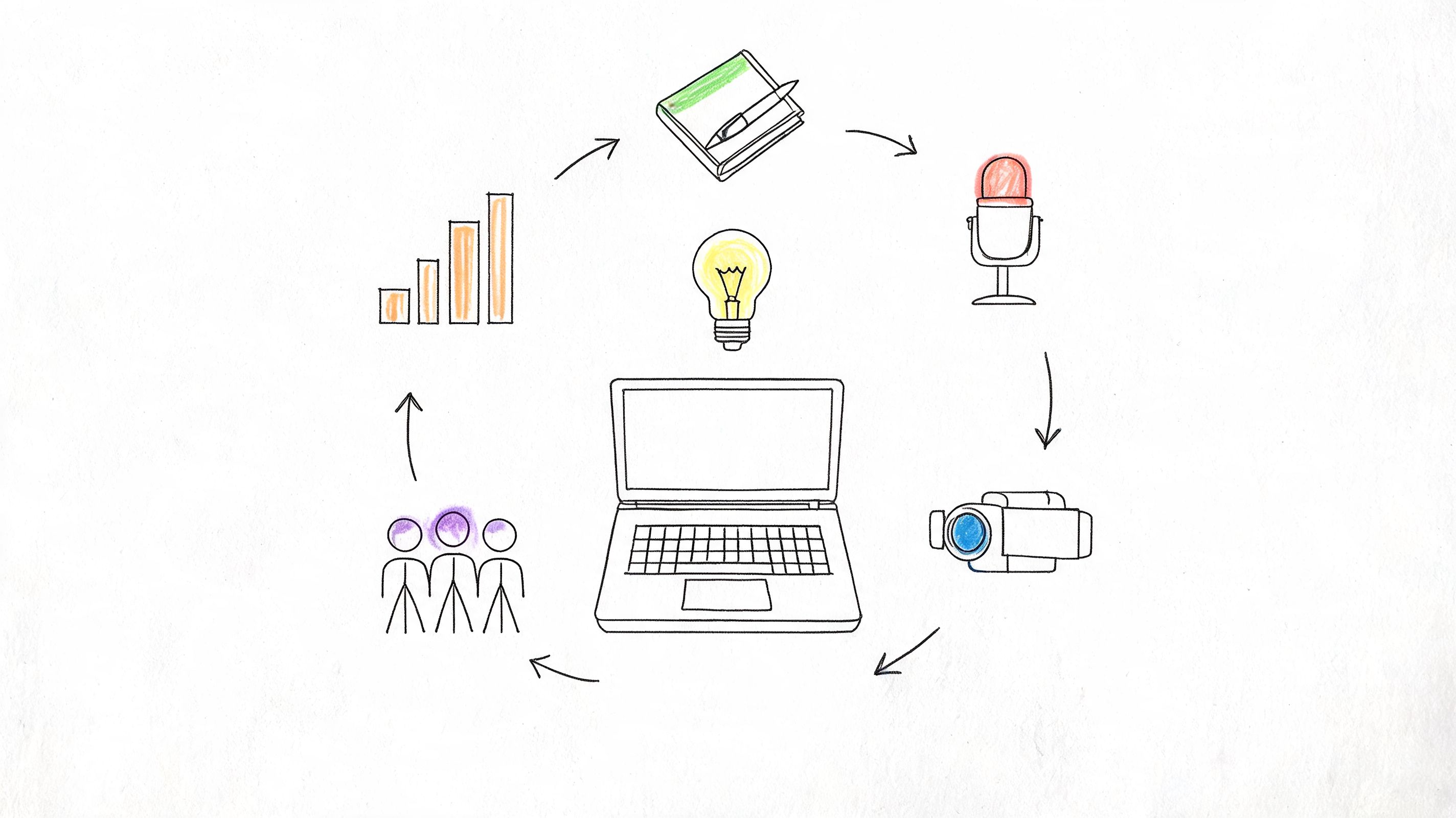
Consistency isn’t about posting every day until you burn out. It’s about building a content engine that reliably turns raw ideas into finished assets. The creators who win long term usually work like small production teams, even when they’re solo.
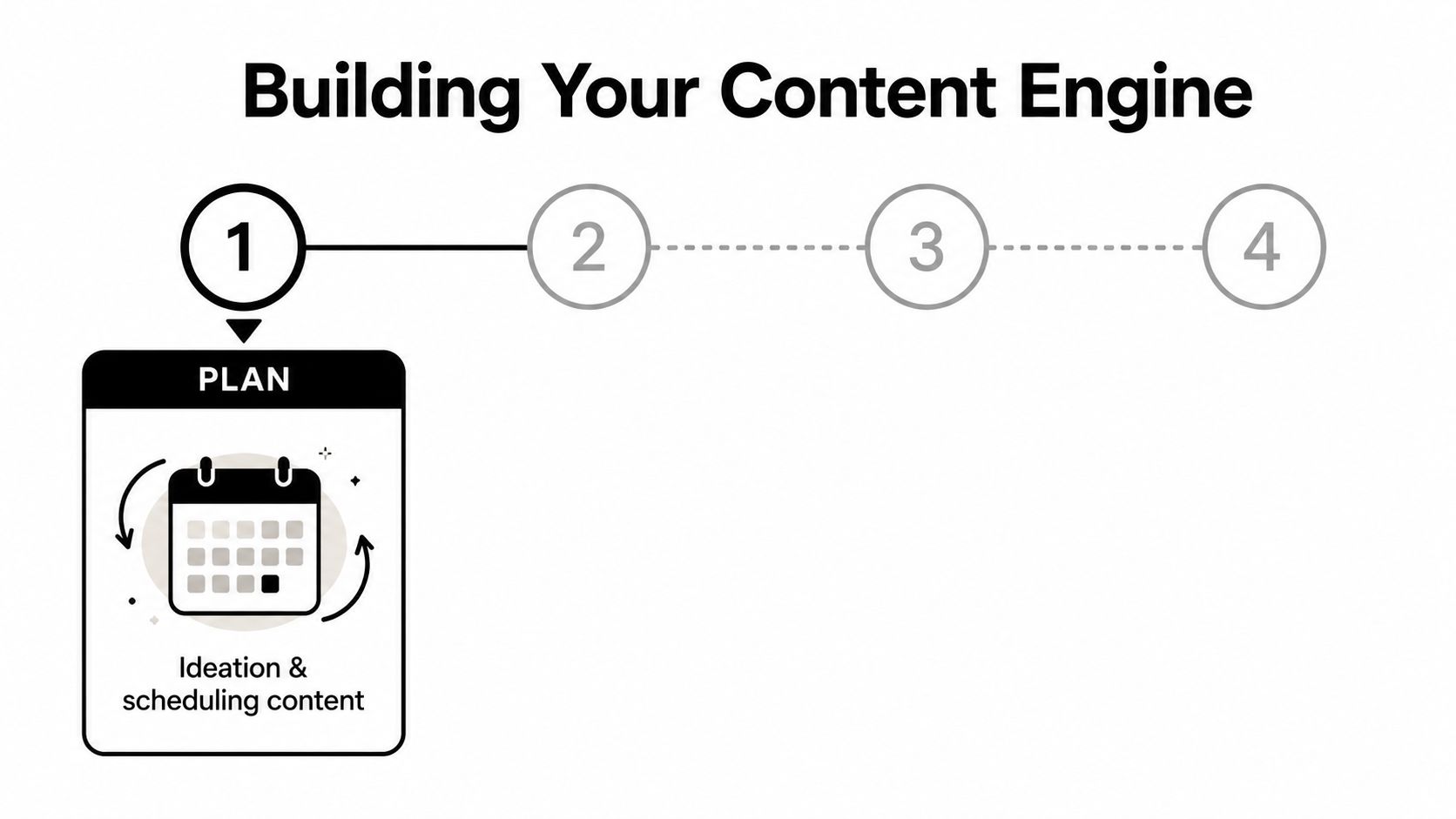
Coursera’s creator overview makes an important point: “full-stack creatives” earn 4x higher monetization rates, and 90% of success is tied to technical proficiency, while poor production can cause 60% of viewers to bounce immediately according to its content creator guide. That doesn’t mean you need expensive gear on day one. It means basic competence in recording, editing, packaging, and optimization is not optional.
A simple content engine has four stages:
Capture
Collect ideas as they happen. Use Apple Notes, Notion, Google Docs, or voice memos. Don’t trust memory.
Shape
Turn raw ideas into repeatable formats. Examples: tutorial, breakdown, reaction, checklist, case analysis, FAQ, myth-busting post.
Produce
Batch record, batch write, or batch edit. Repetition lowers friction.
Publish and review
Schedule distribution, then review what held attention and what lost it.
Creators get into trouble when they collapse all four into one stressful sitting.
Good production starts with clarity, not luxury.
For video, a smartphone, clean window light, a basic tripod, and a reliable microphone can carry you far. If you’re recording longer videos or courses, a mirrorless camera, a directional mic, and soft lighting improve polish, but only after you’ve learned framing, pacing, and audio control.
For writing, your “gear” is different:
The mistake is buying hardware to compensate for weak thinking. A good hook, sharp structure, and useful idea beat expensive b-roll every time.
If you need examples of how creators make material more watchable and interactive, this piece on how to create engaging content is worth reviewing alongside your own workflow.
A content calendar should reduce decision fatigue. It shouldn’t become a second full-time job.
Use a weekly planning grid like this:
| Day | Focus | Output |
|---|---|---|
| Monday | Research and outline | Topics, hooks, briefs |
| Tuesday | Record or draft | Long-form core content |
| Wednesday | Edit and design | Final asset packaging |
| Thursday | Repurpose | Clips, quotes, carousels, email |
| Friday | Publish and review | Distribution and analytics notes |
That structure works for individuals and teams. In organizations, it’s even more useful because approvals, brand review, and stakeholder input can slow production if you don’t assign stages clearly.
A helpful companion for operational planning is this internal guide on creating engaging content for communities, especially when content needs to serve members, attendees, and sponsors instead of a general public audience.
Strong creators don’t ask, “What should I post today?” They ask, “What system produces useful content every week without draining the team?”
Most creators waste time by thinking in channels instead of source assets.
One webinar can become:
That’s how an engine compounds. You don’t create seven things. You create one strong source asset and adapt it intelligently.
Creators and professional teams lose momentum when they treat every platform as equal. A channel that is good for discovery is often poor for retention. A channel that builds trust can be slower to grow. Good distribution starts when you accept those trade-offs and choose on purpose.
Pick the place where your expertise makes the most sense in full length. That is your stage.
Your main stage is the platform that carries the complete version of your ideas. It should support depth, searchability, and a clear next step for the audience.
For solo creators, that often means building around personal strengths and audience behavior. For organizations, it also means choosing a format the team can sustain, approve, and measure without turning publishing into a weekly bottleneck.
A practical shortlist looks like this:
I usually advise clients to choose the platform that best preserves context. If your insight needs examples, nuance, or process detail, short-form feeds will strip out too much value. If your business depends on recurring engagement, a community space or email list will hold attention better than a social timeline.
That matters even more for associations, media brands, and education-driven organizations. They are not just trying to get attention. They need a content home that supports authority, member experience, and revenue paths such as sponsorship, subscriptions, and paid access. In many cases, that points toward a mix of public discovery channels and a structured platform like GroupOS where the audience can stay.
Outposts support the main stage. They help people discover you, sample your point of view, and decide whether to spend more time with your work.
That changes how you publish.
A LinkedIn post can introduce an argument. A short clip can highlight one useful moment from a webinar. An event recap can pull people into a deeper resource library. Each piece should create enough value on its own to earn attention, then point toward the place where the full relationship happens.
Here’s a simple way to assign roles:
| Platform role | What it does well | What to publish there |
|---|---|---|
| Main stage | Depth, trust, archive | Long-form videos, articles, webinars, core lessons |
| Outpost | Reach, conversation, testing | Clips, reactions, highlights, discussion prompts |
| Owned channel | Retention, direct access | Email, member updates, private resources |
This structure protects focus. It also helps teams avoid a common mistake. They publish everywhere, then wonder why none of the channels compounds. Distribution works better when each platform has a job.
Reach is useful. Shelf life is what turns effort into an asset.
Searchable platforms and owned channels keep working after the publish date. Feed-driven platforms can produce sharp spikes, but the value disappears fast unless they route people into a deeper system. That is why strong creators and serious organizations invest in content that can be found, referenced, and reused.
If your revenue plan depends mostly on ad payouts or viral view counts, study the economics before you commit. This breakdown of what a million YouTube views can mean in practice is a good reminder that audience value depends on format, offer, and conversion path, not just raw traffic.
Publish where your work keeps helping people after the first day.
Distribution decisions get easier when you ask one question first. What is the audience trying to do here?
Someone comparing software options may want a detailed article, case-based video, or recorded demo. A first-time creator looking for direction may respond to a concise clip with one clear takeaway. Members inside a professional community usually want organized resources, discussion, and follow-up materials they can return to later.
Format should match that intent.
Many creator guides fail to provide adequate value for organizations. A solo influencer can focus exclusively on optimizing for attention. A professional group, however, must link content to programs, membership, events, sponsors, and education. The ideal platform is not merely the one that attracts views. It is the venue that encourages the audience to transition from discovery to trust to participation, preferably within a platform your team controls.
Audience growth matters less than audience behavior. A creator with a smaller, active community will usually outperform a larger account full of passive followers because replies, referrals, event signups, and member conversations create business value.
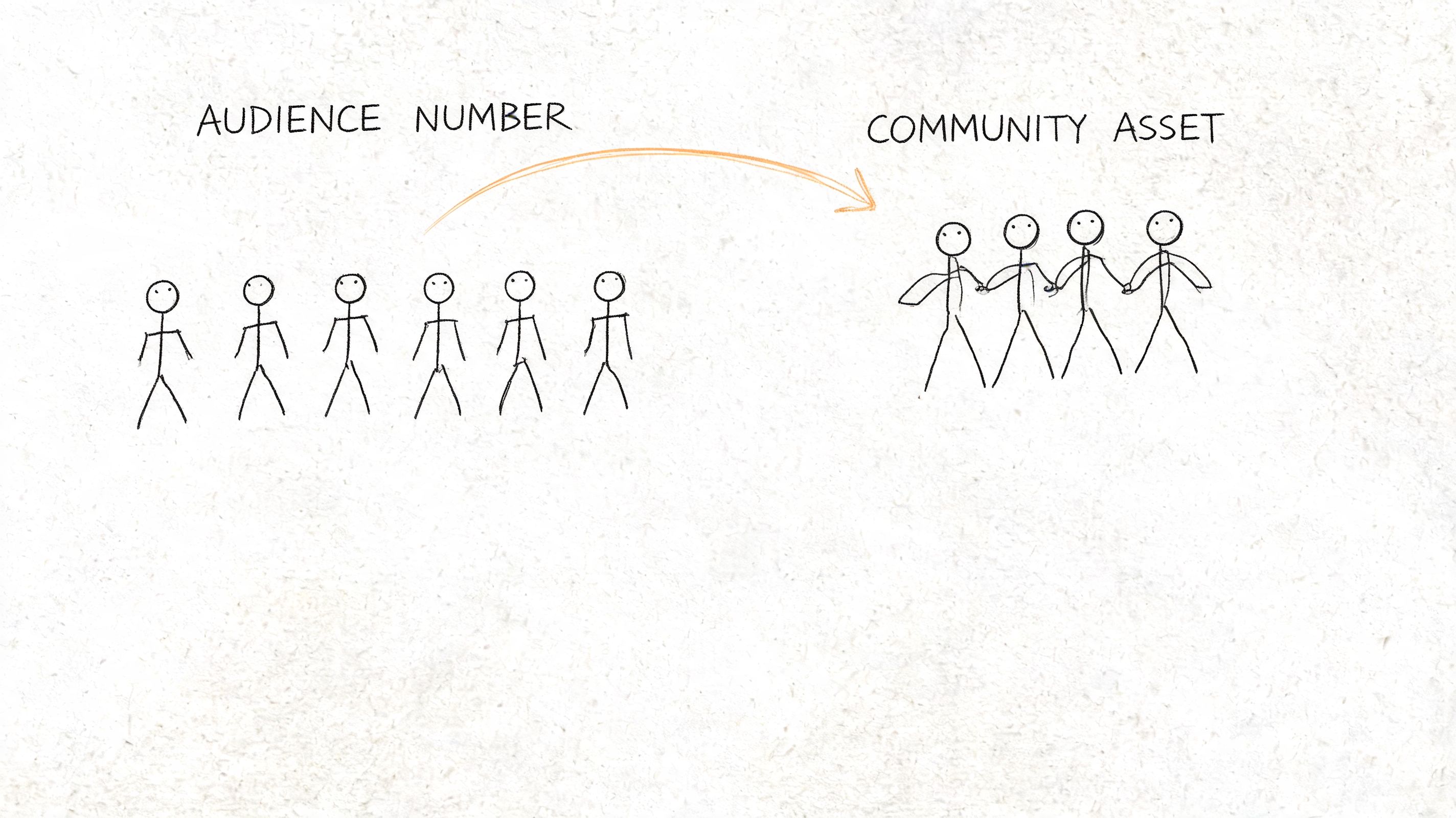
Likes are weak signals. Participation is stronger.
The goal is to give people a reason to do something with your content. For an individual creator, that might mean replying with a specific challenge, joining a live session, or sharing a post with a peer. For a professional organization, it often means commenting with context, attending an event, downloading a resource, or continuing the conversation inside a member space.
That is the difference between building an audience and building an asset.
A simple way to raise participation is to ask better questions. Skip generic prompts that ask for agreement and use prompts that surface useful information:
These responses do two jobs. They increase engagement, and they give you material for the next post, video, workshop, or member discussion.
Loyalty usually comes from rhythm, not novelty.
Weekly formats, recurring Q&As, office hours, post-event recaps, and expert breakdowns work because they reduce guesswork for the audience. People know what they will get and when to expect it. That consistency builds return behavior, which is far more useful than one traffic spike.
I have seen this play out across both creator brands and associations. A solo creator might grow around a weekly teardown series. An organization might use recurring expert sessions to keep members active between conferences. The format changes, but the principle stays the same. People return when the experience feels reliable and worth fitting into their schedule.
A loyal audience shows up on purpose.
Good community management is editorial work. It shapes tone, surfaces better questions, and protects the standard of discussion.
Reply to thoughtful comments with substance. Pull recurring questions into future content. If criticism is fair, answer it clearly. If a discussion turns vague or combative, bring it back to specifics. Professional communities do not need constant activity. They need useful activity.
This matters even more if your content feeds a structured platform such as GroupOS, where posts, events, resources, and member conversations should reinforce each other instead of living as disconnected touchpoints. For teams building that kind of system, this guide to content monetization strategies for communities and publishers is a useful next step.
Follower count has limited value on its own. It says very little about trust, purchase intent, or member commitment.
Track signals that show people are investing attention:
| Signal | What it tells you |
|---|---|
| Repeat commenters | People are returning consistently |
| Direct questions | Your audience sees you as a credible resource |
| Shares to colleagues or peers | Your content solves real problems |
| Replies that add examples or nuance | The topic is creating discussion, not just reactions |
| Member-to-member interaction | The audience is becoming a community |
These indicators also help you make better monetization decisions later. Sponsors, partners, and buyers respond to evidence of trust. If your audience asks informed questions, joins recurring sessions, and interacts with each other, you have something much more durable than reach.
That is also why brand deals should follow audience fit, not ego. If Instagram is one of your channels, learn how to get Instagram sponsorships in a way that matches your niche and audience behavior. The strongest partnerships feel aligned with the community you have built, not pasted on top of it.
Monetization starts after you have earned enough trust that an offer feels useful, not intrusive. Push revenue too early and people read your work as promotion dressed up as content.
The practical goal is to build income that does not depend on a single platform, sponsor category, or algorithm shift. That matters for solo creators. It matters even more for associations, media brands, and member communities that need predictable revenue tied to education, retention, and sponsor value.
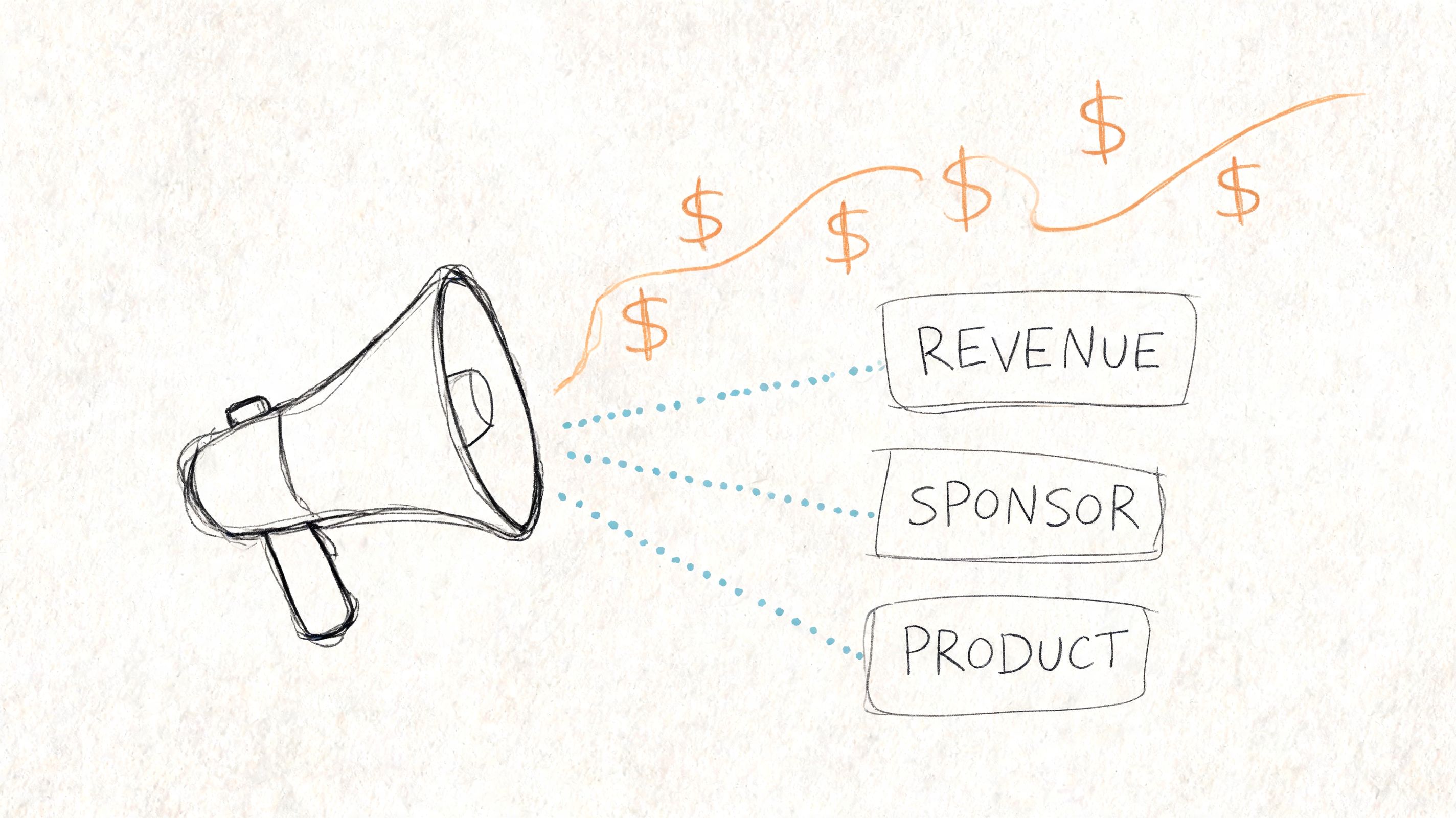
Different revenue models solve different problems.
During the early phase, service revenue typically represents the quickest path because it converts expertise into capital without requiring a substantial audience. This work may involve consulting, freelance production, channel audits, workshops, speaking engagements, or advisory roles. I frequently suggest this initial strategy because it rapidly develops positioning. You encounter objections, discover what buyers value, and identify which topics people will pay for.
As your operation matures, productized offers scale better because they separate revenue from your calendar:
For a grounded look at models that work beyond solo creator sales, this guide to content monetization strategies for communities and publishers is worth reading.
Sponsors buy access to a specific audience and a credible voice. Follower count matters far less than audience fit, buying context, and the creator’s ability to present an offer without breaking trust.
That creates an opening many smaller creators miss. A channel that reaches procurement leaders, event organizers, healthcare association members, or B2B operators can be more valuable than a much larger general-interest account. Organizations should evaluate sponsorships the same way. A narrower audience with clear professional intent often produces better sponsor results than broad reach with weak alignment.
If Instagram partnerships are part of your plan, this practical guide on how to get Instagram sponsorships can help you think through positioning and outreach.
Creators get more stable economics when content feeds an asset they control. That asset might be a course, template library, research briefing, workshop series, paid community, or training program. For professional groups, it can also be a member resource hub, sponsor education package, certification prep series, or event content archive.
Start simple:
This is the shift from publishing to business. You are no longer only renting attention from public platforms. You are building something with repeat value, clearer pricing, and better margins over time.
A platform that supports video, documents, gated resources, subscriptions, and community interaction can make that model much easier to run for organizations and structured communities. One option is GroupOS, which supports content delivery, memberships, event-related publishing, messaging, and sponsor visibility inside a branded environment.
Video can also support your monetization strategy when used as a trust-building layer before the sale.
Every monetization path comes with a trade-off. Sponsorships can weaken credibility if the fit is poor. Affiliate revenue can push content toward endless tool recommendations. Services can fill your schedule and stall product development. Memberships create an ongoing delivery obligation. Courses need updates or they decay.
The fix is discipline. Choose revenue streams that strengthen the reason people follow you in the first place.
If your audience trusts you for strategic guidance, sell insight, training, or carefully matched partnerships. If they come to you for operational help, offer templates, systems, workshops, or premium access that saves them time. The closer the offer sits to the original value of the content, the easier it is to convert without damaging trust.
Most advice on how to become a content creator assumes you’re building a public-facing personal brand. That’s useful, but incomplete.
There’s a second market that gets far less attention. Professional associations, member communities, conference teams, and enterprise groups all need content creators. They need people who can turn expertise into ongoing engagement, educational assets, sponsor value, and post-event retention.
That opportunity is bigger than many creators realize because existing guides rarely address it. A background source on content careers highlights that guides fail to address professional communities, while B2B content roles for associations have grown by 40%, and those teams need content built for environments that include ticketing, member analytics, and sponsor showcases rather than just public social feeds, as noted in this CBS discussion of content creator roles.
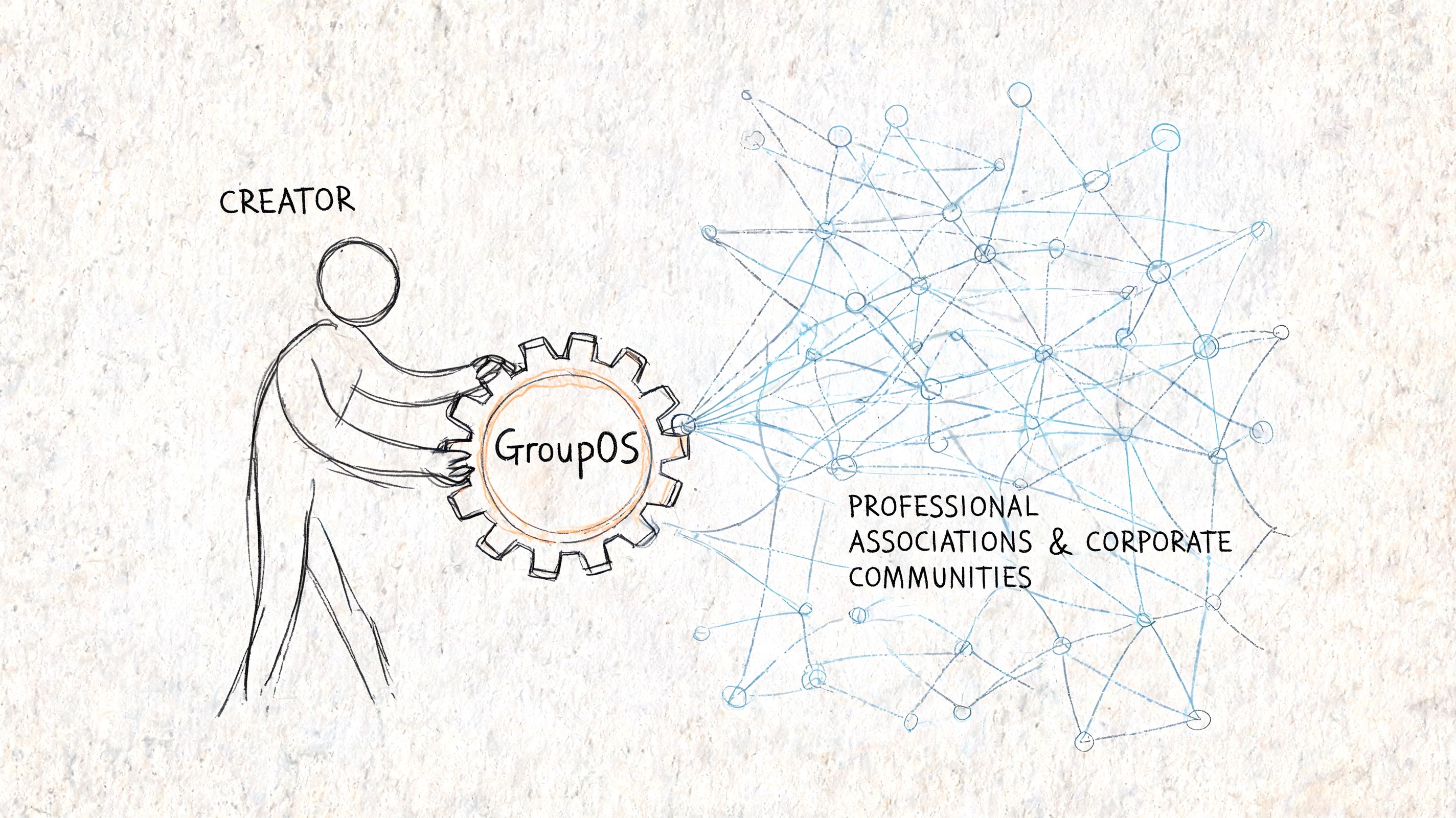
A solo creator might optimize for reach. A professional community creator often optimizes for retention, education, attendance, sponsor visibility, and member participation.
That changes the content mix.
For professional organizations, useful content often includes:
This work sits closer to media operations than influencer marketing.
Public platforms are good for discovery. They’re weak as a long-term home for professional relationships.
Organizations need content to live somewhere stable. Members need searchable resources. Event attendees need recordings and follow-up materials. Sponsors need profile visibility and context. Community managers need analytics that connect content to member behavior.
That’s why the smart move for many professional groups is to treat public channels as top-of-funnel distribution and build the core experience in a branded hub.
Professional communities don’t just need more posts. They need content infrastructure.
If you’re an individual creator, this is a niche worth serious attention. Many organizations need someone who can do all of the following:
| Need | Creator skill that matches it |
|---|---|
| Member education | Turn expertise into digestible series, videos, and articles |
| Event amplification | Repurpose sessions into clips, recaps, and evergreen resources |
| Sponsor support | Create profiles, featured content, and useful promotional assets |
| Community activation | Prompt discussion, moderate conversation, and identify recurring themes |
| Retention support | Build reasons for members to keep coming back after the event ends |
This is also where a platform model matters. In a structured environment, creators can publish recordings, organize resources, manage gated content, support sponsor visibility, and tie everything back to memberships or events instead of hoping a social algorithm keeps distribution alive.
For organizations, that means content stops being a campaign line item and starts becoming part of the product.
Start by documenting what you’re learning, what you’re testing, and what problems you can solve now. Don’t pretend to have authority you haven’t earned. Do explain your process clearly.
Credibility grows when your content is specific, useful, and honest about context.
Lower the number of decisions you make each week. Work from formats, not constant reinvention. Batch your work. Keep an idea bank. Publish on a schedule you can maintain even during busy periods.
Burnout usually comes from unstable systems, not a lack of motivation.
That’s normal. Early content is often where you learn packaging, pacing, topic selection, and audience language.
Treat low response as feedback, not a verdict. Review what people clicked, where they dropped off, and what questions came back. Then improve one variable at a time.
No. You need clear audio, usable visuals, strong structure, and useful ideas.
A phone, a basic microphone, decent light, and simple editing software are enough to start. Upgrade only when your current setup is clearly limiting quality or efficiency.
Anchor yourself in service, not identity. You don’t need to be the world’s top authority to help someone one step behind you.
If your advice comes from real work, tested methods, or thoughtful research, publish it. Confidence usually follows repetition.
Learn the basics of copyright, licensing, and platform permissions. Keep original files. Use written agreements for sponsors, clients, and collaborators. Be careful with music, stock assets, and repurposed clips you don’t own.
If you create for an organization, clarify ownership before production starts.
If you’re building content for a professional community, membership program, or event brand, GroupOS gives you a way to manage content delivery, memberships, event experiences, sponsor visibility, and communication inside one branded platform. That matters when you want your content to do more than earn views. It needs to support retention, revenue, and year-round engagement.