December 8, 2025
Before you even think about finding sponsors, you have to get your own house in order. It's a common mistake to just start asking for money. Instead, you need to build a rock-solid business case that shows a potential sponsor exactly why your audience is their audience. This initial groundwork is what separates a simple cash request from a true partnership proposal.
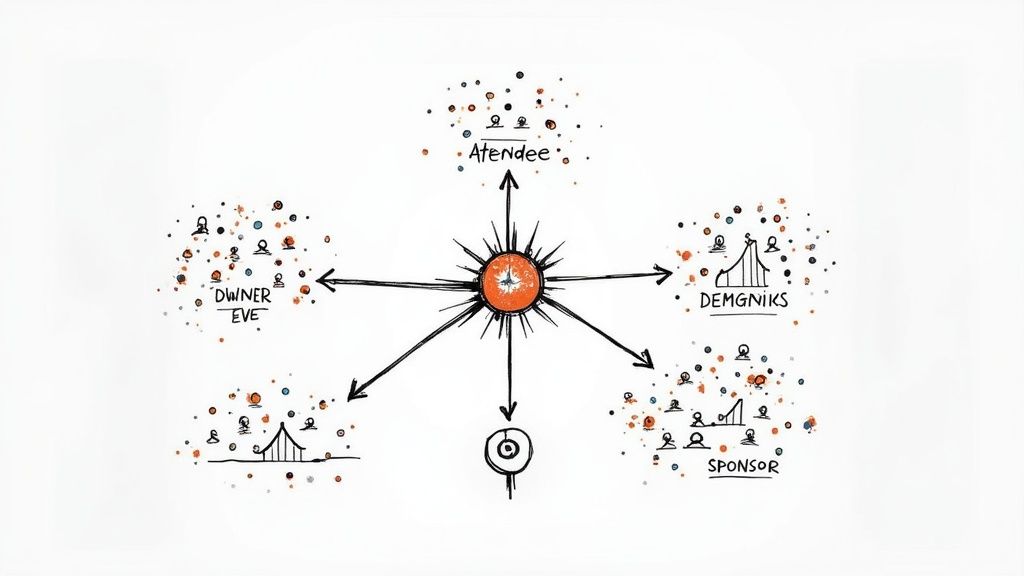
Before you draft a single email, you have to know precisely what you’re selling. And it's not just about slapping a logo on a banner. It's about offering exclusive access to a specific, highly engaged group of people. That’s the real prize.
So, what makes your event a can't-miss opportunity for a sponsor? The answer, every single time, is your audience. You need to go way beyond a simple headcount and get into the details that make your attendees so valuable.
Start by digging up the data:
Your event's value isn't just in the number of people who show up; it's in the quality and relevance of that audience to a sponsor's business. Frame your pitch around how you connect them with their next best customers.
This level of detail turns your pitch from a hopeful ask into a smart business decision.
Once you know your value, you need to figure out what success looks like for you. Your goals will dictate your entire strategy—from how you price your packages to the kinds of partners you go after. Without them, you’re just flying blind.
It’s not always about the cash, either. While financial backing is usually top of the list, other kinds of support can be just as crucial.
Think about what you truly need:
This isn’t a small market. Corporate sponsorship is a huge piece of the marketing pie, with global spending projected to soar from $97.4 billion in 2022 to $189.5 billion by 2030. Knowing that sponsorship often accounts for 12% of a brand’s marketing budget shows you just how serious companies are about it.
To help you clarify what you're aiming for, here’s a simple framework.
Setting these goals is a foundational part of the entire event planning process. In fact, your sponsorship strategy should be baked into your early documents from day one. If you want to dive deeper into this, check out our guide on what is an event plan. When you know what you’re aiming for, you can build a targeted list and create packages that deliver real value—for you and your future partners.
Let’s be honest, casting a wide, ineffective net for sponsors is a waste of everyone's time. The most successful sponsorship strategies aren't about how many companies you email; they're about how well you target the right ones. Think of it less like cold calling and more like strategic matchmaking.
Your real goal is to build a highly targeted prospect list of companies whose ideal customers are already buying tickets to your event. When you get that part right, the partnership feels natural to your attendees and delivers obvious value to the sponsor.
The single most important factor in any successful sponsorship is audience overlap. A sponsor's main objective is to get their brand in front of potential buyers. If your attendees aren't their buyers, the conversation is dead on arrival.
So, start by looking for companies that are already trying to reach your demographic.
The best sponsor relationships are built on a simple truth: you have the audience they want to reach. Every part of your research and qualification process should be aimed at proving that connection.
Once you have this initial list, it's time to dig a little deeper to make sure they're not just a good fit, but the right fit.
A truly qualified prospect doesn't just have the right audience; they also have the budget, intent, and motivation to sponsor an event like yours. This is where a little detective work goes a long way. Your job is to connect the dots between their current marketing goals and what your event offers. For a deeper dive, our guide on https://groupos.com/blog/how-to-find-corporate-sponsorship offers even more strategies.
Here’s a practical way to qualify your list:
Okay, you’ve identified some promising companies. Now you have to find the right person to talk to. Sending your brilliant proposal to a generic "info@" email is like throwing it into a black hole. You need to connect with the individual who actually holds the purse strings for the sponsorship budget.
These job titles are often your best bet:
LinkedIn Sales Navigator is an absolute game-changer here, letting you filter by company, job title, and seniority to build a tight list of contacts. After you’ve identified the key players, knowing how to find company email addresses quickly and easily is the final step to get the conversation started.
Follow this process, and you’ll end up with a qualified list of partners who are already primed to say yes—because your event solves a real business problem for them.
If your sponsorship proposal feels like a copy-and-paste job, it’s probably heading straight for the trash folder. Let’s be honest: a generic, one-size-fits-all approach just doesn’t work anymore. To get a sponsor's attention, you have to stop thinking about what you need and start focusing entirely on what they want.
The goal here is to craft sponsorship packages that scream value. You’re not asking for a donation; you’re offering a powerful marketing platform that delivers real results. It's about moving way beyond a simple logo on a banner and offering high-value assets sponsors genuinely crave, like keynote speaking slots, targeted email blasts, and exclusive networking events.
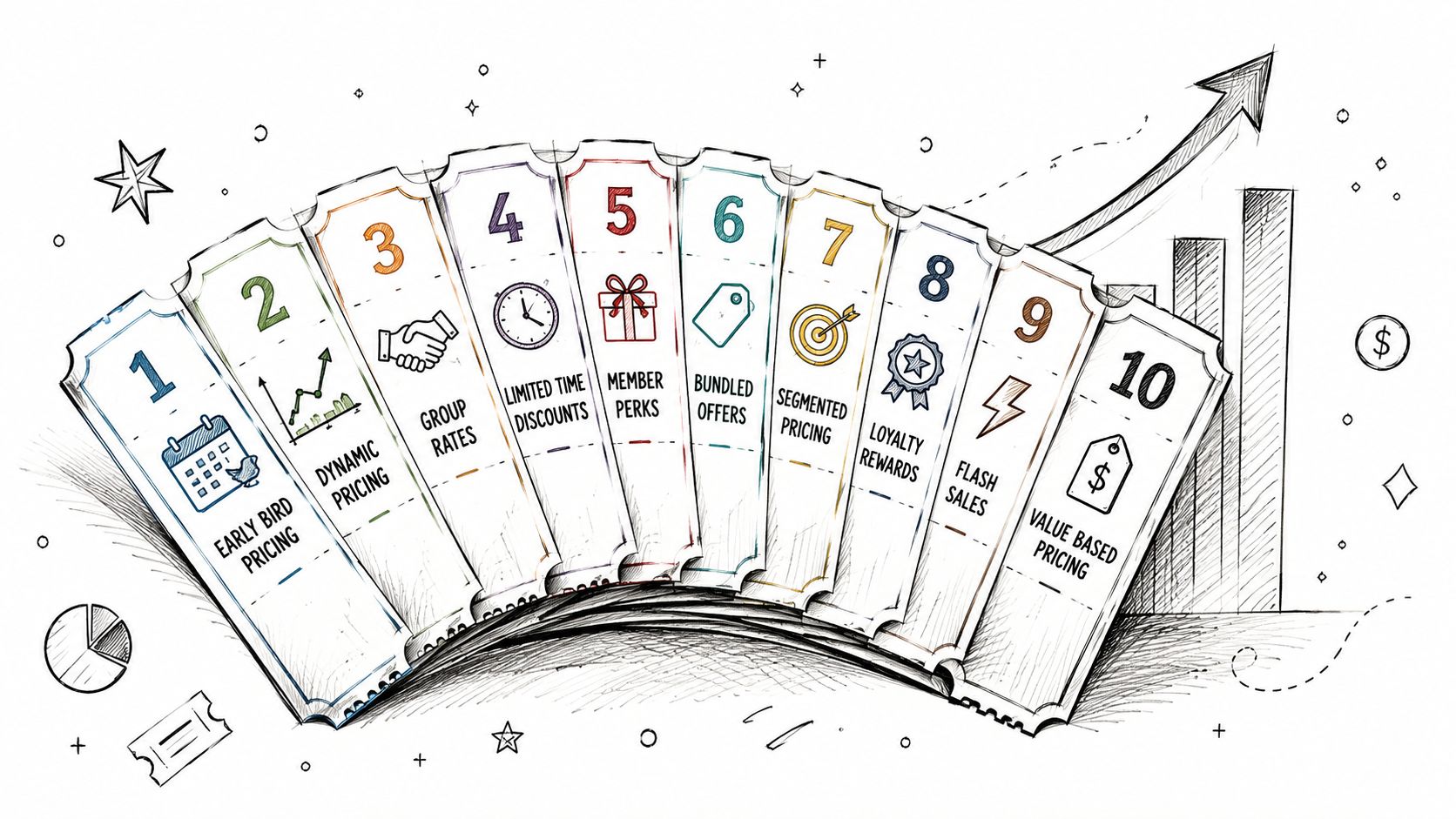
The classic tiered model—Platinum, Gold, Silver—is a fantastic starting point. Everyone gets it. It helps potential sponsors quickly find a level that fits their budget and goals. But the real magic isn't in the names; it's what you put inside those tiers.
Think of each level as a unique solution to a specific business problem.
Bronze (The "Get in the Door" Tier): Perfect for companies testing the waters or working with smaller budgets. Focus on solid brand awareness benefits: logo placement on the website, a mention in a general sponsor thank-you email, and a social media shout-out. It’s low-risk, high-visibility.
Silver (The "Lead Generation" Tier): This package is for sponsors who want to do more than just be seen—they want to connect. Build on the Bronze benefits by adding things like a small exhibit table, a dedicated social media post, and maybe a sponsored coffee break where they can mingle.
Gold (The "Thought Leader" Tier): Aimed at established brands that want to command the stage. This tier should offer authority-building opportunities. It includes everything from the lower tiers, plus a speaking slot (like a breakout session or panel seat), a featured spot in your marketing emails, and a more prominent booth location.
Platinum (The "Exclusive Partner" Tier): This is your premium, all-in offering. It’s all about exclusivity and deep integration. Think big: naming rights for the Wi-Fi or a main stage, a co-branded networking lounge, or direct access to a curated VIP list.
As you brainstorm assets, don't forget the power of physical presence. Considering the essential types of outdoor business signs can give sponsors incredible visibility at your venue. A well-placed banner can still be a game-changer.
Your sponsorship deck is your sales pitch on paper. It has to look professional, feel compelling, and be crystal clear. Don't just list benefits; you need to sell the value behind them.
Here's what every great proposal needs:
For a much deeper dive, our complete guide on building irresistible event sponsorship packages is packed with templates and examples you can steal.
The world of sponsorship is always shifting. Today, it’s about much more than just slapping a logo on something. Brands are laser-focused on social impact, diversity, and creating genuine connections.
The numbers don't lie. Social impact sponsorships saw a 21% year-over-year growth, and sponsored content tied to social causes generated 33% more engagement. While global sponsorship spending is set to hit $97.5 billion in 2024, it's critical to know that 45% of brands are actively renegotiating deals to get more value. You need to show them you get it.
By framing your event as a platform that helps sponsors crush their marketing goals—whether that’s lead generation, thought leadership, or community engagement—you transform your proposal from a simple request into a strategic business opportunity they can’t afford to miss.
Alright, you've done the hard work of building a compelling sponsorship proposal. Now comes the part where the rubber meets the road: getting that proposal in front of the right person and turning a "maybe" into a signed contract.
This is where so many event organizers go wrong. They blast out a generic email and hope for the best, only to end up in the spam folder. The key is to shift your mindset. You're not just asking for money; you're initiating a business partnership. That requires a personal touch and a strategy that proves you've done your homework.
That first email is your one shot to break through the noise. It needs to be short, personal, and focused entirely on the value you can bring to their business, not the other way around.
Before you even think about hitting "send," find a specific, relevant hook. Did they just launch a new product? Are they running a marketing campaign that aligns with your event's theme? Mention it in your opening line. This simple act shows you see them as more than just a name on a list.
Keep the body of the email brief. Your only goal here is to highlight the alignment between your audience and their target market and then get them on a call. End with a simple, low-pressure ask, like, "Would you be open to a 15-minute call next week to see if there's a good fit?"
The most effective outreach shifts the dynamic from a simple transaction to a collaborative partnership. Frame your conversation around solving their business challenges, not just funding your event.
Now, what happens after you send that first email? Often, nothing. But silence doesn't mean "no." Decision-makers are buried in emails, and a polite, persistent follow-up is almost always necessary to get a response.

Remember, the value you're pitching is rooted in the packages you've built. Understanding how to structure tiers, add meaningful benefits, and price them correctly is what gives you the confidence to negotiate effectively.
When you finally get a prospect on the phone, be ready to defend every dollar of your pricing. This isn't about getting defensive; it's about confidently articulating the return on their investment. Your audience data is your best friend here.
Instead of just stating the price, connect it directly to the value. For instance, don't just say, "The Gold package is $10,000."
Instead, try this: "The Gold package is priced at $10,000 because it gives you a dedicated email blast to our 5,000+ registered members, and we know from our analytics that 75% of them are director-level decision-makers in the tech industry—your exact customer profile."
Suddenly, it's not a cost; it's a strategic investment in qualified leads.
Of course, you're going to face objections. Let's tackle the most common one head-on.
Your goal should always be to build a relationship that extends beyond this one event. A successful negotiation ends with both of you feeling like you've won. Once you get that "yes," immediately follow up with clear next steps, outlining exactly what you need from them (logos, ad copy, etc.) and by when.
This is where you can really shine by making their experience seamless. A platform like GroupOS is a game-changer here. It allows you to create dedicated sponsor profiles where they can showcase their brand and capture leads right inside your event community. By giving them the tools to easily see their ROI, you're not just delivering on your promises—you're building a rock-solid case for them to come back year after year.
Getting that signature on the sponsorship contract isn't the finish line—it's the starting gun. Now the real work begins. Your focus has to shift entirely to flawless delivery and building a partnership that makes renewing for next year a no-brainer.
This is the point where you stop being a salesperson and become a true partner. It’s all about sponsor activation: bringing the partnership to life in ways that feel seamless and valuable to your attendees. That could be anything from a high-tech interactive booth to slick digital branding integrated into your event app.
Creative ideas are great, but they don't mean much if you can't measure their impact. Sponsors are businesses, and they need to justify every dollar they spend. Your job after the deal is signed is to help them do exactly that by tracking the metrics that actually matter to their bottom line.
Forget vanity metrics. You need to prove that partnering with your event moves the needle for their brand.
This data-driven approach is more critical than ever. Consider this: the global sports sponsorship market alone was valued at USD 60.17 billion in 2024 and is projected to hit USD 132.86 billion by 2033. That explosive growth means sponsors have more choices than ever. You have to prove your value. You can find more sports sponsorship market trends on straitsresearch.com.
Trying to track all these data points manually is a fast track to a headache. A solid event platform becomes your best friend here. For example, within GroupOS, you can build out dedicated sponsor profiles that act as a central hub for each partner.
Sponsors can upload their own content, feature their products, and—most importantly—capture leads directly through the platform. You can also run rotating banner ads and track their click-through rates, giving you hard data on visibility and interest. This takes a lot of the manual data-collection work off your plate and makes your final report far more accurate.
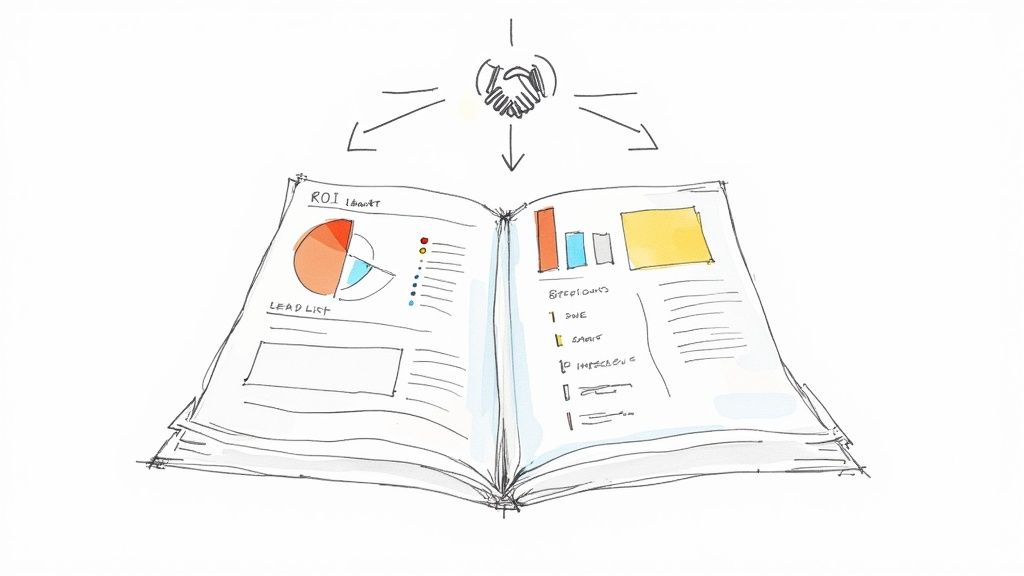
Once the lights are off and the last attendee is gone, you have one final, crucial task: the post-event report. Think of this document as your ultimate renewal tool. It needs to be visually compelling and tell a clear story of the value you delivered.
Your post-event report shouldn't just be a data dump. It should be a compelling narrative that visually connects a sponsor's investment to tangible business outcomes, making their decision to reinvest next year an easy one.
Here’s what every great report must include:
This level of detailed reporting is a cornerstone of a healthy, sustainable event strategy. For a deeper dive, check out our complete guide on measuring event ROI. When you prove your value with hard numbers, you turn a one-time sponsorship into a long-term, mutually profitable partnership.
Even the most seasoned event organizer runs into a few tricky situations when looking for sponsors. It's just part of the game. Knowing how to handle these common bumps in the road is what separates a good strategy from a great one. Let’s tackle some of the questions I hear most often.
If you're wondering when to start, the answer is probably "earlier than you think." My rule of thumb is 9 to 12 months before your event.
I know, that sounds like a lifetime away. But here’s why it works: you’re aligning your timeline with their budget cycles. Most large companies lock in their marketing and sponsorship budgets for the next year well in advance. Getting in front of them before those decisions are made is a massive advantage.
Starting early gives you breathing room to do things right—to research, build real connections, and navigate the inevitable corporate red tape without scrambling. If you're targeting smaller, local businesses, you can probably get away with a 4 to 6-month window, but trust me, more time is always your friend.
First, don't panic. "We have no budget" is one of the most common things you'll hear, but it's rarely a hard no. Think of it as the start of a more creative conversation.
My first move is always to acknowledge what they said and simply ask if there’s a better time to reconnect for future opportunities. This keeps the relationship positive and the door open.
Then, I pivot the conversation away from cash. This is where in-kind sponsorships become your secret weapon. You could ask if they’d be open to providing:
If that doesn’t work, think smaller. A company that can't swing a Gold package might not even blink at sponsoring a coffee break, a charging station, or the event Wi-Fi. These smaller, targeted activations often come out of a completely different and more flexible budget.
A "no budget" response is often a starting point for a more creative conversation. By exploring in-kind partnerships and smaller, targeted opportunities, you can turn a potential dead-end into a valuable collaboration.
Ah, the great debate. To list or not to list? The truth is, the best answer is a hybrid approach.
On one hand, putting your prices out there is transparent. It immediately qualifies leads and saves you from wasting time on discovery calls with companies that were never going to be a good fit financially.
On the other hand, hiding your prices completely creates friction. A potential sponsor might just move on if they can't get a ballpark idea of the investment.
Here’s the strategy that I've found works best:
This approach strikes the perfect balance. It provides clarity for some while inviting your most valuable prospects into a conversation. This is where you can really dig into their goals and build a custom package that feels like a true partnership—and delivers a much higher value for everyone.
Managing all these conversations, delivering on your promises, and then proving ROI is what turns a one-time sponsor into a recurring partner. With GroupOS, you can give sponsors their own profiles, run banner ads, and provide simple lead capture tools right inside your event platform. When you give them the tools to see a clear return, making the decision to renew becomes a no-brainer.