April 26, 2026

In 2025, in-person trade shows reclaimed the top spot as the most powerful channel for generating high-quality leads according to Trade Show Network. That should change how you think about exhibiting.
A trade show isn't a branding field trip. It's a compressed sales environment where attention is scarce, conversations are expensive, and follow-up speed decides whether the event produces pipeline or just a pile of badge scans.
Many organizations still run the old playbook. They book a booth, print collateral, staff the stand with whoever's available, scan anyone who walks by, and hope sales sorts it out later. Average teams get average results. iCapture notes that average companies generate 1 MQL per 7 booth engagements, while stronger teams reach 2 to 3 MQLs per 7 through attendee research and digital tools. The gap isn't luck. It's system design.
Trade show revenue is usually decided before the exhibit hall opens. Teams that wait until setup day to start outreach end up with a crowded booth, weak lead quality, and a CRM full of scans that never turn into pipeline.
The pre-show job is to build a system that connects targeting, meeting setting, on-site capture, and post-show attribution. If those pieces are disconnected, sales gets partial data, follow-up slows down, and nobody can tie the event to revenue with confidence.

Many exhibitors target a category like "manufacturing" or "healthcare" and stop there. That is too broad to guide outreach, booth messaging, or qualification rules.
Use an Ideal Attendee Profile instead. It is narrower than your ICP because it reflects who is likely to attend this specific event, why they are there, and what kind of conversation makes sense in person.
Define it around:
This profile should shape your outbound messaging, your booth talk track, and the fields in your lead form. It should also tell your staff who to disqualify quickly. Busy does not mean productive.
Practical rule: If your team cannot describe the right booth visitor in one sentence, targeting is still too loose.
Lead count belongs on the dashboard. Sales outcomes should drive the plan. Set targets for qualified meetings booked, target accounts engaged, demos completed, next-step commitments, and pipeline created.
That changes budget decisions fast. A team aiming for named-account meetings may spend more on pre-booked appointments, SDR support, and private demo space. A team entering a new market may put more budget into sponsored visibility, session placement, and partner meetings. Both can work. The mistake is using the same event plan for both.
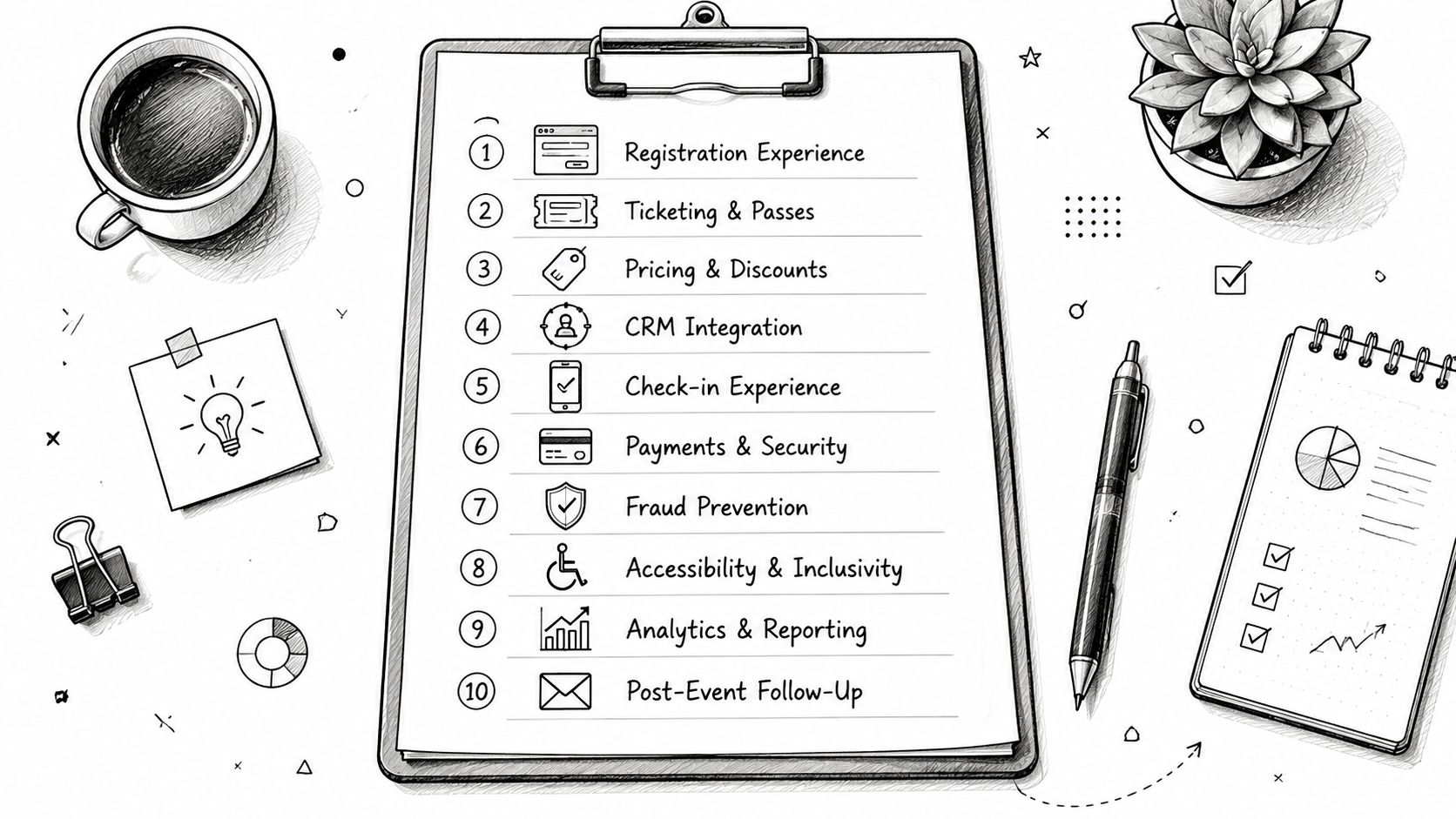
I use a simple planning checklist:
That last step gets skipped all the time. It is one of the main reasons event teams struggle to prove ROI later.
The highest-value conversations at a trade show are usually scheduled before anyone boards a plane. A Top 50 campaign gives sales and marketing one account list, one outreach plan, and one definition of success.
Start with the accounts you want in pipeline this quarter, not the accounts that happen to attend. Then map known contacts, likely attendees, open opportunities, customer status, and partner relevance. Outreach should answer three questions fast: why meet, who the meeting is for, and what the attendee will get from the time.
A workable timeline looks like this:
For companies using events to expand through partners or new territories, this guidance for international franchise development is a useful reference point for identifying high-value conversations before the show starts.
Sponsorship only helps lead generation when it gives attendees a reason to take the next step. Too many teams buy visibility and stop there.
Use your exhibitor profile, event app listing, sponsored placements, speaking slot, and email inventory to push one clear conversion action. Book a demo. Join a short consultation. Reserve a product walkthrough. Get a show-specific assessment.
The trade-off is straightforward. Broad exposure gets more views. Specific offers get better meetings.
If you are refining packages or exhibitor visibility, this guide to event sponsorship strategy is a useful reference for turning sponsor inventory into attendee action.
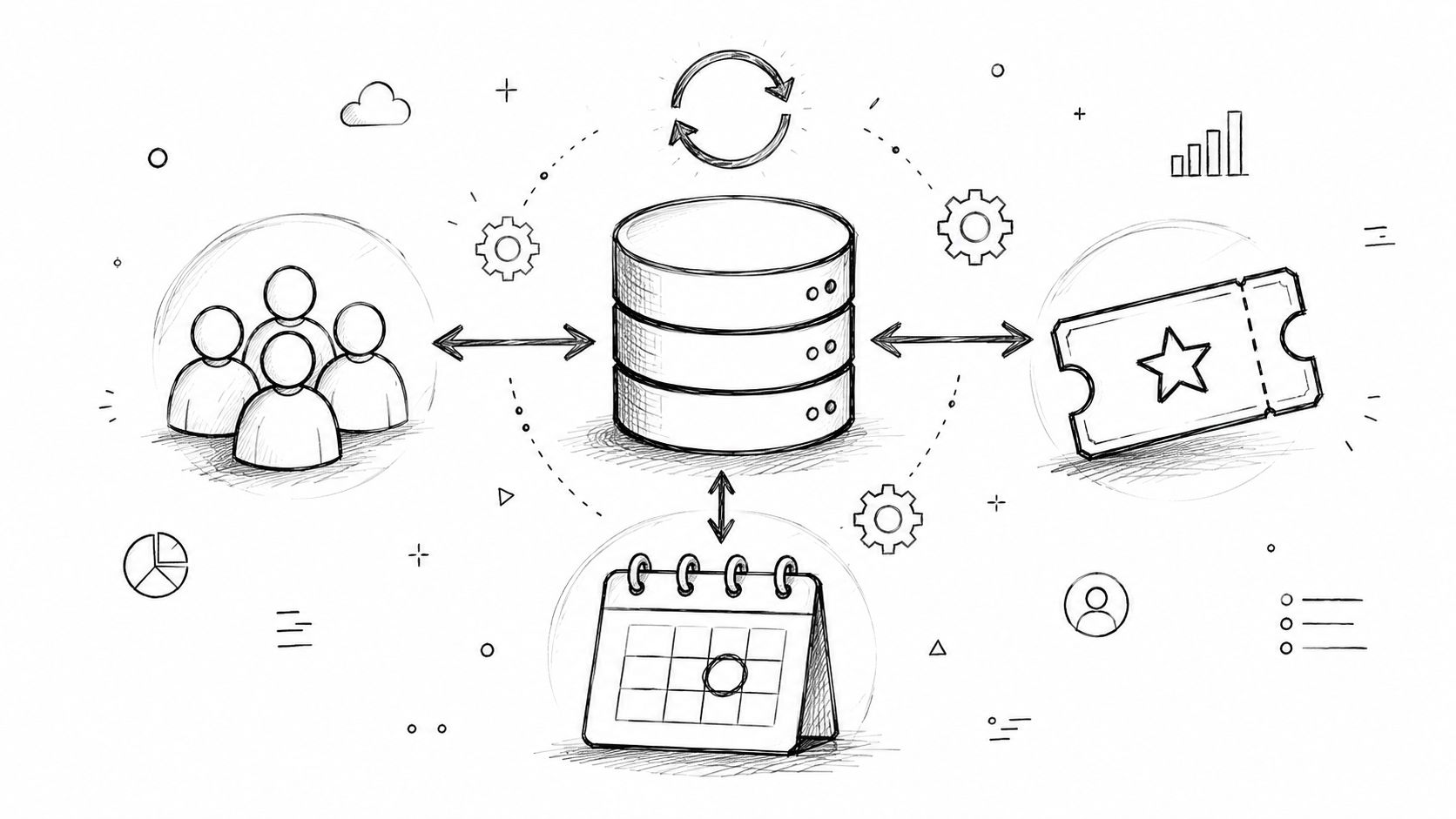
Pre-show strategy works best when the tech stack is connected early. Outreach, meeting booking, badge capture, qualification fields, CRM sync, and follow-up routing should be configured before the event starts. That preparation is what turns booth activity into attributable revenue instead of a messy spreadsheet project two weeks later.
A high-performing booth does one job well. It turns foot traffic into qualified conversations that can be tracked, routed, and followed up without cleanup later.
The weakest booths still rely on the same tired formula. A table blocks the entrance, staff stand behind it, a looping screen plays to nobody, and a giveaway bowl attracts people who will never buy. Attendees notice the brand, but they do not engage in a way that creates pipeline.

Booth design should support how buyers move, stop, ask questions, and advance to a next step. Good-looking structures matter, but revenue comes from layout decisions that reduce friction and give your team room to work.
The best layouts usually include four functional zones:
That structure helps in two ways. It raises engagement on the floor, and it makes the handoff to lead capture easier because staff know where each type of interaction should happen.
If you're reviewing layouts, traffic flow, and structural choices, examples from Exhibition Stand Design can help you think in terms of movement and engagement instead of just aesthetics.
Passive booths create passive leads. People scan signage, take a brochure, and disappear. The booth gets activity without getting buying context.
A stronger approach gives attendees something useful to do. Run a short diagnostic. Let them test a product workflow. Offer a live troubleshooting station. Host a tight five-minute consult tied to a specific use case. Each option creates a natural reason for staff to ask better questions and log better context.
Good booth interactions filter for intent. They also create cleaner downstream data because the activity itself reveals role, problem, and urgency before anyone reaches the scanner.
Cheap swag works against that goal. It brings in volume, but usually the wrong volume. Role-specific takeaways tied to a meaningful interaction perform better because they reward qualified participation instead of random stopping. Teams that want fresh ideas can review these practical trade show booth engagement ideas.
A booth should help attendees evaluate a problem, experience the solution, and commit to a next step your team can track.
Effective trade show staffing prioritizes conversation skills and quick qualification over deep product knowledge alone.
I have seen highly technical teams lose good opportunities because every answer became a ten-minute product lecture. I have also seen experienced event staff create far more pipeline by opening fast, identifying fit, and pulling in a product specialist only when the conversation earned it. The trade-off is real. Product depth matters, but only after the booth team confirms there is a reason to go deep.
Clear roles prevent crowding and missed opportunities:
Train the team on opening questions that produce useful information. "What brought you to the show?" usually gets vague small talk. "Are you trying to solve this problem this quarter, or are you comparing options for later?" gives your team a real starting point.
Energy management matters too. Long show days create sloppy conversations, weak notes, and missed follow-up commitments. Rotate breaks, review what worked at the end of each day, and adjust staffing based on traffic patterns. A booth experience only drives revenue when the interaction quality stays consistent from the first hour to the last.
Exhibitors lose revenue at the handoff point. A strong booth conversation means very little if the record sent to sales is just a badge scan and a vague note. By the time the team follows up, the prospect has visited ten other booths and your rep is guessing what mattered.
A workable lead capture process records contact details, buying context, and the agreed next step before the attendee walks away. That approach creates a sales-ready record instead of a name in a spreadsheet.

A badge scan tells you who stopped by. It does not tell sales what problem they raised, how serious the need is, or what should happen next.
Use a digital workflow that forces a few fields to be completed before the record is closed. QR check-ins, app forms, and tablet-based capture all work if they feed the same system and use the same field structure. If you are building that process, this guide to using QR codes for event lead capture workflows is a practical reference.
The minimum useful record includes:
Keep the form short. The goal is not perfect documentation. The goal is enough context for fast, specific follow-up and clean routing into CRM, nurture, or direct rep outreach.
To see the workflow in action, this walkthrough is a useful visual:
Qualification has to happen on-site. If the team waits until after the show, every lead starts to look the same.
That model is useful because it ties booth activity to follow-up ownership and timing, which is where trade show ROI usually breaks down.
| Lead Tier | On-Site Criteria | Immediate Action (In-App Tag) | Follow-Up Owner & Timeline |
|---|---|---|---|
| Hot | Requested a demo, discussed a specific project, or clearly met SQL-style buying signals | Tag as Hot Lead, add pain points and exact next step | Sales rep owns follow-up within 24 hours |
| Warm | Strong interest, relevant fit, good conversation, but no immediate buying action | Tag as Warm Lead, note topic and nurture angle | Marketing or SDR team starts targeted nurture after the show |
| Cool | Basic scan, limited conversation, low immediate intent | Tag as Cool Lead, capture source and broad interest area | Marketing adds to long-term campaign or newsletter flow |
Use direct questions that reveal urgency and ownership. Ask what they are trying to fix, whether the initiative is active, who else is involved, and what happens after the show. A rigid qualification script slows the interaction down. A short set of consistent questions gives you enough to score the lead and assign the right follow-up path.
Field note: If a rep cannot explain why a lead is Hot in one sentence, the record needs a lower tier or better notes.
The best booth notes are brief and specific.
A useful record has three parts:
Short notes usually perform better than polished summaries because they preserve what the buyer said. “Needs help with sponsor reporting. Comparing vendors this quarter. Send dashboard example.” gives a rep a real opening. A generic paragraph does not.
This is also where your event tech stack either holds together or starts creating cleanup work. GroupOS can route leads from event interactions into tagged channels, profiles, and follow-up paths while keeping exhibitor and sponsor activity tied to the event record. That matters for teams that need lead capture, communication, and member tracking connected instead of split across separate tools.
Some of the best conversations happen after a session, in a coffee line, or at a side event where buyers are less guarded and more candid. Those leads only count if they enter the same system with the same qualification standard.
Use the same mobile workflow for roaming staff that you use in the booth:
Roaming without standardized capture creates a second lead list and usually weakens attribution. Roaming with a shared workflow gives you more high-intent conversations and keeps post-show follow-up tied to the right source, owner, and revenue path.
Most trade show ROI dies after the show closes. Teams celebrate booth traffic, export a spreadsheet, fly home, and let follow-up drift. That delay costs deals.
PriceWeber cites CEIR data showing that 65% of leads generated at trade shows are not followed up effectively within a week. That isn't a minor inefficiency. It's the point where event spend stops behaving like pipeline creation and starts behaving like waste.

A trade show conversation feels memorable to your team because they had a hundred of them. To the attendee, your booth was one of many. If your follow-up lands late and generic, you force the prospect to reconstruct the conversation for you. Most won't bother.
The first follow-up should reflect what happened on-site:
That is why real-time qualification matters. Without it, personalization turns into guesswork.
Hot, Warm, and Cool leads should not enter the same queue.
Hot leads need a rep-owned follow-up with a clear reference to the event conversation and a direct next step. That usually means a personal email, a call, and a calendar invite if the next meeting was discussed.
Warm leads need relevant content and a reason to continue the conversation. That can be a recap email, a useful resource tied to their use case, and a softer call to action like a follow-up discussion.
Cool leads still matter, but they belong in a lower-pressure path. Keep them connected to the brand through educational content, updates, and future event invitations.
A simple operating model looks like this:
| Lead Type | First Touch | Core Message | Owner |
|---|---|---|---|
| Hot | Personal email and direct outreach | Reference the specific project, confirm next step | Sales |
| Warm | Targeted nurture email | Continue the conversation around the stated interest | Marketing or SDR |
| Cool | Broader post-show sequence | Stay visible without pushing too hard | Marketing |
The mistake isn't automation. The mistake is using automation to send the same email to everyone.
Your system should automate routing, task creation, segmentation, and reminders. It should not erase context. Reps still need to send messages that sound like a human who had the conversation.
Useful automations include:
For the message itself, keep it grounded. Mention the session, booth interaction, or problem discussed. Then make the next action easy. If you promised a demo, ask for the time. If you promised a resource, send it and explain why it's relevant.
A post-event thank-you sequence can also reinforce the relationship if it's done with context. This example set of after-event thank-you email ideas is helpful for shaping messages that don't read like a bulk send.
The fastest vendor doesn't always win. The fastest vendor with relevant follow-up usually does.
Sales teams stop trusting event leads when marketing hands over records with no context and no priority. Once that trust erodes, every future show gets judged harder.
The handoff standard should be simple:
If those elements aren't in place by the time the event closes, the problem isn't sales discipline. It's event operations.
Companies that treat trade shows as a scan count usually struggle to defend the spend. The teams that win budget track events like a revenue channel, with clear handoffs from targeting to capture to follow-up to closed revenue.
That changes the reporting conversation fast. Instead of arguing about foot traffic, you can show whether the event produced qualified pipeline, how quickly those deals moved, and which parts of your event system pulled their weight.
A useful event report follows the contact through each stage. Start with raw leads, but do not stop there. Track how many contacts became qualified, how many turned into sales-accepted leads, how much pipeline was created, and how much revenue was sourced or influenced by the event.
Use a KPI set that ties activity to business outcome:
That last metric matters more than many teams expect. A show may produce fewer total leads than another channel and still outperform if those accounts enter pipeline faster or close at a higher rate.
One event is rarely one channel. Booth walk-ups, pre-booked meetings, partner introductions, session conversations, and roaming outreach all behave differently. If they all get rolled into one event bucket, you lose the operating insight needed to improve the next show.
Use source labels such as:
Event tech proves its value. Your capture app, CRM, and marketing automation platform should pass the same source field all the way through to opportunity reporting. If that field breaks between systems, revenue attribution turns into guesswork.
Leadership does not need a long activity recap. Leadership needs a clear explanation of efficiency and return.
Show the trade-offs plainly. A show with lower lead volume can still be the better investment if it produced larger opportunities, stronger sales acceptance, or faster deal velocity. A polished booth can underperform a smaller setup if the staffing mix was wrong or the follow-up chain failed. A roaming team can outperform the booth team if they reached target accounts the booth never touched.
The point is to evaluate the full system. Pre-show targeting affects meeting quality. On-site workflow affects qualification quality. Post-show execution affects conversion. If one link underperforms, fix that link instead of writing off the event category.
Keep the reporting format consistent across events so trends are easy to spot. I like a scorecard that answers five questions:
That final question prevents shallow reporting. It forces the team to explain what drove the result, whether that was better meeting coverage, tighter qualification, stronger rep follow-up, or cleaner CRM attribution. Without that discipline, trade show ROI gets reported as a pile of numbers instead of a repeatable revenue model.
Start with the buyer journey, not the booth wishlist. If the booth looks polished but your team can't capture context or follow up cleanly, the spend is misallocated. Fund the basics of presence, then protect budget for staffing quality, lead capture workflow, and follow-up execution.
Skip the generic opener. Ask a question that reveals intent. Good examples focus on current priorities, active initiatives, or why the attendee stopped. The goal is to start qualification naturally, not launch into a pitch.
Use a backup process that doesn't rely on official badge systems. QR forms, mobile forms, and manual entry workflows work well if the fields are standardized. The important part is consistency. Your side-event leads should enter the same qualification and follow-up path as booth leads.
Rotate roles, schedule breaks, and keep the day structured. Fatigue hurts lead quality before it hurts lead volume. Short end-of-day debriefs help too. They surface better openers, common objections, and accounts worth prioritizing the next morning.
Don't start with a vanity number. Start with the quality threshold your sales team will respect. A smaller set of well-documented, well-routed leads is worth far more than a giant list with no context.
If you're trying to connect registrations, QR check-ins, exhibitor profiles, segmented follow-up, and post-event analytics in one workflow, GroupOS is worth evaluating. It gives event teams a single place to manage attendee data, sponsor visibility, communication, and lead tracking so trade show follow-up doesn't end in spreadsheets and disconnected tools.