December 19, 2025
Every great event I've ever been a part of started long before the doors opened. The secret isn't in the fancy catering or the high-tech stage setup; it's in the quiet, strategic work done upfront. A solid foundation—built on clear goals, a specific audience, and a smart budget—is what separates a forgettable gathering from a landmark occasion for your community.
Before you even think about booking a venue or designing a logo, you have to nail down the fundamentals. This is the unglamorous but absolutely essential phase where you define the why behind your event. Getting this right ensures every decision you make later on—from marketing copy to session topics—serves a real purpose for your association and its members. Skip this, and you risk an event that feels disjointed and fails to deliver any meaningful return.
There's no denying the power of events. The industry is on a massive upward swing, projected to grow from around $1.4 trillion in 2024 to an incredible $2.5 trillion by the early 2030s. This isn't just random growth; it reflects a core truth. Organizations know that bringing people together works. In fact, 66% of organizations are planning to host more events in 2025, which tells you just how vital they are for building community and driving growth.
So, what's the point of your event? Seriously. "Brand awareness" is not an answer. You need to get specific and set goals you can actually measure. These objectives should tie directly back to the bigger mission of your professional association or community.
Here are a few concrete examples of what a strong objective looks like:
Your top one or two objectives are your North Star. Every time you have to make a choice, you'll ask, "Does this help us achieve our primary goal?" It simplifies everything.
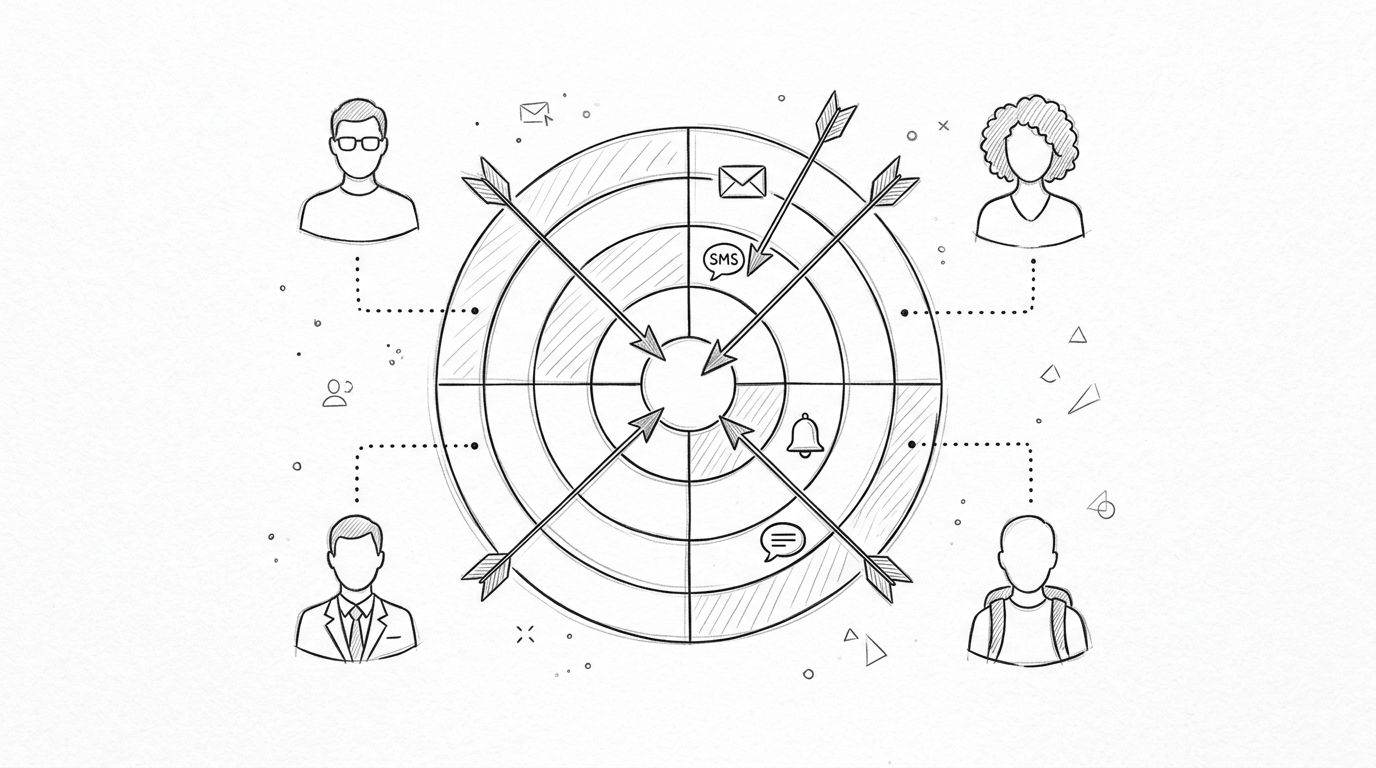
Once you know your "why," it's time to figure out your "who." And "professionals in my industry" is way too broad. To create an event people are genuinely excited to attend, you have to know exactly who you're talking to.
Think like a novelist and create a detailed persona of your ideal attendee. What's their job title? What keeps them up at night? What skills are they trying to build? What makes them decide to spend a day away from the office?
For example, an event for senior-level executives looks completely different from one for early-career professionals. Executives want high-level networking and strategic, big-picture ideas. Newer professionals are probably looking for hands-on workshops and mentorship. This understanding shapes your marketing, your ticket price, your speaker lineup—everything. To go deeper on this, check out our guide on how to build a complete event plan.
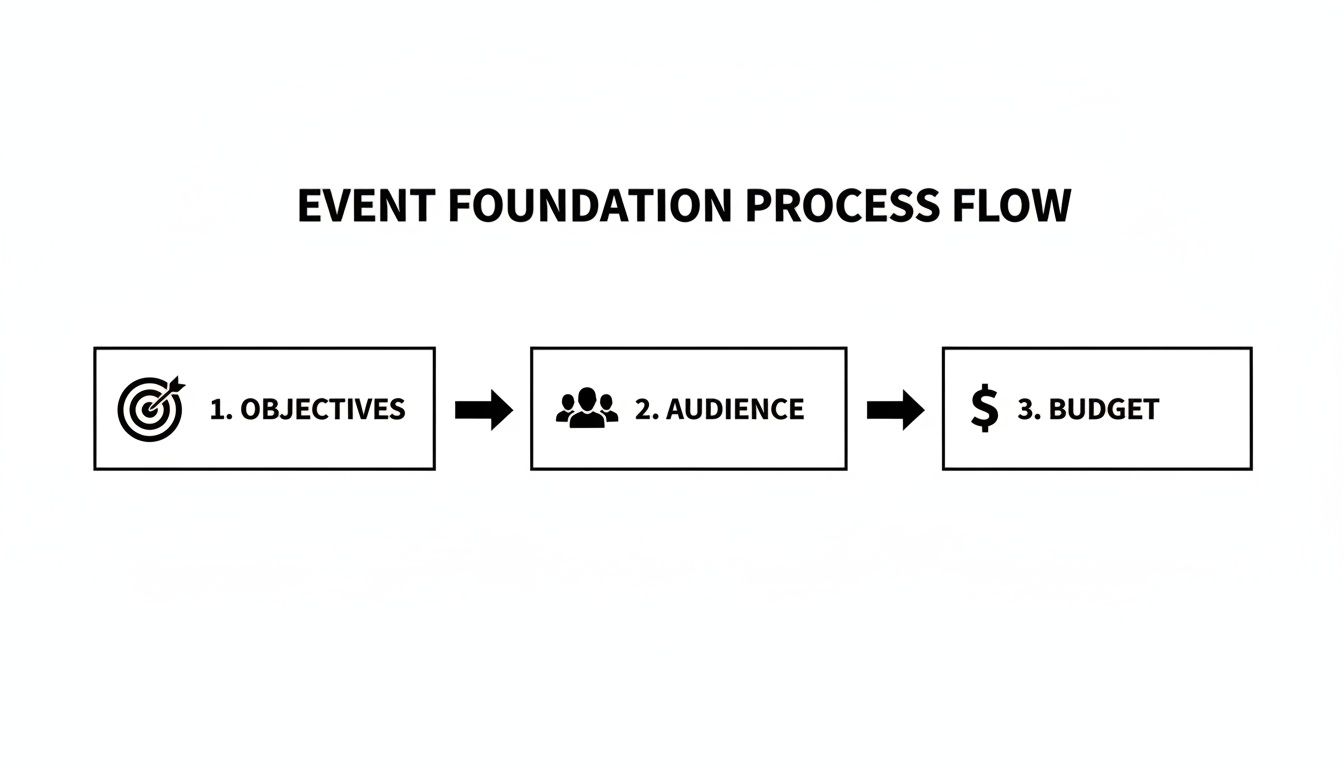
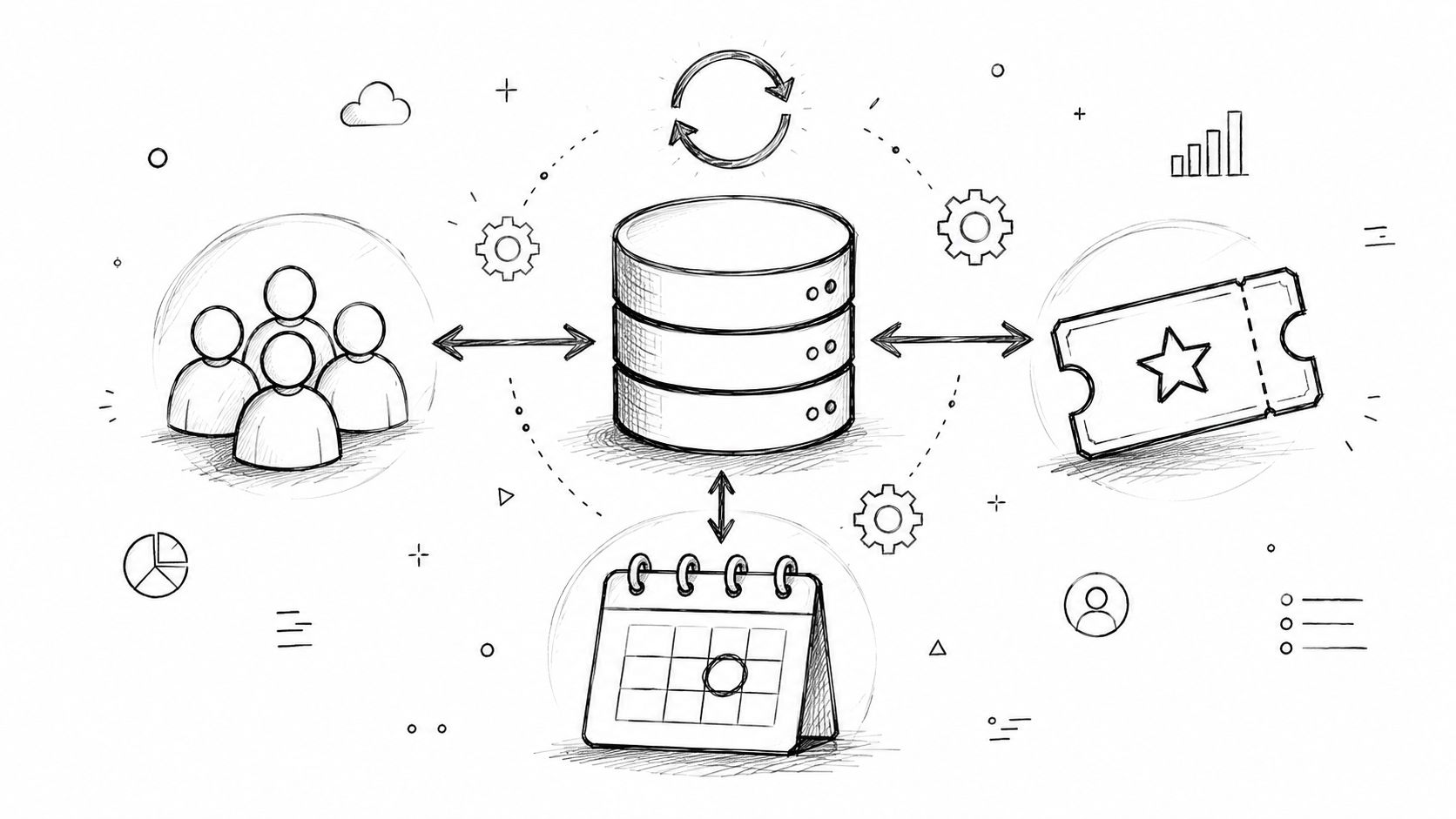
This simple flow shows how these three pillars—objectives, audience, and budget—build on one another. Get them right, and you've created a stable strategy for success.
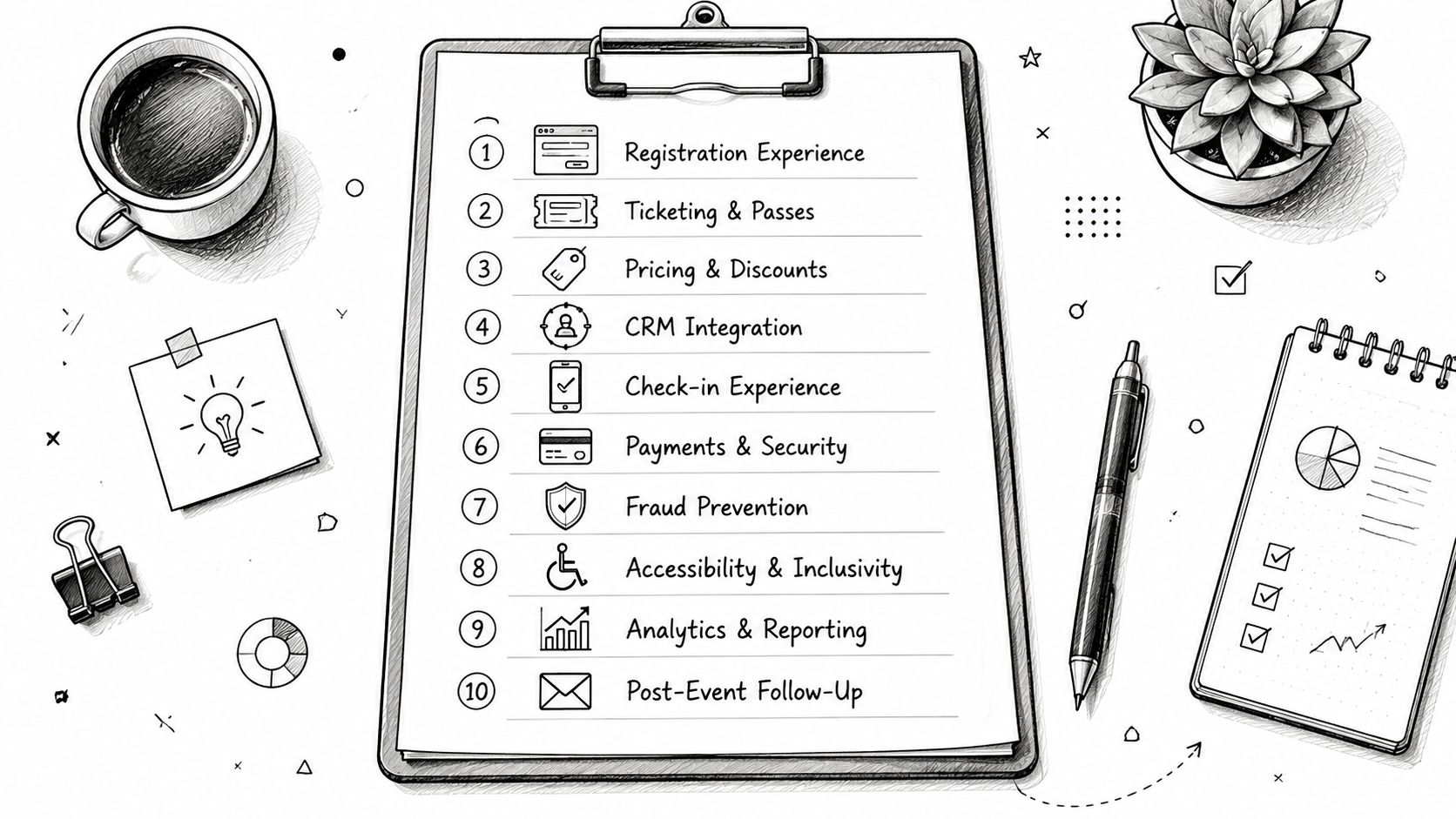
Before you get lost in the weeds of planning, run through this quick checklist. It helps ensure you've covered the absolute essentials first.
Nailing these four areas gives you the clarity and direction needed to move forward with confidence.
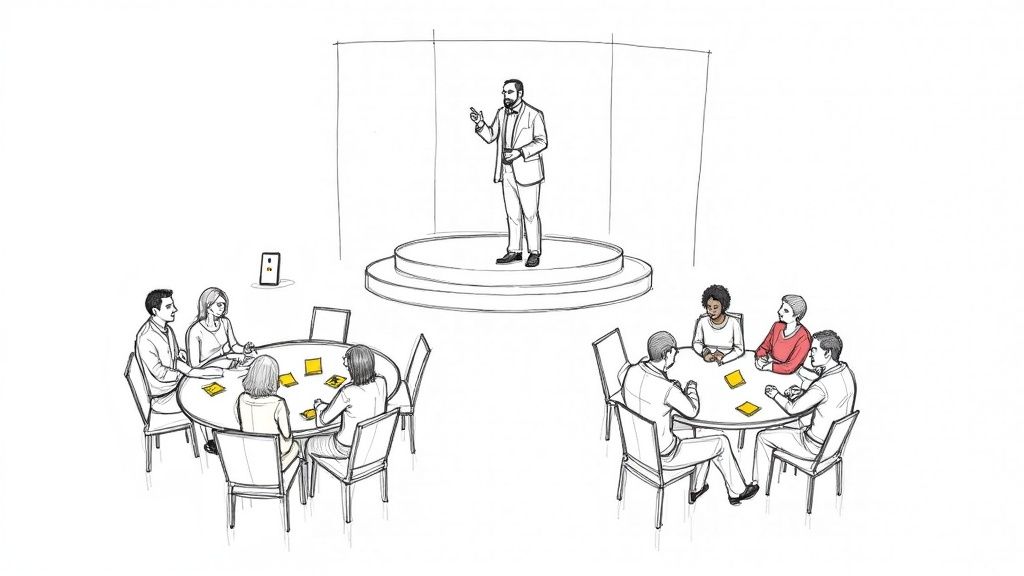
With the planning foundation laid, it’s time to shift your focus to what your attendees will actually see, feel, and do. A truly great event experience doesn’t happen by accident—it’s intentionally designed. This is where you transform your goals into tangible, engaging moments that stick with your community long after the day is over.
It all starts with picking the right event format. This decision needs to line up perfectly with what you want to achieve and what your audience expects. For deep learning and networking, a multi-day conference with breakout sessions is a classic for a reason. But for practical skill-building, a single-day, hands-on workshop might be far more effective. Virtual summits can cast a wide net, while an intimate, members-only roundtable is brilliant for forging genuine connections.
The format you choose dictates the entire vibe and flow of the event. Think about the energy you want to create and the outcomes you’re aiming for.
No matter the format, flawless technical execution is non-negotiable. An unforgettable experience often comes down to the details, and that includes choosing the right audio visual equipment to make your presentations pop and set the right mood.
Your agenda is the heart of your event. I’ve seen it a hundred times: a boring or poorly paced schedule is the fastest way to lose an audience. The trick is to build a narrative arc for the day, mixing up content styles and energy levels to keep people locked in.
Kick things off with a high-impact keynote to set the tone and build excitement. From there, move into more focused breakout sessions that let attendees choose their own adventure based on their interests. And please, build in plenty of time for people to just talk. Back-to-back sessions with no breaks are a recipe for burnout and missed connections.
A well-crafted agenda isn't just a list of times and topics. It’s a journey you guide your attendees on, with peaks of excitement, moments of reflection, and ample opportunity for connection. Think of it as storytelling.
For instance, a conference for community managers could start with an industry leader talking about the future of online communities. Next, offer breakout tracks on "Monetization Strategies" or "Hybrid Event Engagement." End the day with a collaborative "unconference" session where attendees themselves pitch and lead discussions. It's empowering and highly relevant.
Modern event tech does so much more than just manage logistics; it actively shapes the attendee's journey right from the start.
Look at your registration process. With a platform like GroupOS, you can create a branded, simple registration page. Instead of a bland form, you can get creative with tiered ticketing. Think early bird discounts, member-exclusive pricing, or VIP packages. These aren't just pricing strategies; they drive urgency and make your attendees feel valued from their very first interaction.
Beyond registration, technology is your best friend for building a sense of community before anyone even walks through the door.
When you turn registration and pre-event communication into engaging touchpoints, you're not just selling a ticket—you're inviting people into an experience. This is a core part of experiential marketing, and it’s a powerful way to build genuine loyalty. To dig deeper, check out our guide on experiential marketing and events. This early engagement sets the stage for a much more connected and memorable day.
You can design the most incredible, life-changing event agenda, but none of it matters if the seats are empty. Marketing is what bridges your great idea with a room full of engaged people. This isn’t about just blasting out emails; it’s about crafting a compelling story and getting it in front of the right audience at exactly the right time.
Let's be honest, filling those seats is a real challenge. Attendee acquisition remains a top concern for organizers year after year. In fact, 21% of event professionals flagged getting the right attendees in the door as their biggest hurdle for 2025. This isn't just a marketing problem—it's an operational one that requires a smart, multi-channel plan.
Think of your registration page as the single most critical piece of your marketing puzzle. It’s the final step where interest becomes commitment. A clunky, confusing, or generic page will absolutely kill your conversion rates.
Using a platform like GroupOS, you can build a slick, branded page that does more than just collect names. This is your chance to strategically nudge people to action.
Your registration page is your event's digital storefront. It has to look good, be dead simple to use, and persuade people to click "buy."
You can't just promote your event for a week and expect a sell-out. Great promotion is a sustained campaign that builds momentum over time. A scattered, "post-when-you-remember" approach just won't cut it. You need a coordinated timeline.
For a typical mid-sized event, the promotion cycle should look something like this:
This structured approach creates a steady drumbeat of communication that keeps your event top-of-mind without annoying your audience. For a deeper dive, our complete guide on event marketing strategies has even more tactical timelines.
Your greatest marketing asset isn't your budget; it's your existing community. Stop talking at them and start empowering them to become your event's biggest champions.
Your most engaged members are your best evangelists. Give them the tools and the incentive to spread the word, and they will fill seats for you. It’s the most authentic marketing you can get.
Put together a simple "ambassador kit" for your speakers, sponsors, and die-hard members. It can include pre-written social media posts, custom graphics, and maybe even a unique discount code they can share with their networks. You're making it effortless for them to help you out.
At the same time, don't forget your sponsor and partner networks. Their endorsement adds instant credibility, and their reach often extends far beyond your own. Make co-promotion a required, clearly defined part of your sponsorship packages. It’s a true win-win: they get valuable exposure, and you get access to a highly relevant, pre-qualified audience.
To really cut through the noise, especially on social media, video is your best friend. A well-produced event trailer or a few clips from your speakers can bring your event to life in a way text and static images just can't. If you're new to video, check out this practical guide on marketing with video for business growth. Combining these strategies will help you move from simply announcing an event to building genuine excitement that gets people to register.
It’s here. All the planning, the spreadsheets, and the late nights have led to this moment. On the day of your event, success comes down to how well you can execute in real-time. To your attendees, a great event feels effortless. But we know the truth—behind the curtain, it’s a carefully choreographed dance of final checks and a team that’s ready for anything.
Your day starts long before the first guest walks in. Kick things off with a comprehensive team briefing. This is more than just a quick pep talk; it’s your final chance to get everyone on the same page. Run through the day's schedule, clarify everyone's roles, and go over the contingency plans. Who handles a speaker that's running late? Where’s the first-aid kit? Who is the point person for vendor questions? Answering these now prevents small hiccups from turning into full-blown crises later.
Before you even think about opening the doors, do a full walkthrough of the venue. I mean, check everything. Look at the registration desk setup, the branding, and the A/V in every single breakout room. This is also when you do your final, and most critical, tech rehearsal.
Trust me, this final run-through is your best defense against those last-minute technical glitches that can sour the experience for everyone.
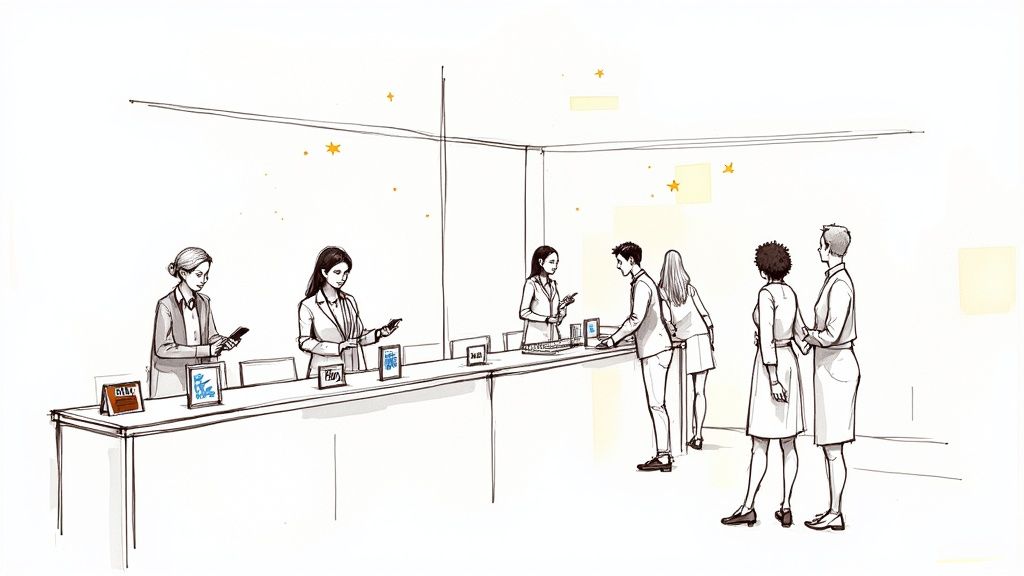
The first impression of your event happens at the check-in desk. A long, slow-moving line is an instant energy killer. Your goal should be simple: get people through the door and into the action as quickly and painlessly as possible. This is where modern tools are a total game-changer.
Using a feature like GroupOS's QR code check-in transforms this entire process. As soon as an attendee registers, they get a unique QR code. On event day, your team simply scans it with a phone or tablet, and boom—they’re in. It completely eliminates fumbling with printed lists and speeds up the whole flow.
The check-in process sets the tone for the entire event. A fast, tech-enabled entry tells your attendees that you value their time and have planned a professional, modern experience.
This approach is the key to managing a seamless entry, even when a big crowd shows up all at once.
Of course, flow doesn't stop at the front door. Use clear, impossible-to-miss signage to guide people to session rooms, restrooms, and networking areas. And position your staff or volunteers at key intersections to answer questions. A little proactive guidance goes a long way in preventing confusion and keeping the event’s energy positive.
When you're running a hybrid event, success means making your online audience feel just as included as the people in the room. They aren't just passively watching a video; they are active participants who paid for an experience.
This requires a dedicated strategy. Assign a team member to be the "Virtual Host." This person's only job is to live in the chat, engaging with the online audience. They should be welcoming people by name, running polls just for the virtual crowd, and feeding their questions to the live speaker. This one role makes a massive difference, making the remote audience feel seen and heard. By intentionally bridging that gap, you ensure everyone walks away feeling like a valued part of the community.
The moment the last attendee walks out the door, a whole new phase of your event kicks off. The real magic isn't just in the experience you delivered; it's in the data you've collected and the relationships you've started to build. This final stage is all about converting that event-day buzz into measurable, long-term growth for your community.
Don't think of the event's end as the finish line. See it as the starting block for your next strategic move, where you prove your event's value and nurture the connections you worked so hard to make.
While the event is still fresh in everyone's mind, you need to capture honest feedback. A well-timed post-event survey is your best friend here. But don't just ask, "Did you have a good time?" To get insights that actually shape your future plans, you have to dig a little deeper.
Focus your questions on specific, tangible areas:
Keep your surveys brief and get them out the door within 24 hours of the event's close to get the best response rate. That feedback is absolute gold for planning your next gathering.
It's time to come full circle and look back at the goals you set way back in the planning stage. This is where you connect the dots between your event's activities and real-world results. Using the analytics dashboard in a platform like GroupOS, you can pull the hard numbers and see what really happened.
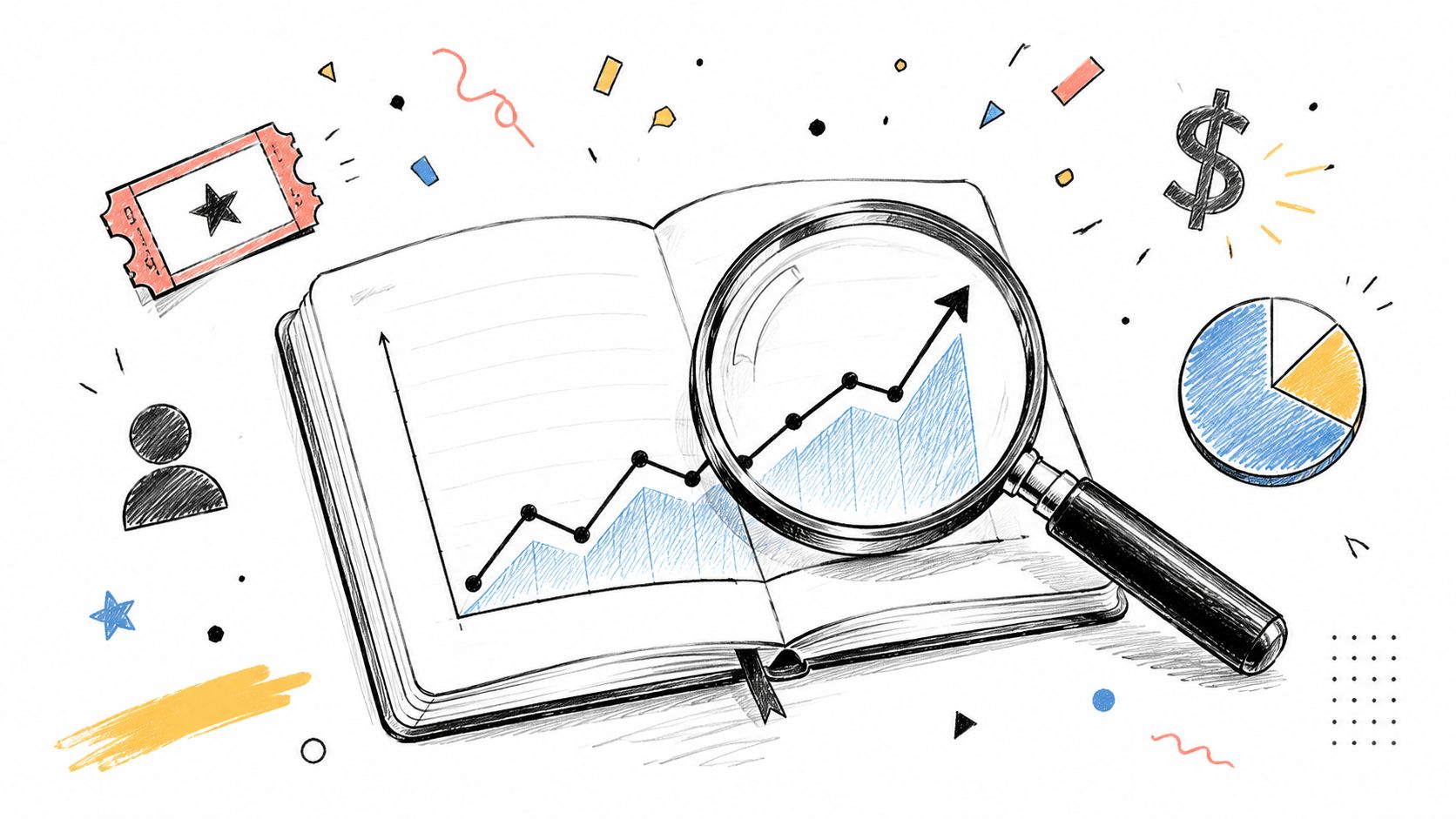
Look past the vanity metrics. The data tells a story.
Your event analytics aren't just a report card; they're a roadmap. They show you what worked, what flopped, and where your biggest opportunities are for next time.
For example, did you see a massive drop-off in attendance for the afternoon sessions? Maybe the day was too long. Was one breakout session standing-room-only? That’s a loud-and-clear signal that you've hit on a hot topic for future content.
Key metrics to dig into include:
Putting this information together is crucial for proving your event’s success. For a more detailed framework, check out our guide on measuring event ROI. It provides practical steps for turning these data points into a powerful business case.
The single biggest mistake you can make after an event is letting all that great energy fizzle out. A one-off gathering is a missed opportunity. Your real goal is to turn it into a lasting relationship with your community, and that takes a smart post-event communication plan.
Start by sharing high-value content. Send a thank-you email that includes links to session recordings, presentation slides, and a gallery of event photos. This gives people something useful right away and keeps the conversation alive.
Next, get personal. Use the data you gathered to segment your follow-up communications. Did a specific group of attendees show a ton of interest in one topic? Create a dedicated email just for them, maybe inviting them to a follow-up webinar on that subject. This kind of personalized outreach shows you were paying attention and makes your members feel seen and valued, transforming a single event into a powerful, ongoing engine for community building.
Even the most seasoned event planners hit a few bumps in the road. It’s just part of the process. Having a few go-to answers for those common "what if" moments can make all the difference, turning potential panic into confident problem-solving.
Let's walk through some of the questions we hear most often, from nailing your timeline to keeping a virtual audience from tuning out.
Honestly, this depends entirely on the size of your event. There isn't a magic number, but there are some solid rules of thumb that will save you from a world of last-minute stress.
Think about it this way: the more moving parts you have, the more lead time you need.
For a big annual conference with 200+ attendees, you absolutely need to be thinking 9-12 months ahead. High-demand speakers and the perfect venue get booked up incredibly fast, and you don’t want to be left scrambling for second-best options.
If you’re planning a mid-sized regional workshop or a company summit for 50-200 people, a 4-6 month runway usually works great. This gives you plenty of time to build marketing buzz and negotiate with vendors without feeling rushed. For smaller, more intimate gatherings like a local meetup or a webinar, you can often pull it all together in just 1-2 months.
Pro Tip: Figure out your non-negotiables first. For most, that’s the venue and the keynote speaker. Once those two pillars are locked in, everything else—from catering to marketing emails—can be built around them.
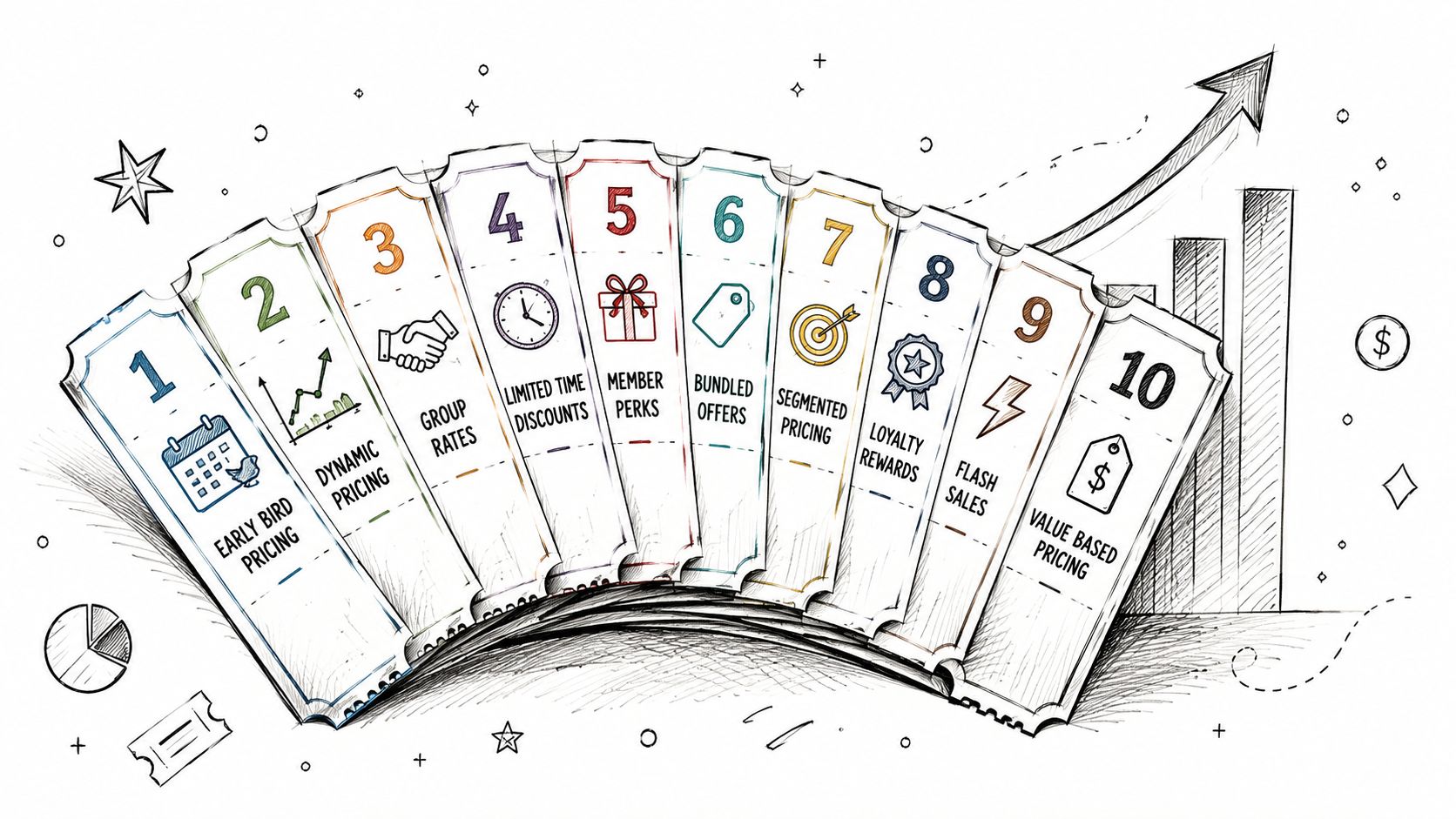
Pricing tickets feels more like an art than a science, but a strategic approach can get you pretty close to perfect. You're trying to cover costs, show value, and maybe even turn a profit, all while making the price feel right to your audience.
First, do the math. Add up all your projected costs to figure out your break-even point for each attendee. That’s your floor—the absolute minimum you need to charge to not lose money. Then, take a look at what similar events are charging. You need to know the market rate to position yourself competitively.
Once you have those numbers, create a few pricing tiers to drive action:
And for any professional association, a deep discount for members is non-negotiable. It's one of the best perks you can offer and can be the final nudge someone needs to finally join your community.
This is the million-dollar question. The secret to a great hybrid event is making your remote attendees feel like they're in the room, not just watching a livestream. You have to be intentional about bridging the physical and digital divide.
The single most effective thing you can do is assign a dedicated online host. This person isn't the AV tech; their only job is to be the champion for the virtual audience. They should be welcoming people in the chat, running online-only polls, and feeding questions from the remote attendees directly to the live speaker.
Use tech that lets everyone play in the same sandbox. An event platform with integrated Q&A and polling tools means both audiences can interact together. Coach your speakers to look at the camera and address the online audience by name. Little things, like creating a virtual "backstage pass" or a quick Q&A with a speaker just for the remote crowd, can also add a ton of value and make them feel truly included.
Ready to make your next event a massive success without all the usual headaches? GroupOS brings everything you need—from easy registration and ticketing to powerful member engagement tools and post-event analytics—under one roof. Start your free trial with GroupOS today and see how simple it can be.