March 3, 2026
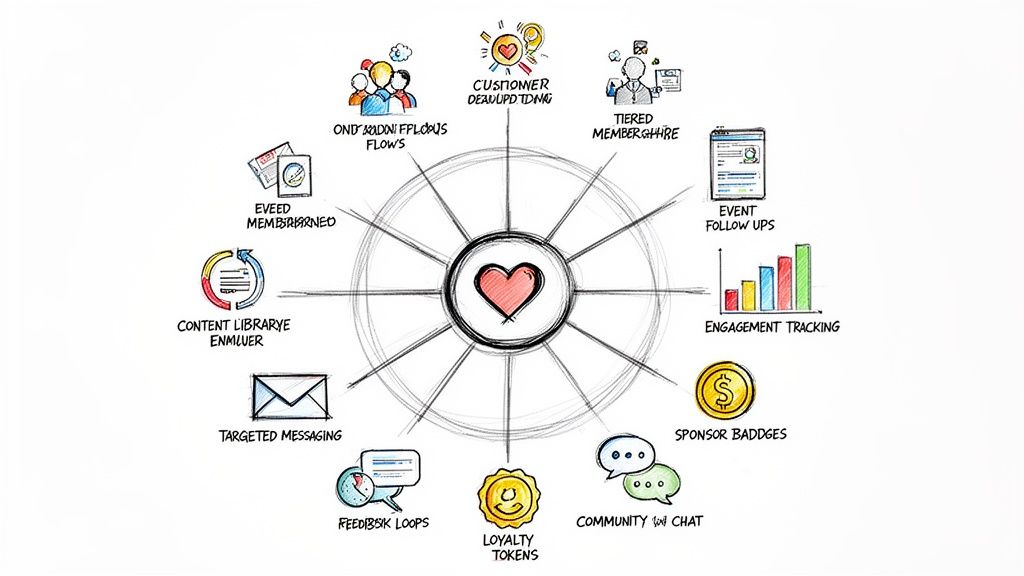
In the world of community and membership management, acquiring new members often takes center stage. But the true engine of sustainable growth lies in keeping the members you already have. Studies consistently show that increasing customer retention by just 5% can boost profits by 25% to 95%. This isn't just about reducing churn; it's about building a loyal, engaged base that provides predictable revenue, valuable feedback, and powerful word-of-mouth marketing.
The challenge, however, is moving beyond generic advice to implement concrete, repeatable systems for improving customer retention. This article provides a definitive roundup of 10 proven strategies that professional networks and organizations can implement today. We will go beyond the 'what' and dive deep into the 'how,' providing step-by-step guidance, key performance indicators (KPIs) to measure success, and practical examples of how to execute each tactic using a community platform.
Ultimately, the success of a retention-first strategy can be measured by how effectively you can learn how to increase customer lifetime value through actionable strategies. This guide offers a clear playbook covering everything from personalized member engagement and data-driven analytics to strategic event programming and exceptional onboarding. By the end, you will have a set of actionable plans to transform your member experience, foster deep loyalty, and turn retention into your most powerful growth lever.
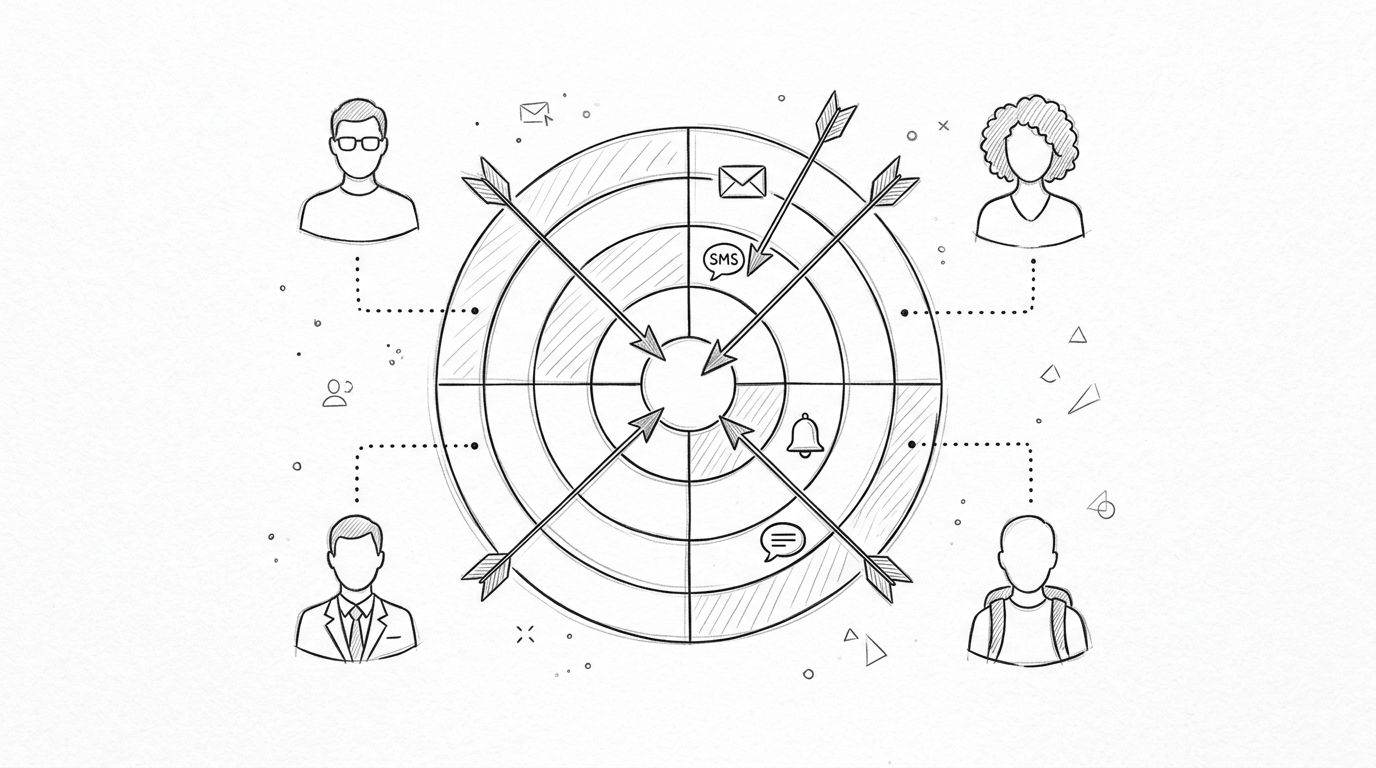
A one-size-fits-all approach to communication is a direct path to member disengagement. Personalized engagement involves segmenting your audience and customizing the content, messages, and experiences you deliver based on their unique profiles, interests, and past behaviors. This data-driven strategy makes members feel seen and understood, which is foundational for improving customer retention.
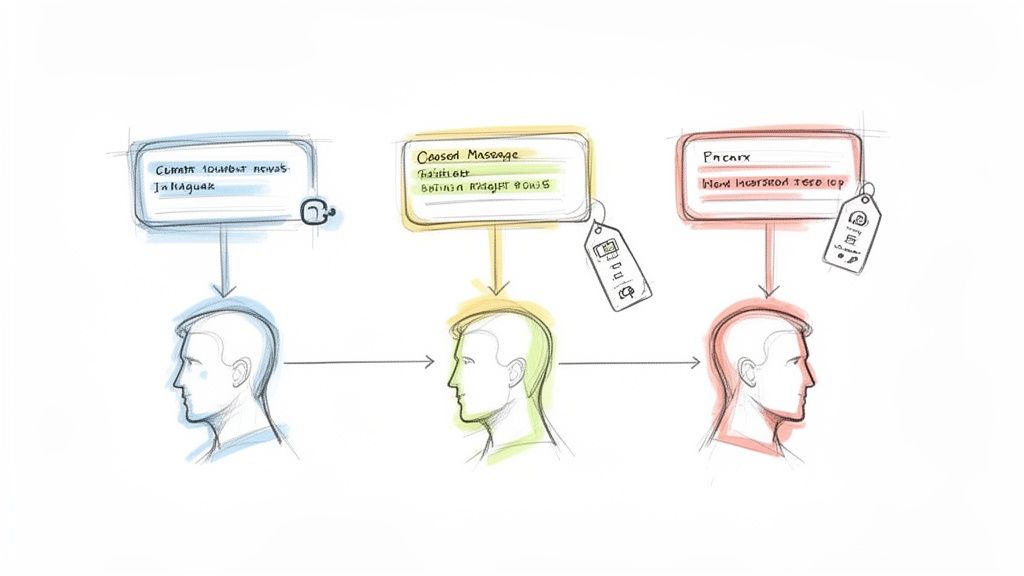
By moving beyond generic broadcasts, you show members that you value their specific needs. For instance, instead of sending a general event announcement to everyone, you can send targeted invitations to members who have attended similar events or whose job titles suggest a strong interest in the topic. This relevance dramatically increases the likelihood of a positive response.
Personalization directly counters member churn by making your community indispensable. When members consistently receive relevant information, event recommendations, and networking opportunities, they perceive greater value in their membership. This positive feedback loop strengthens their connection to your organization and makes them less likely to leave. LinkedIn excels at this, showing users content and job openings based on their industry and role, making the platform a daily necessity for professional growth.
Key Takeaway: Members who feel personally valued and understood are far more likely to remain loyal. Segmentation transforms your communication from noise into a valued resource.
For a deeper dive into creating effective member groups, you can explore various customer segmentation models and find the best fit for your organization.
Structured reward systems create a powerful incentive for members to stay active and engaged. By implementing loyalty programs, you recognize and reward continued participation with tangible benefits like points, exclusive access, or achievement badges. This strategy transforms membership from a simple transaction into a rewarding journey, making members feel valued and encouraging long-term commitment.
These systems make the value of continued engagement visible and attainable. For example, professional associations can offer "Fellow" status to long-standing, high-contributing members, while a brand community like Starbucks Rewards provides tiered benefits that unlock as customers make more purchases. This clear path to advancement is a strong motivator for improving customer retention.
Recognition and rewards tap into the basic human desire for appreciation and status. When members see a clear path to earning exclusive benefits or public acknowledgment, they become more invested in participating. This gamification of engagement makes interacting with your community feel more compelling and less like an obligation. It builds a reciprocal relationship; as members contribute more, they receive more, strengthening their loyalty. The AWS Partner Network effectively uses this model, granting partners access to more resources and co-marketing opportunities as they advance through tiers, directly tying engagement to business growth.
Key Takeaway: A well-designed loyalty program makes members feel appreciated and gives them a clear reason to deepen their involvement, turning passive users into active advocates.
For more ideas on how to build a program that sticks, you can explore additional membership retention strategies and find what resonates with your audience.
An information vacuum is one of the quickest ways to create member dissatisfaction and churn. Proactive communication builds trust by keeping your members informed about organizational decisions, upcoming changes, and community news. This transparency makes members feel like valued insiders rather than passive subscribers, which is a key factor in improving customer retention.
When members understand the "why" behind your actions, they are more likely to support them, even if they don't agree with every detail. Regular, authentic updates prevent speculation and ensure everyone is aligned with the community's direction. For example, professional association leadership can hold regular town halls to discuss strategy and answer member questions, making the organization's mission a shared one.
Consistent and transparent communication fosters a strong sense of belonging and trust. When members feel they are part of the conversation and their feedback is heard, they become more invested in the community's success. This authentic connection transforms a simple membership into a genuine partnership, making it much harder for them to leave. Basecamp famously exemplifies this, with its founders often communicating their business philosophy and decisions, which builds a loyal following that identifies with their values.
Key Takeaway: Trust is the foundation of loyalty. By communicating openly about both successes and challenges, you build an authentic relationship that members will want to preserve.
The first few interactions a new member has with your community set the tone for their entire journey. Exceptional onboarding is a guided experience that helps new members quickly understand your platform's value and start achieving their goals. A strong start dramatically reduces early churn by ensuring members see tangible benefits almost immediately, which is a key factor in improving customer retention.
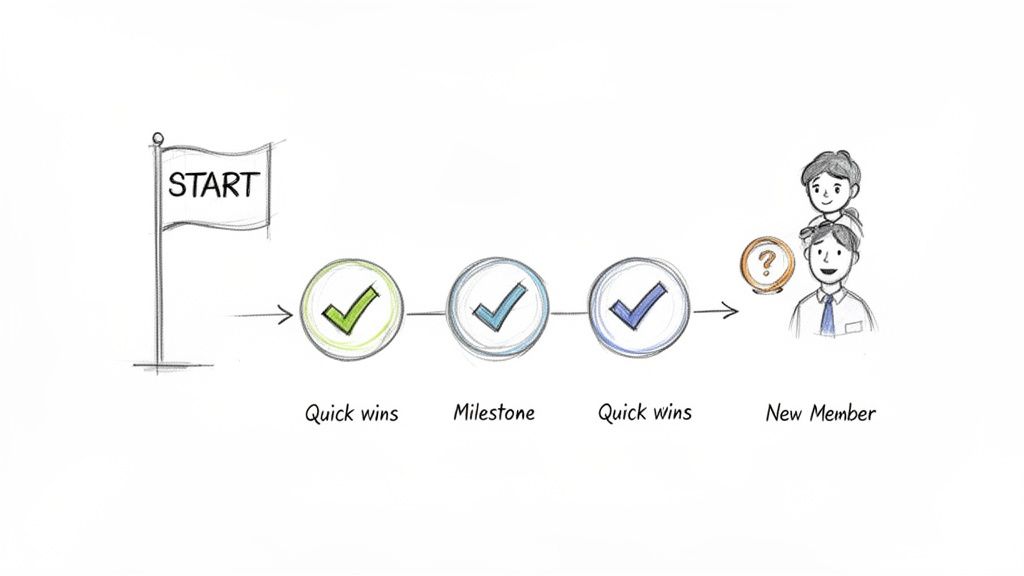
Instead of leaving new members to find their own way, a structured process shows them exactly where to go and what to do first. Think of Slack's proactive bot guidance, which teaches users key features organically, or Notion's template gallery, which provides immediate, practical use cases. This approach transforms a potentially overwhelming first impression into a moment of "Aha!" where value becomes clear.
Effective onboarding demonstrates value before a member ever questions their decision to join. When they achieve a "quick win" - like connecting with a relevant peer, finding a helpful resource, or registering for their first event - they build momentum. This initial positive experience confirms their investment was a good one, making them more likely to integrate into the community and less likely to become inactive. An exceptional start is foundational for long-term loyalty, highlighting the importance of implementing robust customer onboarding best practices.
Key Takeaway: The faster a member experiences a personal win, the more invested they become. Onboarding is your first and best chance to prove your community's value.
Merely hosting events and publishing content is not enough; the key to retention lies in intentional curation. Strategic programming means designing and scheduling events and content that directly align with member interests, career development needs, and overarching community goals. This consistent delivery of high-quality, relevant experiences provides clear, recurring reasons for members to maintain their subscription and deepens their connection to the community.
This approach transforms your organization from a simple membership into an essential part of a member's professional life. For instance, industry giants like Salesforce with its Dreamforce conference and AWS with re:Invent create anchor events that are supplemented by monthly webinars and local meetups. This creates a steady drumbeat of engagement that keeps their communities active and loyal year-round, significantly improving customer retention.
Consistent, valuable programming makes membership indispensable. When members can rely on your organization for timely industry insights, crucial skill development, and powerful networking opportunities, the value of their subscription becomes undeniable. This regular cadence of value reinforces their decision to join and makes renewal a foregone conclusion. It shifts the perception of membership from a discretionary expense to a necessary career investment.
Key Takeaway: A well-planned calendar of events and content provides a tangible roadmap of value for the year ahead, giving members compelling reasons to stay engaged and renew.
Reactive support, which only responds when a member has a problem, is a recipe for churn. A proactive Member Success Management model flips this script by assigning clear accountability for ensuring members achieve their desired outcomes. This approach involves monitoring member health, identifying risks, and intervening before small issues become reasons to leave.
By appointing dedicated success managers, you create a direct line for guidance and value reinforcement. For example, a professional association could assign an account manager to each corporate sponsor to help them maximize their ROI. Similarly, software companies like Salesforce have built entire customer success organizations dedicated to helping clients get the most out of their investment, a key factor in improving customer retention.
Member success management makes your organization a true partner in a member's journey, not just a service provider. When members have a dedicated advocate who understands their goals, tracks their progress, and celebrates their wins, their connection to the community deepens significantly. This proactive guidance ensures they are constantly realizing the value of their membership, making it an indispensable part of their professional or personal life. It shifts the relationship from transactional to relational.
Key Takeaway: A proactive success model proves you are invested in your members' outcomes, not just their renewal fees. This partnership approach is a powerful defense against churn.
Transactional value is often not enough to keep members long-term. Building a true community involves facilitating meaningful relationships between members, creating a sense of belonging that transcends your product or service. When members form strong peer networks, the emotional cost of leaving becomes much higher, directly improving customer retention by embedding your organization into their professional lives.
This approach transforms your organization from a simple resource into a vital hub for connection and mutual support. GitHub’s open-source communities are a prime example; developers contribute and collaborate not just for the code, but for the shared identity and peer recognition. Similarly, professional associations thrive when their local chapters and special interest groups foster genuine bonds among members.
A strong community creates a powerful "stickiness" factor. When members build relationships, find mentors, and collaborate with peers, their membership value is amplified by the network they've built. The thought of losing access to this network becomes a significant deterrent to churn. This emotional connection provides a durable competitive advantage that is difficult for others to replicate, as the value is generated by the members themselves.
Key Takeaway: Members who find a sense of belonging and build valuable professional relationships are less likely to leave. A strong community turns a membership into an identity.
For additional ideas on fostering member-to-member interaction, you can explore these proven community building strategies and adapt them to your organization.
Waiting for members to cancel their subscriptions is a reactive approach that costs you valuable relationships. A proactive strategy involves using data analytics to identify churn risk factors, predict which members are likely to leave, and intervene before they become disengaged. This allows you to focus retention efforts on at-risk accounts for maximum impact on improving customer retention.
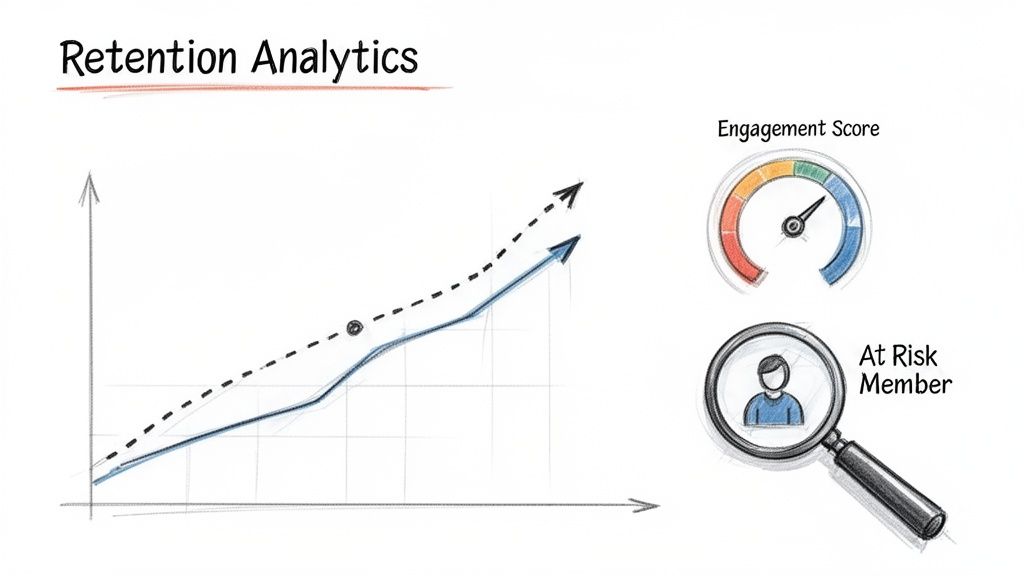
Think of it as a health monitoring system for your community. By tracking key behavioral indicators, you can spot early signs of disengagement just as a doctor spots symptoms of an illness. For instance, a sudden drop in a member’s login frequency, event attendance, or content interaction can be a leading indicator of churn, giving you a window to act.
Predictive analytics moves retention from guesswork to a data-backed science. It enables you to identify and support struggling members before they decide to leave, significantly reducing churn. When an intervention is timely and relevant, such as a personal check-in or an invitation to a highly relevant event, it can re-engage the member and reinforce the value of their membership. Netflix famously uses sophisticated models to predict churn and deploy personalized retention campaigns to keep subscribers on its platform.
Key Takeaway: Data provides the foresight to act. By identifying at-risk members early, you can deploy targeted interventions that address their specific issues and prevent churn.
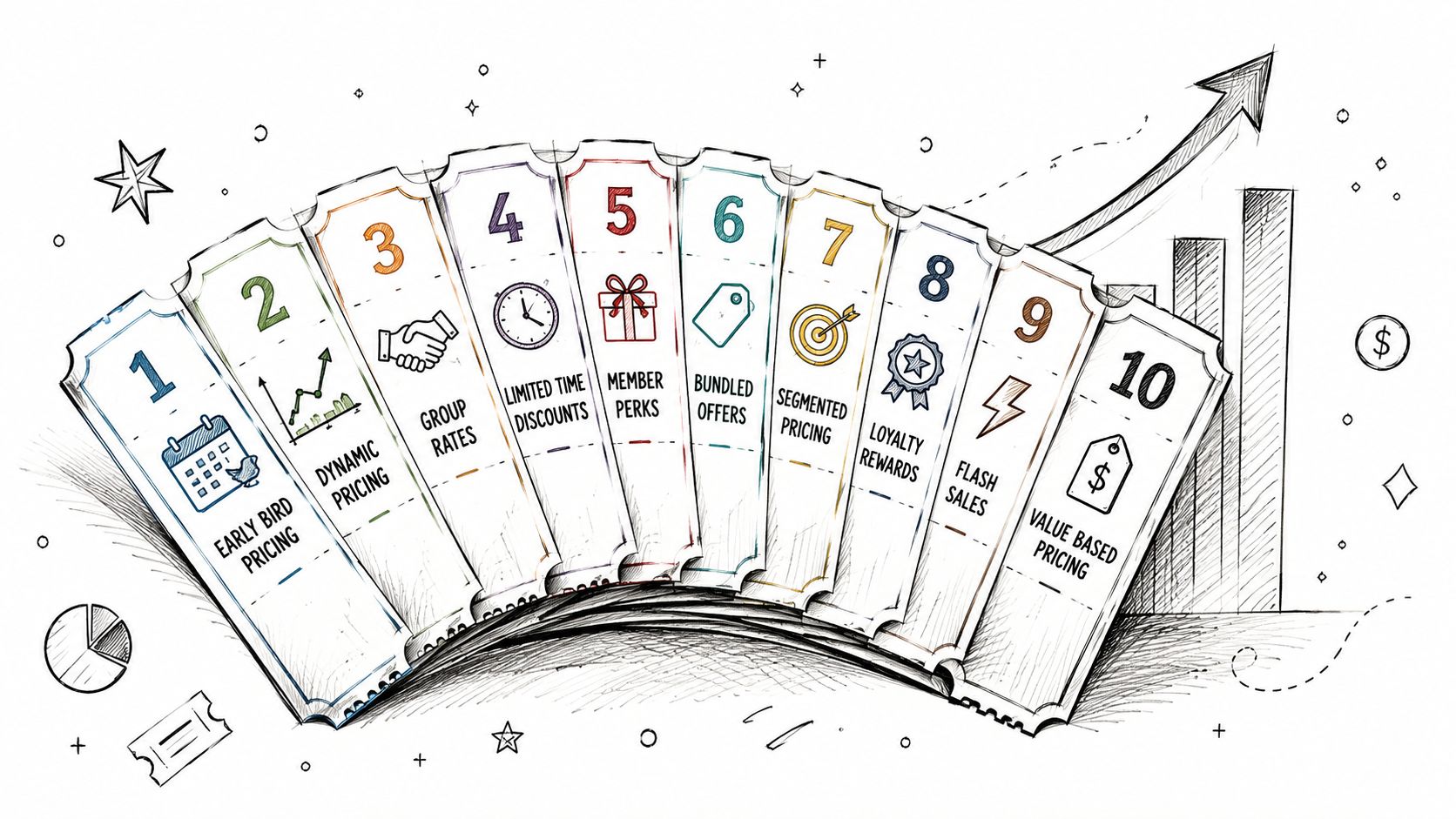
A rigid, one-price-fits-all membership model often forces members to pay for features they don't need, creating a value-cost mismatch that leads to churn. Flexible, value-based pricing aligns your subscription tiers with specific member goals and budgets. This strategy ensures members see a clear return on their investment, which is a critical factor for improving customer retention.
By designing multiple membership options, you can cater to different member profiles, from students to seasoned professionals. This flexibility reduces the friction that arises when cost outweighs perceived value. For example, professional associations often offer tiered pricing for students, early-career professionals, and full members, acknowledging their different financial situations and needs.
Flexible pricing directly boosts retention by making your membership accessible and justifiable to a wider audience. When members can select a plan that precisely matches their needs and budget, they feel the cost is fair and the value is high. This sense of a good deal strengthens their commitment and makes them less likely to cancel when budgets get tight. Slack’s freemium model is a prime example; it allows teams to start for free and upgrade as their needs grow, creating a natural retention and growth path.
Key Takeaway: Aligning price with perceived value is fundamental to member satisfaction. Flexible options allow members to pay for what they use, making them feel the membership is a smart investment.
Showing your members you're listening is good; proving it is better. Creating systematic processes to gather, prioritize, and visibly act on member feedback transforms your community from a top-down service into a collaborative partnership. This approach makes members feel heard and co-invested in the community's success, which is a powerful force for improving customer retention.
When members see their suggestions directly influencing the platform, programming, or policies, their sense of ownership grows. They are no longer passive consumers but active contributors. This dynamic is expertly demonstrated by companies like Slack, which actively solicits feature requests and uses public prioritization voting to guide its development, making users feel like part of the product team.
Active feedback loops build trust and demonstrate that the organization values its members' intelligence and experience. This validation fosters a deep sense of loyalty that a competitor cannot easily replicate. When a member sees an improvement they suggested come to life, their commitment is reinforced, making them powerful advocates for your community. It shifts their perception from "this is a service I pay for" to "this is a community I'm helping build," making the decision to leave much more difficult.
Key Takeaway: Members who see their feedback in action become co-owners of the community's success. This sense of ownership is a cornerstone of long-term loyalty and retention.
The journey to improving customer retention is far more than applying a few disconnected tactics. It is a fundamental shift in perspective, moving from a transactional focus on acquisition to a relational focus on lifetime value. As we have explored, true loyalty is not bought with a single discount or won with a generic welcome email. It is earned through a consistent, deliberate effort to understand, engage, and deliver undeniable value to every member of your community.
The ten strategies outlined in this article represent the essential pillars of a durable retention framework. They are not independent solutions but deeply interconnected parts of a whole.
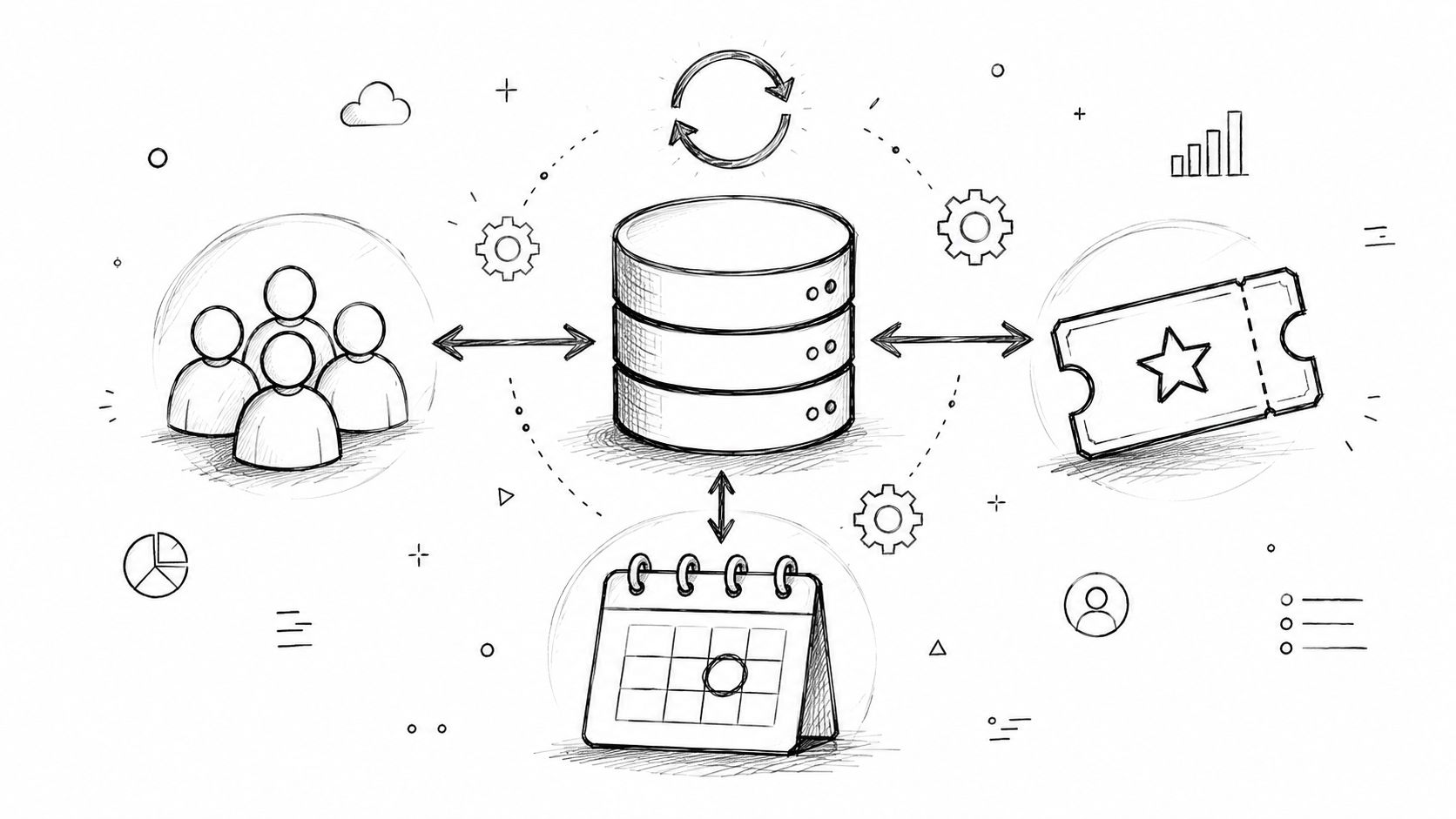
This intricate system depends on a continuous flow of information, action, and feedback.
Implementing these strategies in isolation can lead to fragmented member experiences and disjointed internal workflows. Imagine trying to personalize communication without data from event attendance, or building a loyalty program without tracking content engagement. The result is often guesswork, wasted effort, and missed opportunities to prevent churn before it happens.
This is where the concept of a retention-first culture truly takes shape. It is built on a foundation of integrated systems and shared data. When your team has a unified view of each member's journey-from their first onboarding step to their latest support ticket-you can move from reactive problem-solving to proactive value delivery. This holistic understanding is critical for improving customer retention because it allows you to identify patterns, anticipate needs, and intervene with the right message at the right time.
A retention-first culture is an organizational commitment to making the member’s success your own. It transforms retention from a departmental metric into a collective mission, where every interaction is an opportunity to strengthen the relationship and reaffirm value.
The path to mastering retention is a marathon, not a sprint. The key is to begin with focused, measurable actions that build momentum over time. Do not try to implement all ten strategies at once. Instead, identify the one or two areas that represent your biggest opportunities for improvement.
Ultimately, improving customer retention is about building a community that members are proud to be a part of. It is about creating an ecosystem where they can connect, learn, and grow-and see your organization as an indispensable partner in their success. This is how you create not just loyal customers, but passionate advocates who become your most powerful engine for sustainable growth.
Ready to build the integrated system you need for improving customer retention? GroupOS provides the all-in-one platform to manage memberships, host events, deliver content, and engage your community from a single, centralized hub. See how you can turn retention strategies into reality by visiting GroupOS today.