May 30, 2026
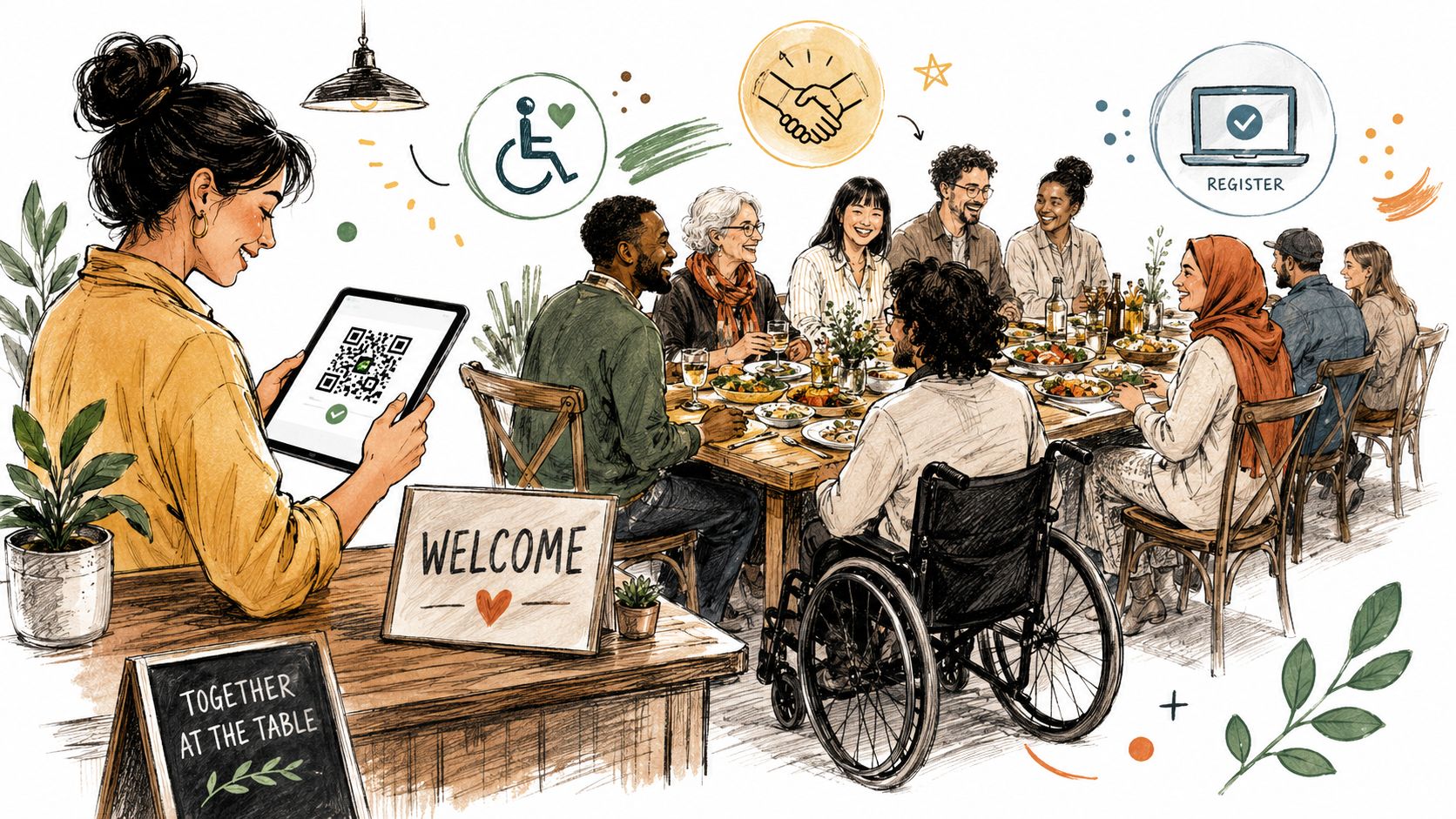
You're probably here because you need to host something more meaningful than a meal and more reliable than a casual potluck. Maybe you run a professional association, a member community, an employee network, or a recurring meetup series. You know food gets people to show up. The harder part is making sure they connect, return, and talk about the event afterward for the right reasons.
That's where most food and fellowship events succeed or fail. Not on the menu alone. On the operating model behind the experience.
The best recurring events feel warm and effortless to attendees. Behind the scenes, they're neither. They depend on clear goals, disciplined logistics, strong host behavior, and technology that removes friction instead of adding another spreadsheet. When teams skip those basics, the event feels scattered. People hover with the colleagues they already know, the dietary requests become a scramble, and the follow-up never happens.
If you searched for food and fellowship, you've probably noticed something odd. A lot of the visible results point to a tabletop card game deck, not to community events or shared meals. That mismatch is real. The phrase is heavily dominated in indexed results by gaming content, which leaves a clear gap for organizers who are actually looking for meetup, hospitality, or association guidance, as noted in this EDHREC Food and Fellowship listing.
That gap matters because the practical meaning of food and fellowship is older, broader, and much more useful to most organizations.
Communal eating has never been only about calories. The modern restaurant is usually traced to Paris in the 1760s–1770s, and restaurants began appearing in the United States around 1830, marking a shift from private dining toward public venues where food became a structured setting for conversation and social bonding, according to the World Economic Forum's history of how food shaped society.
That historical shift is still the operating principle today. Once meals moved into repeatable public settings, they became a dependable format for civic life, hospitality, networking, and professional culture. Food stopped being just part of the gathering. It became the container that made gathering easier.
Shared meals work because they lower social friction without lowering the quality of interaction.
That's why food and fellowship works so well for onboarding dinners, alumni gatherings, association roundtables, donor salons, chapter meetups, and member appreciation events. People know how to enter a meal. They don't need much coaching to sit down, respond to a question, or continue a conversation over dessert.
Most organizations don't need advice on a game deck. They need a repeatable way to host actual people in actual rooms. They need a format that scales beyond “everyone bring something” and still feels human.
For inspiration on how food experiences can create a sense of place, Manchester's new food adventure is a useful example of how curated food experiences can frame discovery and connection without becoming overly formal. For organizers building a longer-term strategy, the broader benefits of community engagement are worth keeping in mind because recurring meals often become one of the most dependable ways to create member touchpoints that people enjoy.
Food and fellowship isn't a soft extra. Used well, it's one of the most practical formats for building trust at scale.
Teams usually start in the wrong place. They compare caterers, discuss cuisines, and debate whether the event should feel casual or premium. None of that matters until you know what the event needs to accomplish.
A strong event foundation has three parts. Objective, audience, budget. Get those right and the rest becomes a series of manageable decisions. Get them wrong and every later choice becomes more expensive.
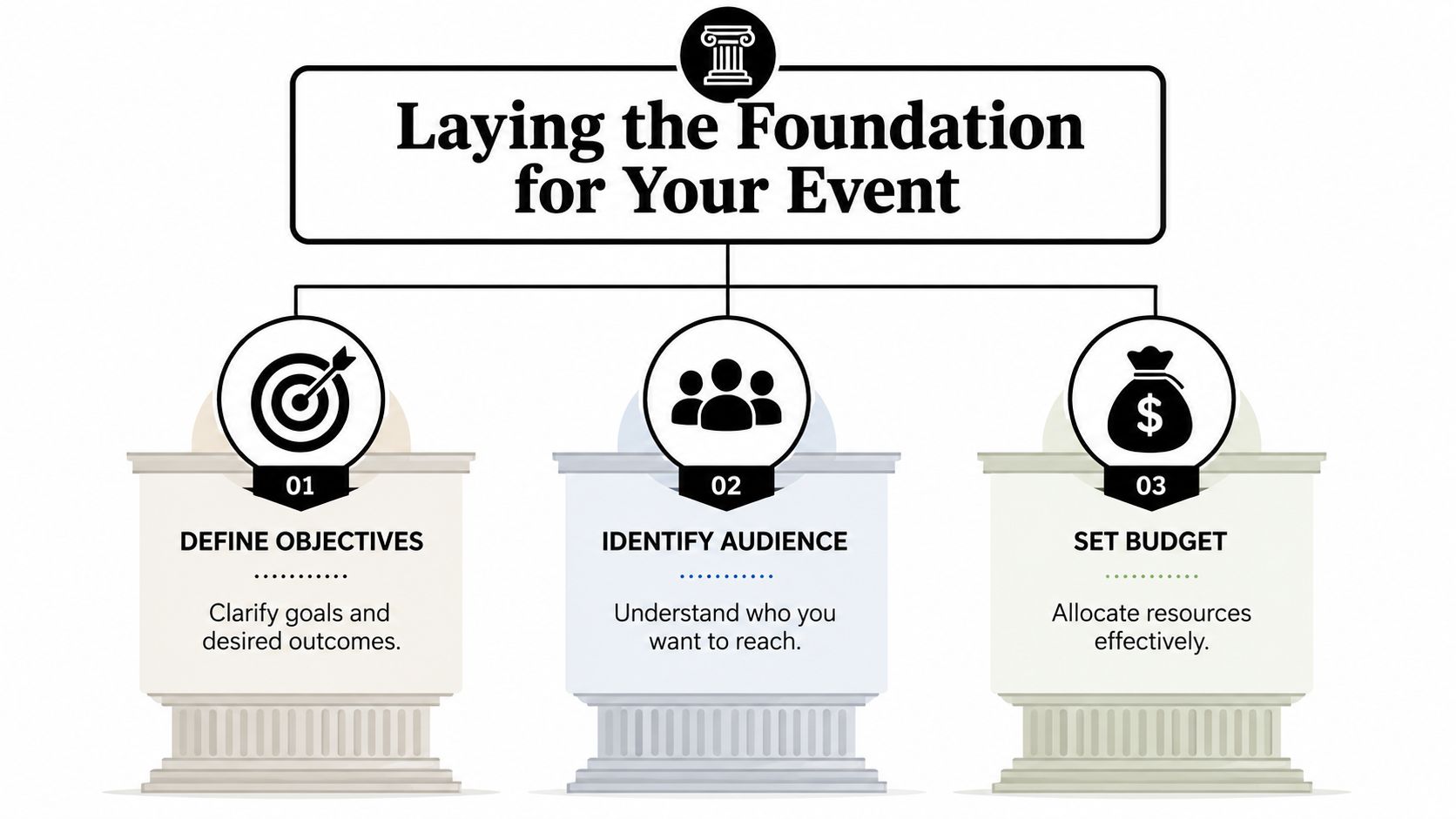
“Networking” isn't an event goal. It's an activity. A real goal sounds different.
If you can't say what should be different after the event, you're not ready to plan it.
The best planning documents include one sentence that defines success in plain language. Examples: “New members leave with three people they'd recognize next time.” Or, “Department leads each meet at least one peer facing the same operational issue.”
Many food and fellowship events underperform because the organizer imagines one audience while inviting three. Senior sponsors, first-time attendees, staff, and long-time members won't all want the same experience.
Use segments, not averages. Think in terms of:
Practical rule: If the room includes newcomers, design for them first. Regulars can adapt. New attendees usually won't.
If you're building your planning process from scratch, this checklist on event planning guidelines is a strong operational reference.
Food costs are only one part of the budget. Teams get surprised by staffing, rentals, signage, insurance requirements, gratuities, cleanup, accessibility accommodations, and the cost of fixing a weak venue choice at the last minute.
A simple planning table keeps the budget honest:
| Cost area | What teams often miss |
|---|---|
| Food and beverage | Service fees, replenishment, overtime |
| Venue | Setup windows, security, furniture moves |
| Experience | Name badges, signage, printed materials |
| Operations | Check-in staff, photographer, host support |
| Access needs | Dietary accommodation, seating layout, route planning |
If you're vetting vendors or even exploring what goes into launching a UK catering company, it helps to understand the supplier side. You'll negotiate better when you know where labor, prep, and service complexity drive price.
Good budgeting isn't about cutting every line. It's about protecting the lines attendees notice most.
The event experience becomes real when logistics enter the picture. Good intentions usually collide with room capacity, service timing, and dietary complexity.
The fastest way to make a food and fellowship event feel disorganized is to force too many variables into one evening. Complicated menu, unclear check-in, bad acoustics, no seating logic, and a vague run-of-show will overwhelm even a friendly crowd.
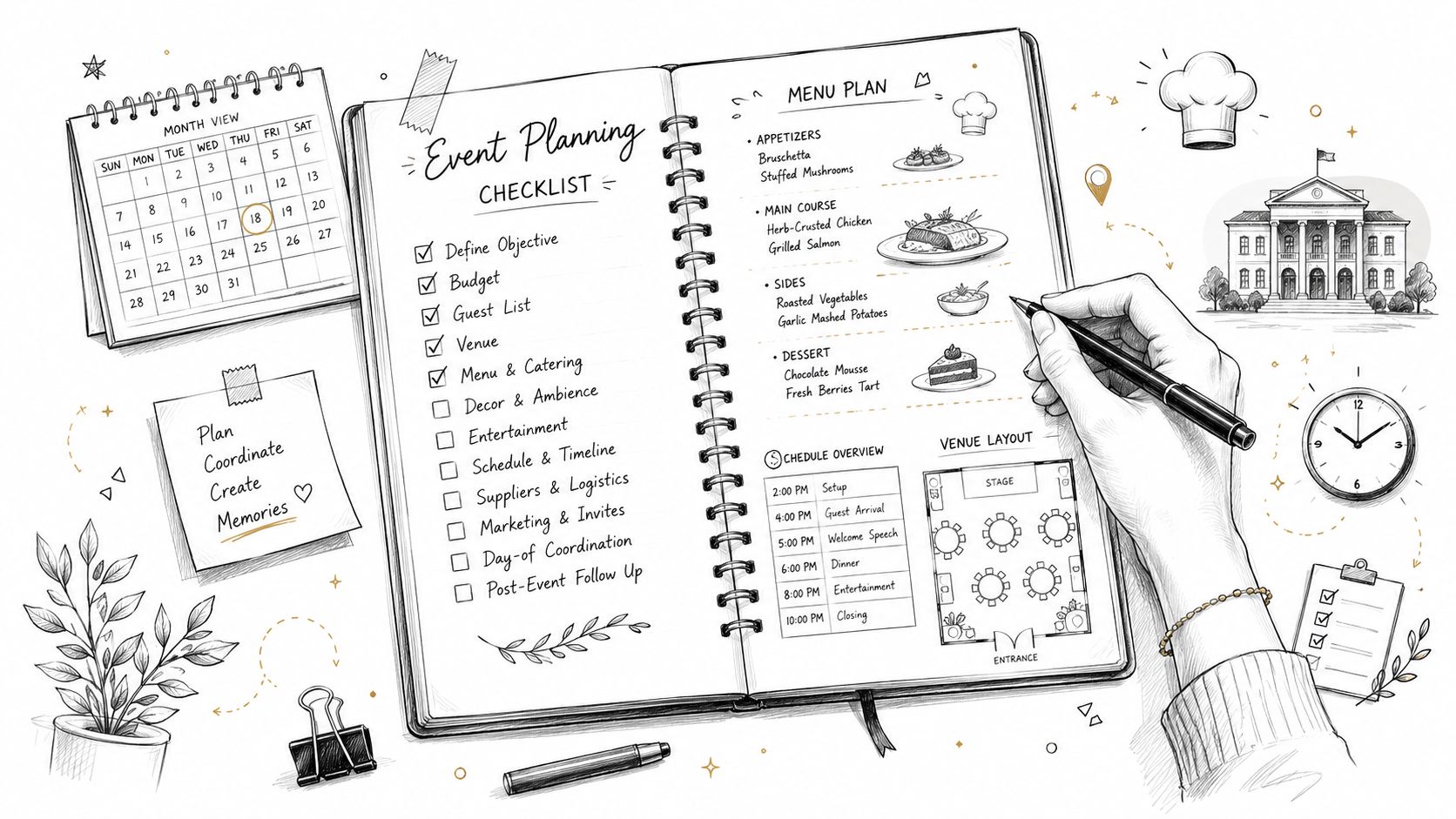
A beautiful room can still be wrong for fellowship. The best venue for this format is usually one that makes conversation easy, movement natural, and service predictable.
I look at venue decisions through five filters:
The room should reduce social friction. If the venue creates confusion, even excellent food won't recover the mood.
Different food models create different behavior in the room. That's why the cheapest option isn't always the most efficient.
| Service model | Works best when | Common downside |
|---|---|---|
| Plated meal | You want longer table conversations | Less mingling |
| Buffet | You want flexibility and moderate structure | Lines can break momentum |
| Food stations | You want movement and discovery | Needs more space and staffing |
| Food truck | You want informality and novelty | Weather and queue management |
| Elevated potluck | You have a close-knit community | Quality and safety vary |
For most professional groups, buffet or stations work best. They create movement without making the night feel chaotic. Plated service works when the table itself is the program, such as mentor dinners or board-hosted member events.
The menu should support the social format. It shouldn't become the main problem the host has to manage.
Nothing signals poor planning faster than asking about allergies after guests arrive. Collect dietary information during registration, confirm it with the caterer early, and build backup options into the menu.
A practical checklist:
Table layout matters too. For seated events, I've seen organizers save hours by sketching assignments before finalizing place cards. A visual tool like this seating chart creator can help map relationships, accessibility needs, and sponsor placement before you start moving names around manually.
For vendor management, keep notes on responsiveness, setup quality, accuracy, and guest feedback after every event. A reusable vendor scorecard template makes that process much easier and stops your team from choosing vendors based on memory alone.
Event timelines fail when they're too tight. Vendors arrive late. A speaker runs long. Guests trickle in slower than expected. Someone needs an alternate meal. Build slack into the run-of-show.
A reliable event flow often looks like this:
If your timeline has no cushion, the host becomes reactive. Guests feel that immediately.
Two events can use the same room, same menu, and same guest list and produce completely different results. The difference is usually hosting.
I've watched a dinner stall because everyone sat with familiar faces and waited for “networking” to happen on its own. I've also seen a modest breakfast become a strong connector because the host shaped the room early, introduced people with purpose, and made interaction feel safe rather than mandatory.
The warning signs show up fast:
That kind of room isn't hostile. It's under-hosted.
A better model starts before the first plate is served. The host team greets by name, introduces at least one person immediately, and gives guests a conversational foothold. That might be a prompt on the table, a host-led introduction, or a visible thematic frame for the night.
People connect more easily when the environment gives them cues. That doesn't mean icebreakers have to be cheesy. It means the event should create natural reasons to speak.
Here are tactics that consistently work:
A room doesn't become welcoming because the invitation said “all are welcome.” It becomes welcoming because someone actively makes room for people.
A strong host does more than thank sponsors and read housekeeping notes. They interpret the room. They notice who hasn't found a conversation yet. They know when to cut a speech short, when to invite movement, and when to make an introduction that helps both people.
One of the most effective scripts is simple: “You two should meet because you're both working on adjacent versions of the same problem.” That's better than generic networking language because it gives the connection a reason.
Branding plays a role here too. Not in the superficial sense of banners everywhere, but in making the experience feel coherent. The invitation, signage, welcome remarks, and follow-up should all sound like the same organization. This guide on branding in events is useful if your gatherings feel operationally sound but emotionally forgettable.
The end of the event matters more than often realized. If the night just fades out, guests leave with no clear next step.
Close with one concrete action. Invite them to the next gathering, point them to a member forum, suggest a follow-up conversation, or ask them to bring a peer next time. Fellowship becomes recurring when attendees can picture the next touchpoint before they reach the parking lot.
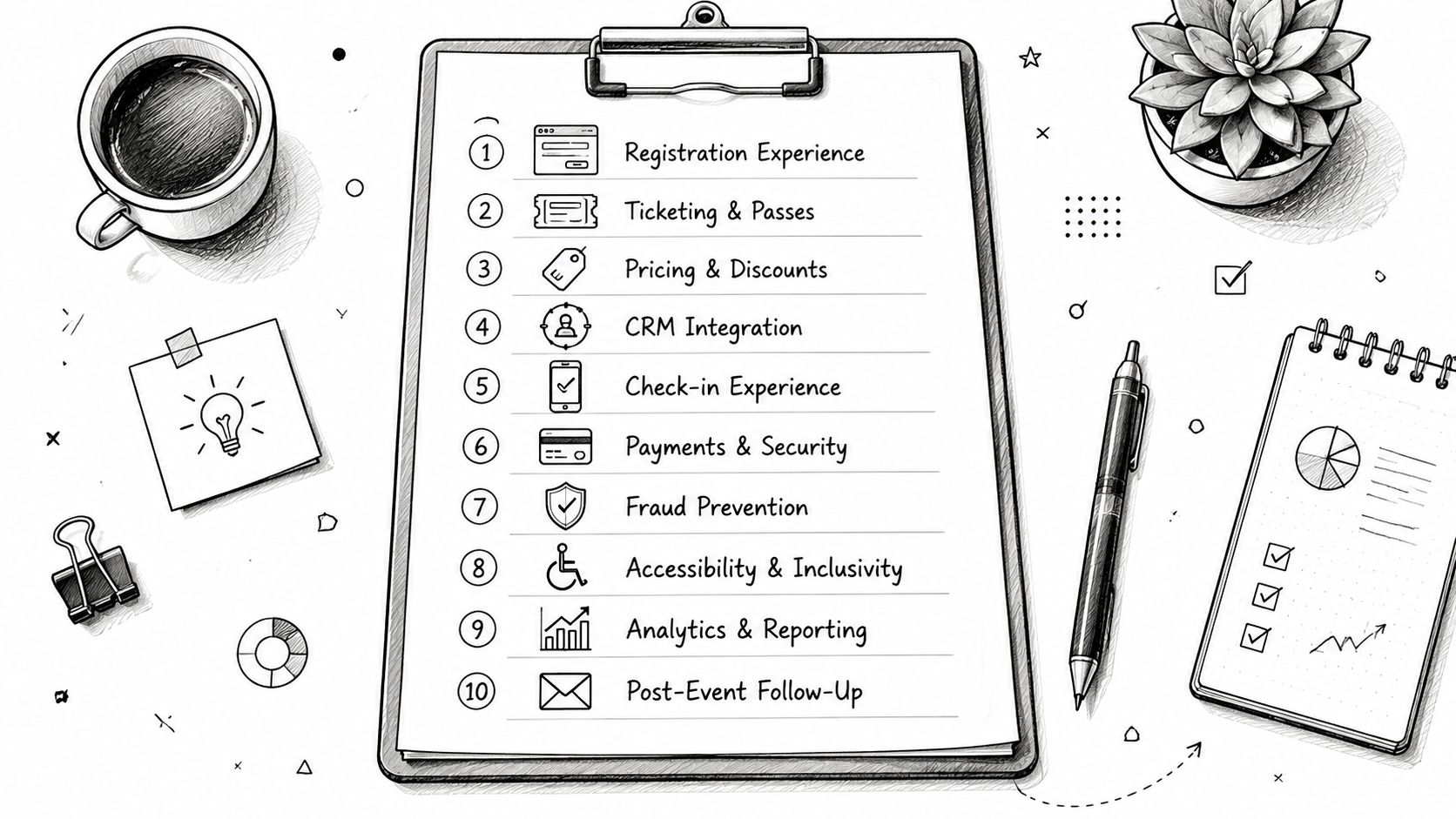
Most event friction starts long before guests arrive. It starts when the invite is vague, the registration form asks too little or too much, and the team manages responses across inboxes, spreadsheets, payment tools, and chat threads.
That patchwork approach creates avoidable mistakes. Dietary information gets lost. Guest lists drift out of date. Reminder emails go to the wrong people. Check-in becomes a manual scramble. The event may still happen, but the organizer pays for it in time and stress.
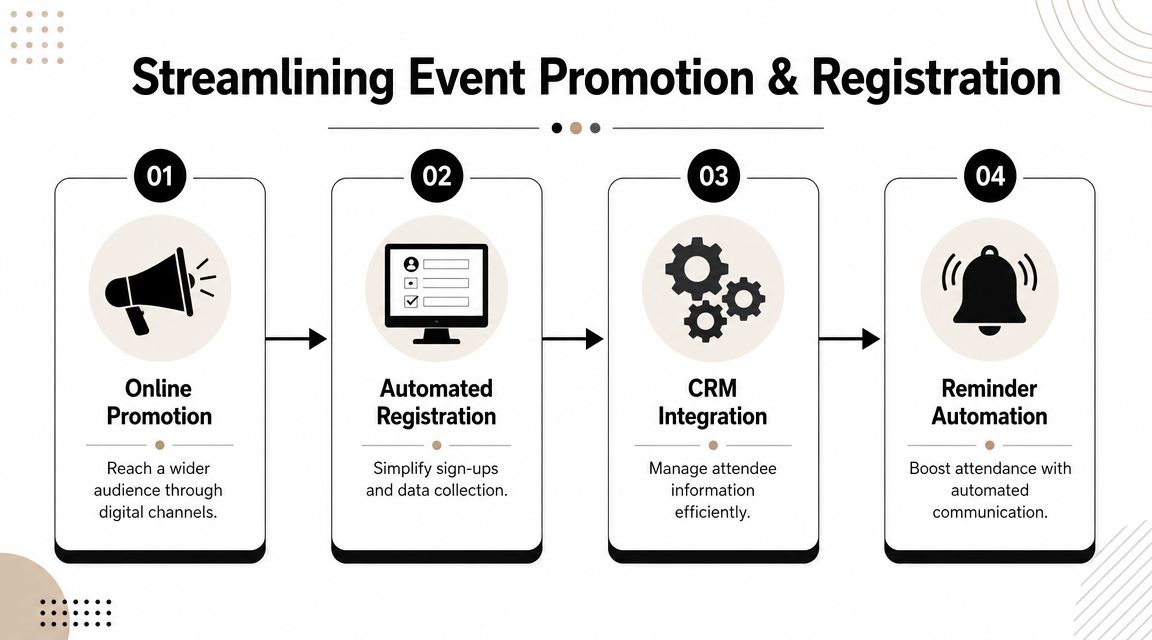
The most effective event descriptions answer three questions quickly:
“Join us for an evening of connection” is too thin. A better description names the audience, the tone, and the payoff. For example, “A hosted dinner for chapter members and first-time guests focused on practical peer conversations, warm introductions, and low-pressure networking.”
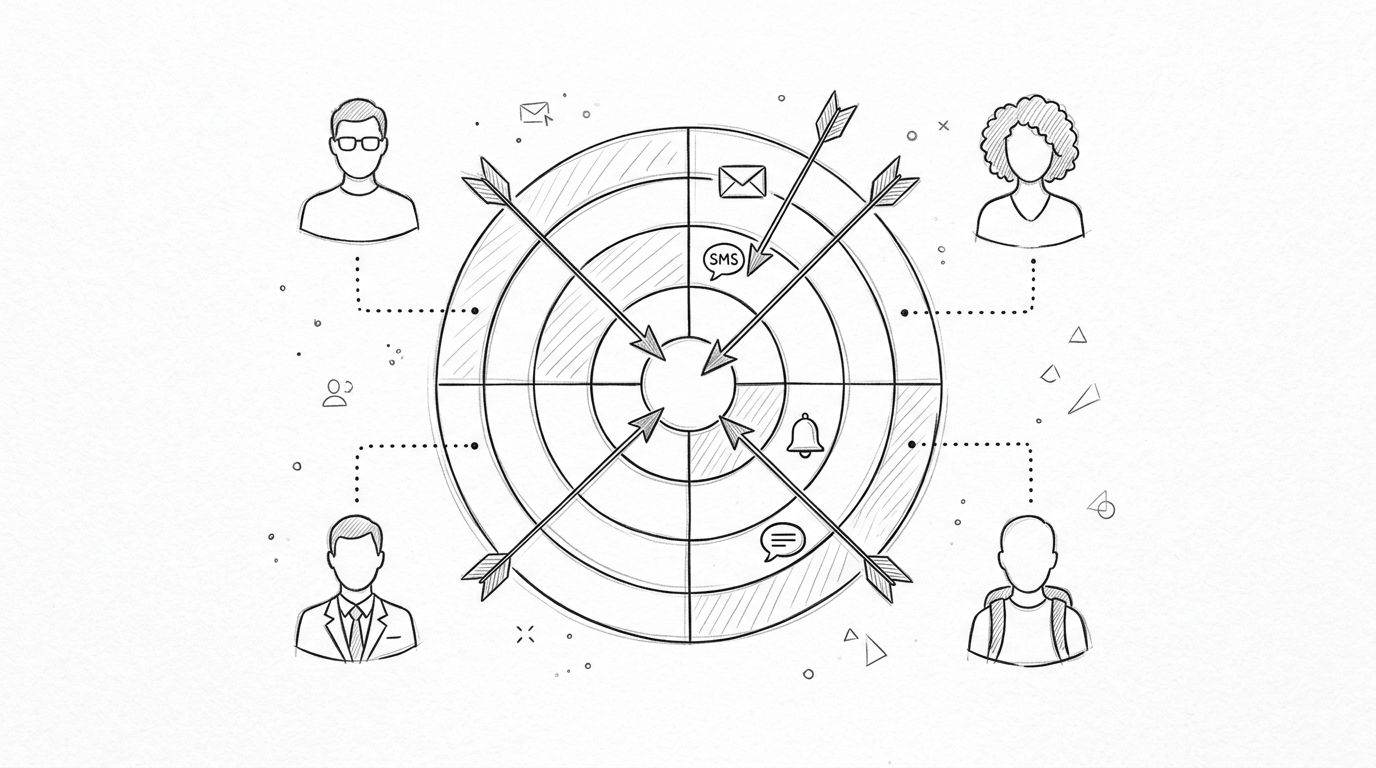
Promotion also improves when invitations are segmented. A long-time member should receive a different message than a prospect, sponsor, or employee resource group lead. Relevance drives response quality.
A form isn't just a sign-up tool. It's your planning intake. If the form doesn't capture what operations need, your team will chase details manually later.
A good event registration form collects:
Keep the form short enough to finish easily, but detailed enough to support service and seating decisions. The test is simple. If your event team still has to email half the registrants afterward, the form wasn't doing enough work.
Here's a quick walkthrough worth reviewing if your current stack feels too fragmented:
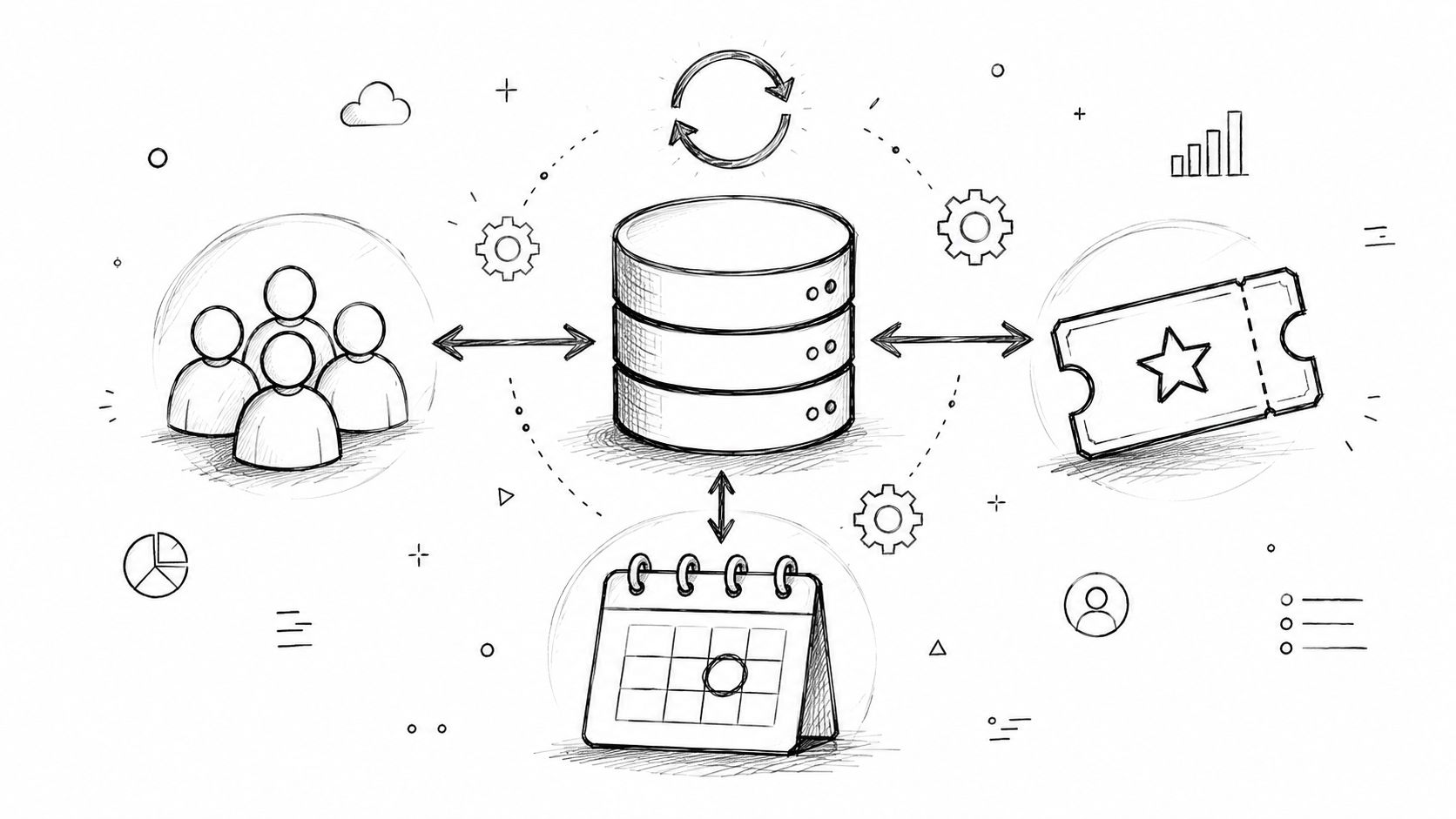
Technology changes the operating model, particularly as a unified platform proves better than a mix of generic tools because event data, communications, ticketing, and attendee records stay connected.
The practical advantages are straightforward:
The issue with spreadsheets isn't that they're bad. It's that they don't manage live event complexity well once the event series starts growing. Multi-event organizations need attendee history, communication control, and handoff clarity across staff and volunteers.
When teams adopt a more integrated setup, they usually become more consistent before they become more ambitious. That's the main benefit. Fewer preventable mistakes, fewer side-channel corrections, and a much better experience for guests.
The event isn't finished when the room clears. If you don't measure what happened, you can't improve the format, justify the budget, or make a credible sponsorship pitch.
Too many teams rely on a vague post-event verdict like “people seemed to like it.” That's not enough for leadership, and it's definitely not enough for a sponsor evaluating whether to invest again.
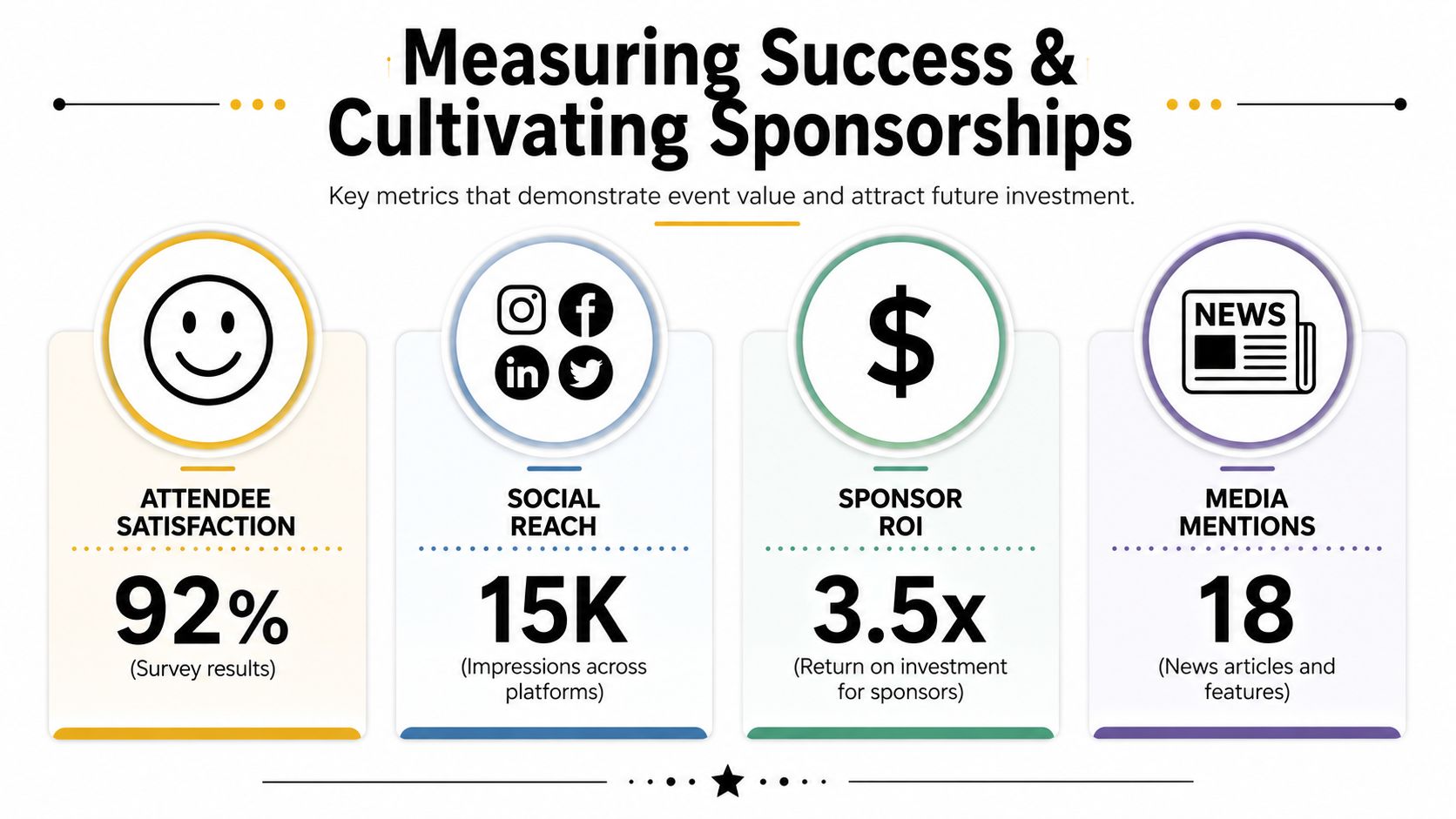
The right post-event review starts with the goal you set at the beginning. If the purpose was member retention, look at return behavior, follow-up participation, and qualitative feedback about belonging. If the purpose was sponsor exposure, assess booth traffic, lead quality, introductions made, or post-event interest.
Useful evidence usually includes:
Don't ask whether the event was good. Ask whether it did the job you designed it to do.
That distinction changes everything. It moves the conversation from preference to performance.
Sponsors don't buy “community” in the abstract. They buy access, relevance, and association with a valuable audience. Your sponsorship package should reflect that reality.
A strong package usually offers a mix of visibility and participation:
What matters is fit. A sponsor that naturally belongs in the room will feel additive. A mismatched sponsor will make the event feel transactional.
Food-centered programming can also support a broader economic story. In March 2026, the Rockefeller Foundation reported that scaling Food is Medicine programs to reach 43 million Americans who need them most could generate more than $45 billion in state economic activity, support 316,000 jobs nationwide, and create $5.6 billion for small and mid-sized farms, according to the Foundation's Food is Medicine research announcement. If you work in health, public service, agriculture, or place-based economic development, that kind of evidence helps frame food-related gatherings as part of a serious ecosystem, not just hospitality spend.
Run the debrief while details are still fresh. Note what attendees loved, where service broke down, which vendors performed well, and which guests or sponsors should get personal follow-up. Then turn those notes into changes for the next event date, not a forgotten document.
Recurring food and fellowship events get stronger through iteration. The organizations that do this well aren't guessing each time. They're running a system.
If your team wants one system for memberships, ticketing, event pages, custom registration forms, QR check-ins, sponsor visibility, communication, and post-event analytics, GroupOS is built for exactly that. It gives community-led organizations a branded way to run recurring events without juggling disconnected tools, so your staff can spend less time reconciling spreadsheets and more time creating events people want to come back to.