June 13, 2026

78% of businesses consider first-party data their most valuable resource for personalization and marketing, according to Segment research. For community teams, that matters because member growth, event attendance, renewals, and sponsor value all depend on signals you collect from your own audience, in places you control.
First-party data collection gives operators a clearer view of who members are, what they want, how they participate, and where the experience breaks down. The value is practical. Better session recommendations. Smarter membership offers. Cleaner sponsor targeting. Fewer guesses about why one segment renews and another goes quiet.
Trust sets the ceiling.
Community teams need enough data to serve members well, but every extra field, pop-up, consent box, and survey request asks people for more patience. I have seen programs hurt themselves by collecting too much too early. The result is lower form completion, weaker profile data, and a membership experience that feels extractive instead of useful.
The core work is collecting data in a way that members can understand, agree to, and benefit from. That means asking for information at the right moment, tying each request to a clear value exchange, and resisting the urge to gather data just because a platform makes it possible.
Browser policy changes and rising privacy expectations have made third-party data less reliable year after year. Google's reversals on cookie deprecation changed the timeline, not the direction of travel. For community teams, the practical takeaway is the same. Rented audience data is harder to depend on, and owned channels now carry more of the load.
That shift matters because communities already run on direct interaction. Members register for events, update profiles, open emails, join chapters, submit support questions, and answer surveys inside systems you control. Those moments create data with context attached. You know what the member was trying to do, what they agreed to share, and how you can use that signal to improve the next touchpoint.
That is first-party data in practice. It is the record of a real relationship, captured through actions and preferences a member shares with your organization.
For event and membership operators, the challenge is not finding possible data sources. It is deciding which ones are worth collecting without wearing people out. A registration form can ask for industry, role, goals, dietary needs, content interests, budget authority, and sponsor preferences. It should not ask for all of that on day one unless each field clearly improves the experience. Consent fatigue is real, especially in communities that rely on repeat engagement across webinars, chapters, annual conferences, and renewal cycles.
A useful member record usually draws from four places:
Each category serves a different operational purpose. Behavioral activity helps teams spot intent. Declared preferences help tailor programming and outreach. Transactional history helps forecast revenue and renewal risk. Service signals often show friction before it shows up in attendance or retention reports.
The strongest programs collect this data gradually. They ask for the minimum needed to complete the current action, then gather more as trust grows and the value exchange becomes obvious. That approach produces cleaner profiles and a better member experience than dumping every possible field into one form. If you need a framework for organizing those signals into usable audiences, this breakdown of customer segmentation models is a practical next step.
Teams that still rely on scattered forms, inboxes, spreadsheets, and event tools usually feel the problem in operations first. Follow-up gets inconsistent. Sponsor reporting takes too long. Personalization stays shallow because no one trusts the data enough to use it. A broader guide to leveraging marketing data for B2B is useful context, but community teams have a more specific advantage. Members already expect to interact with you directly. The critical task involves turning those interactions into a trusted, usable record without making the relationship feel extractive.
Most community teams think about data when they need a report. The stronger use case is operational. First-party data helps you decide what to send, who to invite, which members need attention, which sponsors fit which audience segment, and which programs deserve more investment.
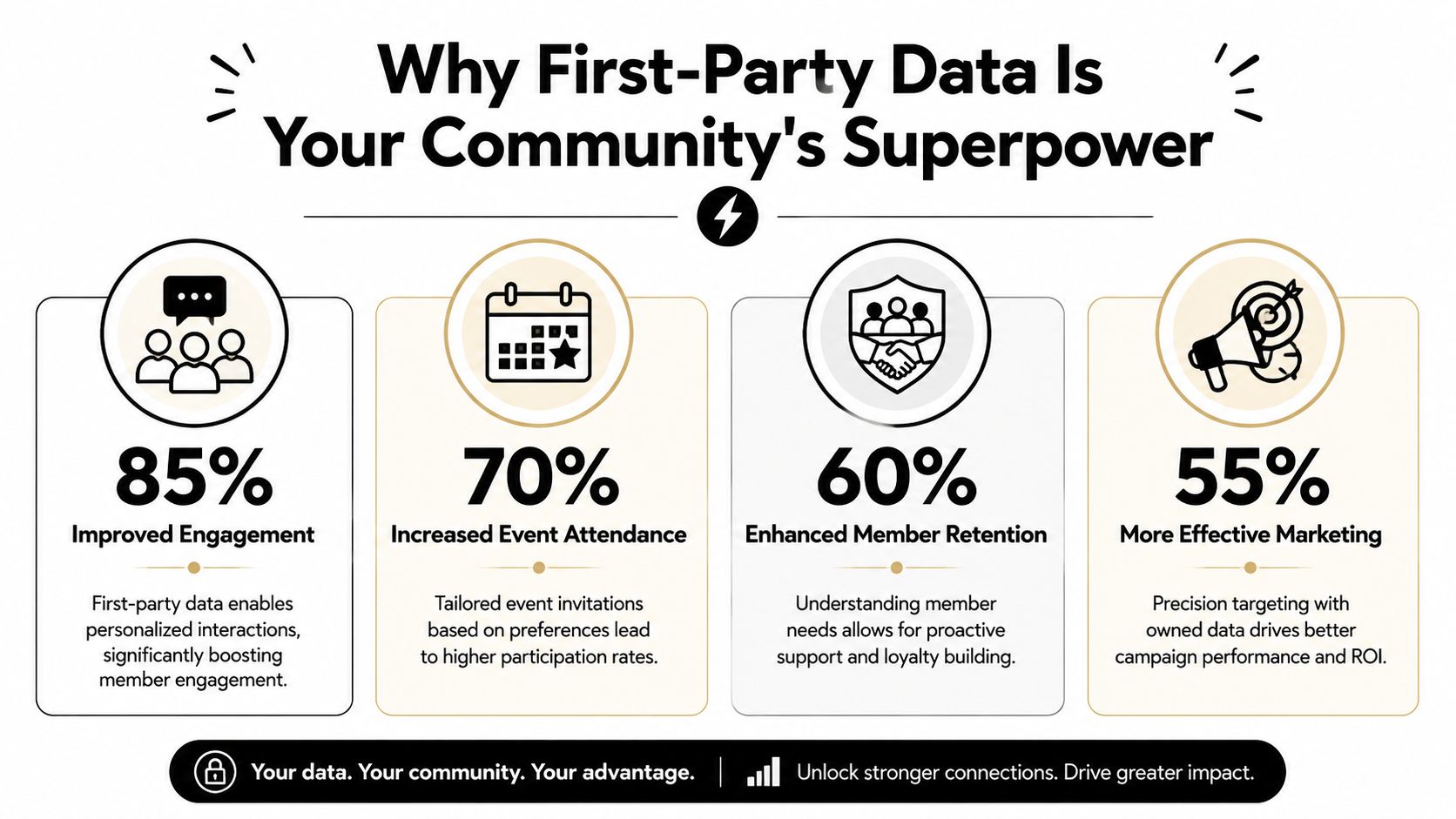
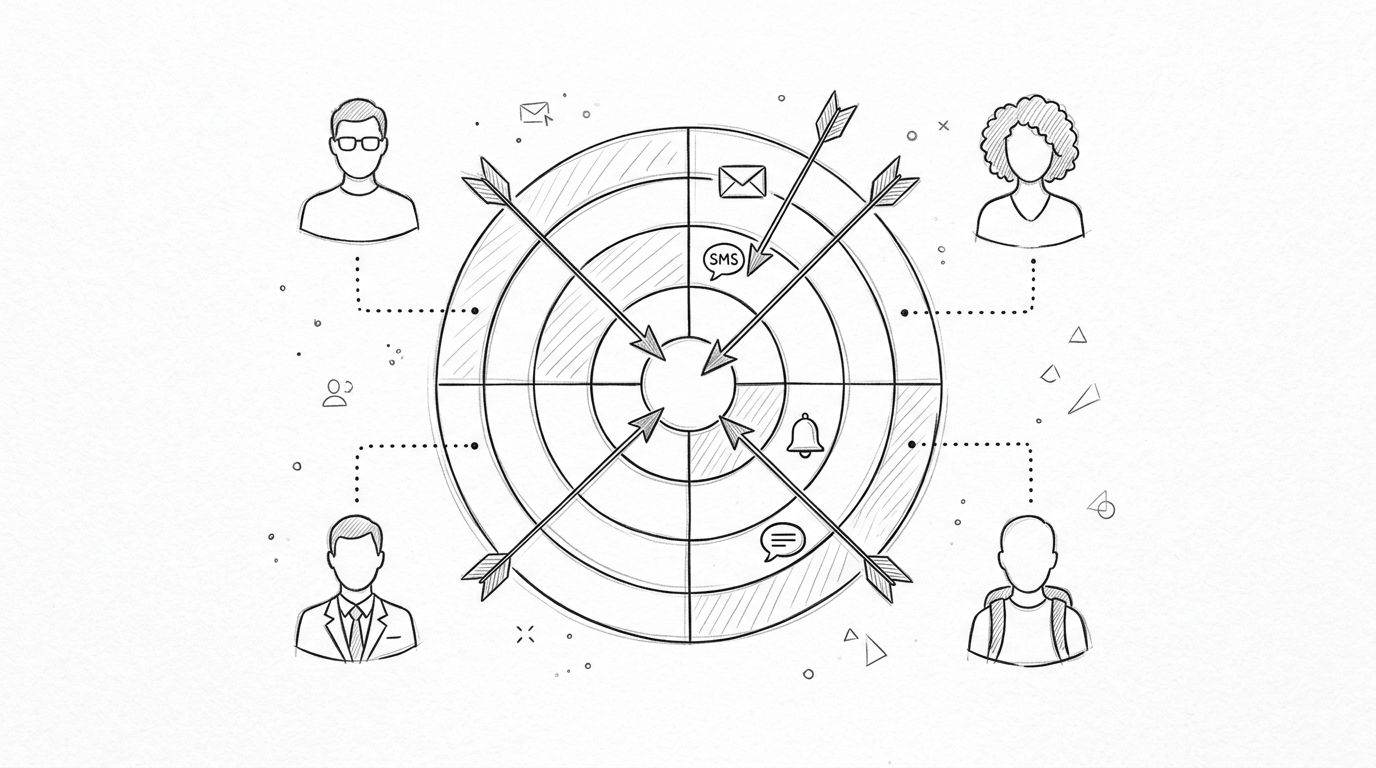
When a member joins, attends, clicks, downloads, or responds, they leave signals behind. Those signals let you stop sending generic broadcasts. Instead, you can recommend the right chapter, surface the right on-demand session, route the right sponsor introduction, or prioritize outreach to members who appear disengaged.
First-party data collection changes the tone of a community. Members feel understood when your organization stops asking them to sort through irrelevant noise.
A good segmentation model helps make those signals usable. If you're refining audience groups based on behavior and profile attributes, this breakdown of customer segmentation models is a useful starting point.
The business case is substantial. According to industry benchmarks from Avaus, brands that effectively use first-party data have seen an 8x ROI, greater than 25% lower CPA, and up to 2.9x revenue growth. For community-led organizations, those outcomes translate into sharper targeting, less wasted spend, and more effective conversion paths for memberships, events, and sponsor programs.
That's why this isn't just a marketing topic. It's a revenue topic.
A conference team can use owned data to identify likely registrants, likely upgraders, and likely no-shows. A membership team can identify renewal risk based on inactivity or declining participation. A sponsorship team can package audience access around actual interests and engagement, not assumptions.
Communities don't need more data points. They need more usable signals tied to clear actions.
Sponsors don't just want impressions. They want access to the right people in the right context. A community with solid first-party data collection can create cleaner packages around topics, roles, industries, or event behaviors without relying on vague audience claims.
That changes sponsor conversations. Instead of saying, "We have an engaged audience," you can say, "We can place your message in programs where we consistently see interest from the members you want to reach." The second statement is operationally stronger because it's based on owned behavior.
If you're building the broader data foundation behind those decisions, this guide to leveraging marketing data for B2B gives a helpful overview of how different data sources support targeting and planning.
The easiest way to damage trust is to ask for too much, too early. Community teams do this all the time. A new member wants to join a newsletter or register for a webinar, and the form asks for a long list of fields the organization doesn't need yet. Completion drops. Trust drops with it.
The better approach is to treat first-party data collection as a staged exchange.
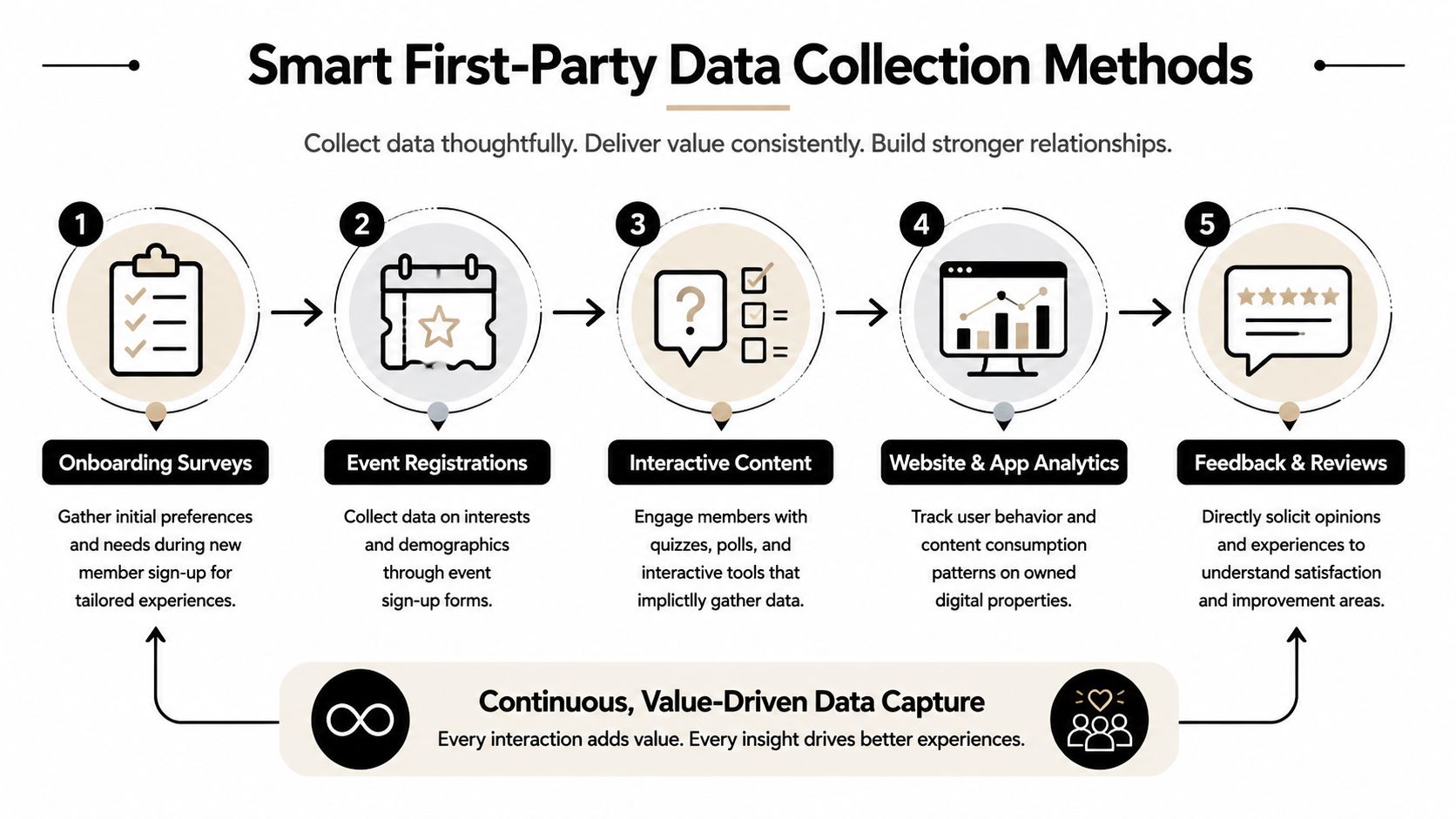
The strongest strategies use progressive profiling. Start with a minimal ask, like an email for a newsletter, then collect additional attributes through later interactions such as event registrations, preference centers, or post-event surveys, which avoids high-friction forms that hurt completion rates, as explained in Amplitude's overview of first-, second-, third-, and zero-party data.
That principle matters in communities because relationships deepen over time. Someone who's willing to subscribe today may be willing to share job function, interests, chapter preference, and event goals later, once the value is clear.
A practical progression often looks like this:
Different touchpoints support different questions. Here, teams either create elegant data capture or consent fatigue.
| Touchpoint | Best data to ask for | What to avoid |
|---|---|---|
| Newsletter signup | Email, broad topic interest | Full demographic profile |
| Membership application | Role, organization, core goals | Niche questions with no immediate use |
| Event registration | Session interests, format preferences, accessibility needs | Long surveys unrelated to attendance |
| Preference center | Communication choices, topic follows, chapter selection | Hidden defaults that confuse members |
| Post-event survey | Satisfaction, next-step interests, content feedback | Re-asking facts you already have |
The rule is simple. Ask only what fits the context.
Not all first-party data has to be typed into a form. Some of the richest signals come from observation inside your own environment.
These signals are often more honest than a large upfront form because they reflect actual behavior.
A well-structured online community survey still plays an important role, especially when you need declared preferences or sentiment that behavior alone can't reveal.
Here's a practical video overview for teams building that collection mindset into their process:
What works
What doesn't
Ask for the next most useful field, not the full ideal profile.
Privacy work gets framed as compliance overhead. In community businesses, it's part of the experience design. Members decide whether to share data based on whether your organization seems clear, respectful, and predictable.
If your form copy is vague, your permissions are broad, and your privacy policy reads like a trap, people will either withhold information or disengage later.
You don't need to become a lawyer to make better decisions. You do need a few operating habits.
Privacy failures in communities are often subtle. A member updates preferences but keeps receiving the wrong emails. An event attendee shares dietary or accessibility information and then gets asked for it again. A volunteer fills out one form and later finds their details exposed in another context they didn't expect.
None of those problems require a major breach to damage trust.
A simple internal checklist helps:
| Question | If the answer is no |
|---|---|
| Is the purpose of this field obvious? | Rewrite the label or remove the field |
| Can the member control communications? | Add a preference option |
| Can staff explain how data is used? | Improve internal training |
| Can the member request deletion or access? | Build the process before collecting more |
| Is the data necessary for this interaction? | Delay collection to a later step |
Community operators sometimes ask, "Can we collect this?" The better question is, "Should we collect this now?" Legal permission isn't the same as relational wisdom.
If your organization wants richer member profiles, earn them over time. Explain the benefit, honor the boundary, and prove that sharing data results in a better experience. That's how first-party data stays valuable instead of becoming a liability.
A lot of community teams think they have a data problem when they really have a systems problem. The issue isn't lack of information. It's that the information lives in disconnected places, uses inconsistent formats, and isn't reliable enough to activate.
That makes first-party data collection look weaker than it is. The fix is governance.
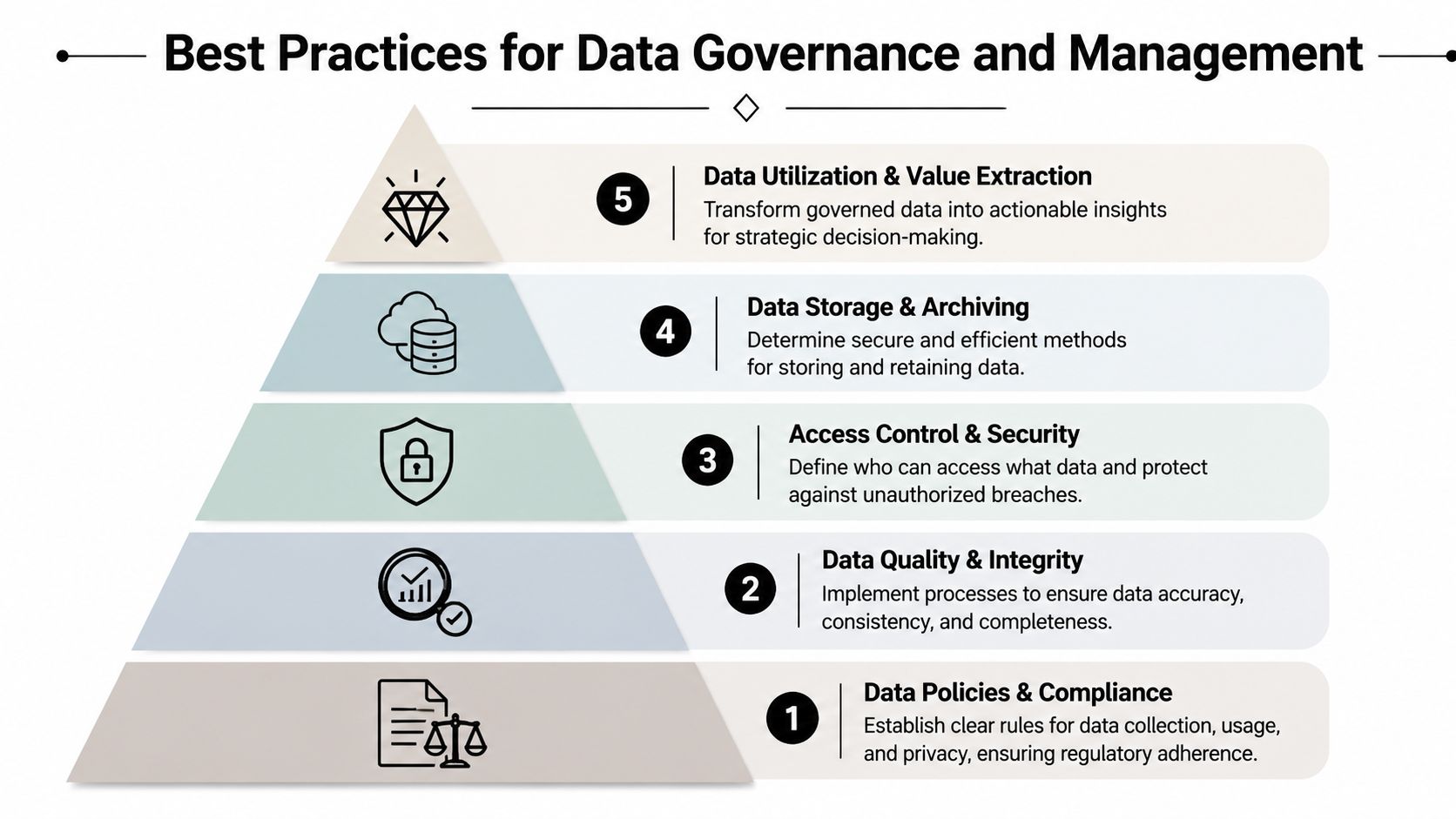
The most effective architecture is a centralized pipeline. Data from websites, apps, forms, and purchases should be unified in a CRM or customer data platform to standardize records, reduce duplicates, and activate the data for personalization and measurement, as outlined in StackAdapt's guide to first-party data strategy.
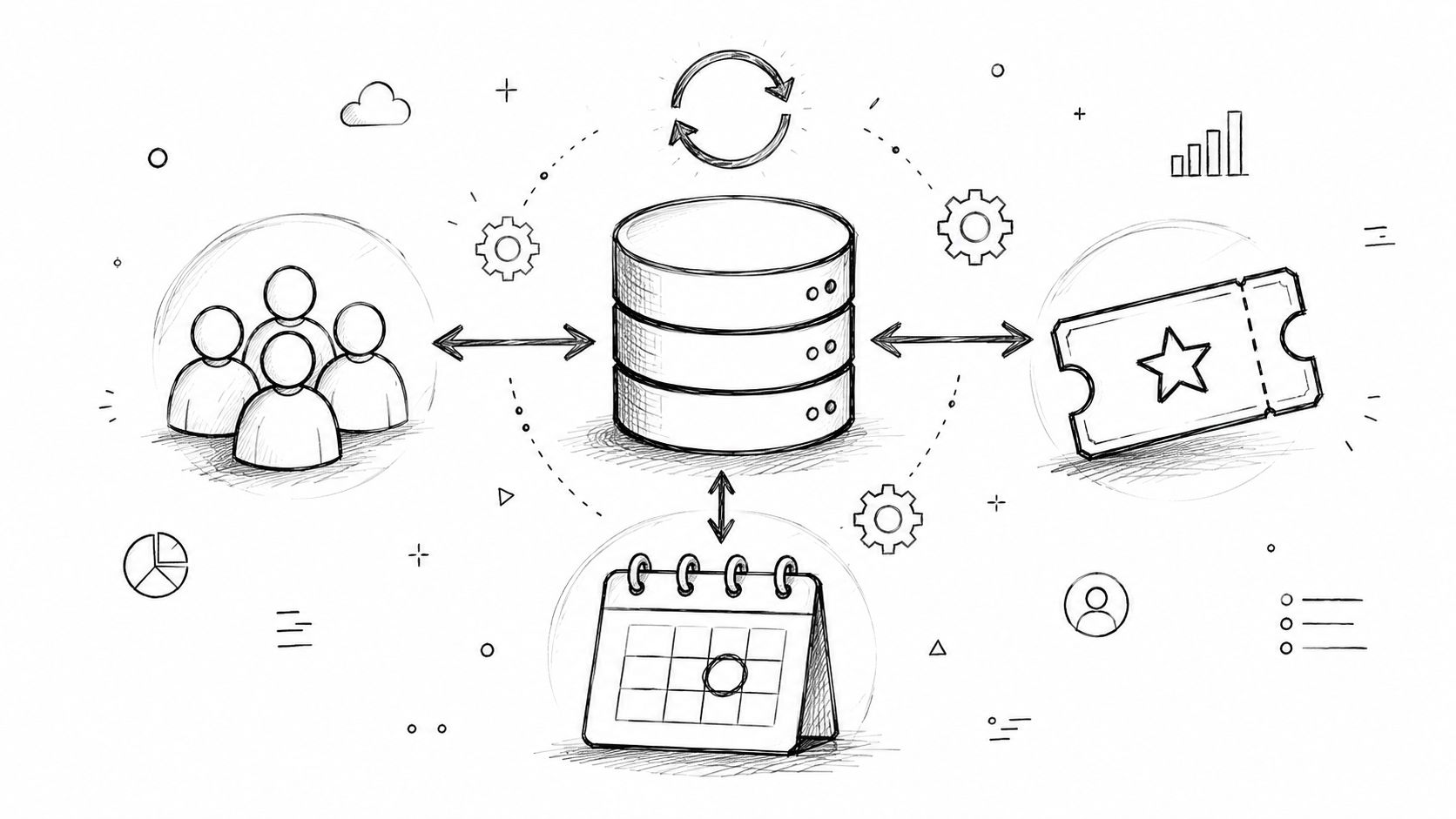
For communities, that usually means one system becomes the trusted source for the member record, even if data originates elsewhere. Registration tools, content hubs, mobile apps, surveys, sponsor portals, and support workflows can still exist. They just can't each define the member independently.
Good governance isn't glamorous. It's naming conventions, field rules, sync logic, ownership, and regular cleanup. But that's what turns scattered touchpoints into a usable asset.
Three issues show up constantly:
When teams ignore those issues, segmentation breaks. Reporting gets noisy. Automations misfire.
Clean data doesn't happen because a platform exists. It happens because someone owns the rules.
A workable governance model doesn't need to be massive. It needs to be specific.
Choose the fields that matter most across memberships and events. Then standardize how they are collected and stored.
Examples include:
Start with the fields you use for messaging, reporting, and service. Ignore vanity fields.
Not every team should edit every field. Membership, events, sponsorship, and marketing often need different permissions.
A lightweight access model helps:
| Team | Typical responsibility |
|---|---|
| Membership | profile accuracy, renewals, status fields |
| Events | registration data, attendance records, check-in status |
| Marketing | campaign fields, segments, communication preferences |
| Sponsorship | partner contacts, lead routing, exhibitor activity |
| Operations | schema rules, deduplication, integrations |
StackAdapt recommends governance controls such as regular refreshes, standardized formats, and audits. In community settings, that translates into recurring checks for duplicate records, broken syncs, missing consent data, and outdated profile fields.
Short, recurring hygiene work beats occasional cleanup projects. The latter usually happen only after reporting problems become visible to leadership.
A community manager usually doesn't fail at first-party data collection because they lack ambition. They fail because the member journey is fragmented. Registration happens in one place, membership lives somewhere else, event engagement sits in a separate tool, and sponsor activity never connects back to a usable profile.
That's where an integrated system becomes practical rather than theoretical.

Consider a professional association running memberships, webinars, and an annual conference. The team wants cleaner member profiles, better sponsor reporting, and more relevant messaging. Before integration, they have multiple forms, inconsistent data fields, and no easy way to connect event participation with ongoing community activity.
In an all-in-one environment, the workflow tightens.
A prospect joins through a branded registration flow. The first form stays short. Later, event registration adds topic interests and attendance intent. Member profiles accumulate engagement history over time. Communication settings stay visible. Event check-ins, content access, and interactions contribute to a more complete record without forcing the person to re-enter the same details repeatedly.
For community and event operators, the biggest gain is usually consistency.
That matters most when different departments touch the same person. Membership, marketing, events, and sponsors need one shared understanding of the relationship.
If you're evaluating the broader platform category, this overview of a white-label community platform is useful for comparing what an owned environment should support.
The operational win isn't just consolidation. It's momentum. Teams can move from "we should probably collect this somewhere" to "we know where this data belongs, how it's captured, and how we'll use it."
That's usually the difference between a community with a lot of disconnected activity and one with a genuine data asset.
The most useful way to think about first-party data collection is as a flywheel, not a project. You gather signals directly from members. You use those signals to improve relevance, service, events, and communication. Members experience a community that feels more useful and less noisy. That makes them more willing to engage again and share more over time.
That cycle only works when trust stays intact.
A strong community data loop looks like this:
This is why transparency matters so much. If members can see the benefit of sharing information, the relationship compounds. If they feel over-asked or misled, the loop breaks.
Don't start with a giant data strategy deck. Start with one journey.
If you need a practical place to focus, community analytics and insights are often the best starting point because they reveal which signals are already available and which ones are missing.
Better member experiences create better data. Better data creates better member experiences.
The teams that win here aren't the ones that collect the most. They're the ones that collect with restraint, manage with discipline, and use what they learn to make the community more valuable.
If you're ready to turn memberships, event registrations, engagement signals, and sponsor activity into a real first-party data asset, GroupOS gives community teams one place to manage the full relationship. You can capture data through branded experiences, unify member activity across programs, and put those insights to work without stitching together a patchwork stack.