8 Winning Example Event Proposal Templates for 2026
January 4, 2026
Crafting a compelling event proposal is the first critical step toward a sold-out success, but starting with a blank page can be a daunting task. A powerful proposal does more than just outline an agenda; it tells a persuasive story, clearly demonstrates value, and secures the essential buy-in from key stakeholders, executives, and sponsors. It is the foundational document that transforms a great idea into a tangible, funded, and approved event.
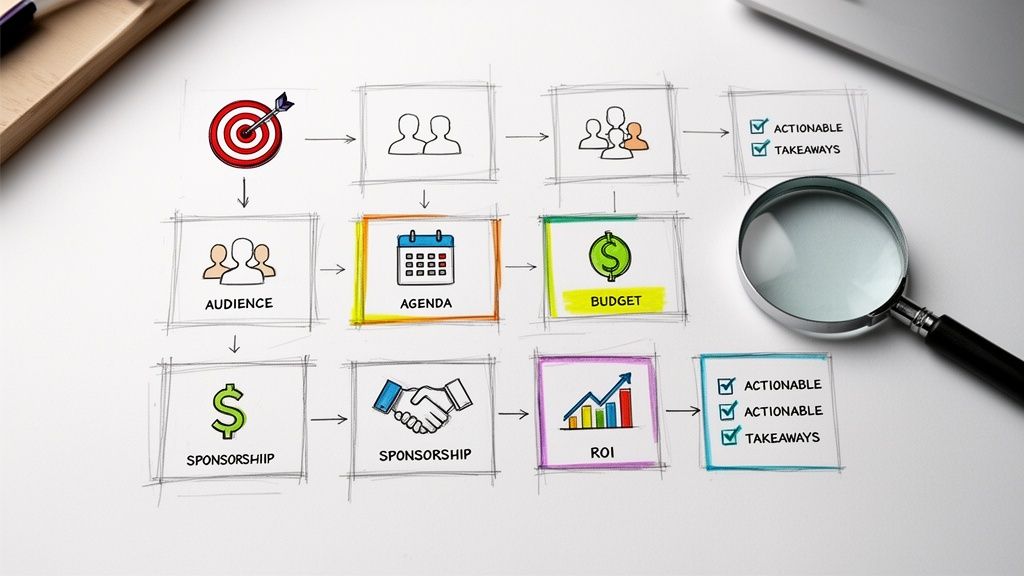
This guide provides a strategic breakdown of eight distinct example event proposal templates, each downloadable and fully customizable for different event formats. We will dissect proposals for everything from large-scale corporate conferences and professional association meetings to virtual webinar series and intimate executive roundtables. For each example, we will analyze the core components that drive approval:
Strategic Objectives & Audience Alignment: How to define clear, measurable goals.
Detailed Agenda & Program Flow: Structuring content for maximum engagement.
Comprehensive Budget & Financials: Presenting costs and revenue transparently.
Tiered Sponsorship Packages: Creating compelling value for partners.
Projected Return on Investment (ROI): Proving the event's business value.
You will learn not only what to include in your next example event proposal but how to frame each section for maximum impact. We'll also provide actionable checklists and show you how to operationalize your approved plan with a platform like GroupOS to seamlessly manage ticketing, VIP upgrades, exhibitor profiles, and post-event analytics. This turns your approved proposal into a measurable and streamlined reality.
1. Corporate Conference Proposal Template
A corporate conference proposal is a comprehensive blueprint designed to secure buy-in and funding from internal stakeholders and external sponsors. Unlike smaller event plans, this document must be meticulously detailed, focusing on strategic alignment with business goals, robust financial projections, and measurable ROI. It serves as the master plan for large-scale events like industry summits or annual user conferences, such as Salesforce's Dreamforce or the Gartner Symposium.
This type of proposal goes beyond a simple agenda. It justifies the event’s existence by connecting every element back to key performance indicators (KPIs), such as lead generation, brand visibility, and customer retention. A strong example event proposal for a corporate setting will break down attendee acquisition strategies, detail multi-tiered sponsorship opportunities, and present a budget that accounts for every line item, from venue rental to technology platforms.
Strategic Breakdown
The core strength of this proposal lies in its data-driven approach. It isn't just a creative vision; it's a business case.
Audience Segmentation: It clearly defines target attendee personas (e.g., C-level executives, IT managers, sales leaders) and outlines how the content, speakers, and networking sessions are tailored to each group.
Value Proposition: The proposal explicitly states the value for attendees (education, networking), sponsors (lead generation, brand exposure), and the host company (revenue, market leadership).
Operational Logistics: It includes a detailed operational plan, covering everything from registration and check-in procedures to post-event communication strategies, demonstrating feasibility and preparedness.
Actionable Takeaways for Your Proposal
To make your corporate conference proposal compelling, integrate tangible proof of your planning and potential for success.
Visualize Sponsorship Value: Instead of just listing benefits, use a tool like GroupOS’s page builder to create mock-ups of sponsor profile pages. This shows potential partners exactly what their investment will look like.
Forecast Engagement: Include mock-ups of an analytics dashboard to project key metrics like session attendance, exhibitor booth traffic, and lead capture rates. This transforms abstract goals into concrete, measurable outcomes.
Streamline Sponsor ROI: Detail how you will use custom registration forms to capture lead data that aligns directly with sponsors' needs, ensuring they receive high-quality, relevant contacts. For a deeper dive into crafting compelling sponsorship tiers, explore these insights on building effective event sponsorship packages.
2. Professional Association Annual Membership Meeting Proposal
An annual membership meeting proposal is a strategic document created for professional associations to gain approval and resources from their board of directors or governing body. Unlike a public-facing conference, its primary focus is on delivering tangible value to existing members, fostering community, and ensuring organizational transparency. This proposal is the cornerstone for events like the American Medical Association's annual member conferences or local Project Management Institute (PMI) chapter meetings.
This type of proposal must directly address member-centric goals such as retention, engagement, and professional development. It justifies the event by linking every session, networking opportunity, and decision-making forum back to the association's core mission. A powerful example event proposal for an association will detail agenda items that fulfill continuing education requirements, outline governance activities like board elections, and present a budget that prioritizes member experience over commercial profit.
Strategic Breakdown
The strength of this proposal lies in its clear demonstration of member value and its role in strengthening the association's community.
Member-Centric Agenda: It clearly outlines how the agenda serves member needs, from accredited workshops and industry-specific breakout sessions to committee reports and official business, ensuring the event is both engaging and purposeful.
Value Proposition: The proposal articulates distinct value for different membership tiers (e.g., students, professionals, fellows) and highlights how the event reinforces the benefits of continued membership, driving retention.
Engagement & Governance: It includes a detailed plan for facilitating member participation in association governance, collecting feedback, and using the event to build a stronger, more connected community for the year ahead.
Actionable Takeaways for Your Proposal
To make your association meeting proposal more persuasive, include specific examples of how you will measure and enhance member engagement.
Visualize Member Engagement: Incorporate a mock-up of a GroupOS membership dashboard to showcase projected engagement trends, such as session check-ins, networking activity, and poll participation, proving the event's impact.
Segment and Personalize Communication: Detail how you will use a global tagging feature to segment communications by membership level or special interest group (SIG), ensuring every member receives relevant updates and feels personally catered to. For a comprehensive overview of how such detailed planning fits into the larger picture, review the key stages in event planning.
Showcase Year-Round Value: Explain how you will use private channels to facilitate pre-meeting discussions and post-event follow-ups, demonstrating that the annual meeting is a catalyst for ongoing member conversation, not just a one-time event.
3. Virtual Webinar Series Proposal Template
A virtual webinar series proposal is a streamlined document designed to secure approval for recurring online educational events. Unlike a one-off event plan, this proposal emphasizes long-term value, focusing on audience growth, content repurposing, and continuous lead generation. It serves as a strategic roadmap for delivering consistent value, exemplified by programs like HubSpot's marketing certification series or Adobe's Creative Cloud training sessions.
This type of proposal justifies the series by demonstrating its potential as a powerful content engine. A strong example event proposal for a webinar series will detail speaker expertise, define clear learning outcomes, and outline a strategy for converting attendees into qualified leads. It moves beyond a single session's agenda to build a case for an ongoing program that establishes thought leadership and nurtures a community over time.
Strategic Breakdown
The strength of this proposal lies in its focus on scalability and sustained engagement. It presents the series not as a single event, but as a compounding asset.
Content Lifecycle: It outlines a plan for the content beyond the live event, detailing how recordings will be repurposed into on-demand courses, blog posts, or social media clips to maximize reach and ROI.
Audience Nurturing: The proposal clearly defines how the series will build a loyal following, using registration data and post-event feedback to tailor future topics and drive repeat attendance.
Lead Generation Engine: It specifies the mechanism for lead capture and qualification, explaining how custom registration forms and post-webinar surveys will identify high-intent prospects for the sales team.
Actionable Takeaways for Your Proposal
To make your webinar series proposal compelling, showcase how you will create a seamless and engaging experience that drives measurable results.
Centralize Content Delivery: Propose using a platform like GroupOS to create a centralized hub where attendees can access live sessions, view on-demand recordings, and download resources. This demonstrates a professional and user-friendly approach.
Automate Communication: Detail your plan to integrate automated reminders via email or Slack through your event platform. This shows stakeholders you have a clear strategy to maximize attendance and reduce no-shows.
Visualize Engagement Analytics: Include a mock-up of an analytics dashboard to project metrics like attendance rates, drop-off points, and Q&A participation. This translates your engagement goals into tangible, trackable KPIs for each session in the series.
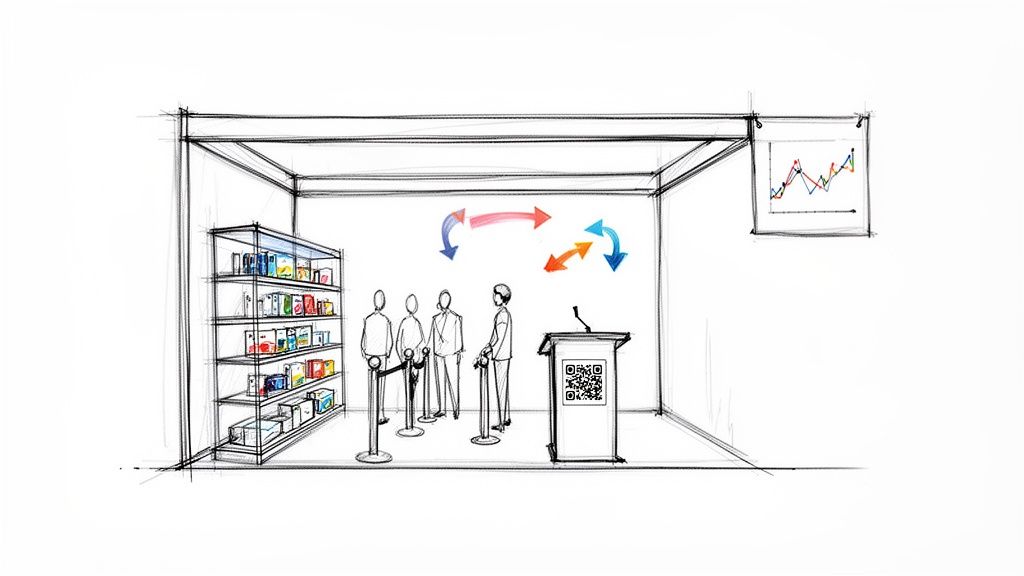
4. Trade Show and Exhibition Booth Proposal Template
A trade show and exhibition booth proposal is a specialized document crafted to secure participation, sponsorship, or exhibitor space at a major industry event. This proposal is laser-focused on maximizing physical presence and demonstrating clear ROI through direct attendee engagement and lead generation. It’s the essential tool for companies planning to exhibit at massive events like CES or AWS re:Invent, where standing out among hundreds of competitors is paramount.
This type of proposal moves beyond just renting floor space; it outlines a comprehensive strategy for attracting foot traffic, capturing qualified leads, and creating a memorable brand experience. A powerful example event proposal for an exhibition booth will detail the booth's design and interactive elements, a precise lead capture methodology, and a budget that connects every expense to a specific engagement goal. It’s a business plan for a mini-event within a larger one.
Strategic Breakdown
The strength of a trade show proposal is its focus on tangible interactions and measurable outcomes. It’s less about broad brand awareness and more about quantifiable lead acquisition and direct sales opportunities.
Lead Capture Mechanics: It clearly outlines the technology and process for capturing leads, such as QR code scans, badge scanners, or interactive games, and details the lead qualification criteria booth staff will use.
Booth Engagement Strategy: The proposal describes the specific activities, product demos, and giveaways designed to draw attendees in and hold their attention, justifying the investment in booth design and staffing.
Exhibitor ROI Projections: It presents clear metrics for success, such as projected cost per lead, number of qualified leads expected, and potential pipeline revenue generated from the event.
Actionable Takeaways for Your Proposal
To make your exhibition proposal stand out, provide concrete examples of how you will manage and maximize your presence.
Showcase Exhibitor Profiles: Use a platform like GroupOS to create a digital exhibitor profile page mock-up. This shows stakeholders what your product showcases, downloadable resources, and meeting schedulers will look like to attendees.
Implement Frictionless Lead Capture: Detail a plan to use QR codes at various points in the booth (e.g., product displays, presentation screens) that link directly to lead capture forms, streamlining the process for both staff and visitors.
Enhance Staff Coordination: Propose setting up a private communication channel in GroupOS for booth staff. This allows for real-time lead updates, scheduling changes, and instant coordination to ensure no opportunity is missed. For more inspiration, explore these innovative trade show booth ideas.
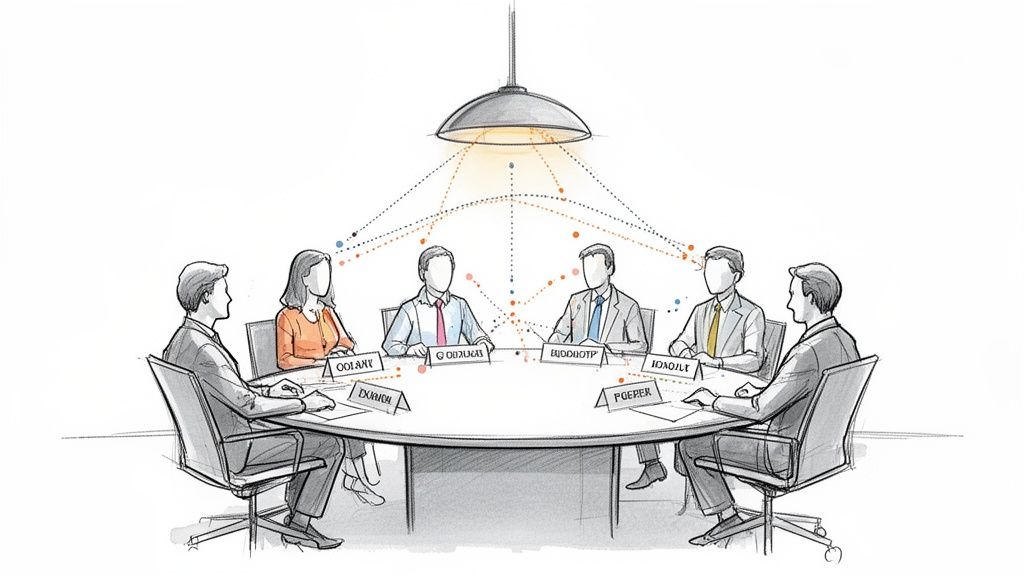
5. Executive Roundtable and Intimate Networking Event Proposal
An executive roundtable proposal is a specialized document designed for small-scale, high-value gatherings. Unlike proposals for large conferences, this type focuses on exclusivity, curated attendance, and fostering deep, meaningful connections. It is the ideal format for events like CEO forums, venture capital networking dinners, or executive mastermind meetings, where the primary goal is peer-to-peer discussion and relationship building, not mass lead generation.
This proposal must articulate the value of intimacy and thought leadership. It justifies the exclusive nature of the event by detailing attendee curation criteria and highlighting the strategic importance of the conversations it will facilitate. A compelling example event proposal for an executive roundtable will emphasize the quality of interactions over the quantity of attendees, framing the event as a unique opportunity for high-level strategic exchange.
Strategic Breakdown
The power of this proposal comes from its focus on creating an unparalleled environment for influential leaders. It’s less about logistics and more about engineering serendipity and strategic dialogue.
Attendee Curation: The proposal must explicitly define the criteria for invitation (e.g., C-level title, company revenue, specific industry expertise) to guarantee a room of true peers. This ensures every participant derives maximum value from the discussions.
Facilitated Serendipity: It outlines a flexible, discussion-driven agenda rather than a rigid schedule of presentations. The focus is on moderated conversations, problem-solving sessions, and organic networking.
Relationship-Building Outcomes: The proposal clearly states the primary ROI is not ticket sales but the creation of long-term strategic alliances, partnerships, and a powerful, interconnected community of leaders.
Actionable Takeaways for Your Proposal
To make your executive roundtable proposal resonate, demonstrate how you will engineer high-value connections before, during, and after the event.
Visualize Attendee Networks: Use a tool like GroupOS’s interactive member map to show stakeholders how you can strategically plan seating arrangements and introductions based on attendees' backgrounds and interests.
Pre-Engage with Key Topics: Create a private channel in your community platform for confirmed attendees to submit discussion topics and begin networking before the event. This builds anticipation and ensures the conversation is highly relevant.
Enable Continued Dialogue: Detail a post-event engagement plan that uses your community platform for continued discussions and one-to-one messaging, transforming a single meeting into an ongoing strategic mastermind group.
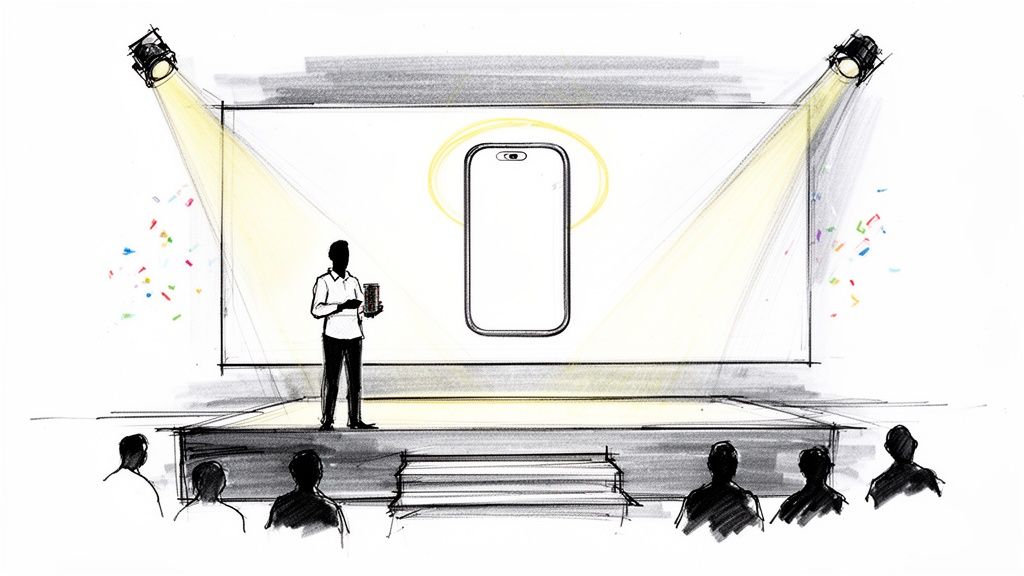
6. Product Launch Event Proposal Template
A product launch event proposal is a high-stakes document designed to orchestrate a memorable and impactful market debut. It blends marketing, public relations, and live event production to create a single, powerful moment that generates buzz and drives initial sales. Unlike other event proposals, this one focuses on narrative and spectacle, aiming to capture the attention of media, influencers, and early adopters, as seen in iconic events by Apple or Tesla.
This example event proposal must detail more than just an agenda; it outlines a comprehensive go-to-market strategy. It justifies the investment by tying the event directly to critical business objectives like media impressions, pre-order targets, and market share growth. A well-crafted proposal will articulate a clear plan for creating an immersive brand experience, from the initial invitation to the post-event follow-up, ensuring the product is the undisputed star.
Strategic Breakdown
The strength of a product launch proposal is its ability to build and control a narrative. It's less about attendee interaction and more about message delivery and amplification.
Audience Tiering: The proposal must define distinct audience tiers such as media, key partners, VIP customers, and influencers. It should then detail a tailored experience for each, including exclusive access, pre-briefings, or hands-on demo opportunities.
Media and Influencer Strategy: It outlines a detailed plan for securing press coverage, including a list of target publications and influencers, an embargo strategy, and the distribution of press kits with high-quality assets.
The "Big Reveal" Moment: The proposal explicitly scripts the pinnacle of the event. This includes the logistics for live demonstrations, keynote presentations, and the strategic use of video and lighting to create a dramatic and shareable moment. When developing a Product Launch Event Proposal, consider how you will leverage visual content. Learn more about creating compelling product videos that can be a centerpiece of your presentation.
Actionable Takeaways for Your Proposal
To ensure your product launch proposal resonates with stakeholders, focus on demonstrating control over the experience and its subsequent market impact.
Segment Access with Ticketing: Use a tool like GroupOS’s custom ticketing to create tiered registration paths. This allows you to manage access for media, VIPs, and partners, ensuring each group receives a curated experience.
Create Exclusivity for Early Adopters: Detail a plan to deliver exclusive post-event content, such as behind-the-scenes footage or special offers, through a private GroupOS hub. This rewards your most loyal customers and turns them into brand evangelists.
Showcase Partner Collaboration: Build mock-ups of sponsor or partner profile pages within the event platform. This shows complementary brands exactly how they will be featured, encouraging co-marketing opportunities and maximizing reach.
7. Hybrid Certification and Training Program Proposal
A hybrid certification and training program proposal is a detailed document designed to secure approval for educational initiatives that combine in-person workshops with online learning modules. Unlike a single-event proposal, this blueprint outlines a long-term learning journey, focusing on curriculum structure, instructor qualifications, and the tangible value of the final credential. It serves as a strategic plan for comprehensive programs like General Assembly bootcamps or Coursera professional certificates.
This type of proposal justifies the program’s value by detailing how it addresses specific skill gaps and career advancement needs. A powerful example event proposal for a hybrid training program will map out the learner's path, from onboarding to final assessment, and clarify how technology will bridge the gap between physical and virtual classrooms. It must present a clear ROI for participants in the form of career opportunities and skill mastery.
Strategic Breakdown
The strength of this proposal is its focus on educational outcomes and learner engagement throughout a prolonged period. It’s a curriculum plan and a community-building strategy rolled into one.
Curriculum Pacing: It clearly defines the progression of learning, outlining how on-demand video lectures, live online sessions, and in-person labs or workshops build upon each other.
Learner Value Proposition: The proposal articulates the credential's industry recognition, the skills participants will acquire, and the post-completion career support or community access they will gain.
Integrated Learning Environment: It details the technological infrastructure used to create a cohesive experience, including how content is delivered, how peer-to-peer interaction is facilitated, and how progress is tracked across both modalities.
Actionable Takeaways for Your Proposal
To make your hybrid certification proposal stand out, demonstrate a clear, integrated, and supportive learning environment.
Map the Learner Journey: Include a visual flowchart of the entire program, showing touchpoints like live Q&A sessions, peer review assignments, and in-person networking events. This visualizes the blended experience.
Centralize Resources: Explain how you will use a platform like GroupOS to create a centralized content hub where learners can access videos, readings, and assignments. Use global tagging to organize materials by module or topic for easy navigation.
Foster a Learning Community: Detail plans to create cohort-specific private channels for discussion and group projects. This shows you are building not just a course, but a supportive network. For a deeper guide, see these strategies for how to create a certification program.
8. Community Fundraiser and Charity Benefit Event Proposal
A community fundraiser proposal is a mission-driven document crafted to secure financial support, in-kind donations, and volunteer commitment for a charitable cause. Unlike corporate proposals focused on ROI, this document centers on emotional connection, impact storytelling, and donor stewardship. It serves as the strategic framework for events like the American Heart Association's Go Red for Women galas or local food bank benefit dinners, where success is measured in funds raised and community engagement.
This proposal must articulate a compelling narrative that connects the event directly to the organization's mission. A powerful example event proposal for a nonprofit will detail not just the logistics of the gala or auction, but also how each ticket sold or sponsorship package secured translates into tangible outcomes, such as meals provided, research funded, or lives changed. It’s a tool for inspiration and a call to action, blending logistical planning with heartfelt purpose.
Strategic Breakdown
The strength of a charity proposal lies in its ability to translate passion into a plan. It must demonstrate both the urgency of the need and the organization's capability to create meaningful change with the funds raised.
Impact-Driven Sponsorship Tiers: Instead of generic "Gold" or "Silver" levels, sponsorship is framed around impact. Tiers are named to reflect specific outcomes, like "Scholarship Sponsor" or "Meal Program Patron," showing donors exactly what their contribution achieves.
Donor Cultivation Journey: The proposal outlines a clear plan for donor engagement before, during, and after the event. This includes pre-event acknowledgments, VIP experiences at the fundraiser, and post-event impact reports to foster long-term relationships.
Volunteer Mobilization: A detailed section on volunteer coordination is crucial. It outlines roles, responsibilities, and communication plans, demonstrating that the organization has the human resources needed to execute the event flawlessly.
Actionable Takeaways for Your Proposal
To elevate your fundraiser proposal from a simple request to an irresistible invitation to make a difference, showcase your stewardship and impact.
Visualize Donor Recognition: Use a tool like GroupOS’s page builder to create mock-ups of personalized profiles for major donors and sponsors. This provides a tangible preview of how their generosity will be celebrated within the community.
Create Mission-Tied Sponsorships: Structure your sponsorship packages directly within your platform, naming tiers after the specific programs they fund (e.g., "Education Level," "Healthcare Level"). This makes the act of giving more direct and meaningful.
Streamline Volunteer Coordination: Detail how you will use a dedicated community platform to create channels for volunteer committees. This shows stakeholders a clear, organized plan for managing event staff and ensuring smooth operations.
Event Proposal Comparison: 8 Examples
Proposal Type
Implementation Complexity 🔄
Resource Requirements ⚡
Expected Outcomes 📊⭐
Ideal Use Cases 💡
Key Advantages ⭐
Corporate Conference Proposal Template
Very high 🔄🔄🔄 — multi-track, sponsor coordination
Very high ⚡⚡⚡ — budget, staff, vendor ops
Large attendance, multiple revenue streams, measurable ROI 📊 ⭐⭐
Large-scale industry summits, enterprise conferences
Benefit galas, nonprofit fundraisers, community drives
Emotional engagement; multiple revenue streams; donor recognition systems ⭐
Bringing Your Proposal to Life: Execution and Measurement
We've explored a comprehensive array of event proposal examples, from large-scale corporate conferences to intimate charity fundraisers. Throughout these templates and strategic breakdowns, a clear pattern emerges: a successful proposal is not just a document, it's a meticulously crafted business case designed to win buy-in, secure funding, and set the stage for a flawless event. It’s the architectural blueprint for an experience that delivers tangible value.
Each example event proposal we analyzed underscores the critical need for a narrative that resonates with its specific audience. For corporate stakeholders, this means a laser focus on ROI, lead generation, and brand positioning. For association members, it's about demonstrating value through professional development, networking, and community building. Your proposal's power lies in its ability to translate your vision into a language your stakeholders understand and support.
From Blueprint to Reality: Key Strategic Takeaways
Mastering the art of the proposal is the first major hurdle. The next is transforming that well-researched plan into a living, breathing event. As you move from approval to execution, remember these core principles that bridge the gap between planning and performance:
Clarity is King: Your objectives, budget, and agenda must be unambiguous. Vague goals lead to unfocused events and make it impossible to measure success. Each line item and agenda session should directly support the primary objectives you outlined.
Audience-Centricity is Non-Negotiable: Every decision, from the choice of speakers to the ticketing structure, must be made with the attendee experience in mind. A proposal that promises a "premier networking experience" must be followed by an execution plan that actively facilitates connection.
Data is Your Compass: A great proposal is built on solid data, from audience demographics to industry benchmarks. This reliance on data must continue through the event lifecycle. Tracking registration trends, session attendance, and post-event feedback is crucial for proving ROI and refining your strategy for future events.
The Operational Pivot: Activating Your Approved Proposal
Once your event proposal receives that coveted green light, the focus shifts immediately to logistics and marketing. This is where your detailed planning pays dividends. The budget you fought for becomes your operational guide, and the agenda you outlined becomes your project timeline. A key element of this pivot is launching a promotional strategy to fill seats and attract sponsors. To effectively plan and execute this crucial step, it's essential to understand how to create a marketing campaign that drives real results, ensuring your event gets the visibility it deserves.
This operational phase is also where a unified event management platform becomes indispensable. Instead of juggling disparate tools for ticketing, communications, and analytics, a system like GroupOS allows you to operationalize your proposal seamlessly. You can build out the tiered ticketing and VIP packages you proposed, create profiles for the exhibitors you planned to feature, and host content for the hybrid sessions you detailed. This integration doesn't just save time; it ensures the promises made in your proposal are delivered consistently, creating a cohesive and professional experience for every participant.
Ultimately, a winning example event proposal is more than a request for resources. It is your commitment to delivering an exceptional experience that achieves specific, measurable goals. By combining a compelling, data-driven proposal with strategic execution and the right technology, you position your event not as an expense, but as a vital investment in your community, brand, and bottom line.
Ready to turn your next winning proposal into a flawlessly executed event? GroupOS provides the all-in-one platform to manage ticketing, engage attendees, and prove ROI, all in one place. See how you can bring your event vision to life by exploring GroupOS today.
8 Winning Example Event Proposal Templates for 2026