January 2, 2026
A successful event doesn’t just happen. It’s built on a clear strategy that methodically moves from a big-picture vision to a series of specific, manageable tasks. The whole process starts with defining your goals, building a realistic timeline, and getting your strategic foundation right long before you even think about booking a venue. This early work ensures every decision you make has a purpose and keeps your entire team on the same page.
The real magic of event planning happens months before the doors open. It all starts with a crystal-clear vision and a rock-solid strategy, turning those initial brainstorms into a concrete blueprint for success. This is where you ask the tough questions and create the framework that will guide every choice you make down the road.
Honestly, without this foundational work, even the most well-funded event can feel scattered and completely miss the mark. This phase isn’t just about dodging last-minute chaos; it’s about drawing a direct line from your association’s mission to the attendee’s experience.
Before you get lost in the weeds of logistics, stop and answer the single most important question: Why are we even doing this? The answer is the bedrock of your entire event strategy. Your goals need to be bigger than just hitting a certain attendance number; they should tie directly back to your organization's core mission.
Are you trying to:
Once you've nailed down the "why," it's time to set some SMART goals—Specific, Measurable, Achievable, Relevant, and Time-bound. For example, instead of a vague goal like "increase engagement," a much better SMART goal is: "Increase post-event community discussion board activity by 25% within 30 days."
Getting these goals documented and shared is non-negotiable for keeping everyone aligned. A great way to organize all this is with a comprehensive event brief. For some practical guidance, check out our article on crafting the perfect event brief format.
A detailed timeline is your absolute best friend in event planning. It breaks the entire monster of a project into smaller, less intimidating phases and puts a deadline on every key milestone. For most professional association events, you really need to start planning nine to twelve months out.
The events industry is booming, projected to hit $1,346.92 billion with a staggering 9.7% annual growth. That competition means you have to be efficient. It's no surprise that 79% of event professionals now rely on event management systems to juggle complex timelines. And with attendee acquisition being a major headache for 21% of organizers, having a well-oiled timeline isn't just nice—it's essential.
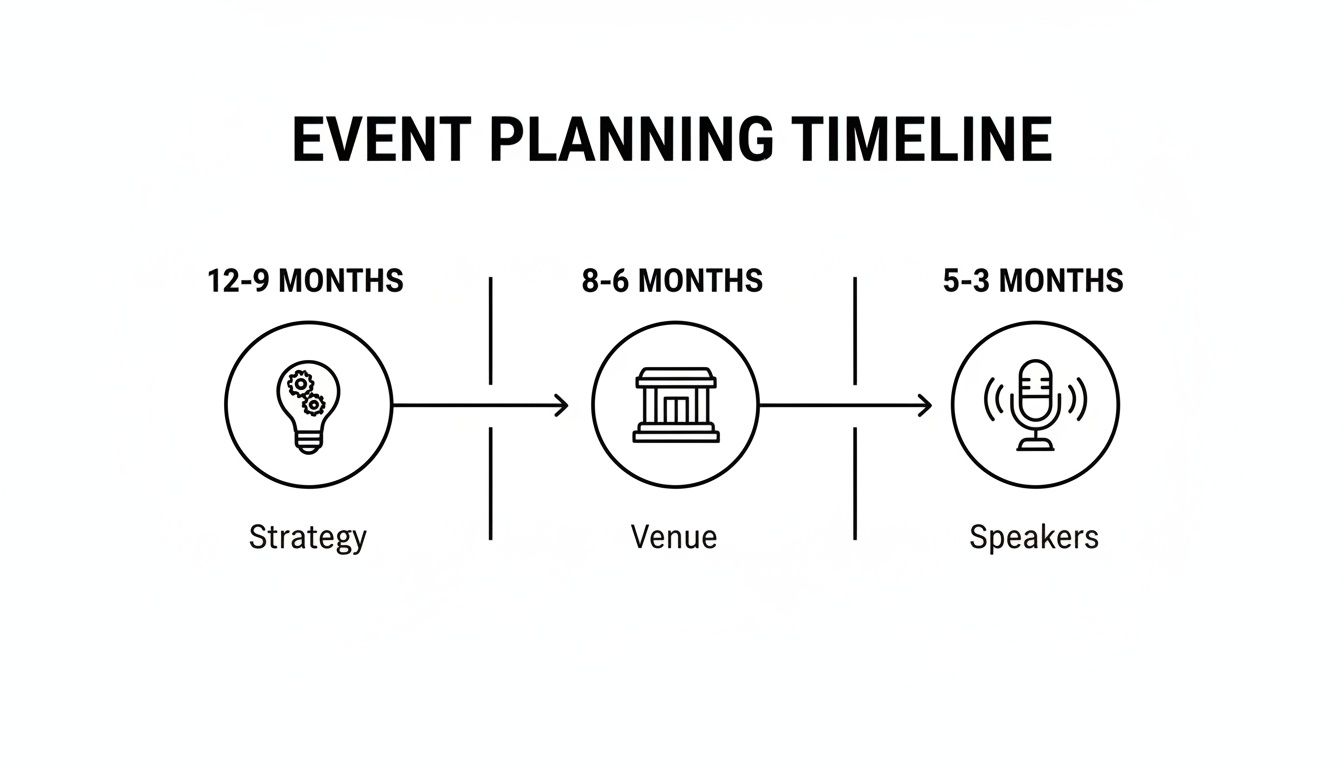
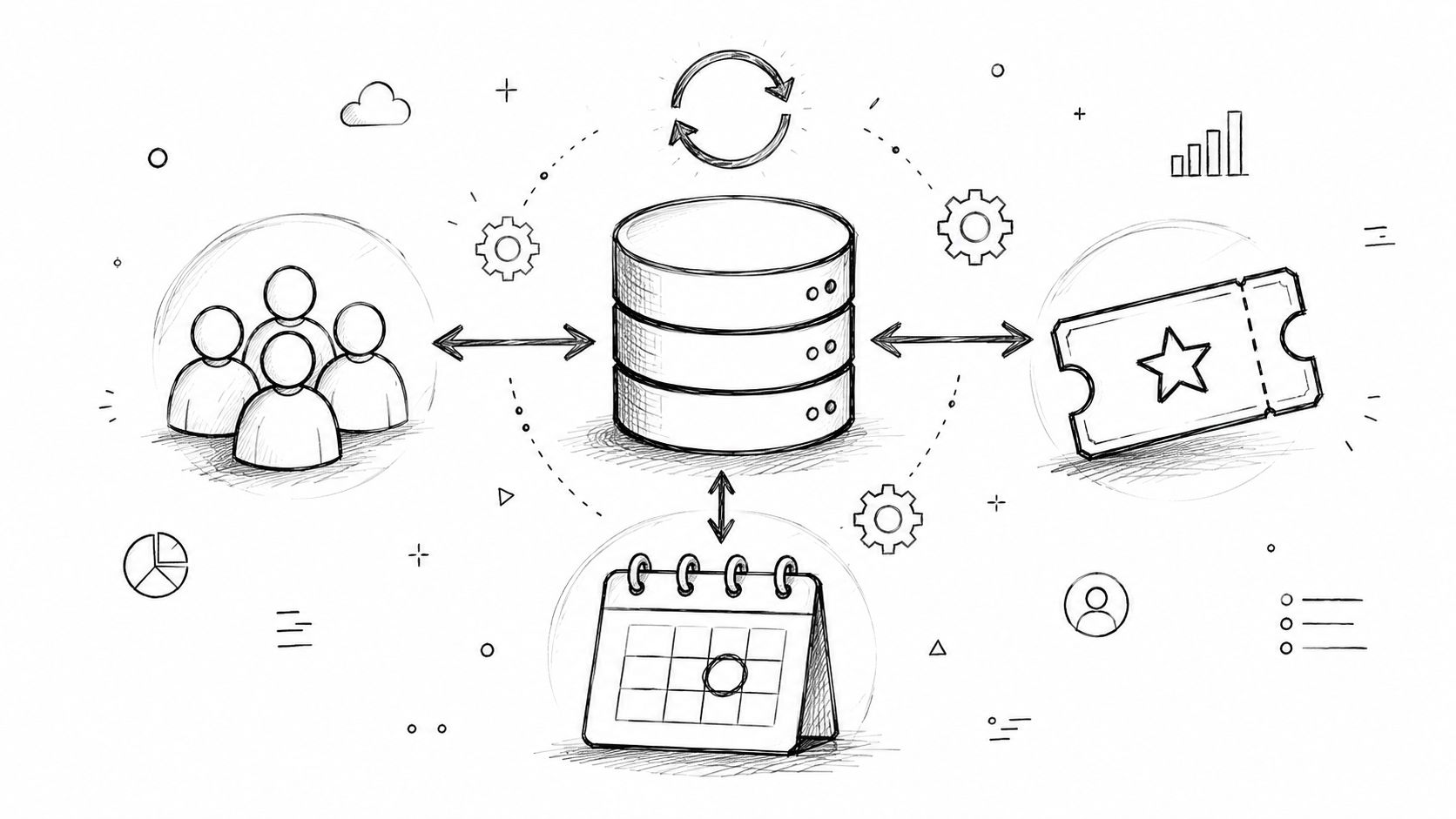
This visual really drives home how crucial those early decisions are. Your strategy and venue choice create a domino effect for everything that follows.
I’ve seen it happen a hundred times: planners completely underestimate how long it takes to negotiate with vendors or how much lead time marketing really needs. Do yourself a favor and build a buffer of at least two to three weeks into your timeline for those inevitable curveballs.
A dedicated platform makes this so much easier to manage. For instance, with GroupOS, you can centralize the entire process. Building your event page, setting up registration, and managing marketing are all handled in one dashboard, connecting your timeline milestones directly to the tools you need to hit them. It transforms your timeline from a static spreadsheet into a living, breathing project management hub.
To give you a clearer picture, here’s a look at what those early-to-mid-stage milestones might look like.
A solid timeline is the backbone of any successful event. This sample breaks down key planning stages, the tasks involved, and how a platform can help keep you on track from start to finish.
This table is just a starting point, of course. The key is to adapt it to your specific event's complexity and then stick to it as closely as possible.
Let's talk about the money. A well-managed budget is the absolute bedrock of a successful event. It’s what turns your great ideas into a tangible, achievable reality. Think of it less as a spreadsheet and more as a financial roadmap, accounting for every dollar coming in and every dollar going out.
This isn't just about making sure you don't end up in the red. It's about being strategic. A clear financial picture lets you invest in the things that truly matter to your members and sponsors, and—critically—it gives you the hard data you need to prove your event's value.
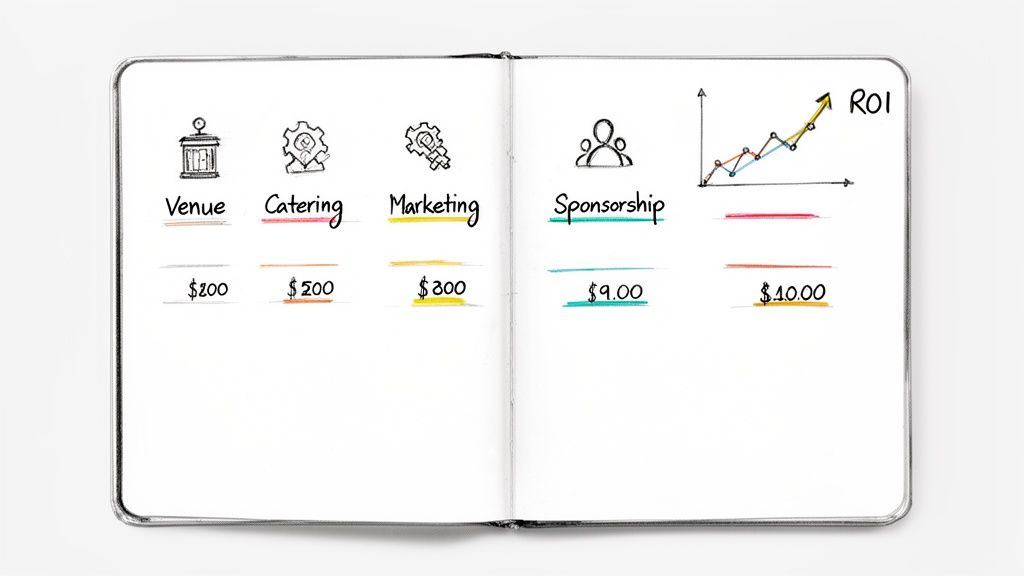
The good news is that the industry is in growth mode. Recent numbers show that 74% of event marketers are planning to increase their spending, while only a tiny 5% are expecting to make cuts. This follows a broader trend where 66% of professionals are looking to host more events, making smart budgeting more important than ever.
As the virtual event market heads toward a staggering $236.69 billion, 63% of organizers are beefing up their digital budgets. With nearly 20% expecting a higher ROI, strategic planning is no longer optional—it's essential for a profitable outcome. You can find more of these insights in this in-depth event industry report.
First things first: you need to get everything down on paper. This means creating an exhaustive list of every single potential expense, not just the obvious big-ticket items.
I find it easiest to break things down into categories:
Laying it all out this way prevents nasty surprises and helps you spot opportunities to negotiate with vendors or find more cost-effective solutions.
Ticket sales are great, but they're only one piece of the puzzle. To really maximize your event's financial health, you need to get creative with revenue. Diversifying your income not only strengthens your budget but also creates more ways for partners to get involved.
Here are a few ideas to get you started:
A common mistake is just sending sponsors a generic menu of options. The best approach? Have a real conversation first. Ask them what their marketing goals are for the year, and then build a custom package that directly helps them achieve those goals. They'll pay a lot more for a solution than they will for a logo on a banner.
Your budget isn't something you create once and then file away. It's a living document. You have to track your expenses in real time to stay on course and make smart decisions as you go. An all-in-one platform like GroupOS is built for this—it lets you see ticket revenue pouring in and expenses going out, all in one dashboard.
Once the confetti settles, your job shifts to proving the event's value. Return on investment (ROI) is about more than just profit and loss; it's about showing that you hit the goals you set out to achieve in the first place.
To do this right, you have to connect the dots between your spending and your outcomes. For example, if your primary goal was to attract new members, your ROI calculation would compare the marketing costs to the lifetime value of the new members you signed up. This is how you turn raw data into a powerful story for your board and stakeholders. For a much deeper dive, check out our complete guide on how to measure event success, which is packed with detailed frameworks and key metrics.
You can plan the most incredible event in the world, but if nobody shows up, it's just a dress rehearsal in an empty room. This is the point where your focus shifts from pure logistics to people. It's time to build a marketing and communications plan that doesn't just inform but genuinely excites your community and, most importantly, gets them to register.
Forget about sending out a few generic email blasts and calling it a day. The real goal is to create a groundswell of excitement and nurture a sense of community long before the welcome speech. This means using multiple channels in a way that feels authentic to your members and makes it incredibly easy for them to go from "interested" to "attending."
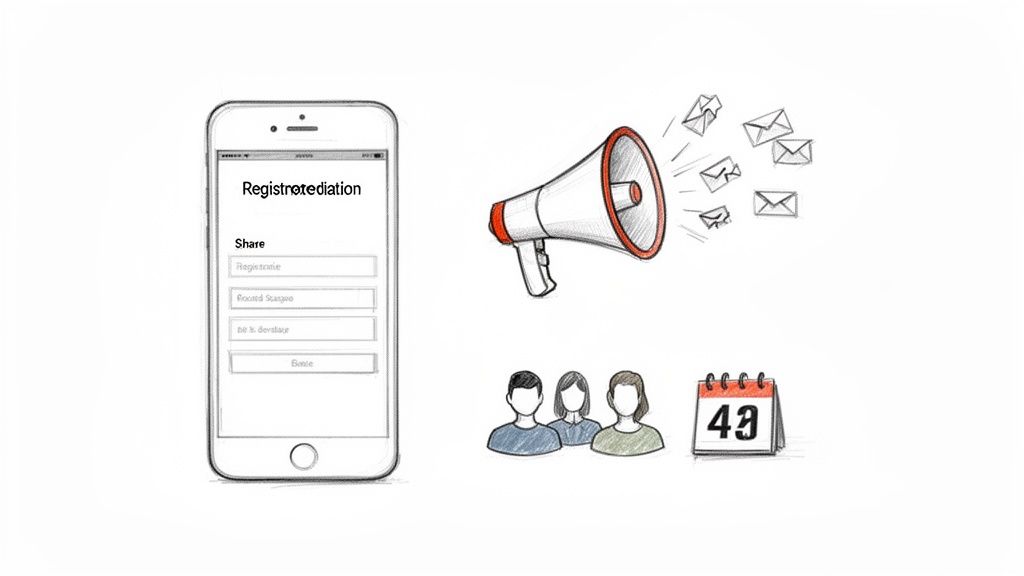
Think of your registration process as the digital front door to your event. If it’s clunky, confusing, or takes forever to load, you’ll lose people before they even hit the "confirm" button. Simplicity is everything here. Your registration form needs to be clean, mobile-friendly, and should only ask for the information you absolutely need.
Put yourself in your attendees' shoes. Can they register on their phone while waiting for a coffee? Are the ticket prices and what's included crystal clear? This is also your first real chance to gather some incredibly useful data. Add a few custom questions to your form to ask about things like:
Taking this extra step shows you're thinking about the individual's experience, not just the headcount. It also makes your life a lot easier on the back end. Using a tool like GroupOS lets you build these forms right into your event page, keeping all that valuable attendee info organized in one central hub.
Relying on a single channel to promote your event is a sure-fire way to end up with a half-empty room. A winning strategy meets your members where they already are, using a mix of platforms to tell your event's story. Remember, your marketing shouldn't just be an announcement; it should build a compelling narrative.
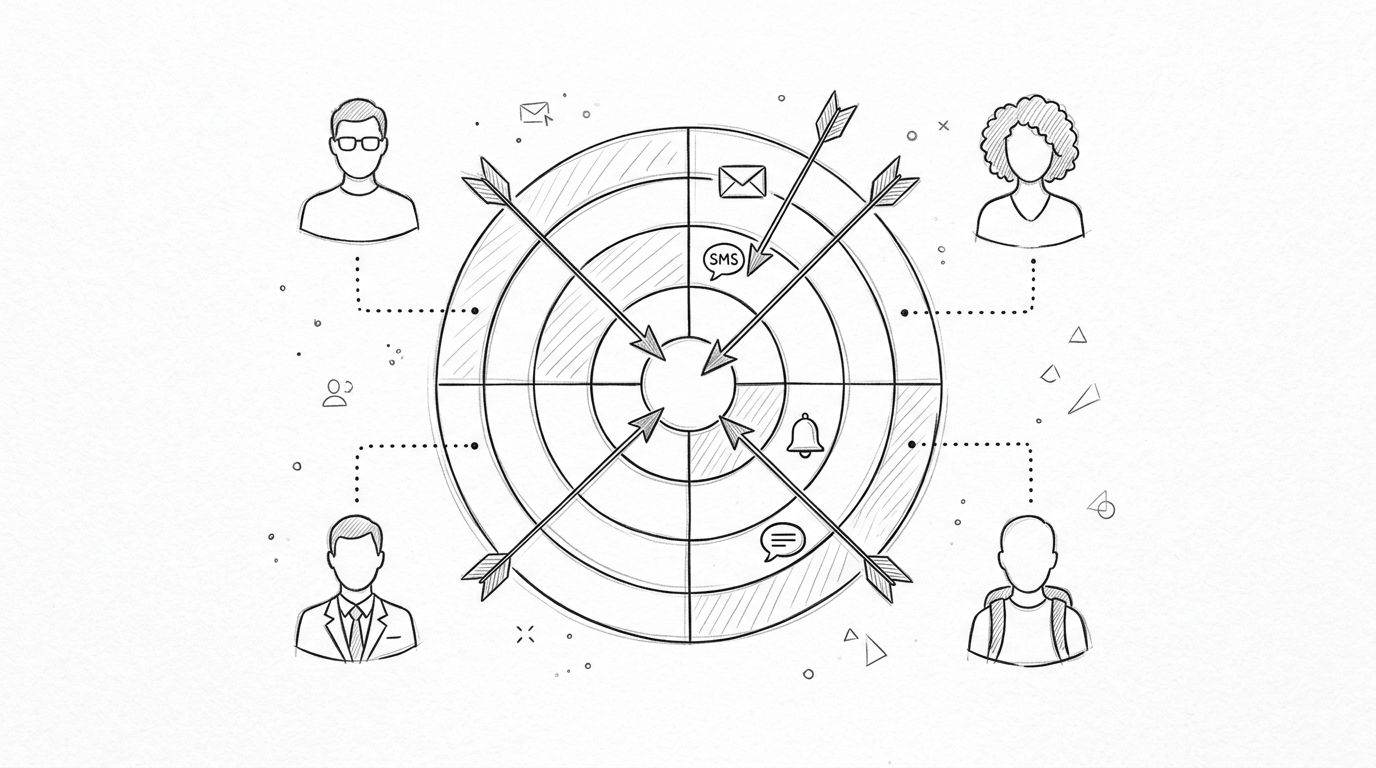
Your most powerful asset is almost always your member email list. Start there. But don't just send one email to everyone. Segment your list and tailor the message. For instance, send a "welcome back" discount to people who came last year, and a different email to new members highlighting the incredible networking opportunities they won't want to miss.
Beyond email, get active on the social media channels your community actually uses. Post some behind-the-scenes photos, share speaker headshots with thought-provoking quotes, and maybe even some short video testimonials from past attendees. The key is to spark a conversation, not just broadcast information. Ask questions, run polls about session topics, and create a unique event hashtag to bring all the chatter together.
I’ve seen organizations get fantastic results by creating a simple "promotional toolkit" for their speakers and sponsors. It includes pre-written social media posts, branded graphics, and suggested email copy. It makes it incredibly easy for them to share the event with their networks, amplifying your reach exponentially.
Let's be honest, a recommendation from a trusted colleague is far more powerful than any paid ad. Your most passionate members are your secret weapon, so your strategy should focus on empowering them to spread the word.
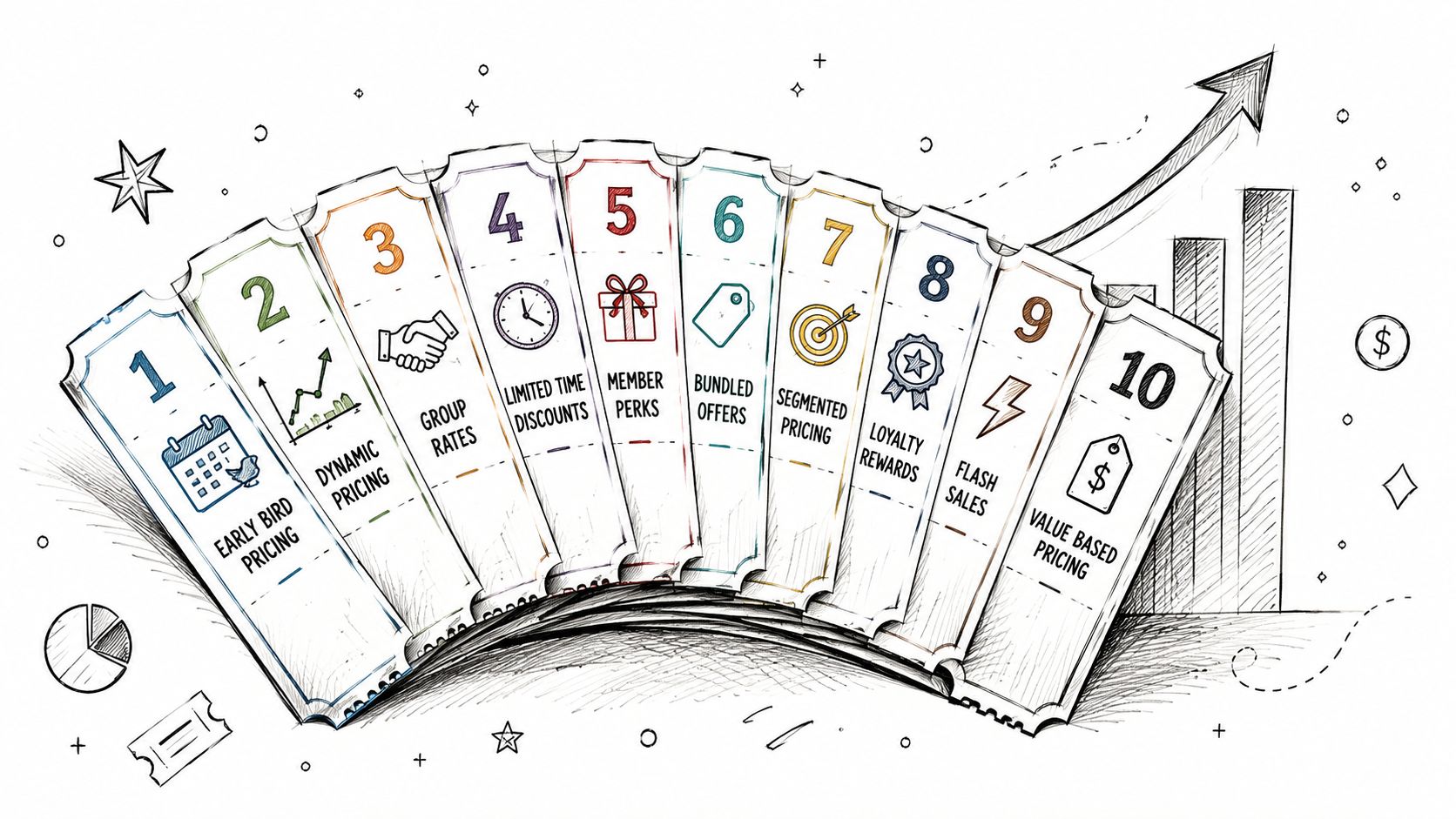
One of the easiest ways to do this? Create an early-bird or referral discount. Give every registered attendee a unique code to share with their network. When someone new signs up with that code, both of them get a small discount. It’s a simple, effective way to gamify the process and incentivize sharing.
The good news is that people are eager to connect in person. Recent data shows that 53.1% of organizers are reporting increased attendance, and with 83% of meetings now including an in-person component, the demand is there. The challenge, however, is that attracting the right attendees is still a major hurdle for 21% of planners. By activating your community, you tap into highly qualified networks, ensuring the room is filled with people who will get the most value from being there. You can dig into more of the latest event industry trends and statistics to see the full picture.
This becomes seamless when your event registration is built directly into your community platform, which is exactly how GroupOS is designed. Members can see which of their peers are already going, jump into a forum to discuss sessions, and share the event link—all without ever leaving the platform. This transforms registration from a simple transaction into a genuine community-building activity.
After months of planning, it all comes down to event day. This is where your blueprint becomes a real, live experience for your members. But its success rides entirely on getting the logistics right—both for the people in the room and for those joining virtually.
The goal is to make everything feel effortless. When logistics are seamless, attendees can focus on what they came for: connecting, learning, and engaging. It’s all about anticipating their needs and smoothing out any potential bumps in the road before they even notice them.
From a lightning-fast check-in to making sure the AV works without a hitch, every little detail adds up. This is your game plan for nailing the on-the-ground execution.
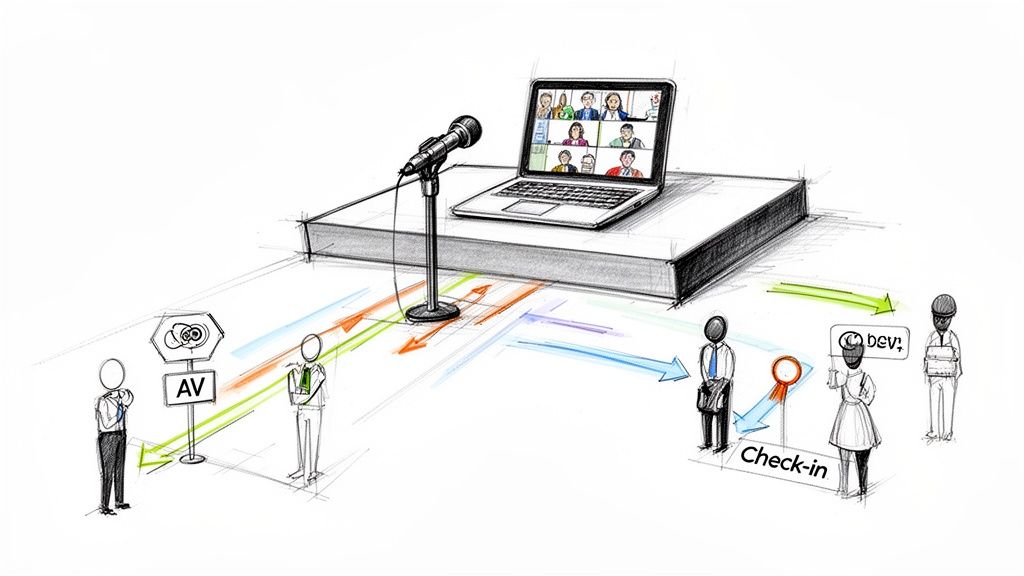
A great on-site experience is built on clarity. Your staff and volunteers are the face of the event, so they need to be armed with the right information and feel confident in their roles.
Before a single attendee walks through the door, get your entire team together for a detailed briefing. Make sure everyone has a schedule, a venue map, and a list of key contacts. It helps to assign specific roles: one person becomes the go-to for A/V issues, another manages speakers, and someone else handles general attendee questions. This simple step prevents chaos and empowers your team to solve problems quickly. Of course, a crucial part of this is planning effective security for event hire to ensure everyone is safe.
That first impression at the check-in desk is crucial. Nothing kills the initial excitement faster than a long, slow-moving line. Here’s how to avoid that common pitfall:
A mistake I see all the time is understaffing the registration area. As a rule of thumb, I aim for one staff member for every 50-75 attendees, especially during that initial morning rush. It’s always better to have an extra set of hands than to make your guests wait.
The biggest challenge in modern events is connecting your in-person and digital audiences. A truly great hybrid event isn't just about pointing a camera at the stage; it’s about creating one unified experience where everyone feels included, no matter where they are. We cover this topic in-depth in our guide on what is a hybrid event.
Your virtual attendees can't be passive observers. They need active engagement. This means having a dedicated online community manager whose only job is to interact with the virtual crowd—monitoring the chat, launching polls, and feeding questions to the on-stage moderator.
Don't skimp on your A/V. This is absolutely non-negotiable. High-quality cameras and professional microphones are essential for clear video and audio. You also need a dedicated technical director managing the stream, switching between camera angles, and sharing speaker slides to produce a polished, watchable broadcast.
To create an event that feels equitable for everyone, you have to plan for the very different needs of each audience. The table below breaks down key logistical differences to help guide your planning.
When you thoughtfully address these distinct requirements, you ensure that every attendee, whether they're in the room or on their laptop, feels like they were a key part of a single, cohesive event.
The true measure of an event's success isn't just the buzz on the final day. It’s what you do after the lights go down and the last guest leaves. This post-event window is your moment to prove your event's value, lock in the relationships you've built, and create serious momentum for whatever comes next.
This is about much more than a simple "thank you" email. It's a strategic follow-through. When done right, you can transform a single event from a fleeting moment into a powerful, long-lasting touchpoint for your community.
First things first, you need to find out what people really thought. A post-event survey is your go-to tool, but you have to be smart about it. No one wants to fill out a 30-question monster. Keep it short, focused, and make sure it looks great on a phone.
Ask questions that give you real, actionable insights. To get people to respond, a little nudge helps. Offer a discount for next year's event or a small gift card drawing. For a complete blueprint, check out our post-event survey template — it's designed to get you the feedback you need.
Beyond the survey, your event platform is a goldmine of data. It's time to start digging.
Here’s a pro tip I’ve learned the hard way: send your survey within 24 hours. Any later, and the details get fuzzy. You want to capture their immediate, honest impressions while the experience is still fresh in their minds.
All of this information becomes the backbone of your success story, helping you move past feelings and into facts.
Your board, your sponsors, your boss—everyone wants to know if the event was worth it. Your job is to connect the dots between the goals you set months ago and the actual results. This is where you translate all that data into a compelling report that screams "success."
Pull out the SMART goals you started with. If you aimed to boost membership, show the exact number of new sign-ups. If it was about generating leads for sponsors, present the data on booth visits and messages exchanged.
A solid post-event report should always include:
This is where having an all-in-one platform like GroupOS is a game-changer. It consolidates all that engagement and attendance data into one place, so you’re not scrambling to pull numbers from a dozen different sources.
The energy from a great event will fade if you let it. Your job now is to fan the flames and turn that short-term buzz into long-term engagement.
Don't wait. Start sharing content right away. Post photo galleries on your community platform, create a highlight reel for social media, and get those session recordings up for on-demand viewing. This rewards attendees and gives everyone who missed out a serious case of FOMO for next year.
This is also the perfect time to nurture the connections people made. In your online community, spin up discussion threads based on the most popular sessions. Give people a designated space to continue the conversations they started in the hallway. By doing this, you help those new relationships take root, transforming first-time attendees into your most dedicated community members.
Even with the best guide in hand, planning a major event can feel like you're putting together a puzzle in the dark. As an association or community manager, you've probably run into the same roadblocks more than once. Let's walk through some of the questions that come up time and again, with practical answers to help you plan with a lot more confidence.
Before you even glance at a venue brochure or draft a speaker outreach email, you need to nail down the "why." What is the absolute core purpose of this event? Getting this right from the start is your guiding light for every single decision that follows.
Are you trying to fire up member engagement? Generate a serious stream of non-dues revenue? Deliver can't-miss professional development? Or maybe launch a brand-new initiative? Whatever it is, define it with SMART goals (Specific, Measurable, Achievable, Relevant, Time-bound). For example, instead of a vague goal like "get more members," aim for something concrete: "Increase new member sign-ups by 15% through a targeted post-event membership drive." This level of clarity helps you justify the budget, design content that actually hits the mark, and measure what success really looks like.
Building a realistic budget comes down to two things: being a detective about your costs and getting creative with your revenue. First, brainstorm every possible expense you can think of. Seriously, everything. You have your big fixed costs like the venue, but don't forget the variable ones like catering, which depend on your final headcount.
Always get multiple quotes for the expensive stuff—it’s amazing how much prices can vary. Then, do yourself a huge favor and add a contingency line item of 10-15%. Something always goes wrong, and this buffer will save you a world of stress. On the flip side, think beyond just ticket sales for your revenue.
Honestly, trying to manage a dynamic event budget on a static spreadsheet is a nightmare. Using an integrated tool that tracks your revenue and expenses in real-time is a complete game-changer. You get a live financial dashboard, letting you make smart adjustments on the fly.
Your best marketing strategy is a blend of tapping into your loyal community and reaching out to new faces. A multi-channel approach isn't just nice to have; it's essential. Kick things off with your biggest asset: your member email list. Don't just blast everyone with the same message. Segment your list and send targeted campaigns that speak directly to what different groups care about.
From there, get active on the social media channels where your members actually hang out. Share behind-the-scenes glimpses, speaker spotlights, and early-bird reminders. Here’s a pro tip: make it incredibly easy for your speakers and sponsors to promote the event for you. Give them a simple toolkit with pre-written social posts and graphics. When your registration is built right into your community platform, like with GroupOS, members can see who’s going and sign up without ever leaving the hub, which makes sharing a breeze.
Making a hybrid event work means you're essentially running two different experiences at once, and each audience needs its own engagement plan. For your virtual attendees, you have to fight the distraction of their inbox. Use interactive tools like live polls, a well-moderated Q&A, and dedicated chat channels to pull them into the action.
For your in-person crowd, lean into the things they can't get through a screen—hands-on workshops, serendipitous networking, and that irreplaceable conference buzz. The real magic, though, is in bridging the gap between the two. A unified event app is a great start, letting everyone connect. But here’s a simple technique that works wonders: have the on-stage moderator read questions from the virtual audience. It’s a small act that makes your remote attendees feel seen and truly part of the conversation, turning two separate groups into one connected community.
Ready to stop juggling spreadsheets and a dozen disconnected tools? GroupOS is the all-in-one platform that brings your event planning, community engagement, and member management into a single, powerful hub. From building beautiful registration pages to analyzing post-event ROI, we give you the tools to create unforgettable experiences.
Start your free trial today and see how GroupOS can transform your events.