February 8, 2026
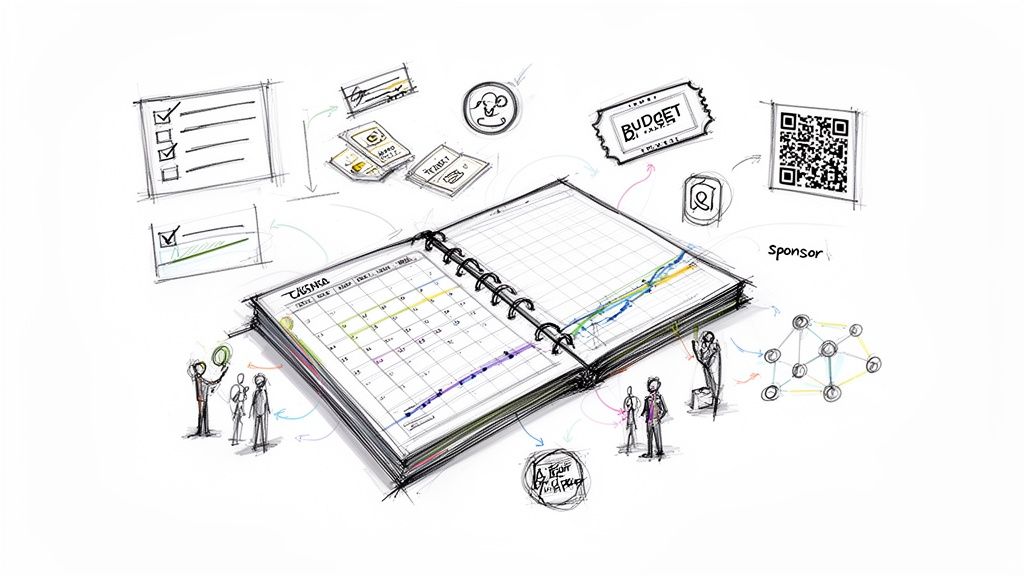
Event management isn't just about logistics and to-do lists; it's the art of strategically designing, organizing, and running an event that hits specific goals for your organization. It's the whole shebang—from defining your purpose and knowing your audience to juggling budgets, coordinating vendors, and analyzing what worked after the last guest has gone home.
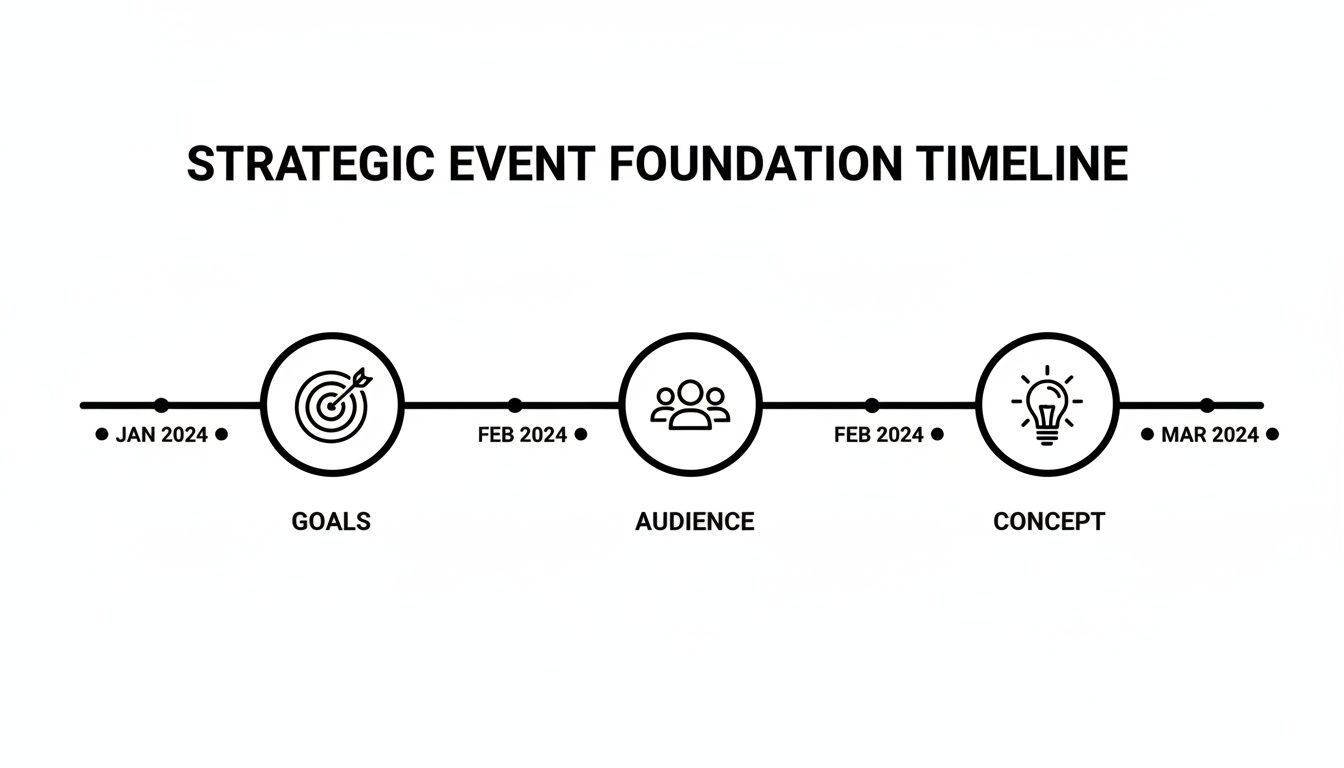
Before you even think about booking a venue or designing a ticket page, the real work begins. The success of your event hinges entirely on the strength of its strategic foundation. This isn't the glamorous part, but it's where you define the why behind your event.
If you skip this step, you risk creating something that runs smoothly but ultimately falls flat—an event that’s logistically perfect but strategically empty.
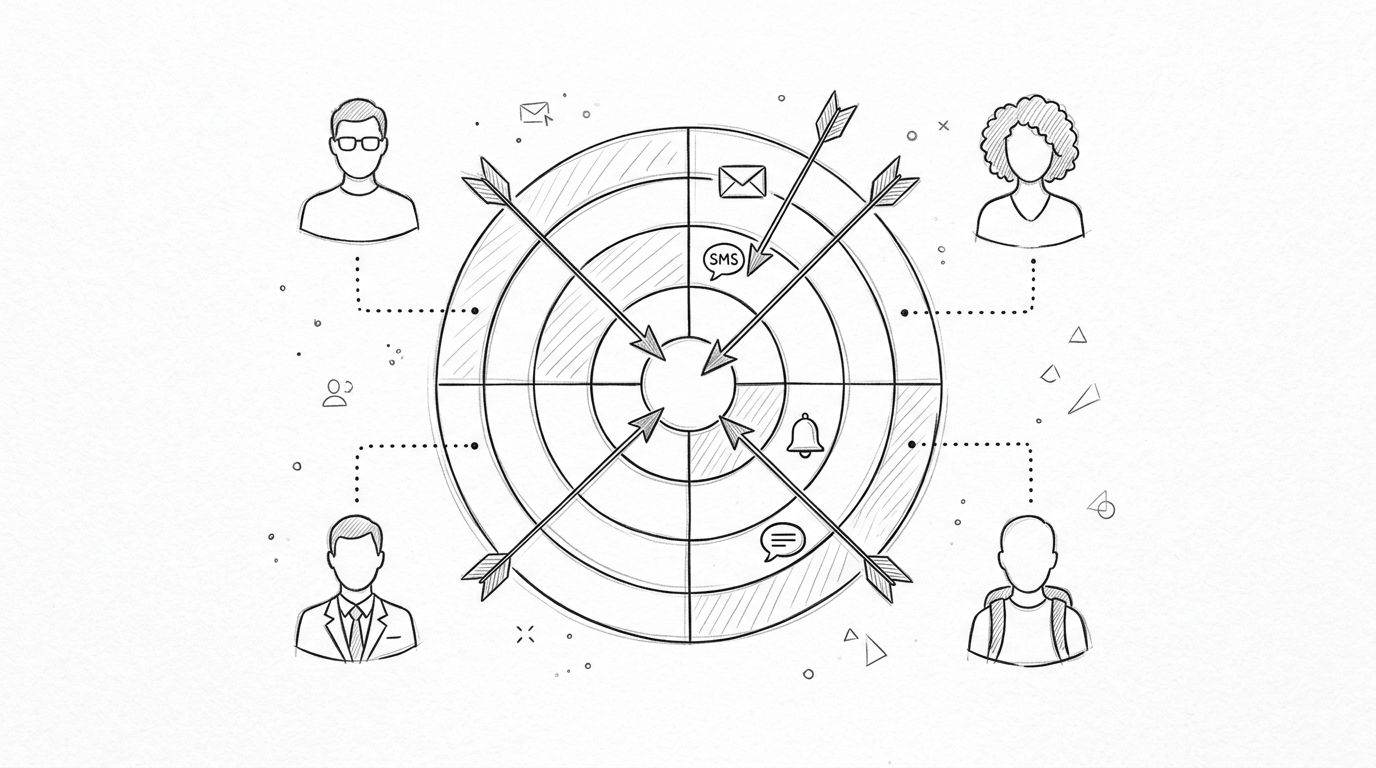
At the heart of this foundation is one critical question: who is this for? A deep dive into your audience isn't optional; it's essential. You need to get inside their heads to understand their professional pain points, what drives them personally, and what they really expect to get from attending. Are they desperate for networking, hungry for niche educational content, or just looking to feel part of a community? Knowing this helps you build an event concept that truly resonates.
Once you’ve got a handle on your audience, you can nail down your event’s core purpose. Is the main goal to flood your sales team with qualified leads? Is it to provide must-have training for your association members? Or are you trying to make a splash and build brand awareness in a new market?
Your event's purpose should be a simple, powerful statement that guides every single decision you make. "To host a marketing conference" is vague. "To connect senior marketing executives with emerging martech solutions" is a North Star you can actually follow.
With a clear purpose in hand, choosing the right format becomes much easier. The decision to go in-person, virtual, or hybrid is a strategic one, not just a matter of preference.
This strategic groundwork is what separates good events from great ones, especially in a booming industry. The global events market is on track to hit a staggering $1.93 trillion by 2029. That kind of growth tells you one thing: people are craving well-planned, purposeful events that deliver real value.
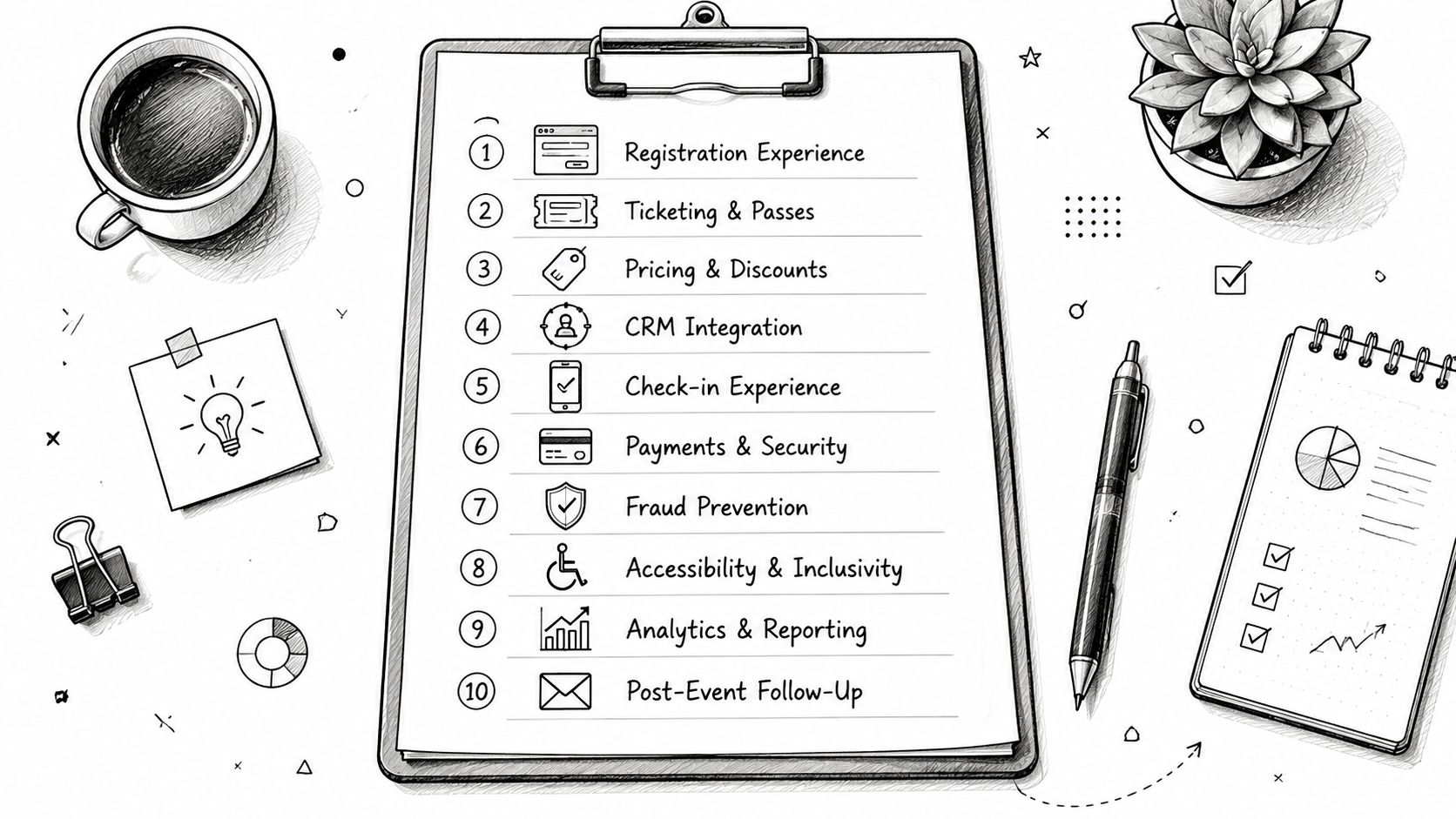
To get all your strategic ducks in a row, a detailed plan is non-negotiable. Here’s a breakdown of the core components every great event strategy needs.
Finalizing these strategic pillars gives your team a unified vision and a clear roadmap, preventing wasted effort and ensuring every action contributes to your overarching goals.
To make sure no detail slips through the cracks, a comprehensive event planning checklist template is a lifesaver. Even better, centralizing these foundational decisions on a platform like GroupOS ensures your entire team—from marketing to on-site staff—is working from the same playbook.
This turns your event plan from a static checklist into a dynamic, data-driven engine for growth. By truly mastering these foundational stages in event planning, you’re not just planning an event; you’re setting the stage for an experience that moves the needle for your business and leaves a lasting impression on your attendees.
Once you've nailed down your event's strategy, it's time to get practical. This is where the big-picture ideas about goals and audience get translated into the two documents that will become your north star: the timeline and the budget. Think of them as two sides of the same coin—your timeline sets the pace for spending, and your budget defines what's possible at each stage.
I've learned from years of running events that the secret to staying sane is to work backward. Pin your event date on the calendar and start plotting out every single milestone in reverse. This simple shift in perspective is a game-changer; it turns a mountain of tasks into a clear, step-by-step roadmap for you and your team.
This is where you move from the "what" and "why" to the "when" and "how."
Starting with a solid strategy first means all the logistical work you do from here on out actually serves your main objectives. No more spinning your wheels on tasks that don't move the needle.
Your timeline isn't just a to-do list with dates; it's your command center. It's the project management tool that keeps everyone aligned and accountable. Don't try to reinvent the wheel here. There are some fantastic event planning timeline templates out there that can give you a solid starting point.
The key is to break the entire project into manageable phases and assign a clear owner to every single task.
If you want to get really granular with these phases, our own comprehensive event planning timeline template is built specifically for the kinds of events associations and companies run.
Right alongside your timeline, the budget is the document you'll live and die by. A good event budget meticulously maps out every conceivable expense against all your potential revenue streams. The most common pitfall I see is planners being overly optimistic and underestimating costs, which always leads to painful decisions down the road.
Start by brainstorming every possible expense category. Nothing is too small to list.
Common Event Expense Categories
The single most important line item in any event budget is the contingency fund. Seriously. Always, always set aside 10-15% of your total budget for surprises. That last-minute AV rental or a sudden jump in printing costs won't sink your event if you’ve planned for it.
Finally, you need a live connection between your budget and your revenue. This is where a tool like GroupOS really shines, because it directly links your ticket sales and registrations to your expense sheet. You get a real-time snapshot of your event's financial health, which lets you make smart, informed decisions instead of just guessing.
The attendee's journey—and how they feel about your event—starts long before they ever walk through the door. It begins the second they hit your registration page. This first interaction is a make-or-break moment. A clunky, confusing process can kill their interest, but a smooth, intuitive experience sets a positive tone for everything else.
Your main job here is to eliminate friction. Every extra click, every confusing question, and every moment of doubt is an opportunity for someone to give up and close the tab. Think of your registration flow as the digital handshake that welcomes guests to your event.
This is more important than ever. While virtual events had their moment, in-person gatherings are back in a big way. In fact, 60% of all event revenue now comes from physical events, and an incredible 83% of all meetings planned for 2025 will have an in-person component. As people flock back to face-to-face events, their expectations for a seamless digital-to-physical experience are sky-high.
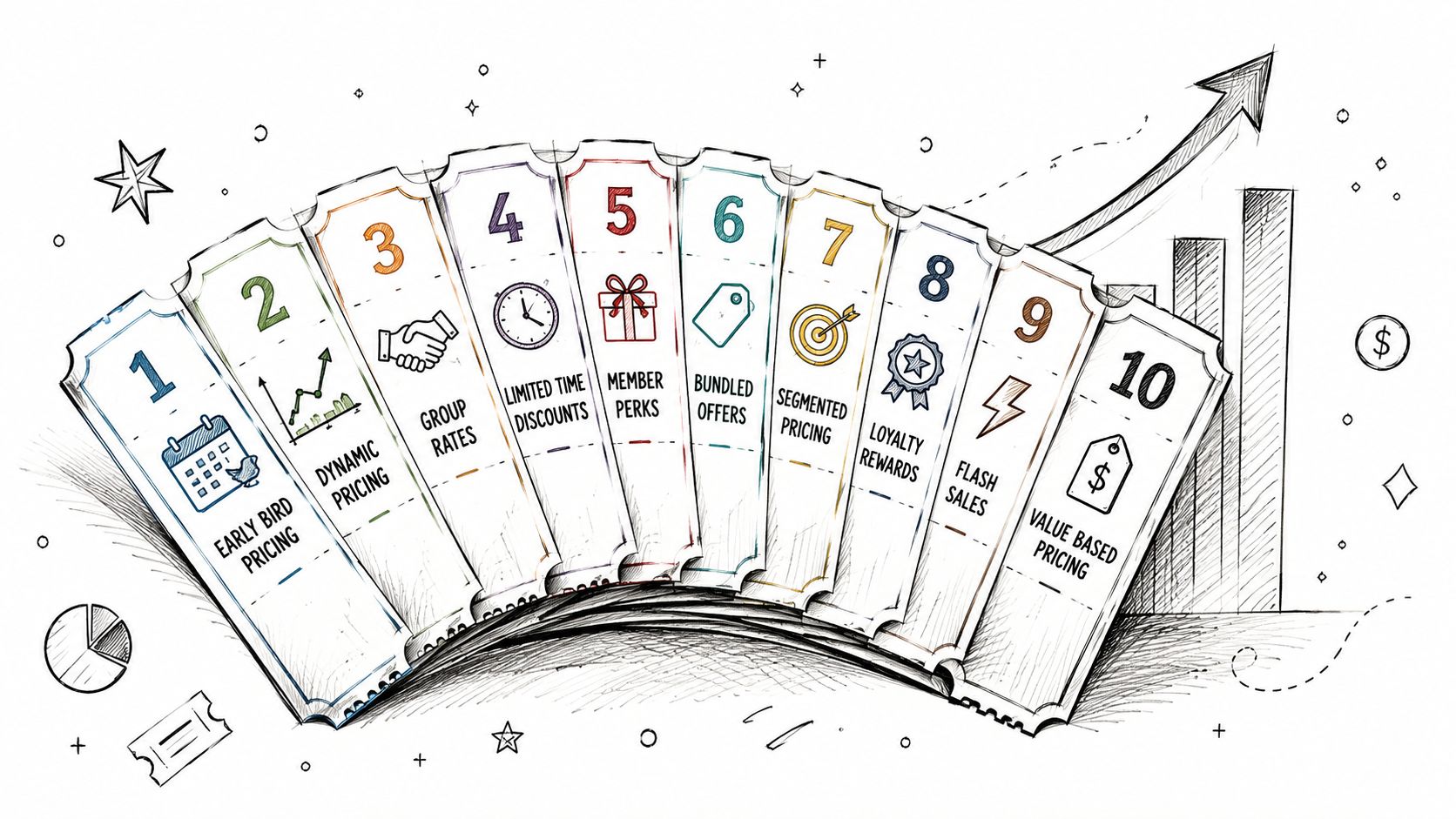
A one-size-fits-all ticket is a massive missed opportunity. If you get strategic with your ticketing tiers, you can drive early sign-ups, maximize revenue, and give different segments of your audience exactly what they’re looking for. It’s less about a price point and more about turning your ticketing into a marketing engine.
Here are a few tiers I’ve seen work time and time again:
Platforms like GroupOS make it incredibly easy to set this up. You can automate the switch from early bird to standard pricing and create different ticket types with unique perks, all without any manual tracking on your part.
The registration form is a delicate balancing act. You need to gather enough info to understand your audience, but you don't want to scare them off with a 20-question survey. The golden rule? Only ask for what you absolutely need right now.
Every field you add to your registration form is another reason for someone to abandon the process. Be ruthless in your editing. If you don't have a clear plan for how you'll use a piece of data, don't ask for it.
To find that balance, think about what's essential for check-in versus what you could maybe ask for later in a post-registration survey.
Essential vs. Optional Form Fields
Using custom registration forms lets you tailor questions to specific ticket types. For example, a general admission attendee might just give the basics, while a VIP could be asked for their t-shirt size for swag. This targeted approach respects everyone’s time and gives you cleaner data.
A truly frictionless experience is automated and connected. From the moment someone clicks "register" to the second they get their badge, the whole process should feel like one seamless journey. This is where integrated tech turns a potential logistical nightmare into a polished, professional operation.
Here’s what that ideal flow looks like:
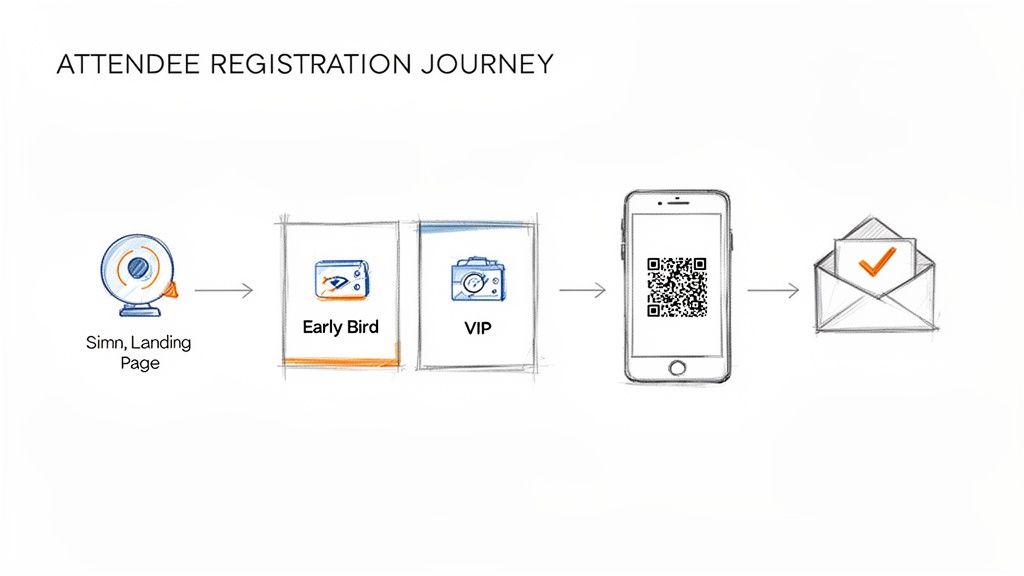
Instant Confirmation: The second their payment goes through, an automated confirmation email should hit their inbox. This email needs all the key details: a receipt, event logistics, and most importantly, a unique QR code.
Effortless Check-In: That QR code is their key to the event. On the day, they just pull it up on their phone. Your staff can scan it in a second, pull up their record, and print their badge on the spot.
Seamless On-Site Experience: This simple tech eliminates long lines and the headache of manually searching for names. It creates a fantastic first impression at the door and shows you’re on top of your game. Modern event check in software has completely changed how we handle on-site operations for the better.
When you design this entire journey with the attendee in mind, you’re doing more than just selling a ticket. You’re starting a relationship and proving from the very first touchpoint that your event is organized, professional, and values their time.
Event day is showtime. All the planning, budgeting, and marketing you've done for months boils down to this moment. This is where your vision comes to life for every single person walking through the door. A flawless on-site experience doesn't happen by accident; it's the direct result of meticulous preparation and smart tech.
Think about it: the very first impression an attendee has is at the check-in desk. Long lines, staff fumbling with spreadsheets—it creates instant frustration and can sour the mood before the first speaker even takes the stage. That first touchpoint really sets the tone for everything else.
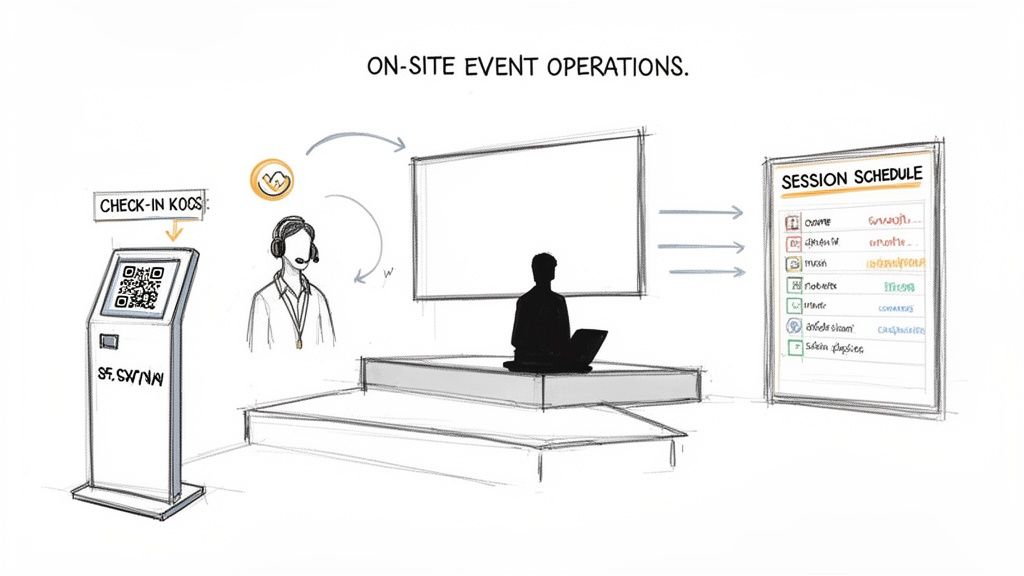
This is where all that detailed events management planning really proves its worth. A smooth entry isn't just a nice-to-have; it shows you respect your attendees' time and value their experience from the get-go.
The modern fix for the check-in bottleneck is beautifully simple: QR codes. When you send a unique QR code to each attendee in their confirmation email, you put them in control. Instead of lining up, they can just walk up to a self-service kiosk, scan their code, and have their badge printed in seconds.
I've seen this approach completely change the arrival dynamic. The benefits are immediate:
This isn't just about speed. It’s about creating a welcoming, professional atmosphere right from the start.
Your goal for check-in should be to make it so fast and effortless that your attendees barely remember it happening. The focus should immediately shift to networking, grabbing coffee, and finding their first session—not standing in a line.
This first touchpoint is a critical piece of your operational puzzle. An organized arrival is something you should absolutely detail in an event coordinator checklist template to make sure your team is ready for anything.
Once everyone's inside, they need a single, reliable place for all event-related info. A dedicated event app isn't a luxury anymore; it’s an essential tool. This is where you house all your session details, speaker bios, maps, and any handouts.
Picture this: an attendee just finished an amazing keynote and wants the slides. Instead of hunting someone down, they can pull out their phone, open the app, and download the presentation PDF right from that session’s page. It's a seamless experience that keeps the momentum going.
An integrated platform like GroupOS lets you manage this entire content ecosystem from one place. You can upload presentations, link out to resources, and even post on-demand video recordings for people to watch later.
The other half of this is communication. On event day, things change. A room gets moved, a session runs late, or you decide to host an impromptu happy hour. Relying on printed signs or hoping people check their email is a recipe for confusion.
This is where your event app’s private channels and push notifications become your best friend.
By handling both content and communication through a single, branded app, you become the definitive source of truth. This proactive approach minimizes chaos and empowers attendees to get the most out of their day, ensuring your on-site operations run like a well-oiled machine.
Let's be honest: your sponsors and exhibitors are far more than just a line item in your event budget. They are strategic partners, and the health of your event often depends on how well you treat them. For long-term success, you have to move past simply selling booth space. The real key is crafting a clear value proposition that gives them a measurable return on their investment (ROI), making it a no-brainer for them to come back year after year.
This means we have to rethink what a sponsorship package even is. The old "logo on a banner" play just doesn't work anymore. Today's partners demand direct engagement, real lead generation, and solid proof that their investment actually connected them with the right people.
When done right, it's a win-win. Your partners get meaningful access to your community, and your attendees discover new products and solutions relevant to their work. A strong partnership simply makes the event better for everyone.
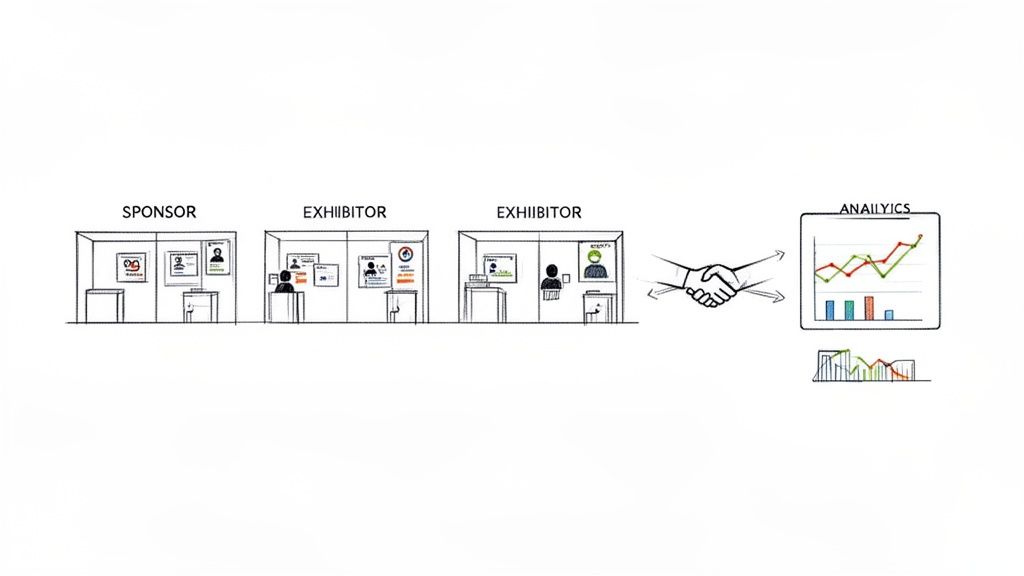
If you want to attract high-value partners, your offerings have to be compelling and focused on results. Think beyond the physical event floor and look at the entire digital journey of your attendees.
Here are a few ideas to get you started:
By mixing up your offerings, you can appeal to different budget levels and marketing goals. This makes your event a much more attractive opportunity for a wider pool of potential partners.
The most successful partnerships I've built came from listening to what sponsors actually wanted to achieve and then co-creating a package to meet those specific goals. It's about collaboration, not just selling from a fixed menu.
This collaborative approach builds loyalty. When sponsors feel like you’re truly invested in their success, they become much more invested in yours.
Technology is your best friend when it comes to delivering real value to your partners. An integrated event platform like GroupOS can completely change how you manage these relationships. It essentially gives each partner their own digital storefront within your event ecosystem.
These tools allow you to provide:
This is more important than ever. The event management software market, valued at $14.37 billion in 2025, is projected to rocket to an incredible $107.28 billion by 2037, all thanks to the adoption of these kinds of digital tools. You can dig deeper into this growth by checking out the latest event planning industry trends and statistics.
Finally, you have to nail the logistics and deliver the proof. A good, centralized system helps you manage everything in one place—from booth assignments and pre-event emails to collecting payments. No more spreadsheet chaos.
But your job isn't over when the event ends. The last, and maybe most important, step is providing each partner with a comprehensive post-event report. This isn't just a "thank you" note; it's a data-packed summary showing their ROI. Include key metrics like the number of leads they captured, how many people viewed their profile page, and overall attendee engagement with their brand.
This data is the proof they need to justify their investment and gives them every reason to sign up for your next event.
The doors have closed, the last attendee has gone home, but your work isn’t over. In fact, what you do next is probably the most critical part of ensuring your event has a lasting impact. This is where you prove its value and lay the groundwork for everything that comes next.
Don't let that post-event glow fade. This is your moment to turn the buzz and energy from the event into real, actionable data and a community that stays engaged long after the lights go out.
Remember those goals you set way back in the planning stage? Now’s the time to see how you stacked up. This isn't just about counting heads; it's about digging into the story your data tells about what worked, what didn't, and what your audience truly valued.
To get a clear picture, you’ll want to pull a few key reports. Start with these essentials:
When you analyze these numbers, you’re not just crunching data; you’re gathering intelligence that will make every future event smarter, more engaging, and more successful.
Don't just collect data—connect the dots. When you can show a sponsor a direct line from their investment to the 250 qualified leads they captured on-site, you’re not just reporting success. You’re building a rock-solid partnership for the future.
A great event is a spark, not a firework. The real goal is to turn that temporary gathering into a permanent community hub where people can connect, learn, and grow all year.
Your first move? Send out a post-event survey within 24 hours. Seriously, don't wait. While the experience is still fresh in their minds, ask for honest feedback on the speakers, the logistics, and their overall satisfaction. Keep it short and to the point—this feedback is pure gold.
From there, it's all about keeping the conversation going.
By treating your event as the beginning of a conversation, not the end, you build a loyal, engaged community that delivers value 365 days a year.
Even after years in the trenches, every event planner runs into questions. Event management is a complex beast, and it's always evolving. Here are a few of the most common things we hear from organizers in the field.
Before you even think about a venue, a speaker, or a theme, you need to nail down your objectives. What does a "win" actually look like for this event?
Is your primary goal to generate 500 new sales leads? Maybe it's to boost member retention by 15%. Or perhaps it's simply about creating an unforgettable community experience. Whatever it is, define it clearly and make it measurable. This single step will become your North Star, guiding every single decision you make from here on out.
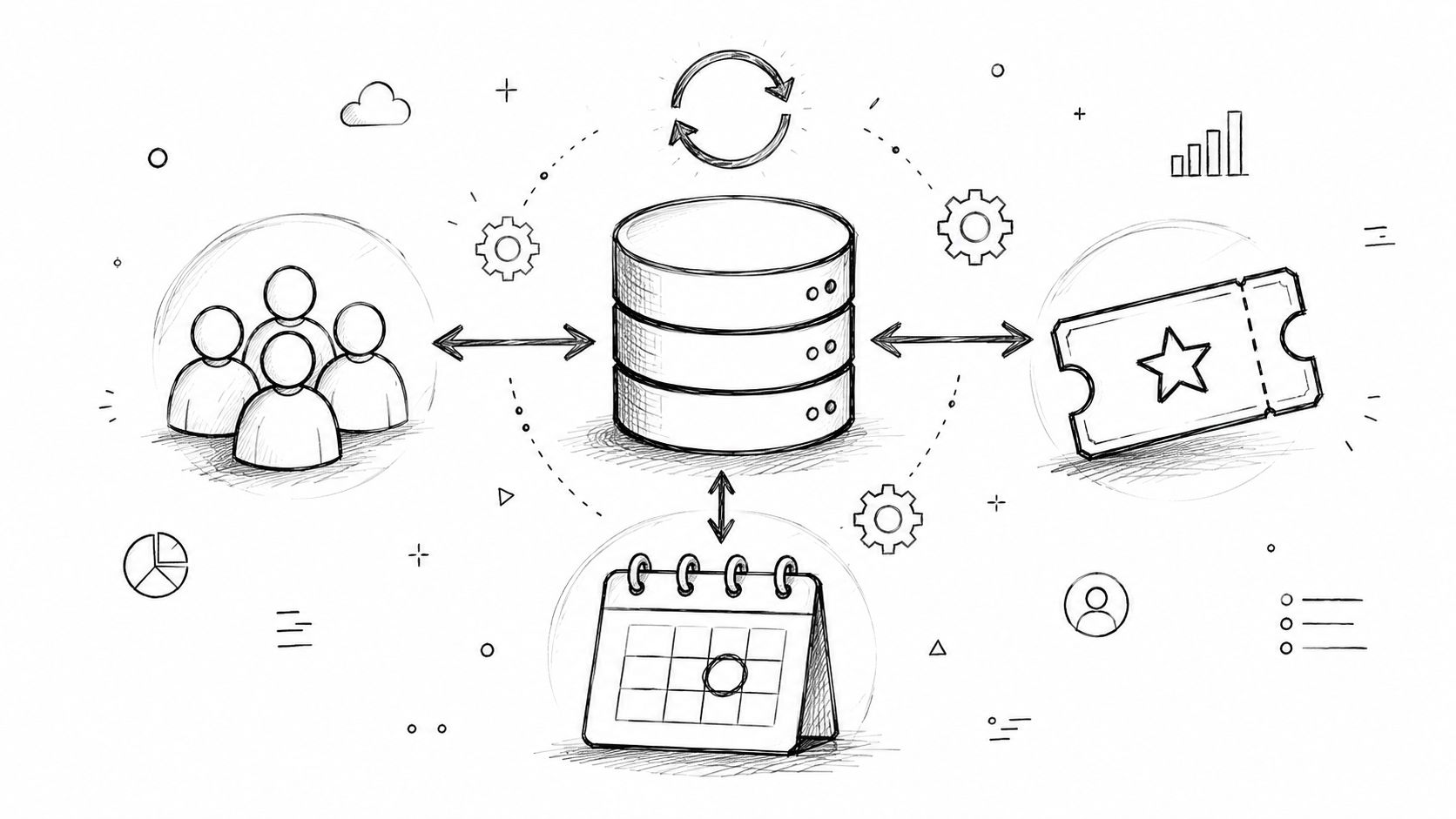
In the old days, we were drowning in spreadsheets, email threads, and a dozen different software tools that didn't talk to each other. It was a nightmare. Today, a good event management platform brings everything under one roof.
Think of it as your central command center. Your registration, ticketing, marketing emails, sponsor portals, and even your event app all live in the same place.
Instead of wrestling with data imports and administrative tasks, you can focus on what truly matters: creating an amazing experience for your attendees. Things like QR code check-in become automated, and you get a single, clean source of data for your analytics. It's a game-changer.
Proving ROI comes down to tying your results directly back to those goals you set in the very beginning. Forget vanity metrics. You need to present a clear, data-driven story that speaks to business outcomes.
Here’s what that looks like in practice:
When you package this up in a clean post-event report, you’re not just showing that you threw a good party. You’re proving the event delivered real, tangible value to the organization.
Ready to stop juggling dozens of tools and bring your entire event strategy into one place? GroupOS is built for this. We give you the tools to handle everything from ticketing and community engagement to content delivery and ROI reporting—all from a single dashboard.
See how you can build better events and a stronger community. Take a look at the GroupOS platform.