January 11, 2026
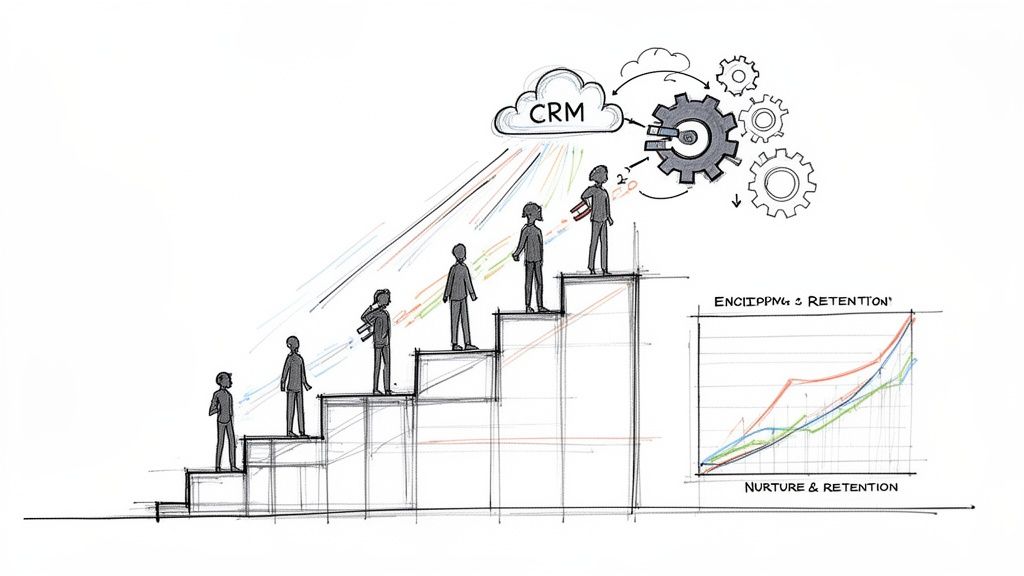
Ever wonder what the secret is to keeping your members or customers coming back year after year? It’s less about chasing new leads and more about strengthening the relationships you've already built. That's precisely where customer retention software comes in—it's a category of tools designed specifically to help you reduce churn and boost loyalty.
Think of it as your command center for understanding and engaging the people who already know and value what you do.
In the not-so-distant past, tracking customer interactions was a messy, manual affair. We relied on spreadsheets, scattered notes, and a whole lot of guesswork. This approach was always one step behind, making it nearly impossible to spot a disengaged member before they were already out the door.
Trying to manage hundreds or even thousands of relationships this way is like trying to conduct an orchestra without a conductor. It’s disorganized, chaotic, and you’re just not going to make beautiful music.
Today, the most successful organizations know that keeping an existing customer is far more profitable than acquiring a new one. This isn't just a business cliché; it's a fundamental shift that has pushed customer retention software from a "nice-to-have" tool into an absolute necessity for smart growth.
Forget the old-school contact database. Modern customer retention software is more like an intelligent "relationship dashboard." It doesn't just store names and email addresses; it actively analyzes behavior to answer the questions that really matter:
These platforms have transformed from static databases into smart systems that can automate personalized communication. They make it possible to create genuine, meaningful connections at scale—something that was once impossible. For small businesses, this is a game-changer; for instance, learning about maximizing customer retention with a small business loyalty program can create a powerful foundation for building lasting relationships.
This shift isn't just anecdotal; it's backed by a clear market trend. The global customer retention software market was valued at an impressive USD 27.5 billion in 2023 and is projected to skyrocket to USD 94.7 billion by 2033, growing at a 15.0% CAGR. This explosive growth is fueled by the move to digital-first interactions and the power of AI to predict churn before it happens.
By focusing on the customers you already have, you're not just playing defense against churn; you're building a sustainable engine for growth powered by loyalty and advocacy.
To fully appreciate this shift, let's look at how things have changed.
This quick comparison highlights the evolution from traditional, manual retention tactics to the capabilities of modern customer retention software.
As you can see, the software-driven approach isn't just a minor upgrade—it's a complete reimagining of how we build and maintain relationships.
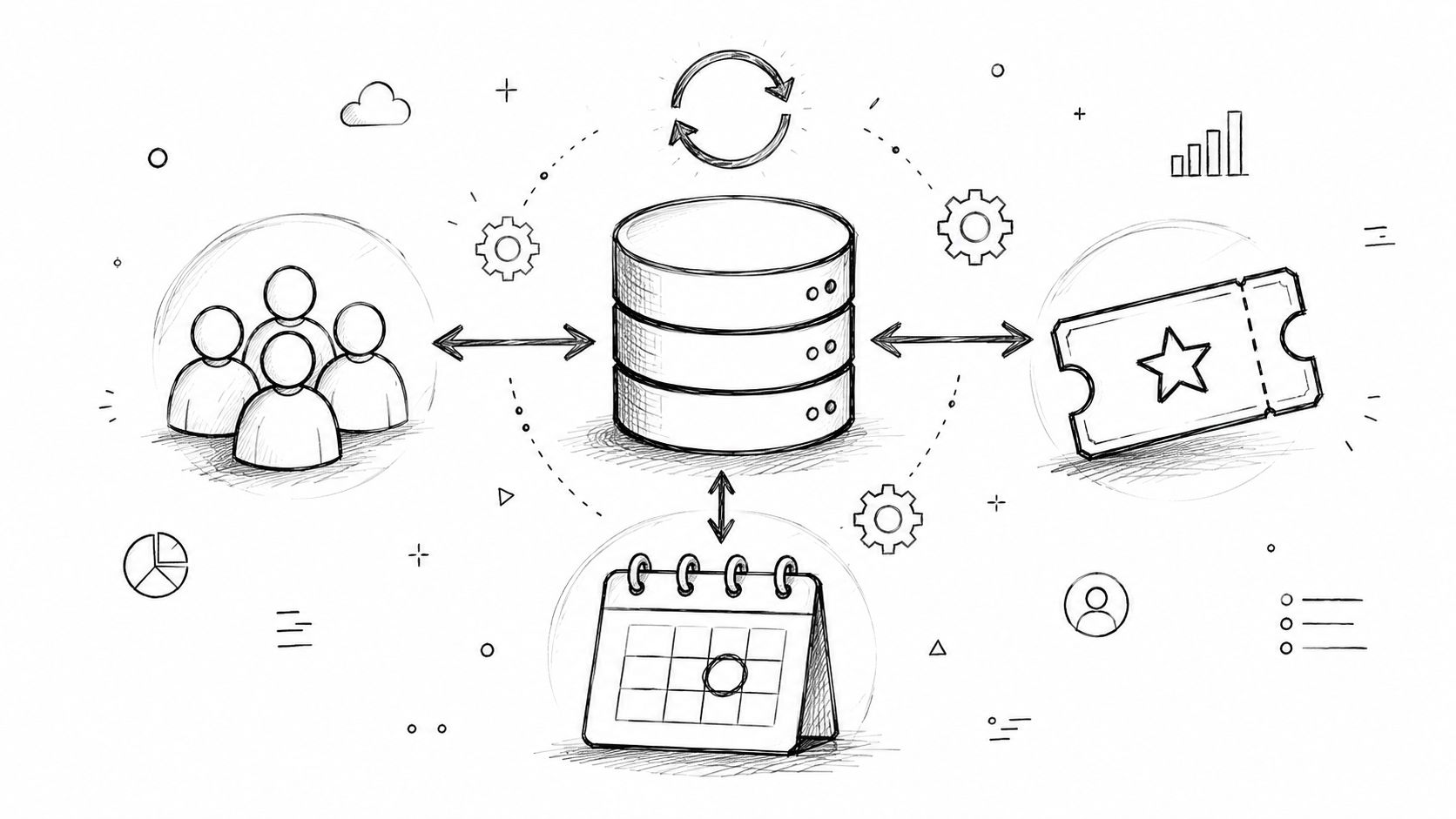
The real magic of this software is its ability to centralize data and automate outreach. It connects all the dots—event attendance, email clicks, community posts, and more—into a single, unified view of each member. This empowers organizations to implement powerful and proactive membership retention strategies that feel personal and timely, not robotic.
For example, an association can set up an automatic trigger to send a friendly check-in email to a member whose event participation has dropped. A conference organizer can easily identify past attendees who are prime candidates for a VIP upgrade offer. This data-driven approach replaces guesswork with precision, ensuring that your efforts are both effective and efficient. By embracing this technology, you can start building a stronger, more resilient community today.
Jumping into customer retention software can feel a bit overwhelming. You'll hear terms like "engagement scoring" and "automated workflows" tossed around, and it's easy to get lost in the jargon. Instead of just giving you a laundry list of features, let's break down what these tools actually do and why they're the engine behind any smart retention strategy.
Think of these features less like separate gadgets and more like an interconnected system. They work together to give you a complete, living picture of your community’s health. This allows you to shift from putting out fires to proactively building relationships, making sure no one gets left behind.
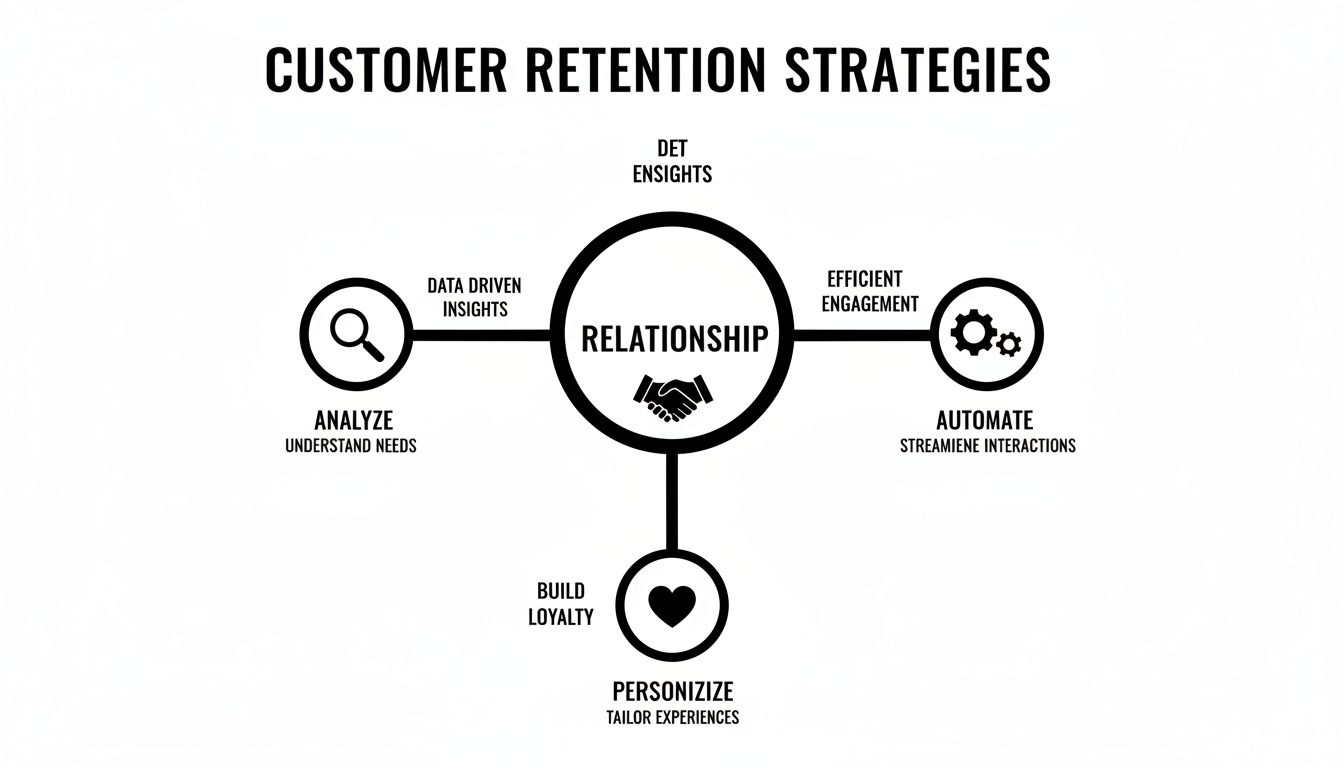
The real goal here is to use data-driven insights to power automated, personal interactions. That's what builds genuine loyalty and keeps your members coming back.
At the very heart of any good retention platform is a unified member database. This is so much more than a simple contact list. It’s a dynamic, 360-degree view of every single person, pulling data from all their interactions with your organization into one central hub.
Imagine trying to piece together a member's journey by digging through separate spreadsheets for event attendance, email opens, and community posts. It's a messy, fragmented puzzle. A unified database brings it all together, creating a single source of truth for each member.
This consolidated view is the foundation for everything else. Without it, personalization is just a shot in the dark, and meaningful automation is impossible.
Once you have all your data in one place, you need an easy way to make sense of it. That’s where insightful analytics dashboards come in. These dashboards are your command center, translating raw data into clear, actionable insights about member behavior and the overall health of your community.
Instead of drowning in numbers, you get clean visualizations that answer your most pressing questions in an instant:
These dashboards help you spot trends before they become problems, measure the real impact of your initiatives, and make decisions based on fact, not feelings. To really get ahead of member loss, you also need a solid grasp of what churn analysis is and how it fits into your broader strategy.
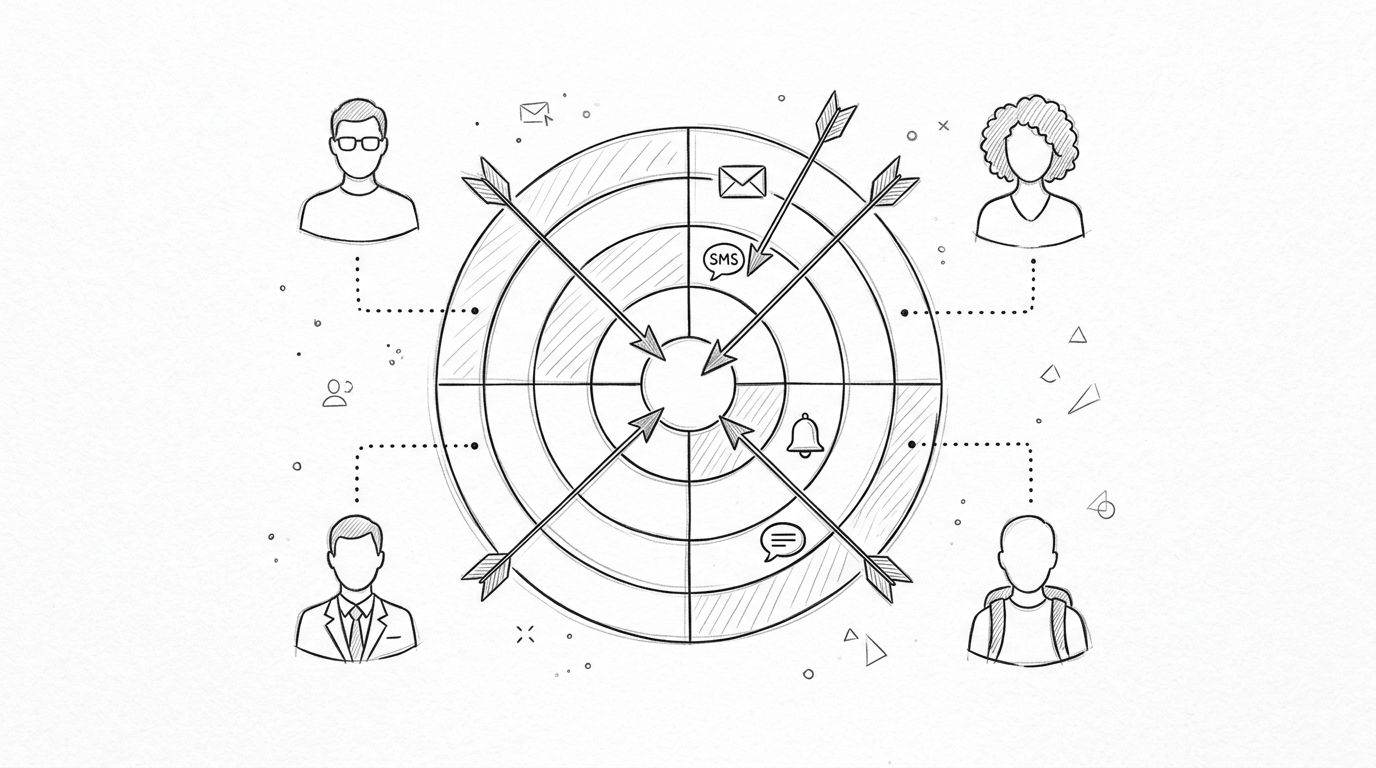
Your members aren't all the same, so why would you talk to them that way? Segmentation tools let you group members based on shared traits or behaviors, which allows for incredibly targeted outreach. It’s the difference between shouting into a crowd and having a meaningful, one-on-one conversation.
For instance, an association could create a segment of members whose certifications expire in the next 90 days to send a focused reminder campaign. Or, an event organizer could segment past attendees who haven't registered for this year's event and offer them an exclusive "welcome back" discount.
Segmentation transforms your communication from generic broadcasts into relevant, timely messages that make members feel seen and valued.
This is where the real magic happens. Automated workflows are your secret weapon for scaling personal engagement without needing a massive team. These are simply pre-set sequences of actions that kick off automatically based on a member's behavior.
Think of them as simple "if-then" recipes for building relationships.
These workflows ensure that critical touchpoints are never missed. They create a consistent, supportive, and engaging experience for every single member, powering proactive retention at a scale you could never achieve manually.
A great piece of customer retention software doesn't live on an island. Its real power is unleashed when it plugs into the tools you already use every day, acting like a central hub for your entire member engagement strategy.
Think about it. Your CRM has the member history, your email platform knows who's opening what, and your community channels like Slack are filled with daily conversations. By themselves, these are just separate piles of data. An integrated retention platform is the bridge that connects them, pulling everything together to create a single, unified view of each and every member.
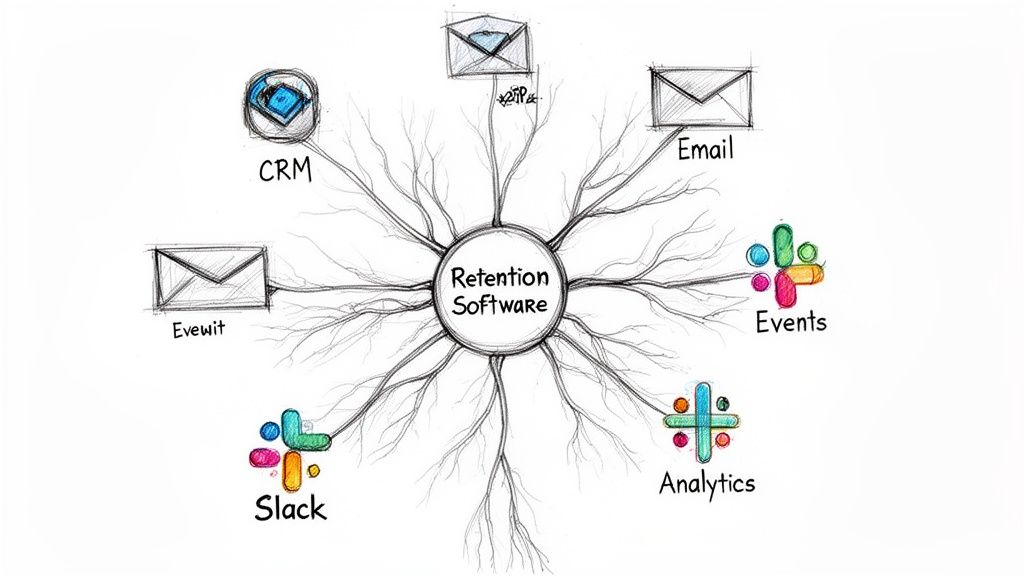
This interconnected system is what moves you from having scattered bits of information to having a deep, holistic understanding of your community’s health and behavior.
Connecting your retention software with your Customer Relationship Management (CRM) system is probably the most powerful integration you can make. Your CRM is the official record for all your member data, but a dedicated retention tool adds a layer of specialized intelligence right on top. This combination is what fuels smarter, more proactive automation.
Imagine a member’s status in your Salesforce or HubSpot CRM gets flagged as "at-risk." An integration can trigger an immediate action. The retention platform could automatically enroll that person into a personalized re-engagement campaign, send a targeted email, or even ping a community manager to reach out with a personal touch. It’s a seamless handoff that ensures no one falls through the cracks.
This connection is a big deal. Research shows that CRMs alone can improve customer retention rates by up to 27%. In fact, 47% of users say their CRM had a significant impact on both retention and satisfaction. It's a solid foundation to build loyalty on. You can dig deeper into how CRMs drive retention on sltcreative.com.
Beyond just your CRM, a modern retention platform like GroupOS is designed to connect to the digital spaces where your community actually gathers and talks. When conversations are happening all over the place, it’s nearly impossible to get a real pulse on member engagement.
By connecting directly with platforms like Slack or other community forums, retention software can capture, track, and analyze these interactions, turning unstructured chatter into valuable engagement data.
This type of integration gives you a few key advantages:
This creates a much more cohesive experience where every single interaction, no matter where it happens, adds to your understanding of that member’s journey. This deep integration is what elevates a simple tool into a true customer retention software powerhouse, giving you the insights and automation needed to build a loyal, thriving community that lasts.
Picking the right customer retention software can feel like a make-or-break decision. There are so many options out there, and it’s all too easy to get distracted by flashy features instead of focusing on what your organization actually needs. The real goal isn't just to buy another tool; it’s to find a partner that genuinely helps you build a more connected and loyal community.
Think of it like buying a car. You wouldn't get a two-seater sports car if you have a family of five and need to haul gear. The "best" car is the one that fits your life. It's the same with software. The right platform is the one that solves your specific problems, whether you’re running a professional association, organizing massive events, or managing any kind of membership group.
This guide will help you look past the feature-for-feature comparisons and focus on finding the right strategic fit. We'll give you a simple framework for figuring out your needs, asking the tough questions, and picking a solution that won't just work now, but will grow right alongside you.
Before you even book your first demo, you need to get crystal clear on what you’re trying to accomplish. Walking into vendor calls without a solid set of goals is like going to the grocery store hungry without a list—you’re guaranteed to come home with a cart full of stuff you don’t need.
Start by getting your team together and asking some basic but critical questions:
Answering these questions first gives you a personalized scorecard to judge every platform against. You'll be able to tell pretty quickly if a piece of software is a true solution or just a collection of cool but ultimately useless features.
Once you know what you need, you can start weighing your options against a few non-negotiable criteria. These three areas will help you cut through the noise and find a platform that’s built for the long haul.
Your new software has to work with the tools you already use. Does it connect smoothly with your CRM, email platform, and event management system? A tool that creates another data silo is just creating more work. You want a central hub for your community data, not another deserted island.
Think about where your organization is headed in two, five, or even ten years. Will this software keep up as your community grows, your events get more complex, and your needs evolve? A platform that can’t scale with you will eventually hold you back, forcing you into a painful and expensive switch later on.
The most powerful software on the planet is worthless if your team hates using it. Pay close attention during demos. Is the interface clean and intuitive? Can you find what you need without a user manual? A steep learning curve almost always leads to low team adoption and a wasted investment.
Choosing a partner, not just a product, means finding a solution that not only meets your technical requirements but also provides the support and strategic guidance you need to succeed.
Making the right choice involves looking at how different platforms pull together all the different threads of community management. You can learn more about how comprehensive customer engagement solutions achieve this. An integrated platform like GroupOS is built specifically to handle the unique challenges of associations and events, meaning you get a partner who is truly invested in your success.
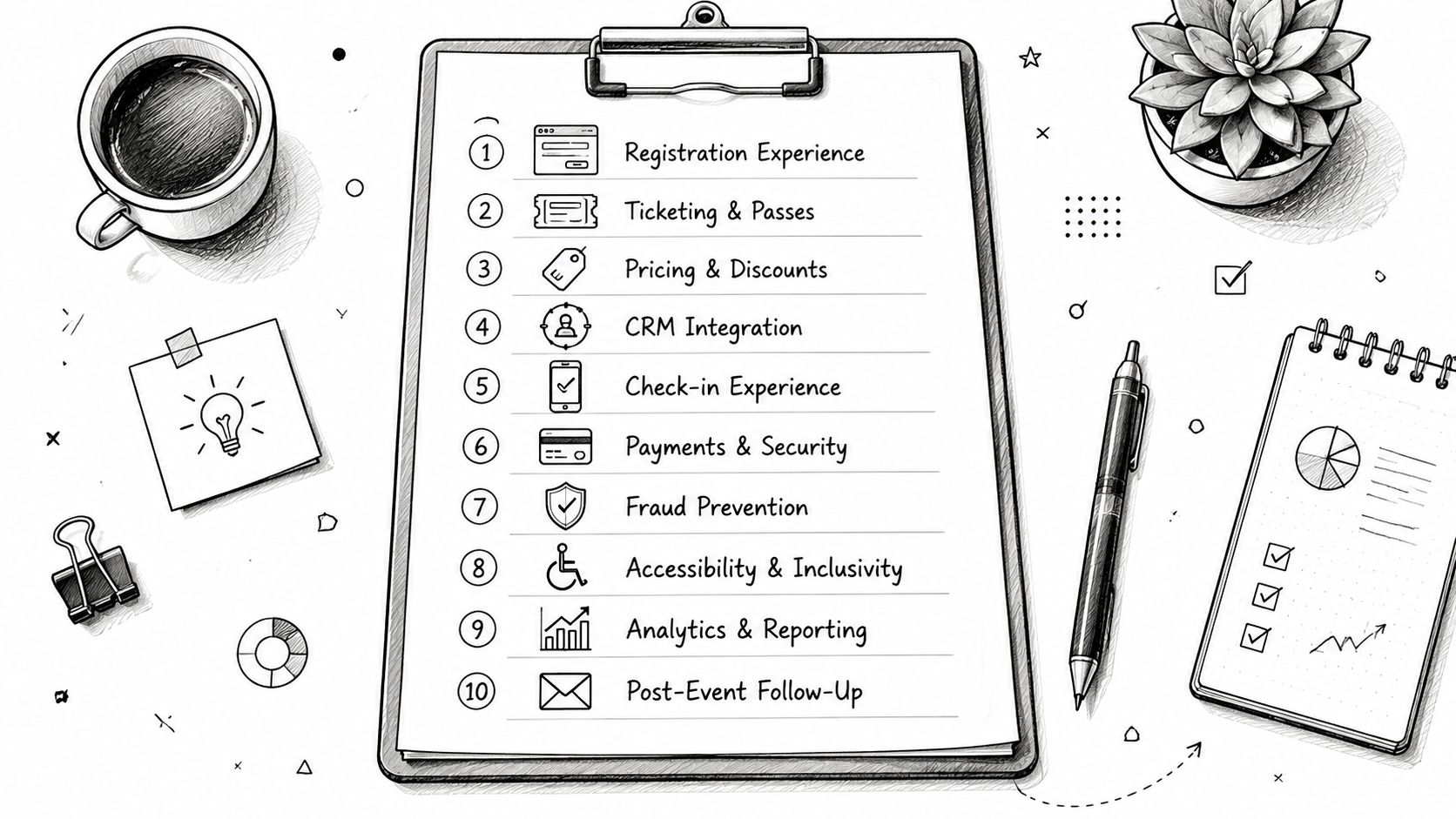
To help you organize your thoughts and compare vendors effectively, use the checklist below. It's designed to guide you through a structured evaluation process, ensuring you cover all the critical bases before making a final decision.
By systematically working through these criteria, you shift the focus from a simple feature comparison to a strategic evaluation. This ensures you're not just buying software, but investing in a solution that will become a core part of your organization's growth and success.
It’s one thing to talk about features and strategies, but where the rubber really meets the road is seeing how customer retention software actually works for organizations like yours. Let's step away from the theory and look at some practical scenarios where this technology turns common challenges into major wins.
These examples show how the right platform can transform everyday hurdles into opportunities for building genuine, lasting loyalty.
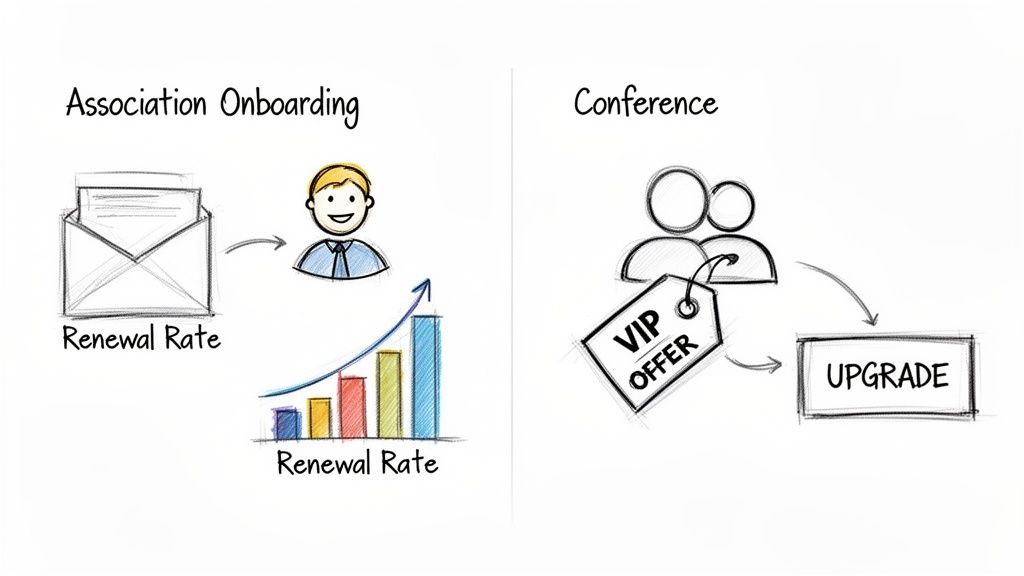
Picture this: a national professional association is stuck in a frustrating cycle. They spend a lot of time and money bringing in new members, but a huge chunk of them don't renew after the first year. The problem isn't a lack of value—it's that the onboarding process feels cold and impersonal.
By plugging in a retention platform, they completely overhaul their welcome experience with an automated sequence.
This hands-off, yet highly personal, approach makes new members feel like they belong from day one. The result? A massive uptick in first-year renewals. Members feel connected, understand the benefits, and are properly woven into the fabric of the community. Finding the right membership software for associations is the crucial first step in creating these powerful, automated journeys.
Now, let's switch gears to an annual tech conference. The organizers have a clear goal: get more past attendees to buy the VIP package. But manually combing through thousands of old registration lists to find the right people to target is a logistical nightmare.
This is where engagement scoring completely changes the game.
By digging into past attendance data, session ratings, and survey feedback, the software can pinpoint a specific group of highly engaged attendees. These are the evangelists—the people who never missed a keynote, networked like pros, and gave rave reviews.
With this segment identified, the system launches a targeted email campaign offering an exclusive early-bird discount on the VIP package. Because the offer feels special and is sent to the right people, the conversion rate blows a generic email blast out of the water.
Finally, think about the sponsors at a bustling trade show. Their main objective is to generate leads, but a quick chat at a loud booth rarely solidifies a real business relationship. It's all about the follow-up.
A modern retention platform can give sponsors their own portal to manage leads collected right at the event. They can see badge scans, add notes on the fly, and track every interaction. Better yet, they can use the platform’s tools to drop these warm leads directly into automated nurture campaigns, transforming a brief handshake into a meaningful, ongoing conversation.
The growing demand for these kinds of capabilities is fueling massive market growth. Projections show the Customer Loyalty & Retention Software market expanding from roughly USD 18.3 billion in 2025 to an astounding USD 49.7 billion by 2032. This explosive growth underscores a major industry shift toward platforms that use smart analytics and integrated campaigns to build deeper relationships. You can dive into more data on this market growth on metastatinsight.com.
Bringing in customer retention software is a smart play, but you only see its real worth when you can actually measure the results. Without clear metrics, you're just guessing. The whole point is to move past gut feelings and show your team the hard numbers that prove this investment is paying off.
This is where an integrated platform like GroupOS really comes into its own. By bringing community management, event ticketing, and content all under one roof, it gets rid of the data silos that make true measurement a nightmare. Instead of trying to stitch together reports from different tools, you get one clean, reliable source for everything. Suddenly, you can draw a straight line from what you're doing to the results you're getting.
One of the clearest ways to see what's working is by tracking how your members are engaging. An integrated system shows you exactly who’s jumping into discussions, showing up for virtual events, and consuming your content. This isn't just about feeling good; these are the clues that tell you who’s likely to stick around.
You can finally get real answers to those big questions:
By tracking this stuff, you can show that a 15% bump in community engagement led directly to a 10% increase in annual renewals. Now that’s a clear financial win you can take to the bank.
Another huge part of your ROI comes from the member experience itself. A clunky, frustrating ticketing process for your events, for example, can be a major turn-off and stop people from coming back. A platform like GroupOS smooths this out completely, making it dead simple for members to register for one event after another.
By removing those frustrating barriers and creating a seamless journey, you're not just making people happier—you're directly impacting future revenue. The easier you make it for members to participate, the more likely they are to keep investing in what you offer.
To really get the full picture of your financial impact, you have to look at metrics like Customer Lifetime Value (CLV). When you have a great experience that encourages repeat attendance, you're massively boosting the long-term value of every single member.
At the end of the day, your job is to tell a convincing story backed by solid data. An all-in-one customer retention software gives you the analytics you need to do just that. You can create dashboards that visualize how your communication tools are building a community people don't want to leave, or how a simple content library leads to members feeling they get more value, making them fiercely loyal.
This is how you walk into any leadership meeting with total confidence. You'll have the clear, compelling data to prove that your retention strategy isn't just a "nice-to-have"—it's a core driver of business growth.
Diving into customer retention software can feel like a big step, and it's natural to have questions. Getting straight answers is the best way to feel confident you're making the right choice for your organization. Let’s tackle some of the most common things we hear from association leaders and event planners.
The honest answer? It really depends. The price tag for this kind of software can swing quite a bit based on what you need. Think of it like a subscription service where the cost is tied to the number of members or contacts you have, the specific features you need, and whether it’s a simple cloud tool or something more complex.
For smaller groups just getting their feet wet, you can often find basic plans for under $100 per month. For large, established organizations needing the whole nine yards—deep analytics, custom integrations, the works—the price can climb into the thousands each month. The trick is to look for transparent, scalable pricing that lets you start with what you need and add more as you grow.
This is another "it depends" situation, but it’s a crucial one. A straightforward, cloud-based platform where you're just importing a list of contacts can be up and running in a matter of days. Most of these are designed to be user-friendly, with guided setups that don't require a technical wizard on your team.
On the other hand, if you're pulling in years of historical data from different systems or need to build custom links to your existing tech, you might be looking at a few weeks. A key thing to look for is a provider who has a clear, structured onboarding process and real humans you can talk to for support. That’s what makes the difference between a headache and a smooth rollout.
A swift and well-supported implementation is a huge green flag. It tells you a lot about the company you're partnering with and sets your team up for early wins, which is the best way to get everyone on board and excited.
Yes, one hundred percent. It's a myth that powerful retention tools are only for the big players. Many of the best modern platforms have plans specifically built for smaller associations, niche communities, and independent event organizers who don't have enterprise-level budgets.
Even if your team is small, the payoff is huge. Imagine automating all those time-consuming tasks like sending welcome emails or renewal nudges. That alone frees up so much time. More importantly, it gives you the same kind of member insights the big guys have, so you can make smart decisions to build a stronger, more connected community, no matter its size.
Ready to see how an all-in-one platform can reshape your retention strategy? GroupOS gives you the tools to manage events, build community, and actually prove your ROI. Start your free trial today.