March 21, 2026
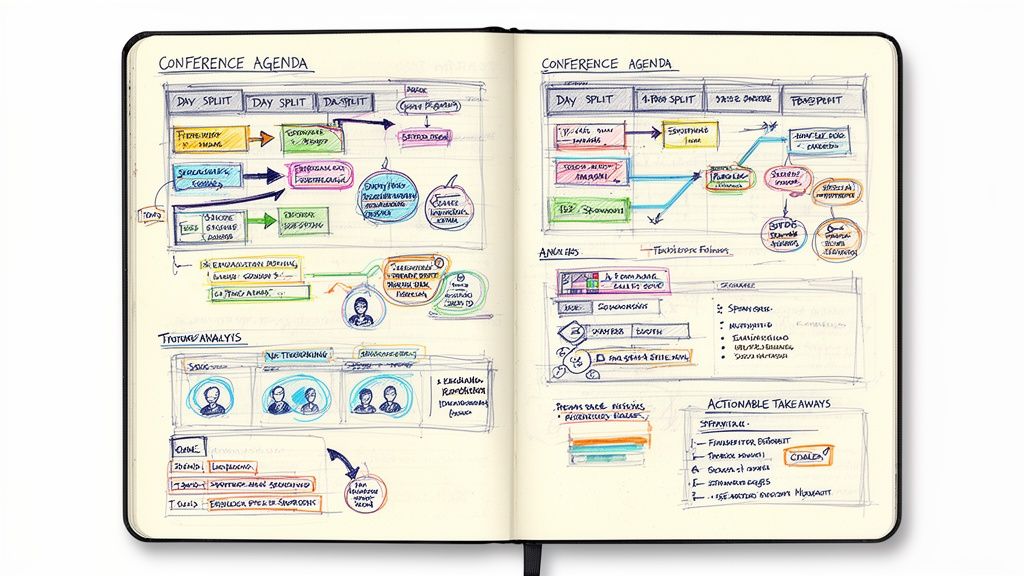
The success of any conference often comes down to its agenda. A well-crafted schedule does more than list session times; it guides attendees on a journey, maximizes engagement, and delivers measurable value for everyone involved, from participants to sponsors. Simply listing speakers and topics is no longer sufficient to capture and hold attention.
To stand out, event organizers need a strategic blueprint. This guide provides exactly that by exploring 10 powerful conference agenda examples. We move from foundational templates, like the traditional time-blocked format, to more modern participant-driven structures, such as the unconference model and hybrid event schedules.
For each example, we'll dissect the strategic purpose behind its structure, offering actionable tips for implementation. You will find detailed breakdowns covering:
We will also demonstrate how to put these concepts into practice using event management tools for ticketing, session check-ins, and post-event engagement. This collection of real-world examples and tactical advice will help you build an agenda that doesn't just inform, but inspires action and creates a memorable experience.
The traditional time-blocked agenda is the backbone of most large-scale events and a fundamental conference agenda example for organizers. This structure provides a clear, sequential flow for the day, assigning a specific start and end time for every keynote, breakout session, and networking break. It's the standard for a reason: it brings order to complexity, especially for multi-track conferences.
This linear approach is visible at major industry events like TechCrunch Disrupt and the main stage schedules for SXSW. These conferences manage hundreds of sessions and thousands of attendees by creating a predictable, easy-to-follow schedule that serves as the single source of truth for the entire event.
The primary strength of the time-blocked format is its ability to manage attendee expectations and logistical resources effectively. By defining clear boundaries for each activity, you prevent session overruns, ensure speakers get their allotted time, and help attendees plan their day with confidence. It’s essential for coordinating room assignments, A/V tech support, and catering services.
However, its rigidity can be a drawback. A delay in one session can create a domino effect, and the back-to-back scheduling can sometimes lead to attendee fatigue if not managed properly.
Key Insight: The success of a time-blocked agenda isn't just in the scheduling, but in the pacing. Building in deliberate "unstructured" time within the structured framework is critical for attendee satisfaction.
To make this classic format work for you, focus on clarity and navigation.
A multi-track concurrent sessions agenda is an advanced template designed for larger conferences where attendee interests are diverse. This structure offers multiple, simultaneous sessions in parallel time slots, allowing attendees to build a personalized experience. Instead of a single path, they can choose sessions based on their specific industry, role, skill level, or topic of interest.
This model is the engine behind massive industry events like Dreamforce, which organizes content by roles (e.g., Sales, Service, Admin), and Web Summit, which uses thematic tracks like "Startups" and "Enterprise." These conferences empower attendees by giving them control over their own learning journey, which dramatically increases the value they receive.
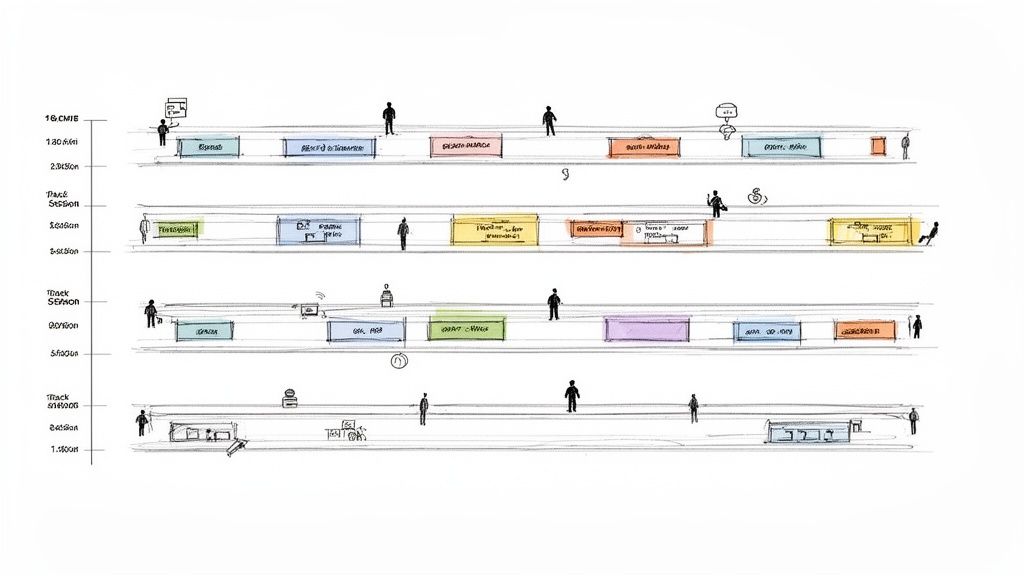
The core strength of a multi-track agenda is its ability to serve a wide audience without diluting the content. By segmenting sessions, you can offer deep, specialized knowledge for experts alongside foundational content for newcomers, all within the same event. This approach transforms a single conference into multiple, focused mini-conferences.
The main challenge is managing complexity and preventing "analysis paralysis," where attendees feel overwhelmed by choices. Clear communication, intuitive navigation, and powerful scheduling tools are not just helpful; they are essential for this format to succeed.
Key Insight: A successful multi-track agenda thrives on personalization. Your job is to make it easy for attendees to find their "right" path through the multitude of options.
To effectively manage concurrent sessions, focus on guiding attendees toward relevant content.
A hybrid blended agenda is a modern necessity, designed to serve both physical and remote audiences simultaneously. This model classifies sessions as in-person only, virtual-only, or hybrid, where content is streamed live to online participants. It became a standard post-pandemic, allowing organizers to expand their reach globally while preserving the high-value experience of in-person attendance.
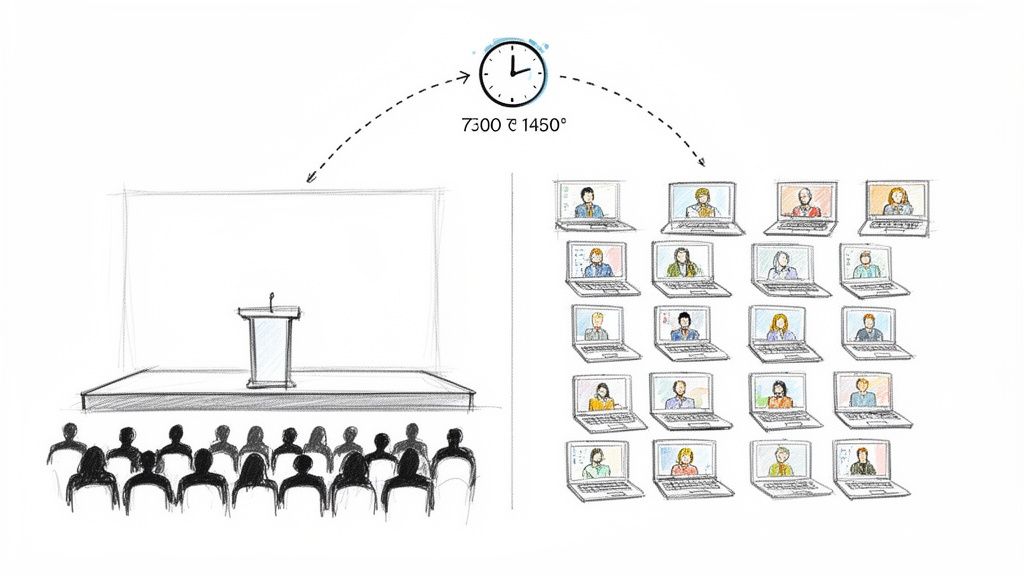
Major events like Adobe Summit and HubSpot's INBOUND conference have successfully adopted this approach. They provide a robust digital experience with dedicated virtual streams that run parallel to the main stage, while healthcare and association conferences like HIMSS use it to offer different registration tiers, capturing a wider audience.
The core strength of a hybrid agenda is its flexibility and expanded market reach. You are no longer limited by venue capacity or geographical barriers, which can significantly boost registration numbers and revenue. It also offers a valuable accessibility option for attendees who cannot travel due to budget, health, or scheduling conflicts.
However, the operational complexity is its main challenge. It requires running two events in parallel, demanding separate a/v tech, community management for the virtual audience, and careful content planning to ensure both groups feel equally engaged. Without a thoughtful strategy, virtual attendees can feel like second-class participants.
Key Insight: A successful hybrid agenda treats the virtual and in-person components as two distinct but equally important experiences. The goal isn't just to stream content, but to build a connected community across both formats.
To master this format, focus on creating a cohesive experience where technology bridges the gap between audiences. Learn more about the fundamentals in our deep dive on what is a hybrid event.
This specialized agenda format positions high-profile keynote speakers as the central pillars of the event, creating a unified experience for all attendees. The conference is structured around these 3-5 major presentations, with the periods between them filled by smaller, hands-on workshop breakout sessions. This model combines a shared, inspirational experience with opportunities for deep, specialized learning.
This structure is common at major industry events where a few key voices set the tone for the entire field. Apple’s WWDC is a prime example, where the opening keynote establishes the themes and announcements that are then explored in detail through smaller developer workshops. Similarly, CES uses major keynotes from tech leaders to frame the industry’s future, creating buzz and a common reference point for all participants.
The primary strength of this format is its ability to build event identity and massive appeal around marquee names. Keynotes serve as powerful marketing assets, drawing attendees and media attention, while the workshops provide the substantive, skill-building content that many professionals seek. This dual approach satisfies both the desire for high-level inspiration and the need for practical knowledge.
The main challenge is the high stakes placed on the keynote speakers. A lackluster keynote can deflate the energy of the entire conference. It also requires careful scheduling to ensure workshops don't feel like secondary, filler content but are valued as integral parts of the learning experience.
Key Insight: The success of this model hinges on creating a direct thematic link between the keynotes and the workshops. Workshops should feel like a direct continuation of the keynote's big ideas, translated into actionable skills and strategies.
To effectively execute this agenda, focus on creating synergy between your main stage and breakout content.
The industry or role-based segmented agenda moves beyond a one-size-fits-all schedule to deliver a personalized experience. This conference agenda example organizes content and networking opportunities around specific attendee personas, such as job function, industry, or seniority level. Each segment receives a curated journey designed to address their unique challenges and goals.
This highly effective approach is a hallmark of massive events like Salesforce's Dreamforce, which creates distinct experiences for Admins, Developers, and Sales Leaders. Similarly, specialized healthcare or manufacturing conferences use this model to create separate, relevant tracks for clinicians versus hospital administrators or for different facility types.
The core strength of a segmented agenda is its profound relevance. By filtering out noise and guiding attendees directly to the content that matters most to them, you dramatically increase the value proposition of your event. This personalization fosters deeper engagement, higher session satisfaction, and a greater sense of community among peers.
The main challenge lies in the initial setup and data collection. It requires a more complex registration process to accurately capture attendee roles and interests, plus a robust event platform to manage and display these personalized schedules effectively.
Key Insight: A segmented agenda transforms the attendee experience from a passive "what's on next?" to an active "what's right for me?" This shift in perspective is critical for retaining attendees in a competitive event market.
To successfully execute a segmented agenda, you must prioritize data and communication.
The unconference, or open-space technology, agenda flips the traditional model on its head by letting attendees build the schedule themselves. Instead of a pre-determined lineup, participants propose topics they want to discuss and vote on them, creating a dynamic agenda that emerges from their collective interests. This participant-driven format is a powerful conference agenda example for fostering innovation and deep engagement.
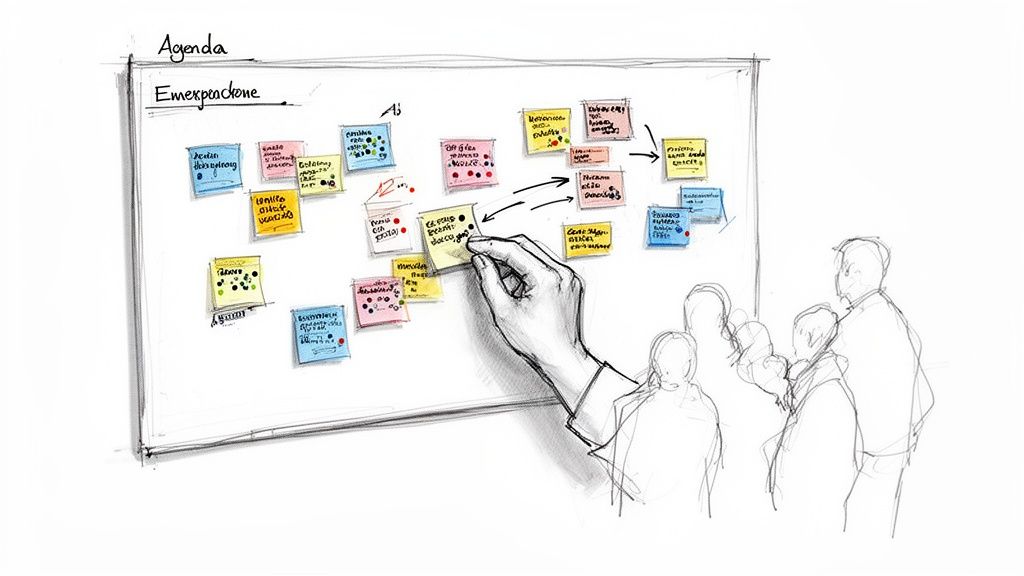
This approach is the hallmark of community-organized "Barcamps" and is often integrated into larger events, like the agile software development conferences that feature dedicated open-space tracks. It allows for spontaneous, highly relevant sessions that directly address what attendees are most passionate about, making it perfect for internal hackathons or association meetings focused on peer-to-peer learning.
The primary strength of the unconference format is its unparalleled relevance. Every session is guaranteed to have a core group of passionate participants because they created it. This model dismantles the hierarchy between speakers and attendees, promoting a collaborative environment where the best ideas can come from anyone.
However, its lack of structure can be intimidating for first-time attendees and challenging for organizers. Success depends entirely on participant engagement; if submissions are low or discussions fizzle out, the event can feel disorganized. It requires skilled facilitation to guide the process without controlling it.
Key Insight: An unconference thrives on the "Law of Two Feet," which states that if you are not learning or contributing, you have a responsibility to use your two feet and move to a session where you can. Empowering attendees to self-direct is fundamental.
To run a successful unconference, you need tools that facilitate participation and organization on the fly.
The Breakfast, Lunch & Learn agenda format integrates educational content directly into meal times, creating a relaxed yet productive environment. This model is perfect for shorter, more focused gatherings where time is at a premium. Sessions are typically 30-45 minutes and are presented during breakfast, lunch, or even extended coffee breaks.
This approach is common in professional association meetings, corporate training, and Chamber of Commerce networking events. The goal is to combine essential activities like eating and networking with valuable learning, making every minute of the attendee's time count. It transforms a standard meal break from a passive pause into an active engagement opportunity.
The primary strength of this format lies in its efficiency and accessibility. It lowers the barrier to entry for attendees who might not be able to commit to a full-day conference but are eager for industry insights. By pairing learning with a meal, you create a natural, comfortable setting that encourages questions and peer-to-peer discussion.
The main challenge is managing logistics and attention. You must ensure the A/V setup is clear enough to be heard over dining sounds and that the content is engaging enough to hold focus. The session needs to feel like a valuable addition to the meal, not an interruption of it.
Key Insight: The content for a Lunch & Learn must be highly focused and immediately applicable. Attendees are in a casual mindset, so complex, data-heavy presentations are less effective than practical case studies or actionable tips.
To execute this agenda format successfully, focus on creating a seamless and valuable experience.
The tiered learning path agenda treats a conference not just as an event, but as a curriculum. This progressive model is designed to guide attendees through a structured learning journey, with sessions building upon each other from foundational concepts to advanced mastery. It organizes content by proficiency level, such as 101 (Beginner), 201 (Intermediate), and 301 (Advanced), allowing for a guided experience.
This structure is a hallmark of educational and certification-focused events like Google Cloud training conferences, Project Management Institute (PMI) skill tracks, and Microsoft Learn events. These organizations use a tiered agenda to deliver tangible educational value, ensuring attendees leave with new, demonstrable skills rather than just passive knowledge.
The core strength of this agenda is its ability to cater to a diverse audience with varying levels of expertise. Newcomers aren't overwhelmed, and seasoned professionals aren't bored. This segmentation creates a clear value proposition for attendees, justifying the time and cost of attendance by promising a direct path to skill enhancement.
However, this model requires meticulous planning and a deep understanding of the subject matter. Content must be carefully designed to ensure sessions truly build upon one another without creating knowledge gaps or redundant information. It also places a greater burden on attendees to accurately self-assess their skill level to choose the correct starting point.
Key Insight: A tiered learning path transforms your event from a simple gathering into a career development tool. The perceived value skyrockets when attendees can see a direct line from the agenda to their professional growth.
To effectively execute a learning path agenda, you must guide attendees before they even arrive.
The sponsor-integrated showcase agenda moves beyond the traditional expo hall model by strategically embedding sponsored content directly into the main conference schedule. Instead of isolating sponsors, this approach positions their product demonstrations, hands-on labs, and expert workshops as valuable, premium content sessions. It treats sponsor contributions as integral parts of the educational journey, not just commercial interruptions.
This format is frequently seen at major B2B technology events and enterprise software conferences. For example, a large cloud provider's user conference might feature main-track sessions hosted by its top integration partners, showcasing how their solutions work together. This frames the sponsor content as a legitimate learning opportunity.
The core strength of this agenda is its ability to create a win-win-win scenario. Attendees get access to practical, solution-oriented content they can apply directly; sponsors get a highly engaged, relevant audience; and organizers create significant new revenue streams. By framing these sessions as educational, you elevate them from simple sales pitches to respected agenda items.
The biggest risk is a loss of attendee trust if the sponsored content provides low value or is overly commercial. It is critical to vet sponsors and set firm content guidelines to ensure every session, paid or not, meets the event's quality standards.
Key Insight: Successful sponsor integration depends on curation. You are not selling a time slot; you are co-creating a valuable content experience with a partner who has expertise your audience wants.
To make this conference agenda example work, you must balance commercial interests with attendee value.
This innovative agenda flips the script by prioritizing relationship-building as the primary conference objective, with formal content sessions serving a supplementary role. The structure is built around facilitated networking activities like speed networking, curated roundtable discussions, and open mixer blocks, creating a dynamic environment for making meaningful connections.
This approach is common at executive roundtables, startup pitch events, and leadership summits where the value lies in who you meet, not just what you learn. Events like YPO gatherings and many professional association golf tournaments use this model to ensure attendees spend the majority of their time interacting directly with peers, prospects, and partners.
The main advantage of a networking-forward agenda is its ability to deliver tangible ROI through direct human connection. It addresses a common attendee complaint: not having enough time to meet the right people. By formalizing networking, you turn a passive activity into a structured, high-value part of the conference experience.
However, this format requires more intensive pre-event planning and active facilitation. Without a clear structure for rotations and discussion prompts, "speed networking" can feel chaotic or unproductive. It also places a heavy burden on organizers to understand attendee goals and engineer valuable introductions.
Key Insight: The success of a networking-forward event depends on data. The more you know about your attendees' professional goals and interests beforehand, the more targeted and valuable the facilitated connections will be.
To engineer a successful networking-centric event, focus on collecting data and facilitating interactions.
| Agenda Type | Complexity 🔄 | Resources ⚡ | Expected Outcomes 📊 | Ideal Use Cases 💡 | Key Advantages ⭐ |
|---|---|---|---|---|---|
| Traditional Time-Blocked Conference Agenda | Low — linear scheduling, predictable | Medium — rooms, printed/mobile materials | Clear attendee schedules; efficient room allocation | Conferences with multiple tracks and fixed times | Easy to follow; reliable logistics |
| Multi-Track Concurrent Sessions Agenda | High — conflict management across tracks | High — many rooms, moderators, scheduling tools | High personalization; better space utilization | Large conferences serving diverse audiences | Maximizes attendee choice and perceived value |
| Hybrid Virtual-In-Person Blended Agenda | Very high — sync of live + virtual streams | Very high — AV, streaming, IT support | Expanded reach; on-demand content creation | Events targeting global or remote audiences | Flexible attendance; additional revenue streams |
| Keynote-Focused Agenda with Workshop Breakouts | Medium — coordinate large keynotes + workshops | Medium-High — main stage AV, breakout facilitators | Memorable shared moments; practical skill sessions | Events centering brand moments and learning | Strong marketing pull; hands-on workshops |
| Industry/Role-Based Segmented Agenda | High — tailored programming per segment | High — targeted content, separate materials | Increased relevance and engagement per segment | Conferences selling premium, role-specific access | Highly personalized experience; better sponsor targeting |
| Unconference/Open-Space Technology Agenda | Medium-High — emergent logistics, facilitation | Low-Medium — flexible space, facilitators | High attendee engagement; emergent, relevant sessions | Innovation labs, community-driven events | Peer-driven relevance; strong participant buy-in |
| Breakfast, Lunch & Learn Agenda Format | Low — compact session planning | Low — catering coordination, small rooms | Casual learning + networking; time-efficient | Association meetings, corporate half-day events | Fits busy schedules; strong sponsor meal opportunities |
| Tiered Learning Path Agenda (Beginner to Advanced) | High — curriculum design and prerequisites | Medium-High — content sequencing, certification | Clear learning progression; higher completion rates | Training-focused conferences and certification events | Structured skill development; repeat attendance |
| Sponsor-Integrated Showcase Agenda | Medium-High — balance sponsor and editorial needs | Medium — sponsor deliverables, branded sessions | Increased sponsor ROI; monetized session slots | Sponsor-heavy industry events and vendor showcases | Direct sponsor engagement; revenue optimization |
| Networking-Forward "Speed Networking" Agenda | Medium — requires facilitation and matching | Medium — data collection, session moderators | Strong relationship building; high perceived ROI | Executive retreats, networking-centric gatherings | Focused on connections; fosters community and repeat attendance |
We've explored a diverse collection of conference agenda examples, moving from the structured simplicity of a traditional time-blocked schedule to the dynamic, participant-driven format of an unconference. Each template serves as more than just a schedule; it's a strategic blueprint designed to achieve specific goals, whether that's deep-diving into technical topics with a multi-track agenda or fostering high-value connections with a networking-forward model.
The critical insight is that no single agenda fits every event. The most successful organizers don't just copy and paste a template. They analyze their audience's needs, align the schedule with their event's core objectives, and select the format that creates the most value for attendees, sponsors, and speakers alike. Your agenda is the very architecture of your attendee's experience.
The true power of these examples lies in understanding the strategy behind the structure. A tiered learning path agenda, for instance, isn't just about segmenting content; it's about creating a personalized journey that prevents attendee overwhelm and maximizes knowledge retention. Similarly, a sponsor-integrated showcase agenda moves beyond simple logo placement, weaving partners directly into the event narrative to create authentic engagement and deliver measurable ROI.
The key takeaways from our deep dive into these formats can be summarized as follows:
With these strategic frameworks in mind, your next step is to move from concept to concrete planning. This transition requires meticulous organization to ensure no detail is overlooked. To translate your agenda from a blueprint to reality, utilizing a comprehensive event planning checklist template is essential for managing the countless moving parts, from securing speakers to coordinating with vendors.
Your final agenda is a living document, a promise to your attendees of the value they will receive. It sets expectations and guides their journey from the moment they check in to the final farewell. By carefully selecting and customizing from the conference agenda examples we've discussed, you are not just planning a series of sessions. You are designing an experience, fostering a community, and building a reputation for delivering events that are truly unforgettable.
Ready to turn your agenda blueprint into a seamless, interactive experience for your attendees? GroupOS provides the tools to manage everything from tiered ticketing and personalized schedules to sponsor showcases and post-event engagement in one unified platform. See how GroupOS can activate your next conference agenda and automate your event logistics.