March 13, 2026

You've created a valuable digital product-an ebook, a course, a research paper, or a library of exclusive resources. Now comes the critical next step: choosing where to sell it. The platform you select is more than just a payment processor; it’s the digital headquarters for your brand, shaping your customer's experience and your long-term growth potential. Picking the wrong one can mean high fees, a frustrating user interface, and missed sales opportunities.
This guide cuts through the noise to provide a clear, actionable breakdown of the best places to sell digital products. We move beyond generic feature lists to give you a detailed analysis of each option, complete with screenshots and direct links. You'll find a practical evaluation of everything from dedicated marketplaces like Etsy to powerful storefront builders like Shopify and specialized community platforms like GroupOS, which is ideal for professional associations.
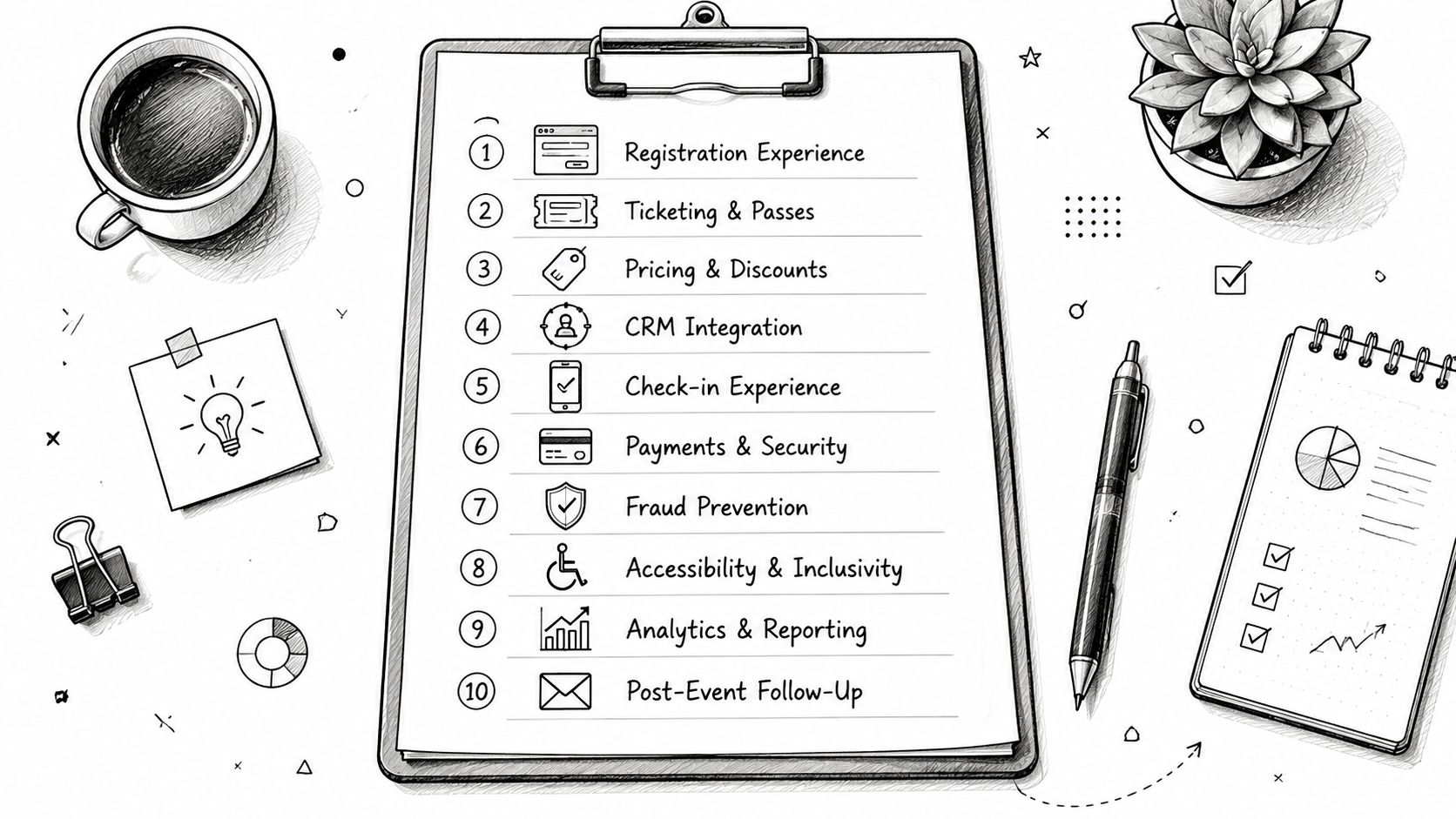
We will examine the critical factors that impact your bottom line and operational efficiency, including:
As you begin this process, understanding how to choose an ecommerce platform for growth is foundational to establishing a successful digital presence. This resource will help you compare marketplaces, all-in-one solutions, and self-hosted sites, enabling you to find the perfect fit for your specific products, audience, and business goals. Let's find the right home for your digital creations.
For professional associations, enterprise teams, and membership-based organizations, GroupOS presents a powerful, all-in-one solution that fundamentally changes how you sell digital products. Instead of just listing items on a generic marketplace, GroupOS allows you to build a branded ecosystem where content, community, and commerce converge. This makes it one of the best places to sell digital products because it moves beyond simple transactions to foster long-term member value and engagement.

The platform is purpose-built for organizations that manage events, memberships, and a library of digital assets like courses, reports, and on-demand video. Its core strength is consolidation; it replaces the need to juggle separate tools for ticketing, membership billing, a content management system, and community forums. Everything is managed under a single, white-label interface that reinforces your brand identity on web, iOS, and Android.
GroupOS excels in monetization and member retention. The dynamic ticketing and checkout system supports custom registration forms, VIP upgrades, and in-app purchases, directly increasing revenue from events and content sales. For instance, an association can sell a standard event ticket and then offer an upsell for a digital package of all recorded sessions directly within the checkout flow.
Real-World Impact: The platform’s effectiveness is demonstrated by Million Dollar Sellers, which reported a 20% increase in attendee engagement and a 15% boost in upsell revenue after adopting GroupOS. CEO Ian Sells noted the platform was critical in elevating member connection and collaboration.
Sponsors and exhibitors also gain a dedicated toolkit. Features like custom partner profiles, rotating banner ads, and product showcases create direct lead-generation opportunities, making sponsorships more valuable and easier to sell.
While often associated with physical goods, Shopify is a powerhouse for creators selling digital products, offering a level of brand control and scalability that few marketplaces can match. It stands out by giving you a fully customizable, independent storefront rather than just a listing on a shared platform. This makes it one of the best places to sell digital products if building a long-term brand is your primary goal.

The core functionality comes from Shopify’s free Digital Downloads app, which handles secure file delivery and link management after a purchase. However, the real strength lies in its ecosystem. You can integrate apps for advanced features like PDF stamping, streaming video, course creation, or software license key generation. This extensibility allows you to build a sophisticated digital business that can grow with you.
Shopify plans start at a monthly fee, and while the platform has its own processor (Shopify Payments), using an external payment gateway incurs an additional transaction fee. The costs of premium themes and third-party apps can also add up.
For those who prioritize complete control and ownership, WooCommerce stands out as the premiere open-source solution. As a plugin for the self-hosted WordPress platform, it transforms a standard website into a full-featured digital storefront, giving you absolute authority over branding, customer data, and search engine optimization. This makes it one of the best places to sell digital products for organizations and creators who want to build a business asset, not just a product listing.

WooCommerce includes built-in functionality for managing downloadable products and tracking access. Its true power, however, comes from its massive extension marketplace. You can integrate plugins for subscriptions, memberships, course creation via Learning Management Systems (LMS), or software license key management. This flexibility allows you to construct a very specific and advanced digital sales system without being locked into a proprietary ecosystem.
While the WooCommerce plugin itself is free, you are responsible for WordPress hosting, a domain name, and security (like an SSL certificate). You pay payment processor fees directly (e.g., Stripe, PayPal, or WooPayments), but there are no platform commissions. Costs for premium themes and extensions, which often have annual renewal fees, can accumulate over time.
Known for its elegant templates and user-friendly interface, Squarespace has evolved into a strong contender for creators seeking an all-in-one solution. It natively supports selling digital products, online courses, and gated member areas directly within its website builder. This integrated approach makes it one of the best places to sell digital products for those who prioritize design, simplicity, and a unified brand experience without needing third-party plugins for core commerce.

Squarespace lets you sell everything from e-books and presets to exclusive video content through its Digital Products and Member Areas features. The platform handles secure file delivery, checkout, and customer management in a single dashboard. Its strength is its cohesiveness; your store, blog, portfolio, and member content all live under one roof with a consistent design, making it a great choice for launching a polished digital business quickly. You can explore a detailed comparison of its capabilities in this list of the best membership website builders.
While basic digital sales are available on most plans, there are transaction fees on all but the highest-tier Commerce plans. Member Areas also come with plan-specific limitations on the number of members and courses you can offer. Its app ecosystem is much smaller than Shopify's, offering less room for advanced, custom functionality.
Gumroad is a creator-first platform celebrated for its simplicity and speed, making it one of the best places to sell digital products with minimal setup. It empowers creators to sell files, memberships, and software licenses directly to their audience through simple, shareable links. The platform’s core philosophy is to remove technical barriers, allowing you to create a product page and start selling in minutes.

A key differentiator is that Gumroad acts as the merchant-of-record, handling complex global sales tax (VAT) collection and remittance for you. This is a significant advantage for independent creators who don't want to manage international tax compliance. Features like pay-what-you-want pricing, license key generation, and built-in email marketing tools provide a solid foundation for various content monetization strategies. Its user interface is clean, focusing on the product and making the purchase process straightforward for customers.
Gumroad uses a pay-as-you-sell model with no monthly fees, which is attractive for new sellers. However, its 10% platform fee (plus payment processing fees) can become costly as sales volume increases, making it less economical for high-earning creators compared to platforms with fixed monthly costs.
Lemon Squeezy is a powerful merchant-of-record platform built specifically for software, SaaS, and digital goods. It stands out by taking on the immense complexity of global sales tax, billing, and compliance, acting as the legal seller on your behalf. This makes it one of the best places to sell digital products for creators who want to sell globally without becoming tax experts.

By handling global VAT, GST, and US sales tax collection and remittance, Lemon Squeezy lets you focus entirely on your product. Its feature set is particularly strong for software developers, offering built-in license key generation and management. The platform also supports subscriptions, usage-based billing, and an integrated affiliate system, providing a complete toolkit for growing a software or digital content business without the administrative headache.
While there are no monthly fees to get started, Lemon Squeezy operates on a per-sale fee structure, which includes payment processing. Payouts are available via bank transfer or PayPal, but be aware of additional card fees for transactions made with non-US cards. The platform is highly specialized for digital goods and is less suitable for businesses that also plan to sell physical items.
Payhip is an all-in-one e-commerce platform designed for speed and simplicity, making it a favorite among solo creators and small businesses. It allows you to sell digital downloads, courses, coaching, and memberships from a single, easy-to-manage dashboard. One of its standout features is the ability to embed your products or entire store directly onto an existing website or blog, turning any page into a point of sale.
The platform is recognized for its straightforward approach, especially regarding international sales. Payhip automatically handles EU and UK VAT, a significant administrative relief for creators with a global audience. This focus on removing friction is central to its design, offering a fast setup process and a clean user interface. It’s one of the best places to sell digital products if you want to start quickly without a steep learning curve or high initial costs.
Payhip offers a compelling free-forever plan that only charges a 5% transaction fee, making it accessible for new sellers. Paid plans reduce or eliminate this fee. While its customization options are not as extensive as a dedicated site builder like Shopify, its feature set, including affiliate tools, coupons, and pay-what-you-want pricing, is robust for its market.
Sellfy is a straightforward e-commerce platform purpose-built for creators who want to get up and running quickly. It provides a clean, hosted storefront that excels at selling digital files, subscriptions, and even print-on-demand merchandise without requiring technical expertise. This focus on speed and simplicity makes it one of the best places to sell digital products for those who prioritize a fast launch and predictable costs.

The platform supports unlimited products and large file sizes, handling both one-time purchases and recurring subscriptions. One of its most valuable features is the built-in marketing toolkit, which includes upselling, email marketing, and discount codes without needing third-party apps. You can also embed "buy now" buttons or entire product widgets directly onto an existing website or blog, blending commerce into your content.
Sellfy operates on a monthly subscription model, but its paid plans are attractive because they come with 0% transaction fees from the platform itself. You still need to account for standard payment processor fees from Stripe or PayPal.
Podia positions itself as a true all-in-one platform for creators, simplifying the process of selling digital products by bundling website creation, product hosting, and email marketing into a single, cohesive tool. Its main appeal is for creators and small teams who want to avoid patching together multiple services. This integrated approach makes it one of the best places to sell digital products for those focused on community building and educational content.
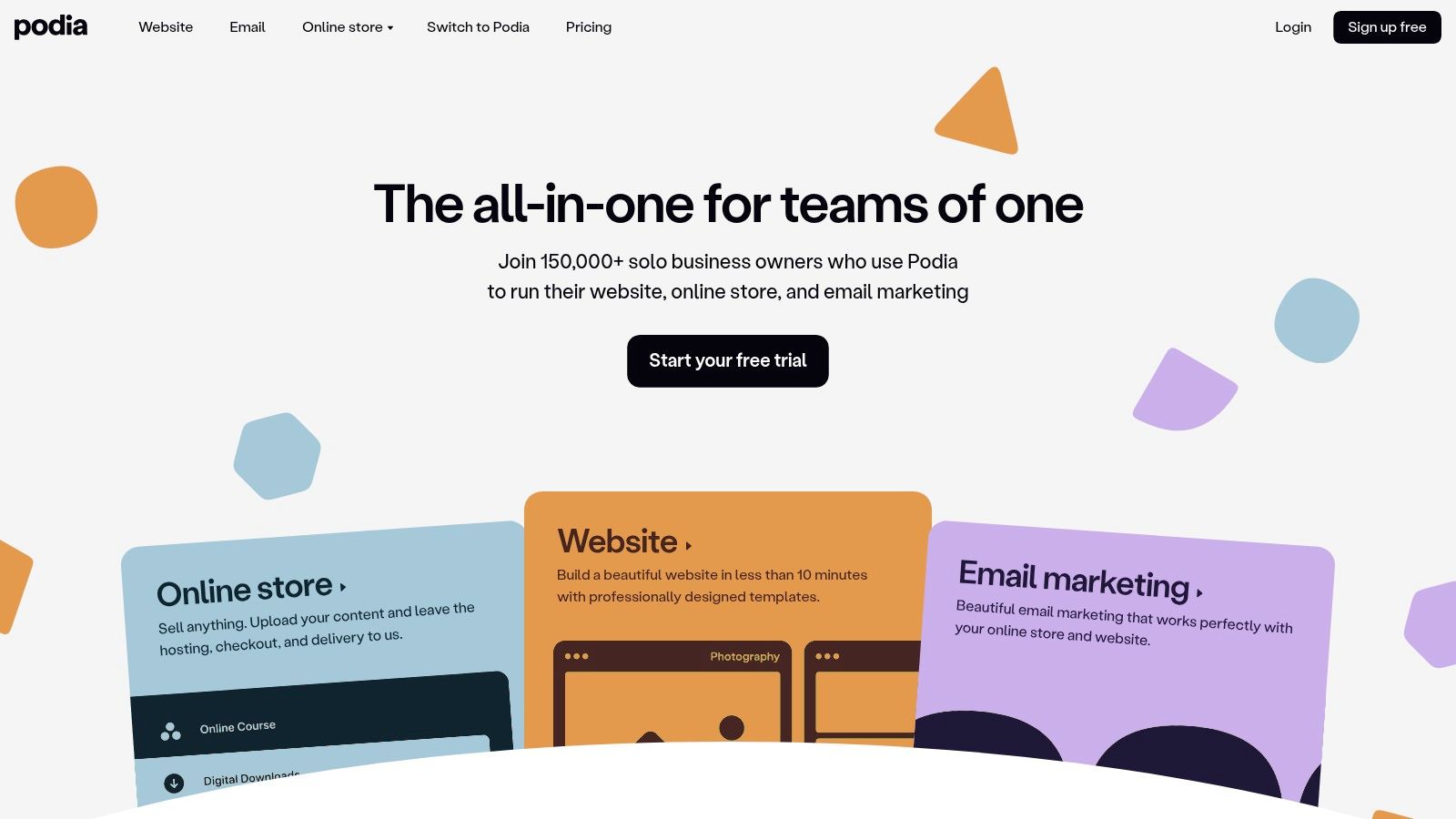
The platform supports a variety of product types, including digital downloads, online courses, webinars, product bundles, and gated memberships. Functionality is straightforward, allowing you to set up a simple storefront, create products, and manage customers from one dashboard. Built-in affiliate tools and a "link-in-bio" page creator add immediate value, providing essential marketing features without needing third-party add-ons.
Podia's strength is its simplicity and unified experience, which comes with certain trade-offs. The website builder and email marketing tools are functional but less powerful than dedicated solutions like WordPress or ConvertKit. Its pricing structure has changed over time, so it's wise to verify current plan limits and transaction fees before committing.
Kajabi positions itself as a premium, all-in-one platform for serious entrepreneurs and established education businesses. It consolidates the tools needed to create, market, and sell high-value digital content like online courses, coaching programs, and membership communities. This integrated approach makes it one of the best places to sell digital products if your strategy involves building complex sales funnels and automated customer journeys without juggling multiple software subscriptions.

The platform’s power comes from its cohesive toolkit, which includes a course builder, website and landing page creator, email marketing automation, and robust analytics. Its "Funnels" feature (formerly Pipelines) allows you to build multi-step marketing sequences from pre-built templates, guiding potential customers from lead capture to purchase. This native integration is Kajabi’s main selling point, reducing technical headaches and providing a unified view of your business performance. You can dig deeper into how its features stack up against competitors in our detailed Kajabi vs. Teachable comparison.
Kajabi operates on a subscription model with tiered plans that limit the number of products, funnels, and active customers. It is a more expensive option upfront, targeting creators who are ready to invest in a complete business system rather than a simple storefront. Note that the company has made significant changes to its plans and pricing, so it's wise to verify the current limits and costs directly on their site before committing.
For creators focused specifically on education, Thinkific is a premier learning-commerce platform that excels at packaging knowledge into structured courses, communities, and memberships. Rather than being a general-purpose digital marketplace, it provides a specialized environment for building, marketing, and selling educational content. This focus makes it one of the best places to sell digital products when student engagement and learning outcomes are as important as the sale itself.
Thinkific offers robust tools designed for instruction, such as course compliance features that require students to complete one lesson before moving to the next. The platform supports everything from simple digital downloads to complex certification programs. Its integrated Thinkific Payments simplifies transactions, while the user experience for both administrators and learners is clean and intuitive. For organizations wanting to understand how to sell online courses successfully, a platform like this provides the foundational tools needed to create a professional training business.
While Thinkific has a free plan to get started, its more powerful features require a paid subscription. The platform is purpose-built for learning-based products; it's less ideal for creators selling standalone assets like stock photos or software. Additional transaction fees may apply if you opt to use a third-party payment gateway instead of their native solution in certain regions.
While primarily known for handmade physical goods, Etsy has become a massive marketplace for specific types of digital products, attracting millions of buyers actively searching for creative assets. Its strength lies in discovery; for creators whose products align with the platform’s audience, Etsy provides a built-in customer base that is difficult to replicate, making it one of the best places to sell digital products for initial market validation.
The platform is particularly dominant in consumer-friendly categories like digital planners, printable wall art, social media templates, and Lightroom presets. The instant digital delivery system is seamless; once a purchase is made, Etsy automatically makes the files available to the buyer through their order page and via email. This hands-off fulfillment, combined with the platform's huge search traffic and strong buyer trust, makes it an accessible entry point for new sellers.
Etsy's fee structure can be complex, involving a listing fee, a transaction fee, a payment processing fee, and a mandatory Offsite Ads fee for high-earning shops. Brand control is minimal, as your products are displayed within the standard Etsy interface, and a significant drawback is that buyers cannot download digital files through the Etsy mobile app, requiring them to use a web browser.
Choosing from the best places to sell digital products marks a critical turning point for your business. You’ve moved from the conceptual stage of product creation to the practical stage of monetization. The journey through platforms like Shopify, Gumroad, and specialized course builders like Kajabi reveals a core truth: there is no single "best" platform, only the one that is best for you. Your ideal solution hinges directly on your specific goals, technical comfort, and the nature of your audience.
The right platform is an accelerant, not a magic bullet. It removes technical friction, automates fulfillment, and provides a professional storefront, which frees you to concentrate on the activities that truly drive revenue: creating exceptional products and connecting with your audience. The real work begins now.
Reflecting on the tools we've explored, we can group them into distinct strategic categories. This framework can help you pinpoint where to focus your decision-making process.
For Maximum Control and Ownership: Solutions like WooCommerce and Shopify (with the Digital Downloads app) stand out. These are for creators who want to build a brand on their own domain, control every aspect of the customer experience, and integrate a vast ecosystem of plugins and apps. The trade-off is a higher degree of initial setup and ongoing maintenance.
For Simplicity and Speed: If your priority is to get a product online and start selling immediately with minimal fuss, Gumroad, Lemon Squeezy, and Payhip are your go-to options. They handle the complex backend processes, like VAT and sales tax, allowing you to focus purely on your product and marketing. Their simplicity, however, means less customization.
For Course Creators and Educators: Platforms like Kajabi, Podia, and Thinkific are built from the ground up to support educational content. They offer integrated tools for video hosting, student management, quizzes, and drip content, creating a cohesive learning environment that a generic storefront cannot replicate.
For Community-Centric Monetization: For professional associations, industry groups, and membership-based organizations, the model shifts from simple transactions to ongoing engagement. A platform like GroupOS is specifically designed for this purpose, integrating digital product sales directly within a private community hub. This approach turns one-time buyers into long-term, engaged members.
Your chosen platform is the foundation, but your marketing efforts are what will build your business. A brilliant digital product on the perfect platform will fail if no one knows it exists. This is where your focus must now shift. To truly thrive and turn your product into profit, understanding effective digital marketing strategies for ecommerce growth is essential. Your efforts in content marketing, email campaigns, SEO, and paid advertising will directly determine your sales velocity.
As you implement your chosen tool, keep these final considerations in mind:
The path from a finished product to a profitable digital business is a marathon, not a sprint. By selecting the right platform from our list of the best places to sell digital products, you have equipped yourself with the tools needed to succeed. Now, combine that technology with consistent marketing, a commitment to quality, and a focus on your customer. You are ready to build your digital enterprise.
Ready to sell digital products directly to your members within a private, branded community? GroupOS helps professional associations and membership organizations monetize their expertise by integrating e-commerce into a powerful community platform. Learn how GroupOS can become your all-in-one solution for member engagement and revenue generation.