December 27, 2025
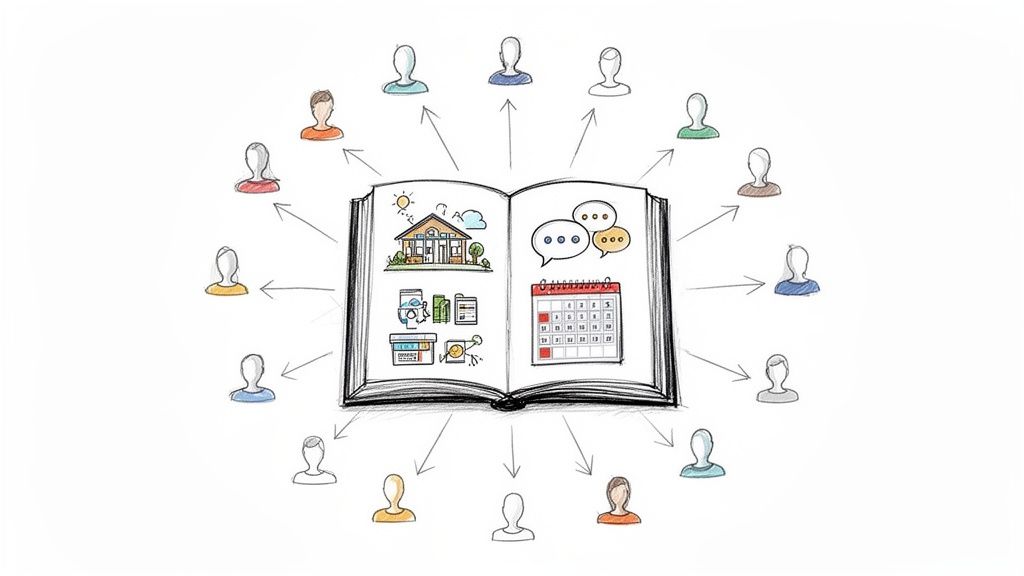
If you want to genuinely increase customer engagement, you have to stop thinking in terms of one-off marketing campaigns. The real goal is building an integrated ecosystem where every single interaction feels personal, valuable, and connected. This means moving away from simply broadcasting messages and instead fostering real connections through a unified strategy that weaves together your community, content, and communications. It’s all about creating a continuous, positive experience for every member.
Let's be real—the old playbook for engaging customers is broken. Traditional, campaign-based tactics, like a disconnected email blast followed by a random social media post, just don't cut it anymore. These methods treat customers like targets in a sales funnel, not partners in a relationship, and the experience feels jarring and impersonal. This whole model is failing because customer expectations have completely changed.
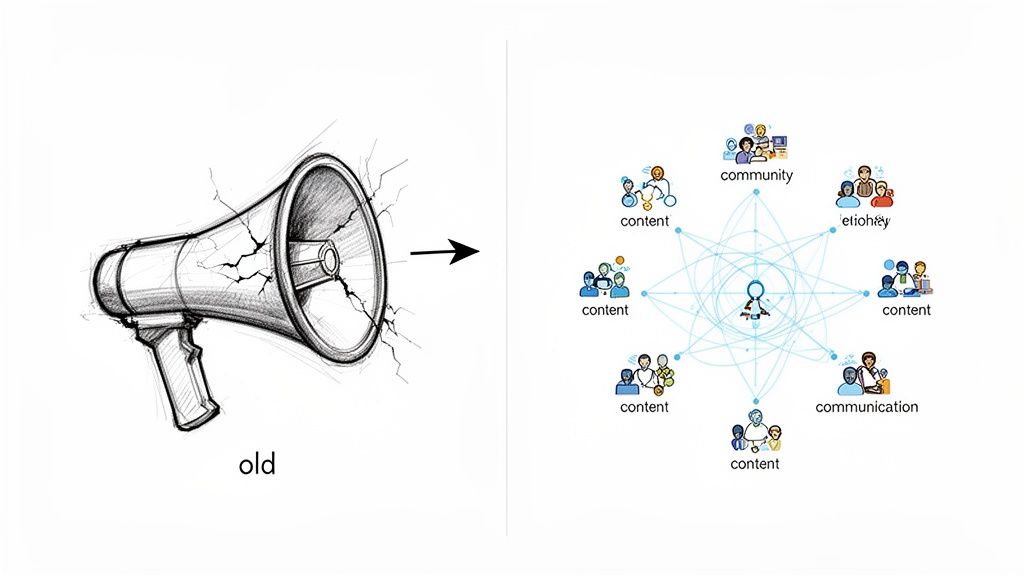
There's a massive gap between what businesses think they're delivering and what customers actually feel. This disconnect is pushing brands to rethink everything.
Closing these gaps isn't just a nice-to-have; it's a strategic imperative for survival and growth.
We’ve officially entered what I call 'The Engagement Era.' The pressure to adapt is huge. In fact, a staggering 77% of consumer products marketers believe they must completely transform their organization's approach by 2025 just to stay in the game. This isn't just a hunch; it's a reaction to rising costs and dwindling loyalty.
This shift is being driven by new consumer demands. People are looking for authentic connections and expect more for their loyalty, especially when 86% have cut back on spending due to economic pressures. They won't hesitate to leave a brand that doesn’t make them feel seen, heard, and genuinely valued.
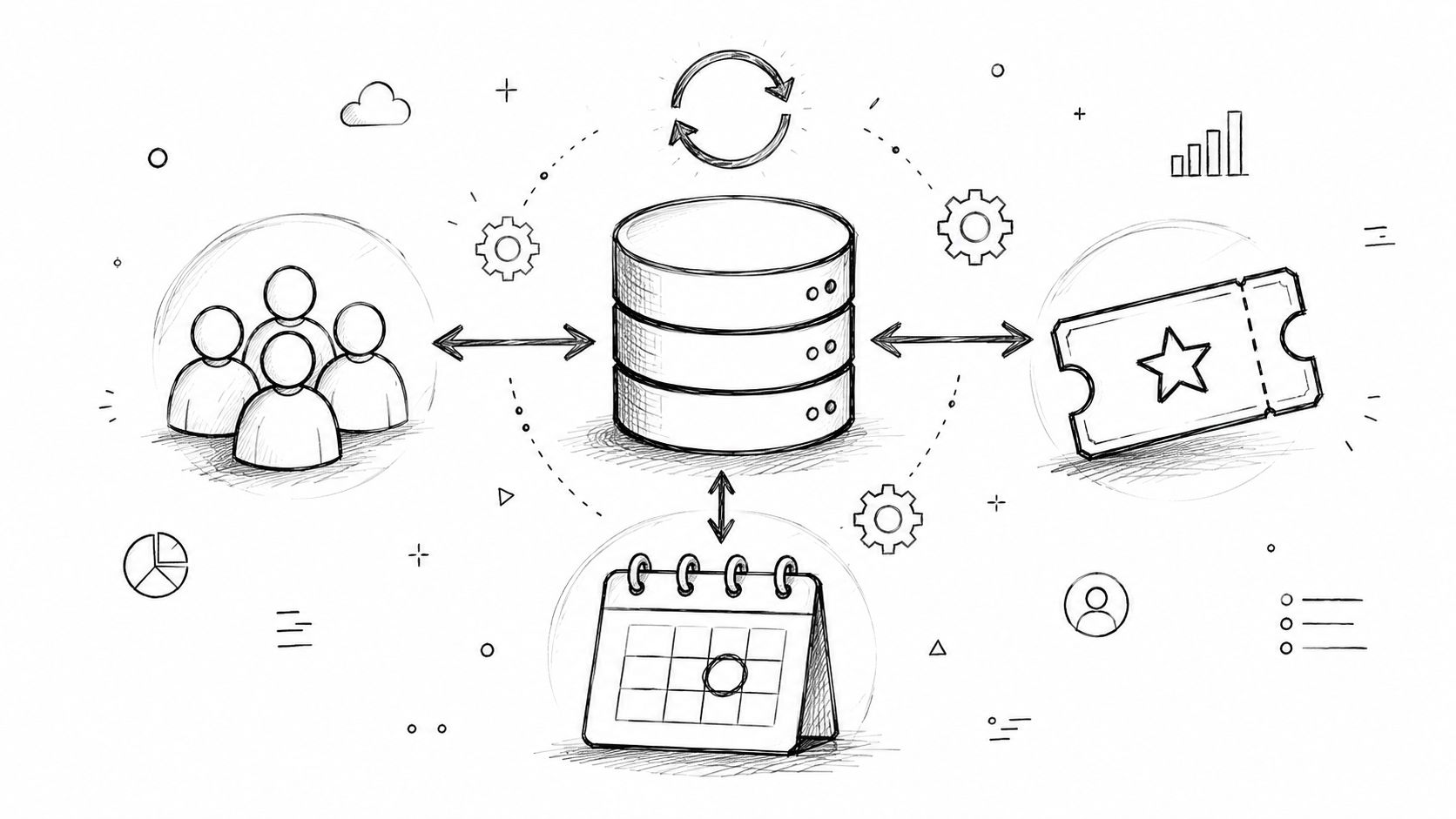
The answer lies in thinking about engagement as a single, unified strategy—not a checklist of separate tasks. Picture an ecosystem where your community platform, event management system, and content library all talk to each other and work in concert. This integrated approach ensures that every touchpoint, no matter how small, reinforces the value you bring to the table.
The modern challenge isn't just grabbing attention; it's holding it. A winning engagement strategy makes your brand the central hub for your audience's professional or personal interests, building a relationship that goes far beyond a simple transaction.
For professional networks, this means using a centralized platform like GroupOS to create a single source of truth for all your members. Instead of forcing them to juggle scattered tools and logins, you can build a branded home where they can network, learn, and grow. For a closer look at modern strategies, check out this guide on how to improve customer engagement. This is how you start meeting modern expectations and build an engagement engine that lasts.
A thriving community is the real engine of engagement these days. It’s where your members feel seen and heard, transforming them from passive followers into genuine advocates. But getting people to actually use the community? That takes more than just launching a platform; it requires smart, practical tactics.
The biggest win is often getting your members out of scattered channels like Slack or a chaotic Facebook Group and into a single, branded home you control. I’ve seen professional associations do this, pulling members from a free-for-all Facebook page into their own dedicated app. The difference is night and day. Suddenly, discussions are organized, resources are easy to find, and networking just works. This isn't just about being tidy—it's a direct line to deeper, more meaningful engagement.
First things first, you have to make it incredibly easy for members to find and connect with each other. A static list of names just won't cut it. You need dynamic tools that encourage people to interact from the moment they join.
An interactive member map is a fantastic starting point. It lets people see who’s in their city or region, which is a powerful catalyst for local meetups and collaborations. When a member in Chicago can instantly spot five other industry peers just a few miles away, the community suddenly feels real and tangible.
Beyond location, you need a robust member directory that’s more than just a digital phonebook. Think of it as an internal LinkedIn.
These features empower your members to build their own smaller, more relevant circles within the larger community, which is where the real magic happens.
Once people can find each other, the next step is to make them want to stick around. This is how you create a space that becomes an indispensable part of their professional lives. Belonging is built on shared experiences, mutual support, and consistent, valuable interaction.
A community truly comes alive when it stops being a place your organization manages and starts becoming a space your members own. Your job is to facilitate, not dictate. The best engagement is almost always organic, driven by the members themselves.
For example, a corporate user group could create dedicated channels for specific software features or different industries. This gives members with niche interests a place for focused conversations, so they don't get lost in the noise of a general forum. It’s a simple move that shows you're listening and providing real value.
This is the bedrock of a strong digital community. By creating a central, feature-rich hub, you’re not just making engagement easier—you're building a powerful asset for your organization. For a deeper dive on this, check out our guide on how to build an online community.
Let's make this concrete. I worked with a national trade association for marketing pros that was struggling. Their members were split between a dead forum on their website and a sprawling LinkedIn group where good conversations got buried in minutes.
They decided to unify their community on GroupOS. Here’s what they did:
The results after just three months were striking. Direct messages between members shot up by 40%, and the new interest groups blew the old LinkedIn page out of the water. Even better, they saw a 15% lift in early-bird registrations for their annual conference. When they asked why, many members said the connections they’d made in the new community were what convinced them to attend. This is a perfect example of how a well-executed community hub drives the engagement that moves the needle on real business goals.
Too many organizations treat their events like a one-and-done deal. There's a huge build-up, a flurry of activity, and then… silence. But what if your annual conference or quarterly webinar was the spark that ignited conversation for the entire year? The real secret is to stop seeing events as the finish line and start treating them as powerful touchpoints in a continuous cycle of engagement.
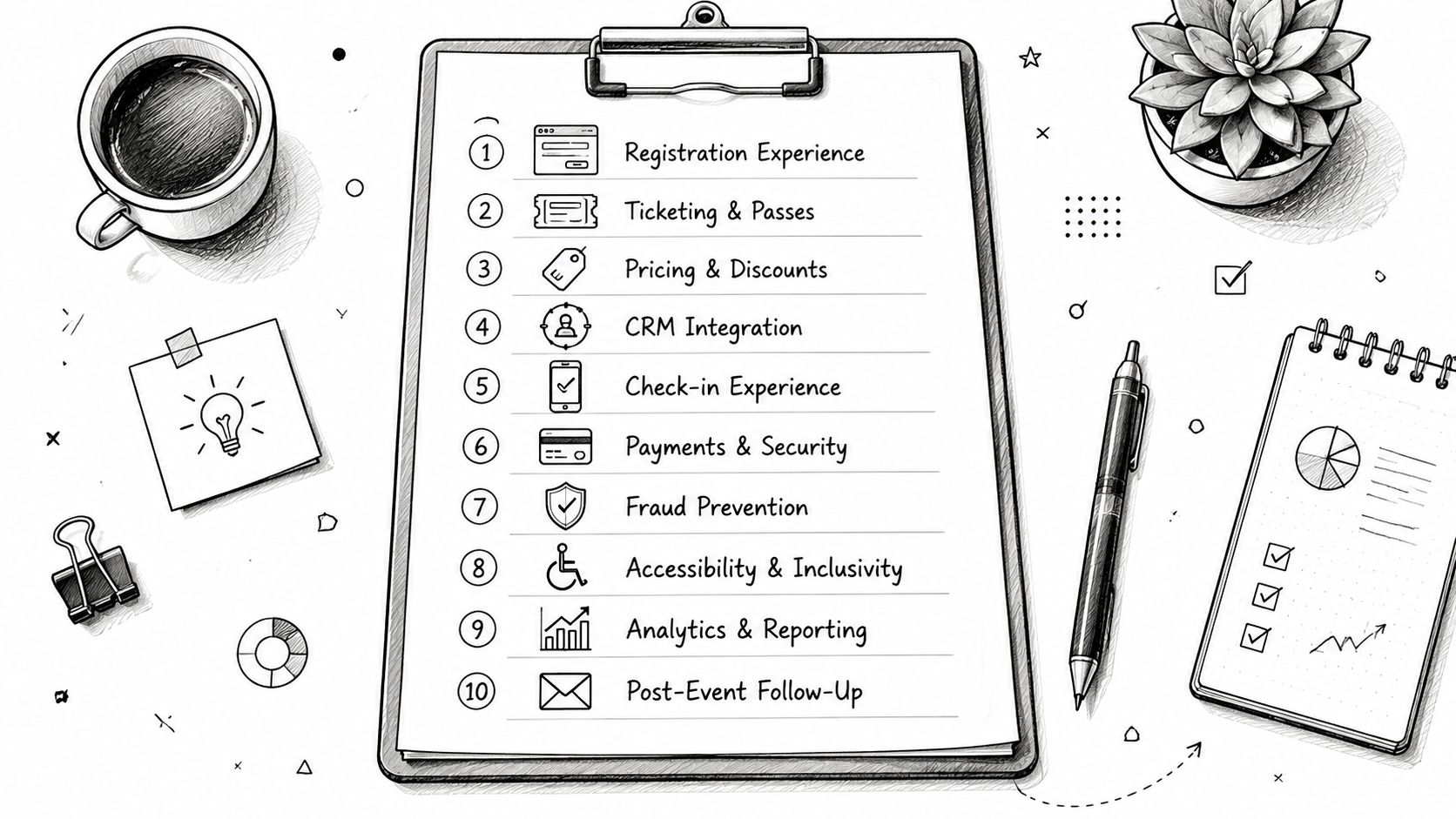
This shift in mindset begins long before the event day itself, starting with a dead-simple registration process. Your ticketing flow is the first real handshake with an attendee, and it’s your chance to gather some incredibly useful insights. Instead of a generic form, think about adding custom fields to capture what attendees are hoping to learn, their biggest professional challenges, or specific topics they’re interested in. This isn't just data; it's a goldmine for personalizing their experience down the road.
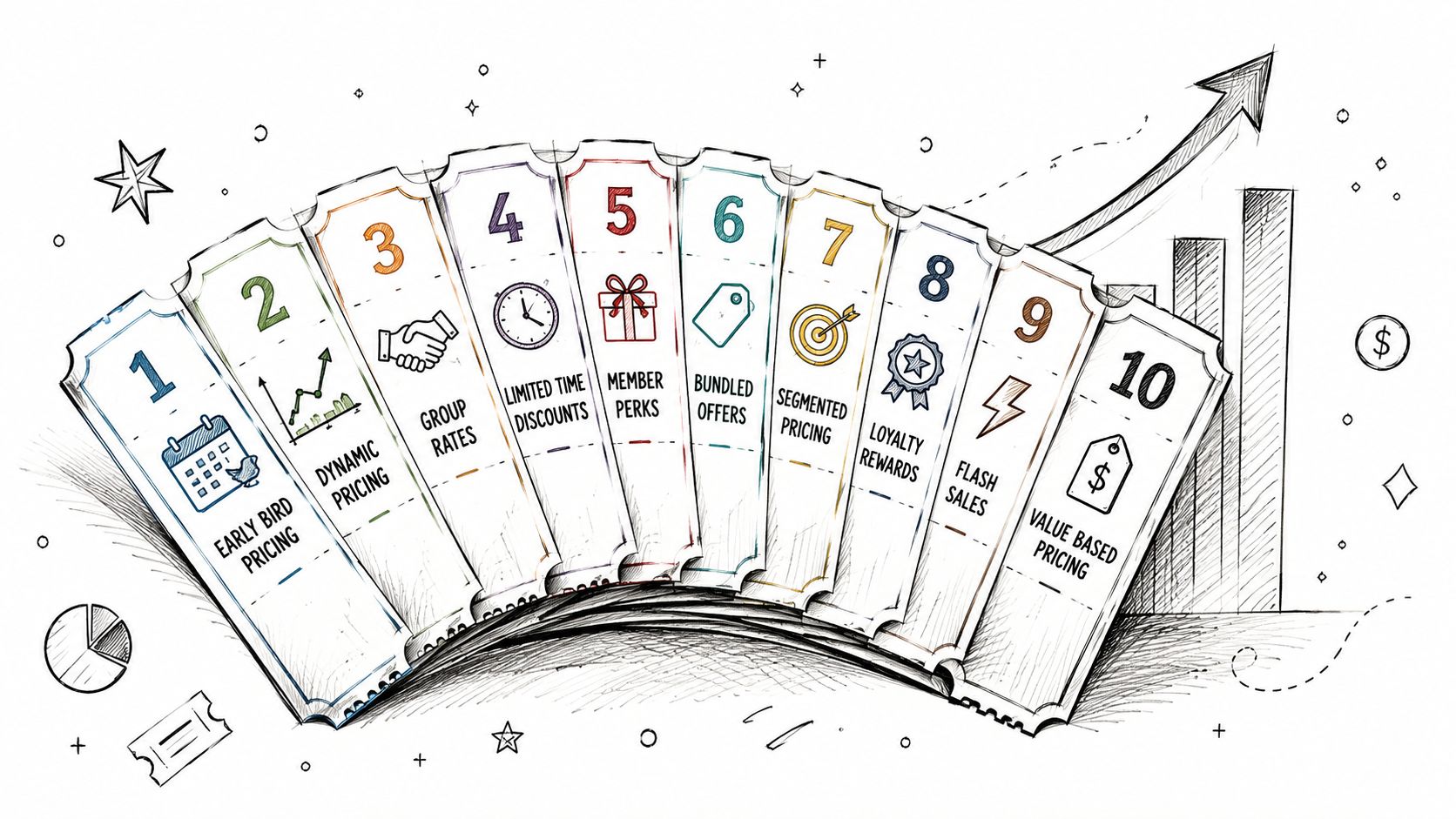
A great way to segment your audience from the get-go is with tiered ticketing.
This isn't just about boosting revenue. It’s an early indicator of who your most invested members are, giving you a head start on nurturing those key relationships.
Let's be honest: the on-site experience can make or break how someone feels about your organization. One of the most common—and completely avoidable—pain points is the check-in process. Nothing sours an attendee's mood faster than a long, disorganized line before the event has even started. This is where getting the logistics right becomes a critical part of your strategy to increase customer engagement.
There's a dangerous 'loyalty illusion' that many organizations fall for. While a staggering nine out of ten executives believe customer loyalty is on the rise, only four in ten consumers actually agree. This disconnect is crystal clear at events. A single frustrating experience, like a long wait, can leave a lasting sour taste. And when you consider that 53% of consumers will ditch a brand over long hold times, it’s not a stretch to see how that feeling applies to a chaotic check-in. You can dive deeper into this customer experience gap in PwC's 2025 Customer Experience Survey.
Using a platform with integrated QR code check-ins completely sidesteps this problem. Attendees just pull up the code on their phone, get it scanned, and have their badge in hand within seconds. It's a smooth, professional first impression that sets a positive tone for the rest of the day. For a more detailed guide on nailing these logistics, check out our walkthrough on hosting an event that impresses.
This simple flow shows how each stage of the event builds on the last to create a genuine community.
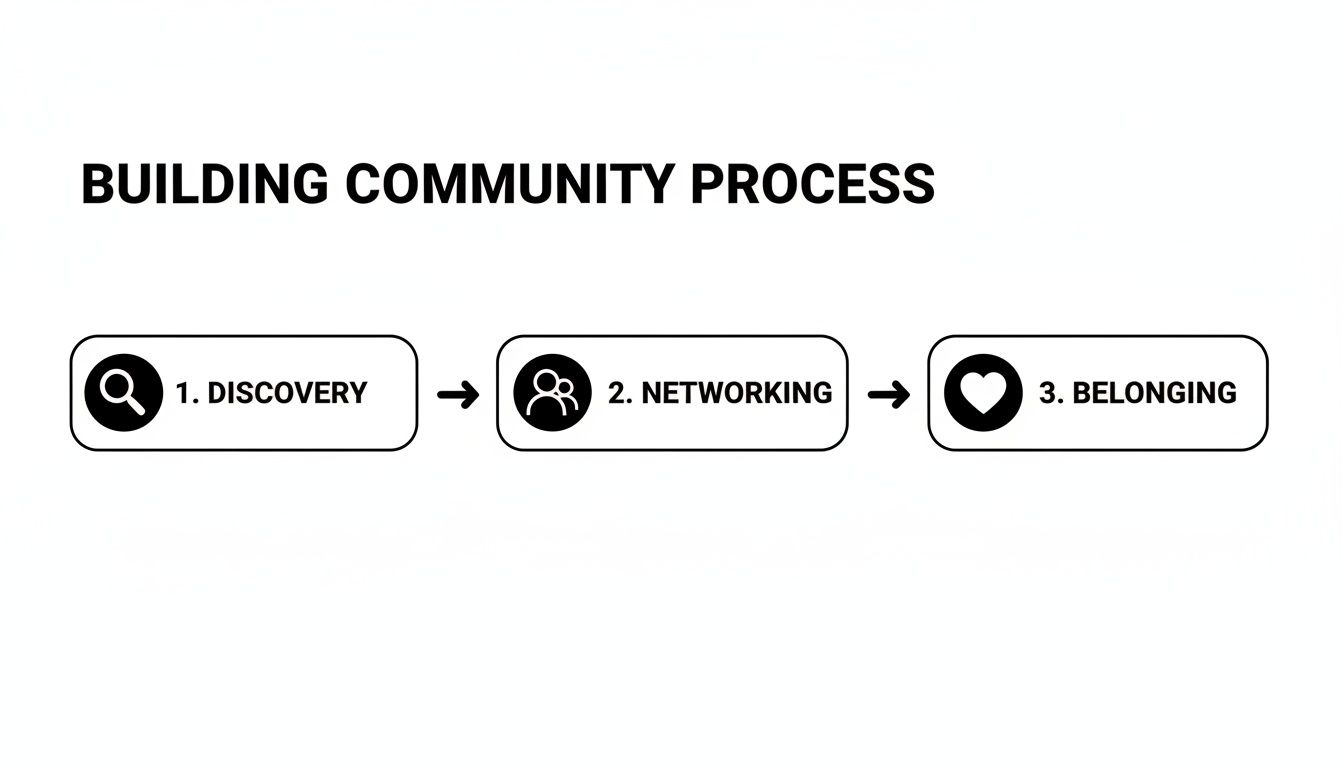
It’s all about guiding people from that initial point of discovery to active networking, which ultimately fosters a sense of belonging that lasts long after the event wraps up.
The real magic often happens after the last session ends and the doors close. This is when you get to dig into the data and see what actually clicked with your audience. A unified platform like GroupOS serves up powerful post-event analytics that tell a much richer story than just headcounts.
Your event data is a roadmap for the future. It tells you which topics to double down on, which speakers to bring back, and what your members truly value. Ignoring this data is like planning your next event with a blindfold on.
Let’s say you’re planning an annual tech conference. By looking at the analytics, you might discover that the "AI in Marketing" breakout session was standing-room-only, while the "Legacy Systems" talk had plenty of empty chairs. That’s a direct signal for your content strategy next year—give the people more of what they want.
You can also get granular with sponsor engagement. When your platform gives sponsors their own dedicated pages, you can track exactly who generated the most leads, profile views, and meeting requests. This hard data demonstrates tangible ROI, making it so much easier to get them to sign on again next year. This data-driven cycle turns your event from a simple expense into a predictable engine for revenue and engagement that keeps working for you all year long.
Your content is the lifeblood of your community, but if members can't find it, it might as well not exist. We've all seen it: valuable resources scattered across a document library, a separate video platform, and random email attachments. This creates friction and makes people question the value you're providing.
The fix? A centralized, searchable content hub. This isn't just a digital filing cabinet; it's an indispensable, on-demand library for your community.
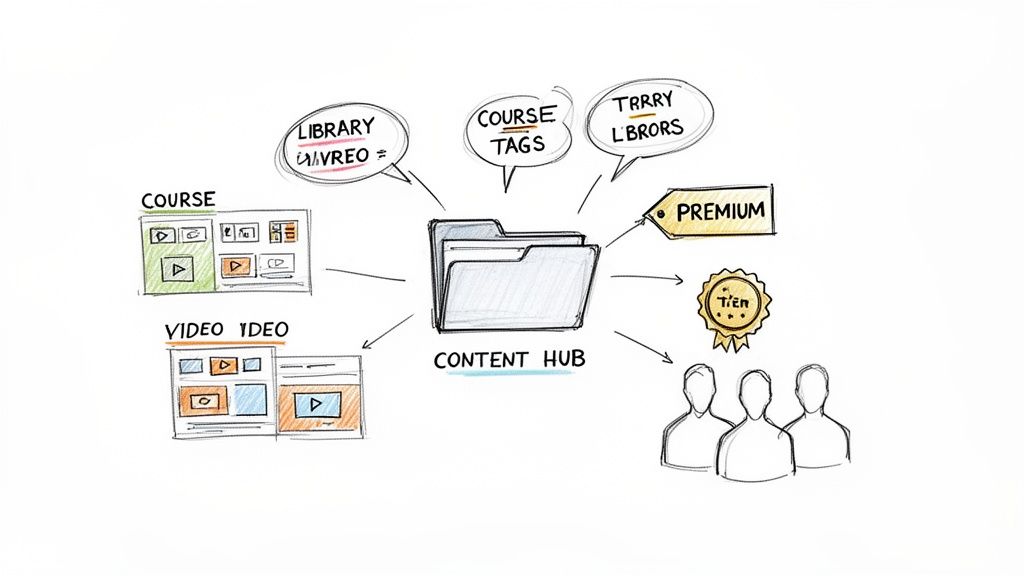
Think of it as the go-to place for everything from conference recordings and training courses to industry reports and practical guides. When your content is well-organized and easy to access, it stops being a static asset and becomes a dynamic tool that will increase customer engagement and constantly reinforce the value of their membership.
A messy library is an unused library. The secret to making your content hub the first place members look for answers is a smart, intuitive organizational system. This is where a global tagging system becomes your best friend. Instead of trapping content in rigid folders, you can apply multiple, relevant tags to every single piece.
Let's say a member is looking for info on "digital marketing analytics." With a solid tagging system in place, their search instantly pulls up everything relevant:
This approach completely breaks down content silos. It surfaces all related materials, no matter the format, making discovery effortless and ensuring members get the absolute full value from the resources you’ve worked so hard to create. If you want to dig deeper into this, check out our guide on how to create engaging content that people truly connect with.
Let’s be honest: not all content should be for everyone. A well-designed content hub gives you the power to create a clear upgrade path by tiering access to your most premium resources. This strategy is a double win—it gives members a real incentive to invest more while also letting you tailor content to specific segments of your audience.
Your content hub can quickly become a powerful revenue driver. By gating your highest-value content—like specialized courses or exclusive research—you create a compelling reason for members to upgrade to a premium tier.
It's a classic value-based model. Your free or standard members might get access to public blog posts and general webinars, which is perfect for bringing them into the fold. But your top-tier members unlock the kind of exclusive benefits that easily justify the higher price point.
An Example of Tiered Content Access
Picture a professional association for financial advisors. They use their GroupOS platform to build a powerhouse content hub with different access levels. All their standard members can get the monthly market summaries and watch replays of public webinars.
But their premium members get the keys to the "Advisor's Edge" library. This is an exclusive area containing advanced certification courses, proprietary market research, and on-demand videos from closed-door sessions at their annual summit.
The association tracks engagement right inside the platform and notices that certain standard members keep hitting the paywall for these premium resources. This automatically triggers an email campaign highlighting the specific benefits of upgrading. This isn't just about boosting revenue; it's about data. They can see exactly which topics are most in-demand, which directly informs their content strategy for the next quarter. This is how a content hub moves from a simple feature to a core part of a sustainable business model.
Let's be honest: effective personalization is a lot more than just dropping [First Name] into an email template. To really connect with your members and keep them coming back, you have to create experiences that feel like they were made just for them. The real trick, of course, is figuring out how to do that for everyone without burning out your team.
It all starts with the data your members are already giving you. Every event they register for, every interest they tag on their profile, every resource they download—these are all clues. This is the raw material you can use to stop sending generic blasts and start delivering communications that actually matter.
There’s a massive disconnect between how well companies think they’re doing with personalization and how customers actually feel. The 2025 Global Customer Engagement Review from Braze puts some hard numbers on it.
A whopping 84% of businesses believe they're delivering 'good' or 'excellent' personalized experiences. The problem? Only 54% of consumers see it that way. That gap is where you lose people—in fact, 70% of customers say they’ll walk away from a brand after just two bad experiences.
This isn't just a "nice-to-have" anymore. It's about having the right tools to send the right message to the right person at exactly the right moment.
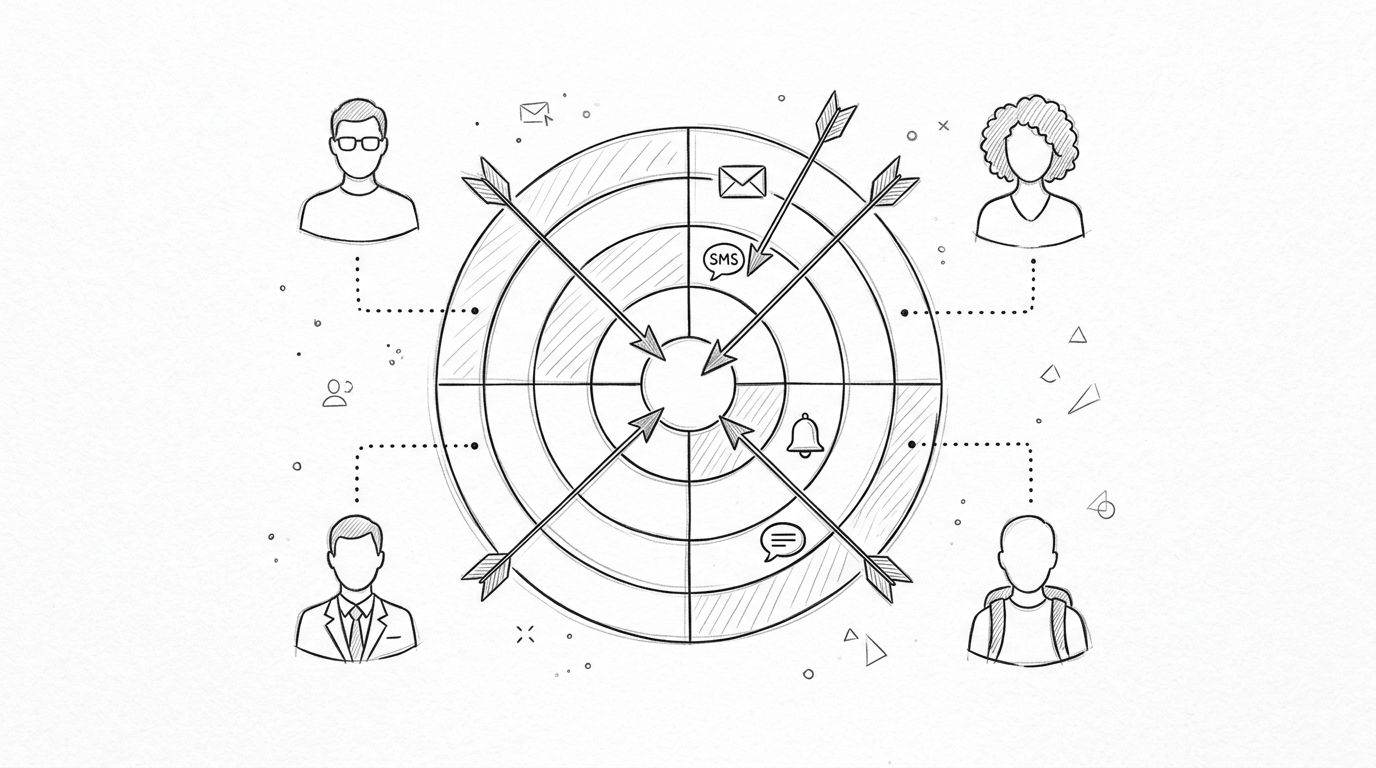
So, how do you make this happen? It begins with smart segmentation. Instead of a one-size-fits-all approach, you can create dynamic groups based on what people actually do and care about.
Here’s what that looks like in the real world:
This kind of targeted automation turns your platform from a passive library into an active engagement partner.
Personalization at scale isn't about having a million different conversations. It's about using technology to make each member feel like you're having one single, important conversation just with them.
Think about a corporate alumni network, for example. The community manager might see that members from the class of 2015 have gone quiet. A generic "we miss you" email is just going to get deleted.
A much better approach? Create a targeted campaign just for them. Using a tool like GroupOS, the admin can filter the directory by graduation year and send a specific in-app message promoting a virtual reunion exclusively for the class of 2015. Suddenly, the message feels special and relevant, not like a marketing blast. That’s the kind of thoughtful outreach that brings people back and reminds them why they joined in the first place.
If you can't measure it, you can't improve it. That old saying is especially true when it comes to customer engagement. To really move the needle, you have to look past vanity metrics like page views and likes. The real goal is to connect your community, event, and content efforts to tangible business outcomes.
Tracking the right data is how you prove the value of your work to stakeholders. It takes engagement from a fuzzy concept and turns it into a measurable driver of retention, revenue, and customer lifetime value.
Your specific KPIs will always depend on your goals, but they should tie back to the bottom line. I’ve found the best way to start is by categorizing your metrics across your main engagement pillars. This gives you a clear, holistic picture of what’s actually working.
For many, a crucial part of this is understanding and improving how your audience interacts with your professional content. You can get some great, practical advice on mastering your LinkedIn engagement rate that applies these same principles.
Your ultimate goal is to connect the dots between all this platform activity and the company's business goals. This is where a platform with built-in analytics, like GroupOS, becomes a lifesaver. It brings all your data together in one place and saves you from the headache of manual tracking. If you're wondering which metrics matter most, these essential community engagement metrics are a great starting point.
Here's how I might structure a monthly report for leadership—it’s all about showing cause and effect.
Engagement Impact Report: [Month]
Executive Summary: Our focus on targeted content this month drove a 15% increase in active premium members, which directly contributed to our recurring revenue goals.
Community Snapshot: Overall active users are up 10%, with the "Advanced Topics" group seeing the most new discussions. This tells us we're succeeding in our goal to retain expert-level members.
Event ROI: The recent webinar generated 50 qualified leads for our headline sponsor and scored a 92% satisfaction rating, which has already secured their commitment for our next event series.
Content Performance: The "Annual Industry Report" was downloaded 300 times, and 40 of those downloads came from non-members, feeding our lead generation pipeline.
When you report this way, you completely reframe your work. You're no longer just managing a platform; you're proving how your strategic engagement activities are a direct engine for business growth. That makes your role indispensable.
When you're overhauling your engagement strategy, a few key questions always pop up. Let's tackle the big ones I hear most often from organizations trying to foster real, lasting connections with their customers.
It's the million-dollar question, isn't it? While you'll see some immediate wins—like a way smoother check-in at your next event—the deep, meaningful lift in engagement usually takes about three to six months to really take hold. Think of it less like a switch you flip and more like a garden you're tending.
The first few months are all about adoption. Your members are learning the ropes of a new platform and building new habits. Your job is to be there, consistently sparking conversations and sharing valuable content. Once that initial period is over, you'll start to see the magic happen. The engagement starts to compound, and before you know it, that active, loyal community becomes the new normal.
Easy. Don't treat your engagement efforts like a bunch of separate, one-off projects. So many organizations fall into this trap. They’ll launch a community forum over here, host a webinar over there, and send out a newsletter… but none of it talks to each other. It creates a choppy, confusing experience for members.
The real breakthrough happens when your community, events, and content all work together seamlessly. Imagine a member attending your webinar, then jumping right into a dedicated discussion group about the topic, and later finding a library of related resources—all in one place. That’s how you build a sticky experience, and it’s why an all-in-one platform is a game-changer.
When you're making the pitch to leadership, you've got to talk their language: return on investment (ROI). Don't frame it as just a nice-to-have community tool. Position it as a direct solution to major business challenges.
Build a clear business case that shows exactly how a unified engagement platform will impact the bottom line. For instance, you can:
Use your data to draw a straight line from engagement metrics to financial results. When they see how a connected community directly strengthens the business, the investment becomes a no-brainer.
Ready to bring your community, events, and content together to spark real growth? See how GroupOS helps you build a cohesive engagement strategy that actually moves the needle. Get started with a free trial and custom setup today.