December 31, 2025
Before you ever think about asking for sponsorship, you have to get your own house in order. It's easy to focus on the "ask," but the real work starts long before that. You need to stop thinking like someone asking for a handout and start acting like a strategic partner.
This means getting crystal clear on your mission, digging deep into who your audience really is, and packaging everything you offer in a way that directly ties into a sponsor's business goals. Getting this foundation right is what separates a genuine business proposal from a simple plea for cash.
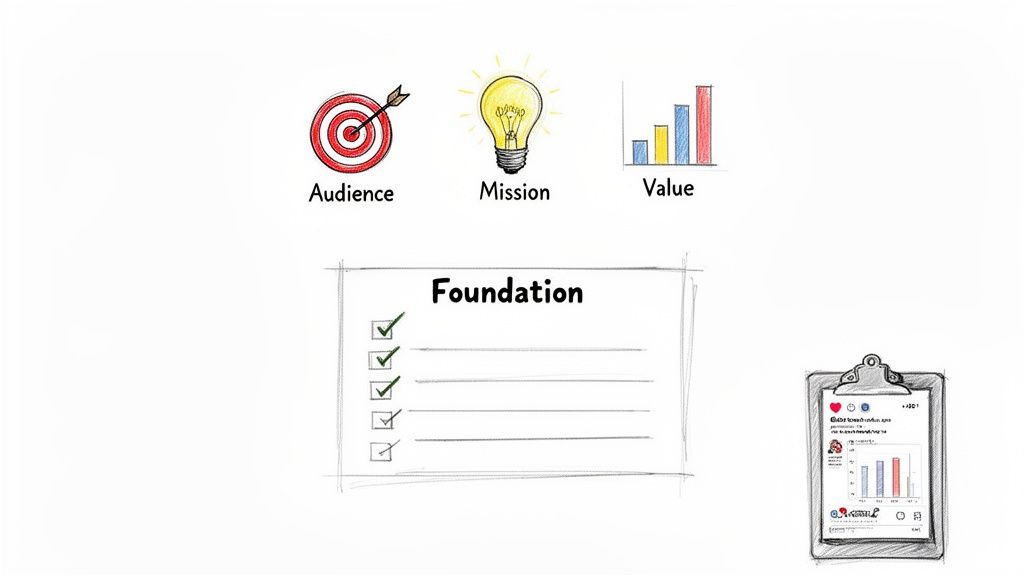
Jumping straight into outreach without this prep work is like trying to build a house without a blueprint. It's a recipe for disaster. You have to shift your entire mindset from "what can I get?" to "what incredible value can I provide?"
Let’s be blunt: sponsors aren't charities. They're businesses looking for a return on their investment (ROI). That return might be brand visibility, generating new leads, engaging with the community, or driving direct sales. Your job is to connect the dots and show them exactly how partnering with you achieves their specific objectives.
This preparation has never been more critical. The global sponsorship market is booming, expected to jump from $97.5 billion in 2024 to an eye-watering $189.5 billion by 2030. That means more opportunity, but it also means way more competition fighting for the same marketing dollars.
First things first, you need to answer some foundational questions with total clarity. Don't just noodle on these—write them down.
Nailing these answers gives you the narrative for your entire pitch. It proves you have a clear vision and a deep understanding of the people you serve. We cover this in more detail in our complete guide on https://groupos.com/blog/how-to-gain-corporate-sponsorship.
Your Unique Value Proposition (UVP) is simply the promise of value you deliver. It’s the core reason a sponsor should choose you over anyone else. To build a compelling one, you first need to take stock of all your assets.
Your most valuable asset isn't your logo placement—it's your audience. Sponsors want access to a targeted, engaged group of people who align with their customer base. Everything else you offer is a vehicle to deliver that access.
Think about all the tangible and intangible things you can offer. This is where you create your "menu" of potential benefits.
Before you start your outreach, it's incredibly helpful to map out exactly what you bring to the table. This checklist will help you inventory your assets and frame them as direct benefits to a potential sponsor.
Using a checklist like this ensures you've thought through every angle. It forces you to translate your features into the ROI-driven benefits that sponsors actually care about.
For a deeper dive into this process, the ultimate creator playbook for landing brand deals is a fantastic resource. Doing this groundwork now means your outreach will be strategic, confident, and far more effective from day one.
Once you know what you’re bringing to the table, it’s time to find the right partners. The real secret to landing a great sponsorship isn’t about just asking everyone; it’s about being incredibly selective. You’re looking for brands where a partnership feels so natural it’s almost obvious.
Casting a wide, unfocused net is a surefire way to waste a ton of time and energy. Your goal is to build a short, curated list of companies whose values, audience, and goals click perfectly with yours. This targeted approach is what gets you a "yes."
Before you even think about Googling potential sponsors, take a step back and sketch out what your dream partner looks like. Forget about specific company names for a moment. Instead, focus on the qualities of a business that would be a perfect match.
Think through these key areas of alignment:
Nailing this down first saves you from chasing after brands that were never going to be a good fit, no matter how amazing your proposal is. For a deeper dive into this process, check out our complete guide on how to find sponsors for your events.
With your ideal sponsor profile in mind, you can start building your list. Don’t just go after the big national brands everyone else is chasing. Some of the best, most valuable partnerships come from untapped opportunities you might not have considered.
Here are a few practical ways to uncover these gems:
Sending your proposal to a generic "info@" email is like tossing it into a black hole. You have to find the actual human being who makes the decisions. Their title might be Marketing Manager, Director of Partnerships, or Brand Manager.
Use LinkedIn to pinpoint the right people at your target companies. Search for those titles and, most importantly, see if you have any mutual connections. This is where your professional network really pays off.
A warm introduction from someone they trust is the single best way to get your proposal to the top of the pile. It instantly gives you credibility and sets you apart from the hundred other cold emails they've ignored that day.
Personal connections are a huge advantage. In fact, 80% of professionals believe networking is critical to their career, and that same idea applies directly to landing sponsorships. Before you ever send a cold pitch, see if a colleague has worked with a company that’s sponsored similar events. They might be able to connect you directly with the right person on the marketing team. If you want to learn more about the power of these connections, you can find some great stats over at Wavecnct.com. This approach makes sure you’re spending your energy on prospects who are actually ready to listen.
Let's be honest: the tired old "Gold, Silver, Bronze" model is dead. Today’s sponsors are sharp, data-driven marketers who need to see a clear return on their investment. Slapping their logo on a banner and calling it a day just doesn't cut it anymore. They’re looking for a genuine partnership that solves a real business problem for them.
The secret is to stop thinking in rigid, one-size-fits-all tiers and start building a flexible menu of options. This lets a brand create a custom package that directly supports their marketing goals, whether that’s generating leads, boosting brand awareness, or getting face-time with your community. It completely changes the conversation from "Can we have your money?" to "How can we help you hit your targets?"
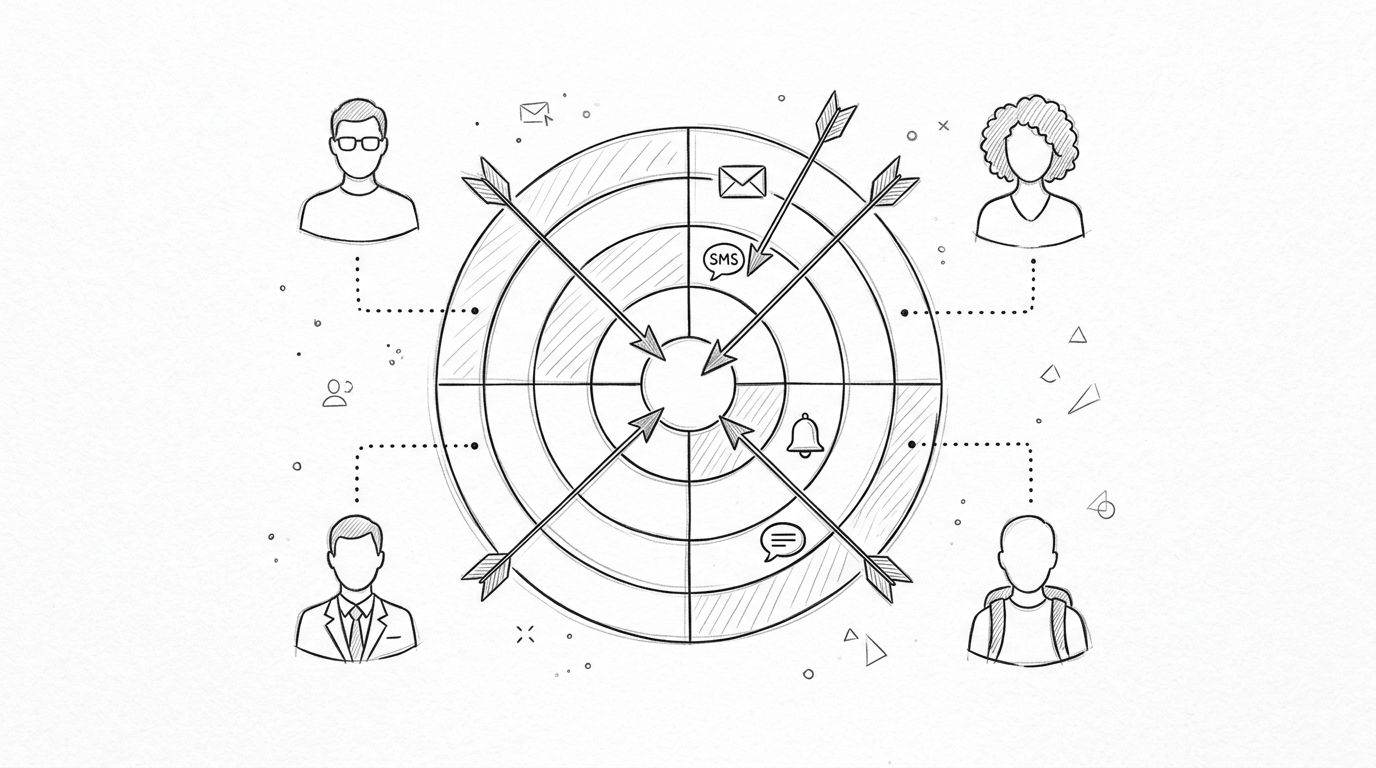
This simple flow—Research, Qualify, Connect—is the foundation. You have to understand a sponsor's needs long before you ever talk about money.
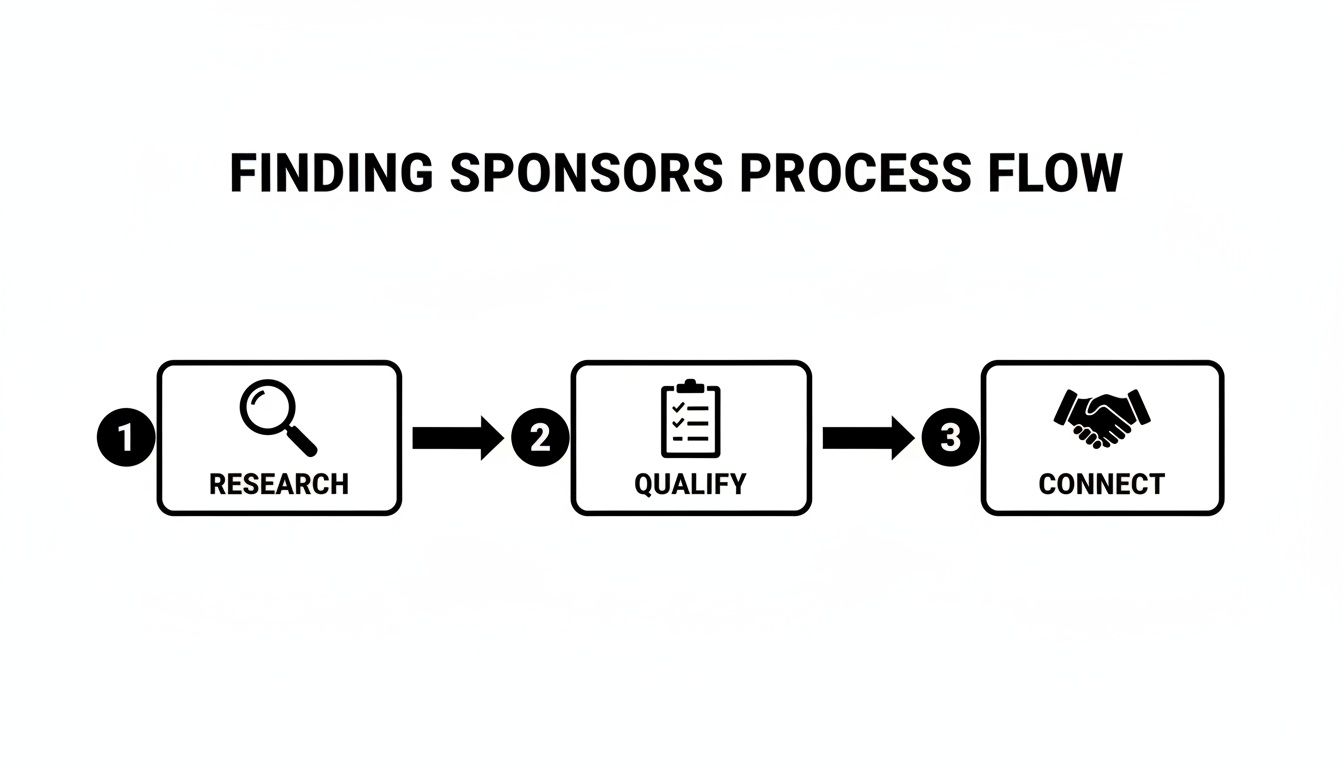
This process keeps you focused on what they need, which is the key to creating packages they’ll actually want to buy.
Before you can price anything, you need to know what you have to sell. Start by making a complete inventory of all your assets. Every single touchpoint you have with your audience is a potential sponsorship benefit.
Brainstorm everything you can possibly offer. Your list might include assets like:
Once you have this menu of assets, you can start bundling them into logical, value-packed tiers. Ditch the generic metal names and give your packages descriptive titles that scream value, like the "Community Engagement Partner" or "Lead Generation Catalyst." For more ideas on structuring your offerings, check out our in-depth guide to building powerful event sponsorship packages.
Pricing feels like the hardest part, but it doesn't have to be a shot in the dark. The value of any asset really comes down to three things: audience reach, the level of engagement, and exclusivity.
Think about it. A sponsored post to your 50,000 engaged Instagram followers is worlds more valuable than a banner ad that gets a few hundred clicks. By the same token, an exclusive "Presenting Sponsor" title commands a huge premium over a package where the sponsor is just one of twenty others.
Key Takeaway: Price your assets based on the value they deliver to the sponsor, not just on how much money you need to raise. Frame the cost as an investment in their marketing objectives, and back it up with projected reach and engagement metrics.
Generic benefits attract generic interest—or none at all. To really get a sponsor’s attention, you need to offer high-value, measurable opportunities that modern brands are actively looking for.
The difference between old-school and modern sponsorship is stark. We're moving away from passive logo placement and toward active, integrated partnerships that deliver real results.
Sponsors who see opportunities like those in the "Modern Offer" column can immediately connect the dots to their own marketing KPIs. They understand the value because it's tangible and measurable.
When you design packages with these kinds of high-value benefits, you make it incredibly easy for a sponsor to see the clear ROI. You're no longer just asking for a handout; you're offering them a powerful marketing channel to crush their goals.
All the work you've done—building your value prop, researching prospects, and designing your packages—it all comes down to this one moment. That first email is your only shot to make a real impression, and every single word counts.
The quickest way to get ignored? Sending a generic, copy-and-paste email. That’s a one-way ticket to the trash folder.
Remember, your goal here isn't to close the deal on the spot. It's simply to start a conversation. You need a personalized, punchy, and value-packed message that makes a busy decision-maker stop and think, "Okay, I'm interested. Tell me more."
Before anyone even reads your brilliant email, they see the subject line. If it’s bland, generic, or smells like spam, you’re dead in the water. It needs to be sharp, personalized, and hint at the mutual value you’re offering.
Steer clear of boring clichés like "Sponsorship Opportunity" or "A Quick Question." Think like you're proposing a genuine business collaboration, not just asking for a handout.
Here are a few approaches that actually work:
These aren’t just templates; they’re conversation starters. They instantly signal that you’ve done your homework and aren't just blasting a list.
Once they click open, you’ve got about ten seconds to hook them. This means your email has to be easy to scan, straight to the point, and focused entirely on them. Nobody has time for long-winded stories about your organization's history.
Think of your email in four simple parts that answer the sponsor’s main question: “What’s in it for me?”
Your email’s only job is to sell the meeting, not the sponsorship. Keep it short, sharp, and focused on getting that initial conversation on the calendar.
Let's be real: people are busy, and inboxes are a warzone. A lack of response doesn't automatically mean "no." It often just means "not right now." This is where a polite and persistent follow-up strategy comes in.
Give it 3-5 business days before you send your first follow-up. Keep it short and sweet. Just reply directly to your original email and add a simple note like, "Just bumping this to the top of your inbox. Would you be open to a brief chat next week?"
If you still get radio silence, you can try one more follow-up a week later. This time, maybe add a new tidbit of value, like a link to a recent case study or a testimonial from a past sponsor. After two or three nudges, it’s probably time to move on. Persistence is a virtue; being a pest is not.
Nailing this first contact is a skill, and it can make or break your sponsorship efforts. If you want to go deeper, learning how to write cold emails that actually get replies is a fantastic way to make sure your messages always cut through the noise.
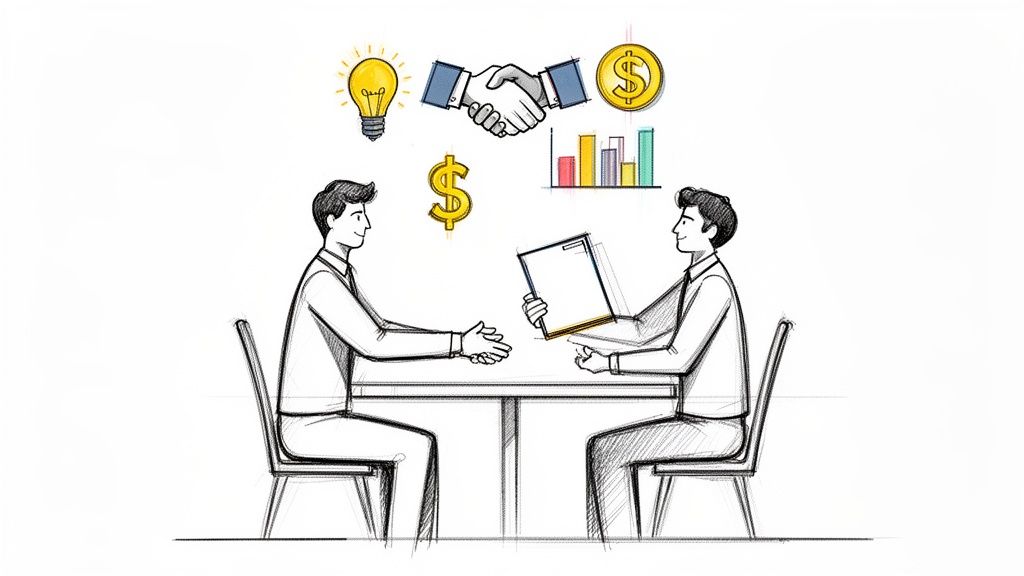
Getting the meeting is a huge step, but don't celebrate just yet. This is where the real work begins. The conversation you're about to have is where you'll either build a real partnership or walk away empty-handed. Success here comes down to a mix of solid preparation, quiet confidence, and a genuine focus on finding a solution that benefits both of you.
Forget the hard sell. The best negotiations feel less like a pitch and more like a brainstorming session with a potential partner. Your job isn't to talk at them; it's to listen. You’re there to figure out their biggest marketing headaches and show them exactly how your sponsorship can be the cure.
Showing up unprepared is the fastest way to lose credibility and leave money on the table. You need to know more than just your own proposal. You have to anticipate their questions, really understand their business, and have your facts straight.
Before you even think about the meeting, get a firm grasp on these things:
When you've done this prep work, you can guide the conversation from a place of strength. You're not just another person asking for money—you're a strategic partner who’s done their research.
Here’s the most powerful negotiation tactic I’ve learned: listen way more than you talk. Kick off the meeting with open-ended questions designed to get them talking about their goals, their frustrations, and what they need to achieve. You're a problem-solver, but you can't solve a problem you don't fully understand.
Try asking questions that go beyond the surface level:
Their answers are everything. They literally hand you the language you need to frame your sponsorship benefits as direct investments in their success, not just another line item on their budget.
Once a sponsor feels like you genuinely get their challenges, the whole dynamic shifts. They stop seeing you as a salesperson and start seeing you as an ally. The conversation moves from a transaction to a collaboration.
Objections are going to happen. Don't dread them; expect them. When a sponsor says, "The price is a bit high," or "I'm not sure we'll see the ROI," what they're really doing is asking for more information. It's your cue to reinforce the value you bring.
Instead of getting defensive, try to reframe the conversation. If they push back on the cost of your top-tier package, you could say, "I completely understand. Let's put the price tag to the side for a second and talk about value. If this package could deliver 200 qualified leads directly to your sales team, what would that be worth to your business?" Suddenly, the focus shifts from cost to return.
You also have to be ready to be flexible. If they love some parts of a package but can't swing the full price, be prepared to create a custom solution right there in the meeting. Maybe you can swap out an asset they don't care about for one they really want. This kind of adaptability shows you’re committed to making it work, and it's often the final piece of the puzzle in knowing how to ask to be sponsored and actually getting a "yes."

Getting that signed contract is a fantastic feeling, but it’s really just the beginning of the journey. The ink is barely dry, and your focus has to pivot immediately from closing the deal to executing it flawlessly. This is where the real work—and the real relationship-building—begins.
Honestly, this is where a lot of organizers miss the mark. They’re brilliant at selling the vision but stumble when it comes to the nitty-gritty of delivery. A smooth, professional process after the agreement is signed is what turns a one-off sponsorship into a long-term, lucrative partnership.
Think of your sponsor as a new VIP customer. The first thing you need to do is roll out the red carpet with a seamless onboarding process. Don't leave them guessing or make them hunt you down for details.
Get a sponsor welcome kit out the door right away. It should include key dates, a clear timeline for deliverables (like when you need their logo), and a main point of contact.
Keep the communication flowing. You don’t need to send a novel every day, but regular, concise updates show you respect their investment. As the event gets closer, double- and triple-check every detail of their activation. Is their booth set up correctly? Have their speakers been briefed? Executing perfectly on the day of the event builds a massive amount of trust.
The greatest value you can offer a sponsor is peace of mind. If you make their experience easy, professional, and worry-free, you’ll earn their renewal before the event is even over.
Once the confetti settles, you have one more critical job: proving their investment paid off. You do this with a detailed post-event impact report. A simple "thank you" email isn't going to cut it. Sponsors need cold, hard data to justify their marketing spend to their bosses.
This report is your chance to showcase their success with tangible metrics. It’s not just about patting yourself on the back; it’s a vital retention tool. For a deeper dive into this, check out our complete guide on measuring event ROI and proving value to sponsors.
Here’s what your report absolutely must include:
This data-driven report becomes your best sales tool for next year. It not only justifies the money they just spent but builds a rock-solid case for them to come back—often with an even bigger budget.
Even seasoned pros have questions when it comes to sponsorship outreach. Getting these answers sorted out ahead of time is key to building a confident, effective strategy. Let's tackle a few of the most common ones I hear.
If you take away one thing, let it be this: start early. My rule of thumb is to begin outreach at least four to six months before your event or launch date.
This isn't just about avoiding a last-minute scramble. This timeline gives you the breathing room you need for proper research, thoughtful outreach, follow-ups, and the inevitable back-and-forth of negotiations. Crucially, it also aligns with corporate budgeting cycles, which are often locked in months, or even quarters, in advance.
First, don't take it personally. A "no" is almost always a business decision, not a reflection on you or your event. It could be anything—bad timing with their budget, a recent shift in marketing focus, or just not the right fit at that moment.
Always reply with grace. Thank them for considering the opportunity and ask for permission to keep them on your list for future events.
How you handle a rejection says a lot. A polite, professional response can leave the door wide open for a "yes" the next time around when their budget or priorities shift. Keep that bridge intact.
Treat an in-kind request with the same professionalism as a cash sponsorship. The core process is identical—it’s all about demonstrating mutual value.
Instead of money, you're asking for a product or service that either reduces your expenses or seriously boosts the attendee experience. Your pitch should focus on how you'll feature their contribution, giving them direct, tangible exposure to your audience. Think product placement, sampling opportunities, or brand integration.
Ready to manage your sponsorships, deliver on your promises, and prove ROI with ease? GroupOS provides an all-in-one platform to create dedicated sponsor profiles, showcase their value, and track engagement.