February 22, 2026
To find your tribe is to connect with people who just get it. They share your purpose, your interests, and your values. This isn't just about collecting contacts; it's about building an ecosystem where real relationships and meaningful growth can happen.
In a world saturated with digital noise, the idea of a "tribe" has evolved from a social nice-to-have into a core business strategy. Smart organizations are learning that a massive, disengaged audience holds far less power than a smaller, deeply committed community. The new focus is on cultivating dedicated groups where members feel a real sense of identity and shared mission.
This isn't about audience acquisition anymore. Forget simply gathering followers. The real work is in creating an environment where people actively participate, support each other, and build a loyalty that traditional marketing can only dream of.
When you finally connect with your tribe, the impact goes way beyond good vibes. That sense of belonging translates directly into measurable business results. A strong community becomes a resilient engine for growth, powered by genuine passion, not just ad dollars.
Here’s what that looks like in the real world:
It all boils down to a simple truth: people crave connection. When they find that within your brand or organization, they transform from passive customers into active partners in your mission.
At the end of the day, the drive to find a tribe is hardwired into us. We’re all looking for groups where we feel seen, safe, and valued. Tapping into this fundamental human need is precisely what makes community-building so potent. To get a deeper sense of this, you can look at established frameworks for group collaboration, like communities of practice, which show how shared goals and learning forge unbreakable bonds.
By creating a space where people can connect over common challenges and aspirations, you're fulfilling that innate desire. The result is an engaged group that contributes, collaborates, and champions the community’s collective success. It's this human-first approach that turns a simple network into a powerful, self-sustaining tribe.
Before you can even think about finding your tribe, you have to know exactly who you're looking for. It's a classic mistake to go broad, trying to be everything to everyone. That's a surefire way to build a community of strangers who have nothing in common.
Real, sustainable community building starts with a laser focus on one person: your Ideal Community Member (ICM). This isn't about casting a wide net. Think of it more like crafting a perfectly shaped key for a very specific lock.
This ideal member profile, or persona, has to be more than just surface-level details like age, location, or job title. While that stuff is good for context, it doesn't tell you what actually drives someone to connect with others. The real gold is in the psychographics—the beliefs, goals, and frustrations that define their world.
You need to know what keeps your ideal member up at night. What are the problems they're constantly trying to solve in their job? What software are they using, and what do they secretly hate about it? Getting answers to these questions changes everything. You stop seeing a faceless "target audience" and start understanding a real person with real needs.
This is how you create a community that feels like home, a place where people feel truly understood. You're aiming for that "Finally, someone gets it!" moment.
Your ideal member isn't just a professional profile; they have hopes and fears. You have to do a little digging to uncover them. What does a successful year look like for them? What skills are they desperately trying to learn to get to the next level?
For example, say you're building a community for software project managers. You might find that their biggest struggle isn't "networking"—it's proving the ROI of their work to leadership. That specific pain point is an incredibly powerful foundation to build on. For more ideas on fostering these kinds of connections, check out our guide on professional networking tips.
To help you get started, we've put together a template to walk you through building out this persona. It forces you to think through the details that matter most.
This template outlines the key components to define when creating your community member persona, helping you build a comprehensive profile.
Filling this out gives you a tangible person to build for, not a vague concept.
A well-defined persona acts as your North Star for every community decision. It guides your content, shapes your events, and ensures every interaction is relevant and valuable, making your outreach feel less like marketing and more like an invitation they’ve been waiting for.
Once you know who this person is, you can figure out where they spend their time online. People gather in digital spaces that reflect their professional lives and personal interests. Your job is to find these "digital watering holes."
Get specific. Where are they really talking about the things they care about?
Finding these exact locations is the key. It turns the overwhelming task of "finding people" into a focused strategy. You're no longer shouting into the void; you're joining conversations that are already happening with the very people who will become the heart of your new tribe.
You’ve done the hard work of defining your ideal member. Now for the fun part: going out and finding them. This isn't about shouting into the void with a megaphone; it's more like being a detective, figuring out exactly where your future members already hang out, both online and in the real world.
The goal here isn't to show up and immediately pitch your community. Think of it as a listening tour. You want to understand the vibe of each space, see what people are talking about, and then, and only then, start contributing. Genuine outreach feels less like a sales pitch and more like a natural conversation they were already happy to be a part of.
The internet is a massive place, but your people have already staked out their own corners. Your mission is to find these digital campfires and pull up a chair.
It’s just like walking into a party. You wouldn't immediately start passing out flyers, would you? Of course not. You’d get a feel for the room, listen in on a few conversations, and find a natural way to introduce yourself. The same rules apply online.
Here are a few of the best places to start your search:
Pro Tip: Your initial goal is contribution, not conversion. When you consistently add value without asking for anything in return, you build a reputation. People will start to wonder who you are and what you're working on all on their own.
As great as digital is, nothing beats a real, face-to-face conversation. The offline world gives you a chance to build the kind of trust and rapport that’s tough to replicate through a screen. The real magic happens when you weave your online and offline efforts together.
Imagine you connect with someone in a LinkedIn group and then discover you’re both attending the same industry conference. Meeting in person for a quick coffee can instantly turn a casual online acquaintance into a passionate advocate for your community.
Consider a few high-impact offline tactics:
This integrated approach is crucial because communities are no longer just online forums. They're becoming multi-platform ecosystems, with members creating invite-only groups on platforms like Slack and Telegram to get away from the noise.
Industry data shows that community is now a major engine for business growth. Global spending on community platforms is projected to leap from $736.9 million in 2025 to $2.3 billion by 2033. This massive shift is all about prioritizing real, human experiences. This is exactly where tools like GroupOS's drag-and-drop event builders and VIP ticketing come in, helping you create those memorable in-person moments.
By understanding this bigger picture—which you can explore in Circle's comprehensive report on community trends—you can build a strategy that meets your future members where they already are and gives them something valuable right from the start.
So you’ve found your people. That's a huge win, but the real work of building a tribe is just getting started. The magic truly happens in those first few interactions after someone clicks "join." A powerful, intentional onboarding experience is what transforms a curious newcomer into a committed member for the long haul.
This is your first—and best—chance to prove they made the right decision. It’s where you turn a simple transaction, like signing up for a newsletter, into a genuine feeling of belonging. A great onboarding flow makes people feel seen, valued, and immediately part of something bigger.
Let's break down how to bring your tribe together, from that first point of contact to creating that essential feeling of welcome.
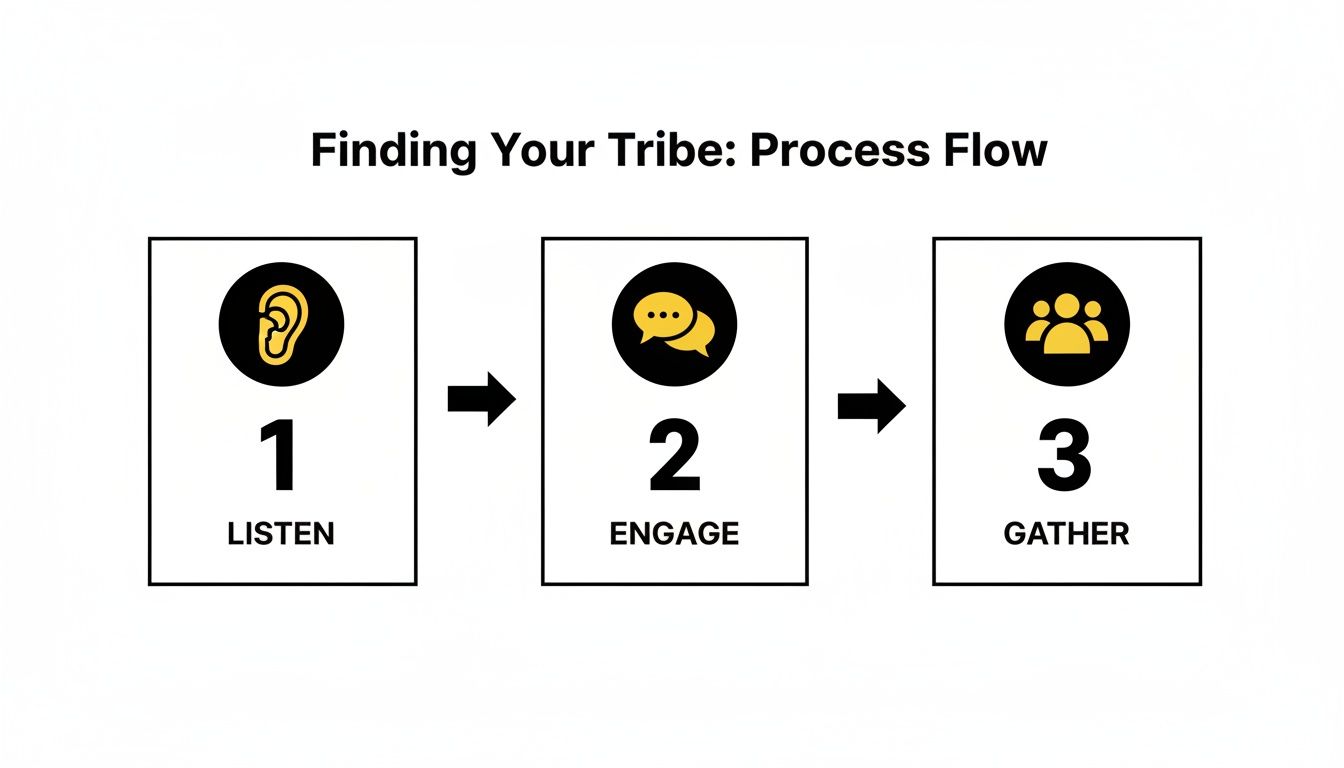
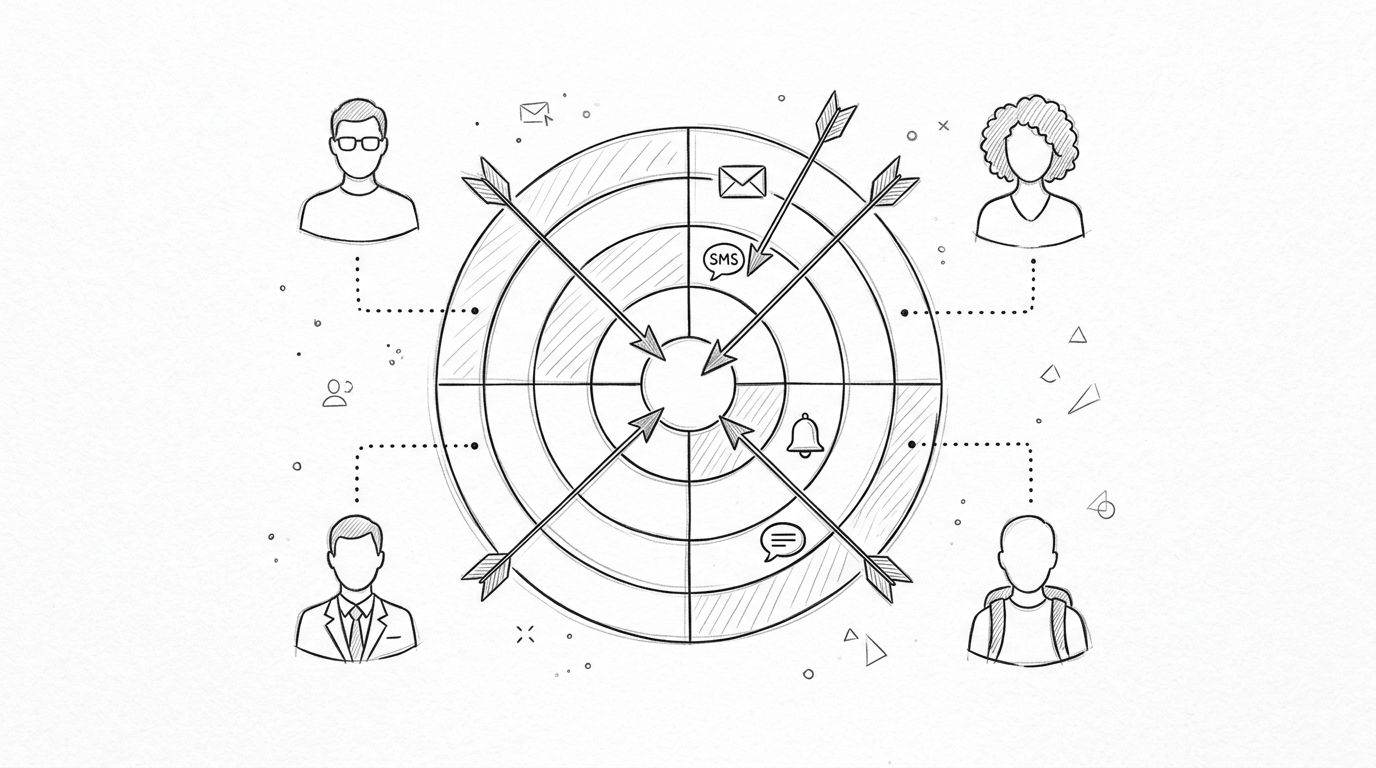
This simple flow—Listen, Engage, Gather—highlights that onboarding is the crucial final step where you solidify the connections you've just made.
Those initial moments after someone joins are absolutely critical. Their excitement is at its peak, and they’re more open to engaging than they'll ever be again. Your job is to channel that enthusiasm by providing immediate value and a clear path forward.
Don't just dump a dozen links and a wall of text on them. That's a surefire way to cause overwhelm. Instead, create a simple, guided journey that helps them get their first "win" in the community as quickly as possible. This could be as simple as introducing themselves in a dedicated channel or finding a quick answer to a pressing question.
A new member’s initial experience sets the tone for their entire journey. A clunky, confusing, or silent welcome is a massive missed opportunity. Your mission is to make them think, “I’ve found my people,” within their first few days, not leave them wondering if they made a mistake.
For a community manager, this period is a golden opportunity to forge a personal connection. A simple, non-automated DM asking about their goals can make a world of difference. To get a better sense of this crucial role, check out our deep dive into what a community manager does.
A welcome sequence isn't just one email. It’s a carefully planned series of touchpoints designed to guide a new member from stranger to active participant. Each step should build on the last, reinforcing the community’s value and unique culture.
Think about what someone needs to know right away.
This isn’t just about pushing information; it’s about sparking connection. For example, instead of just listing the rules, frame them as shared values that help everyone get the most out of their time here.
That first introduction is a make-or-break moment. When a new member posts in a welcome thread and gets crickets in return, it's a recipe for disengagement. As the community leader, it's on you to facilitate these initial connections and ensure every new person feels heard.
You need a system to make sure every single introduction gets a response.
When you design an onboarding experience that puts connection ahead of content, you lay the foundation for a vibrant, engaged tribe that will grow and thrive for years to come.
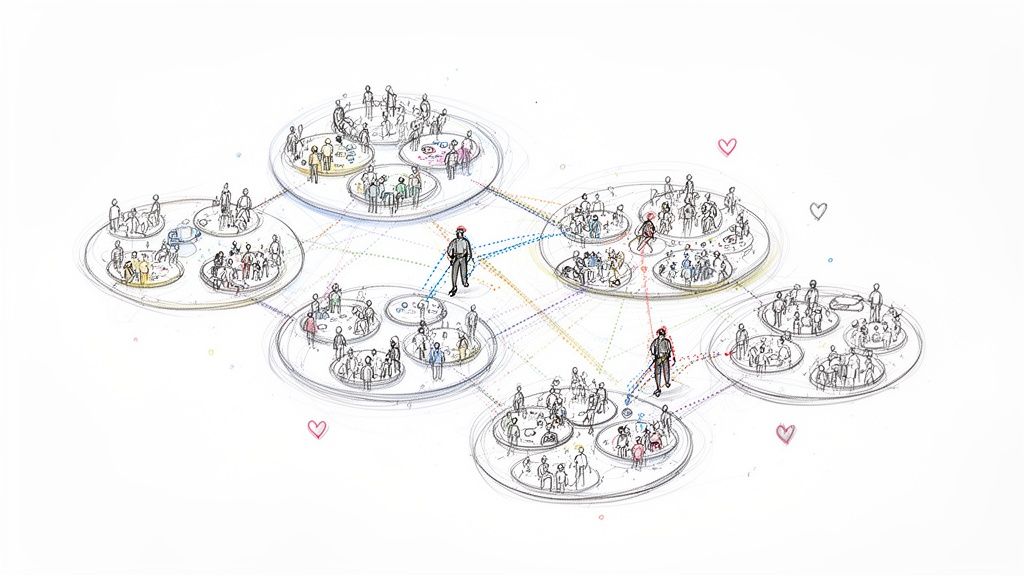
As your community grows from a handful of founders into a bustling network, you’ll run headfirst into the ultimate paradox of success. That very growth you worked so hard for can start to water down the intimacy that made your tribe special in the first place. That small, "everybody knows your name" feeling is tough to hang onto when you have hundreds, or even thousands, of members.
But here’s the thing: the answer isn’t to pump the brakes on growth. It's to scale connection by creating smaller, more intimate spaces within the larger community. Think of it like a thriving city—people don't feel a sense of belonging to the entire metropolis, but to their local neighborhood, their street, or their favorite coffee shop.
Your job as a community builder is to create those neighborhoods. This proactive approach ensures that as your numbers climb, the quality of your connections doesn't fall.
A single, massive feed or discussion channel gets overwhelming, and fast. New members feel lost in the noise, and even your veterans struggle to keep up. The fix is to intentionally carve out sub-groups and specialized channels where people can connect over specific interests or challenges.
This simple strategy immediately makes a huge community feel small and manageable again. It lets members self-select into conversations that are highly relevant to them, sparking much deeper bonds than a general-purpose forum ever could.
Here are a few ways to structure these smaller spaces:
#b2b-saas-marketing or #non-profit-fundraising.#london-members or #nyc-meetups are perfect for sparking real-world meetups and friendships.#beginners-corner can be a safe haven for newcomers, while an #advanced-strategies group can give your experts a place to really geek out.As your tribe expands, your role shifts from being the host of one big party to the architect of many smaller, interconnected gatherings. You’re building a network of strong, vibrant micro-communities.
Let's be real: you cannot scale yourself. As the community grows, you won't be able to personally welcome every new member or jump into every conversation. This is where your most passionate members—your community champions—become your greatest asset.
These are the people who consistently show up, answer questions, and embody the culture you want to build. Your job is to spot them, empower them, and give them the tools and recognition they need to help lead. By giving them ownership, you not only lighten your own load but also deepen their investment in the community's success.
For more on this, we have a complete guide outlining the best member engagement strategies to help you identify and nurture these key players.
This move toward member leadership is a huge trend. The very best communities are going beyond just listening to feedback and are now actively co-creating with their members. This is where you see ideas like member-creator networks taking off, with power users co-designing features or testing out new prototypes.
The growth in professional communities is undeniable. Global spending on community platforms is projected to explode from $736.9 million in 2025 to $2.3 billion by 2033—a staggering 212% jump in just eight years. This surge shows a clear shift toward unified platforms that foster genuine belonging. Platforms like GroupOS are built for this, offering seamless membership tracking, interactive maps, and private channels integrated with tools like Slack and Facebook, helping build these invite-only ecosystems.
Analytics aren't just for tracking vanity metrics. Used wisely, data can be your secret weapon for keeping that personal connection, even at scale. By tracking engagement trends, you can spot who is thriving and, more importantly, who might be slipping away.
Look for these patterns in your community data:
By using analytics to drive human-centric actions, you ensure that even in a large and growing community, no one gets lost in the crowd. Every member feels seen, valued, and like a true part of the tribe you’ve all built together.
In a world that’s getting more automated by the second, the future of any great community comes down to one thing: genuine human connection. The real secret to how to find your tribe isn't just about discovery and onboarding. It's about building a space where real relationships can actually grow. A human-first approach is your biggest advantage—it’s what turns a simple group into a thriving ecosystem.
The communities that last, the ones that truly resonate, aren't built on algorithms. They’re built on the real, person-to-person moments that add up to something special. This means you have to prioritize authentic, real-time engagement over just pushing out content for people to consume. To really build these kinds of bonds, you need a deep understanding of human relationships.
Your ultimate goal is to create what you might call ‘comfort hubs’—safe spaces where members feel they can drop their guard, share what’s on their mind, and build real trust.
When people feel seen and heard, they don’t just show up; they get invested. They start to care about the community's success as much as you do. This emotional safety is the magic ingredient that turns your organization from just another service into a core part of a member's professional life.
As we look ahead, you can see this trend everywhere. Professionals are actively seeking out intentional communities to cut through all the digital noise. In fact, a recent analysis of 20 Trends for 2026 by Alosant shows that sustained, meaningful experiences are becoming far more important than flashy promises. Authentic engagement wins, period.
The takeaway is clear: Technology should serve connection, not replace it. Your platform, tools, and strategies are all means to an end—and that end is creating a space where your members feel like they truly belong.
If you're using GroupOS, this philosophy is baked right in. Think about features like QR check-ins for events, custom ticketing for member-only gatherings, and using analytics to truly understand and nurture engagement, not just measure it. These tools are specifically designed to help you create the very comfort hubs that people are craving.
By keeping the focus squarely on the human element, you create a powerful, self-sustaining tribe. While tech and platforms are critical, they work best when they feel almost invisible, seamlessly supporting the relationships that are the true heart of your community. For more on this, check out our guide on the best online community platforms that can help you get there.
As you start the journey to find your tribe, a few practical questions almost always come up. Let's tackle some of the most common ones I hear from fellow community builders.
Let's be real: building a genuine community doesn't happen overnight. You can probably get an initial group together in a few months, but transforming that group into a real, thriving tribe with a true sense of belonging? That usually takes 6-12 months, sometimes even longer.
The secret is patience and consistency. Focus on sparking quality interactions, not just chasing vanity metrics. A solid foundation built on trust and shared value will always, always outperform a huge, silent audience in the long run.
This is such a crucial distinction. Think of it this way: an audience listens, but a tribe talks back—to you and, more importantly, to each other.
Your job is to guide people from being passive consumers to active participants who feel like they truly own a piece of the community.
A small, specific niche is actually your superpower. I'd take a hyper-focused community of 100 die-hard members over a disconnected group of 10,000 any day of the week.
Why? Because smaller niches foster deeper connections, more meaningful conversations, and a much stronger sense of shared identity. Don't be afraid to get super specific. The right people will feel like they've finally found a space that was made just for them.
The most powerful communities almost always start small and focused. It's the depth of connection, not the breadth of your reach, that defines a true tribe and creates lasting impact.
Lean into that focus. A dedicated, tight-knit group is the perfect sandbox for testing ideas, building real relationships, and creating a strong cultural foundation before you even think about scaling.
Ready to build, manage, and scale your professional community with ease? GroupOS provides an all-in-one platform to streamline memberships, events, and engagement. Start your free trial today and find your tribe.