February 20, 2026
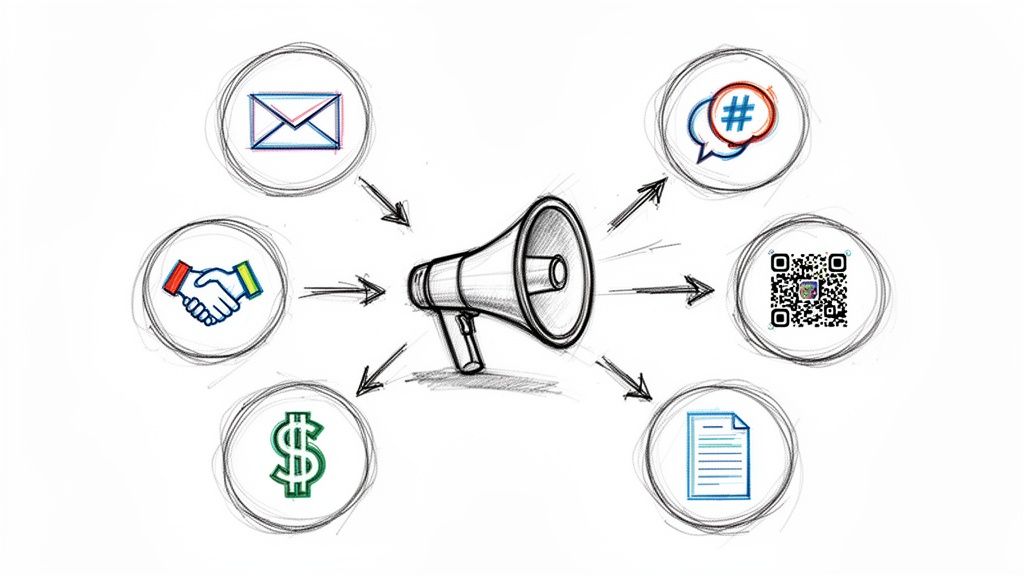
Event promotion has evolved far beyond simply posting on social media and hoping for the best. Success in a crowded market requires a multi-channel, data-driven strategy that engages your community from the first announcement to the post-event follow-up. Stale, generic advice won't cut it; you need specific, actionable promoting an event ideas that leverage technology to create personalized experiences, build genuine excitement, and drive registrations. To truly move beyond traditional methods and embrace a modern playbook for event promotion, consider exploring solutions for efficient social media management like automated social media posting.
This guide provides a comprehensive roundup of 10 proven strategies, meticulously categorized to fit your unique needs. We've organized these ideas by:
Each idea is packed with practical implementation steps, key performance indicator (KPI) suggestions, and concrete examples of how to execute them seamlessly using a unified community platform. Forget the guesswork. This playbook is designed to turn your promotional efforts from a scattered series of tasks into a predictable, measurable growth engine for your event. We will dive straight into tactics that deliver results, from segmented email drips and gamified referral programs to co-marketing campaigns and post-event FOMO strategies. Let's get started.
One of the most effective strategies for promoting an event involves transforming your attendees and community members into your most powerful advocates. An integrated social media campaign leverages the native sharing capabilities of a community platform, like GroupOS, to create an authentic, grassroots promotional engine. Instead of just broadcasting your message from official brand accounts, this approach empowers members to share event details directly to their personal networks on platforms like Facebook, LinkedIn, and Slack with a single click.
This method amplifies your reach exponentially by tapping into the trusted networks of your community. When a member shares an event, it acts as a personal endorsement, carrying more weight than a standard advertisement. This is a key reason why it's a top-tier idea for promoting an event to new, yet highly relevant, audiences.
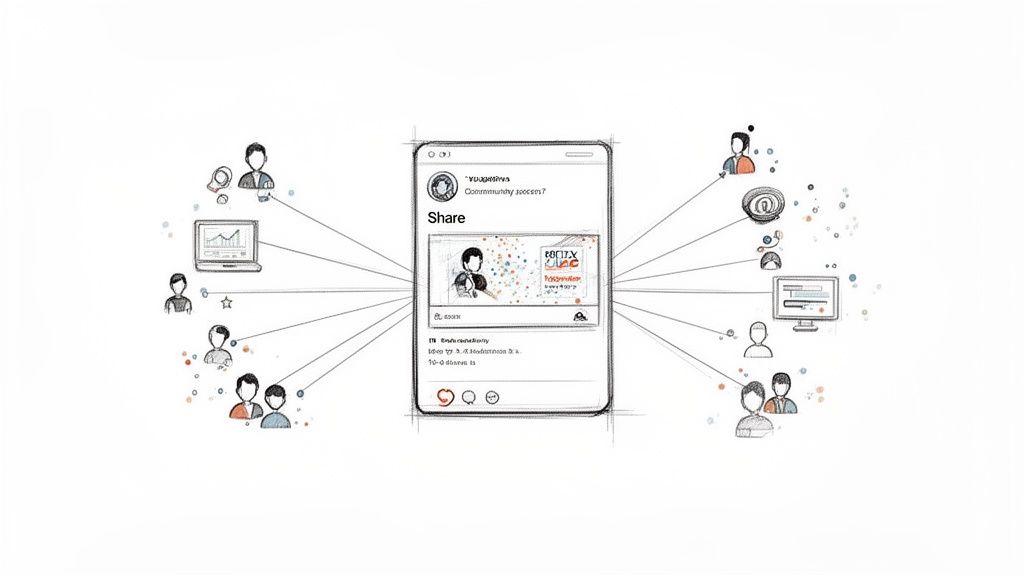
This approach works best when you make sharing as effortless as possible. Tech conferences and professional associations see massive success by pre-populating shareable content within their event platform.
Pro Tip: Post event announcements at optimal times based on your audience's activity patterns. A community platform with robust analytics can provide insights into when your members are most active online, ensuring your posts get maximum visibility.
Moving beyond generic email blasts, a targeted segmentation and drip campaign strategy transforms your email marketing into a personalized, high-conversion channel. This approach involves dividing your audience into smaller, specific groups based on shared characteristics and sending them a series of automated emails over time. Using a robust community platform, you can segment members by their tier, engagement history, industry, or past event attendance to deliver messages that resonate deeply and feel personally relevant.
This level of personalization is a cornerstone idea for promoting an event because it acknowledges that not all attendees are the same. A message tailored to a C-level executive's interests will be far more effective than a one-size-fits-all email, leading to significantly higher open rates, click-throughs, and, ultimately, registrations.
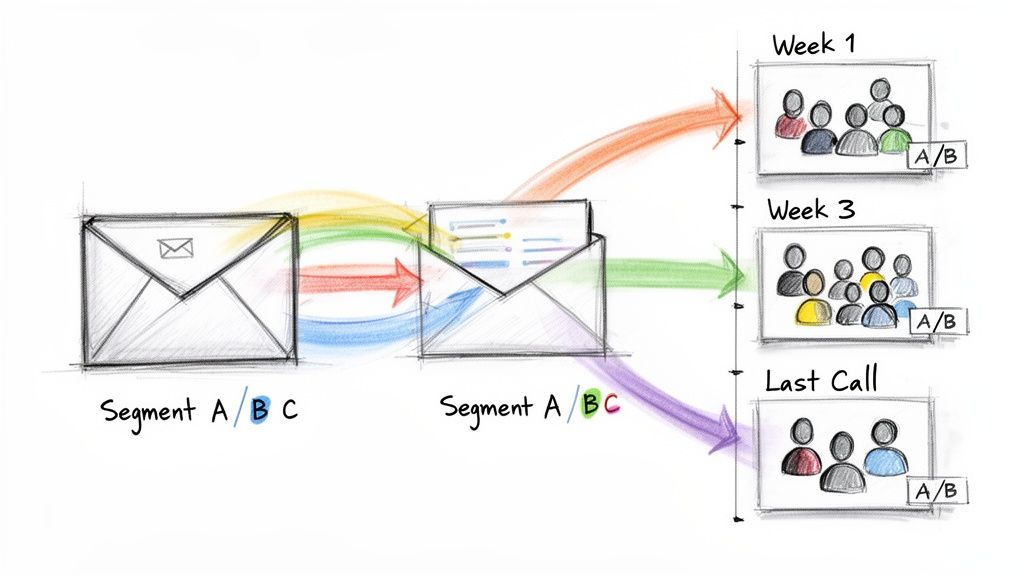
The power of this strategy lies in automation and relevance, making it ideal for industry associations and corporate groups with diverse memberships. For example, an association could send an exclusive early-bird invitation to its premium members, while a corporate group might segment by department to highlight specific, relevant conference tracks.
Pro Tip: Use your platform's analytics to A/B test your subject lines and email content. Test a "Fear of Missing Out" (FOMO) angle against a benefit-driven angle to see which performs better with different segments, and apply those learnings to future campaigns.
A powerful way to both promote an event and maximize revenue is by creating a tiered ticketing structure that rewards your most engaged community members. This strategy involves offering multiple ticket levels, each with escalating benefits, to cater to different attendee needs and investment levels. By using a custom ticketing system, like the one within GroupOS, you can tie these tiers directly to membership status, creating a compelling incentive for attendees to upgrade their membership for exclusive perks.
This approach transforms your ticketing process from a simple transaction into a value-driven experience. It allows you to segment your audience and provide premium offerings like VIP seating, exclusive networking sessions, or early access to content. This is a top-tier idea for promoting an event because it not only drives early registrations but also deepens member loyalty by making them feel valued and recognized.
The key to a successful tiered ticketing strategy is making the value proposition for each level clear and desirable. Conference organizers and professional associations excel at this by creating distinct experiences that justify the price difference.
Pro Tip: Integrate your ticketing with member profiles. This allows your system to automatically recognize returning VIPs or long-standing members, enabling you to offer them personalized perks or early access to future events, further strengthening the community bond.
Transform your sponsors and exhibitors from passive funders into active promotional partners. This strategy involves leveraging your event platform, like GroupOS, to create dedicated, high-value digital spaces for them. Instead of just a logo on a webpage, you provide exhibitors with interactive profile pages, rotating banner ads, and product showcase features, turning their sponsorship into a direct lead-generation and networking tool.
This approach fundamentally changes the sponsorship value proposition. Companies are no longer just buying brand visibility; they are investing in a powerful marketing engine that connects them directly with attendees. By empowering sponsors to promote their unique presence within your event ecosystem, you motivate them to drive their own networks to register, significantly expanding your event's reach to highly qualified audiences. This is one of the most effective promoting an event ideas for B2B events and trade shows.
The key is to integrate sponsorship benefits directly into the attendee experience, making sponsors a core part of the event's content and value. Tech conferences excel at this by creating branded virtual lounges for platinum partners, while professional associations often feature sponsor-led webinars.
Pro Tip: Host sponsor-exclusive "office hours" or "meet the expert" sessions within the event platform. This creates an intimate and high-value networking opportunity that drives engagement and allows sponsors to connect directly with the most interested attendees.
Harness the power of word-of-mouth marketing by creating a structured referral program that incentivizes existing members to invite their colleagues and peers. This approach transforms your community into a proactive sales force, driving organic event growth through trusted, personal recommendations. Adding gamification elements like leaderboards, badges, and tiered rewards turns promotion into a fun and engaging competition.
This method is one of the most cost-effective promoting an event ideas because it leverages your most valuable asset: your members' networks. A recommendation from a trusted peer is far more compelling than a traditional advertisement, leading to higher conversion rates and attracting highly qualified attendees who are a natural fit for your community.
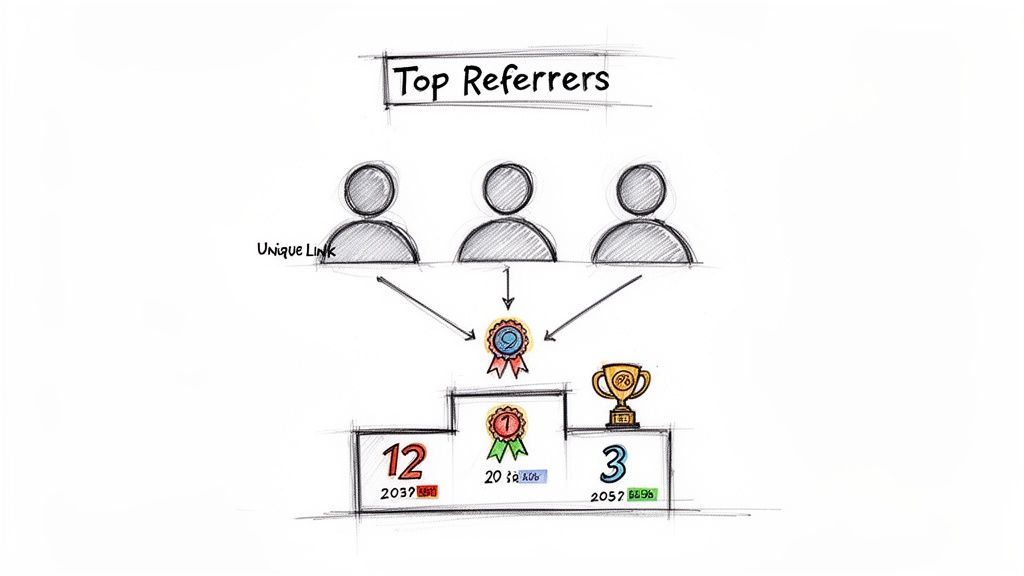
The key to a successful referral program is making it simple, rewarding, and visible. Professional associations often see 20-30% of new event registrations come directly from these programs by integrating unique referral links directly into member profiles on their community platform.
Pro Tip: Use your community platform’s private channels to create referral "teams." This encourages collaboration and can amplify results by tapping into members' competitive spirit, especially in corporate settings where departments or regional offices can compete against one another.
A powerful strategy for promoting an event involves nurturing your audience with valuable content long before the doors open. By developing an educational webinar series and related content marketing, you build trust, establish authority, and create a natural funnel that guides interested prospects toward registration. This approach positions your main event as the culminating experience for a journey of learning you’ve already started for them.
This method is particularly effective because it shifts the focus from a direct sales pitch to providing genuine value. When potential attendees gain insights from your pre-event content, they are more likely to view the main event as an essential, high-value investment. It's a fantastic idea for promoting an event to an audience that values expertise and professional development.
The key to this strategy is creating a cohesive content calendar that builds momentum. Professional associations often see great success by running a multi-week webinar series featuring conference speakers, giving attendees a compelling preview of the main event's quality.
Pro Tip: Use your platform's engagement features to enhance the learning experience. Create "certificate of completion" badges within member profiles for those who attend the webinar series, gamifying participation and creating a sense of accomplishment that encourages event registration.
One of the most powerful promotional tools is the value of the network you are building. An interactive member directory, powered by a platform like GroupOS, turns your attendee list from a static document into a dynamic, searchable networking hub. This strategy allows registered attendees to discover and connect with peers based on industry, interests, location, and professional goals long before the event begins.
This approach promotes your event by highlighting its primary benefit: the connections attendees will make. When potential attendees see the caliber and relevance of who is already registered, it creates a powerful sense of FOMO (fear of missing out) and reinforces the event's value proposition. It’s an excellent idea for promoting an event to professionals who prioritize high-quality networking opportunities.
The key is to encourage early registration and profile completion to build a vibrant pre-event community. This strategy is particularly effective for executive conferences and industry associations where targeted networking is a major draw.
Pro Tip: Leverage an interactive member map to show regional attendee clusters. This visual tool helps members organize local meetups before the main event, creating an even stronger sense of community and boosting excitement.
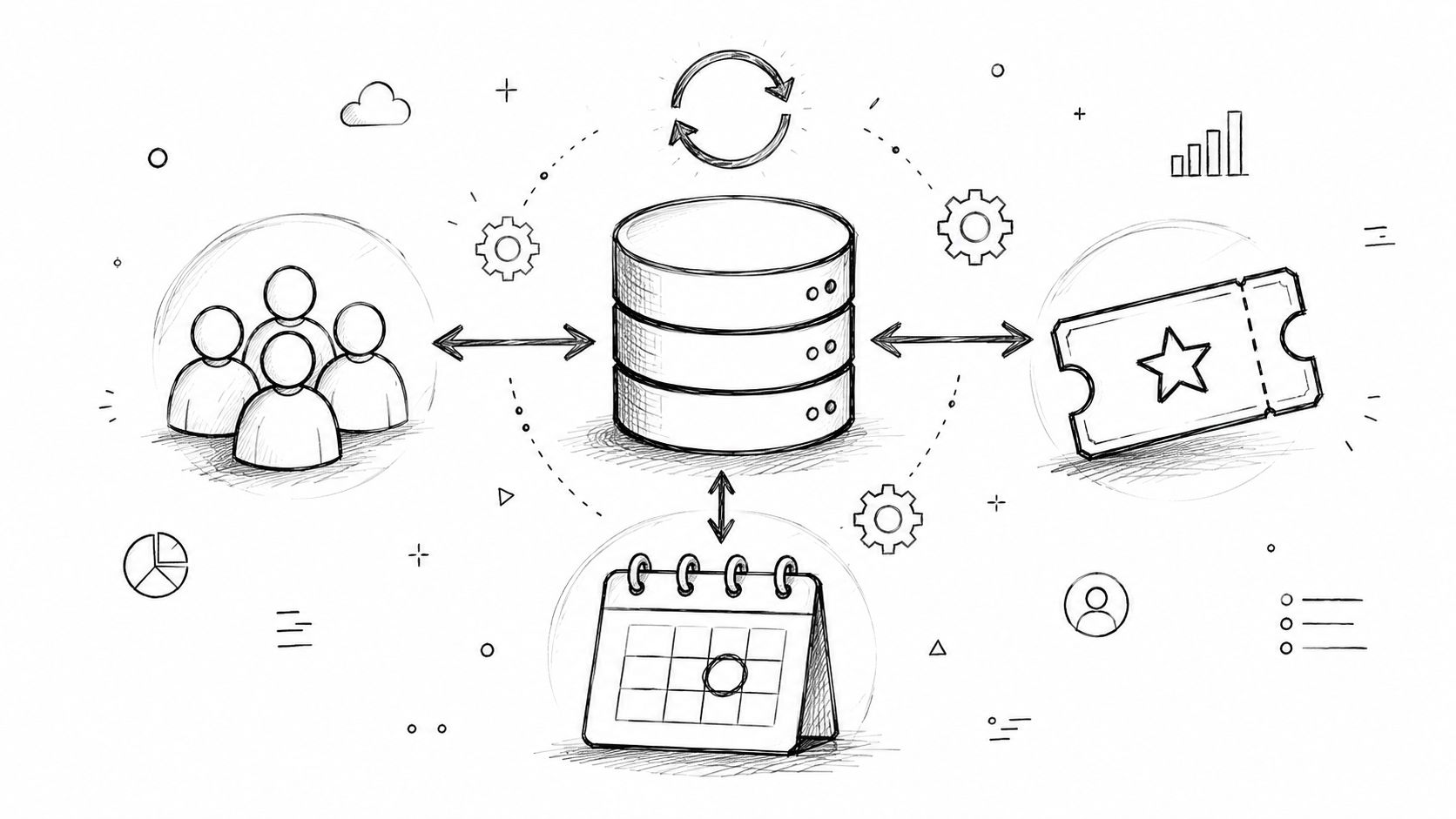
Beyond simplifying entry, QR codes can transform event promotion into a dynamic, data-driven process. By implementing a QR code check-in system, like the one offered by GroupOS, you turn a logistical necessity into a powerful marketing asset. This technology allows you to track attendee flow, session participation, and overall engagement in real-time, providing invaluable data for both immediate and future promotional efforts.
This approach provides a clear picture of what resonates most with your audience. When you can see which sessions are most popular or which exhibitors are drawing the biggest crowds, you can leverage that information instantly. This makes it one of the most effective ideas for promoting an event, as it allows you to optimize the attendee experience on the fly and gather insights for future marketing campaigns.
The key is to integrate QR codes throughout the entire event lifecycle, from pre-event communication to post-event follow-up. Large conferences use this method to identify popular content tracks, while professional associations can pinpoint their most engaged members for special recognition.
Pro Tip: Use real-time data to improve the live event experience. If you notice one session is overflowing, you can send a push notification guiding attendees to another, less-crowded session with similar content, improving overall satisfaction.
Event promotion doesn't stop when the doors close; it merely enters a new, powerful phase. By strategically repurposing and amplifying content from a completed event, you can create a powerful feedback loop that builds brand authority, provides lasting value to attendees, and generates powerful Fear Of Missing Out (FOMO) to drive registrations for your next event. This approach transforms a single event into a long-term marketing asset.
This strategy capitalizes on the excitement and insights generated during your event. Sharing session recordings, photo galleries, and compelling testimonials with both attendees and those who couldn't make it serves a dual purpose. It reinforces the value for participants and demonstrates the tangible benefits to prospective attendees, making it an essential idea for promoting an event year-round and building a loyal following.
The key is to have a content capture and distribution plan in place before the event even starts. Industry associations and major tech conferences excel at this, often seeing significant registration increases for future events by showcasing the immense value of the previous one.
Pro Tip: Create a "You Missed Out" email campaign targeted at your non-attendee list. This email should feature the highlight video, top attendee testimonials, and a special early-bird offer for the next event to convert interest directly into action.
One of the most powerful and cost-effective ideas for promoting an event is to leverage the audience and credibility of a complementary organization. A strategic partnership campaign involves collaborating with non-competing businesses, platforms, or associations that share a similar target audience. By co-marketing your event, you can instantly tap into a new, yet highly relevant, pool of potential attendees who already trust your partner's endorsement.
This approach amplifies your marketing efforts by sharing resources and cross-promoting across multiple channels. For example, a tech conference can gain significant traction by partnering with a popular software platform, while a corporate community can enhance its event's appeal by collaborating with a respected industry media outlet. This mutual promotion adds value and credibility, making your event a more attractive proposition for everyone involved.
The key to a successful partnership is identifying the right collaborators and establishing clear, mutually beneficial terms from the outset. This strategy is highly effective for industry associations co-marketing with educational institutions or corporate communities running joint member events.
Pro Tip: Propose a joint webinar or content piece as part of the co-marketing plan. This provides an additional touchpoint to engage both audiences, showcases the value of the partnership, and gives potential attendees a compelling preview of your event's content.
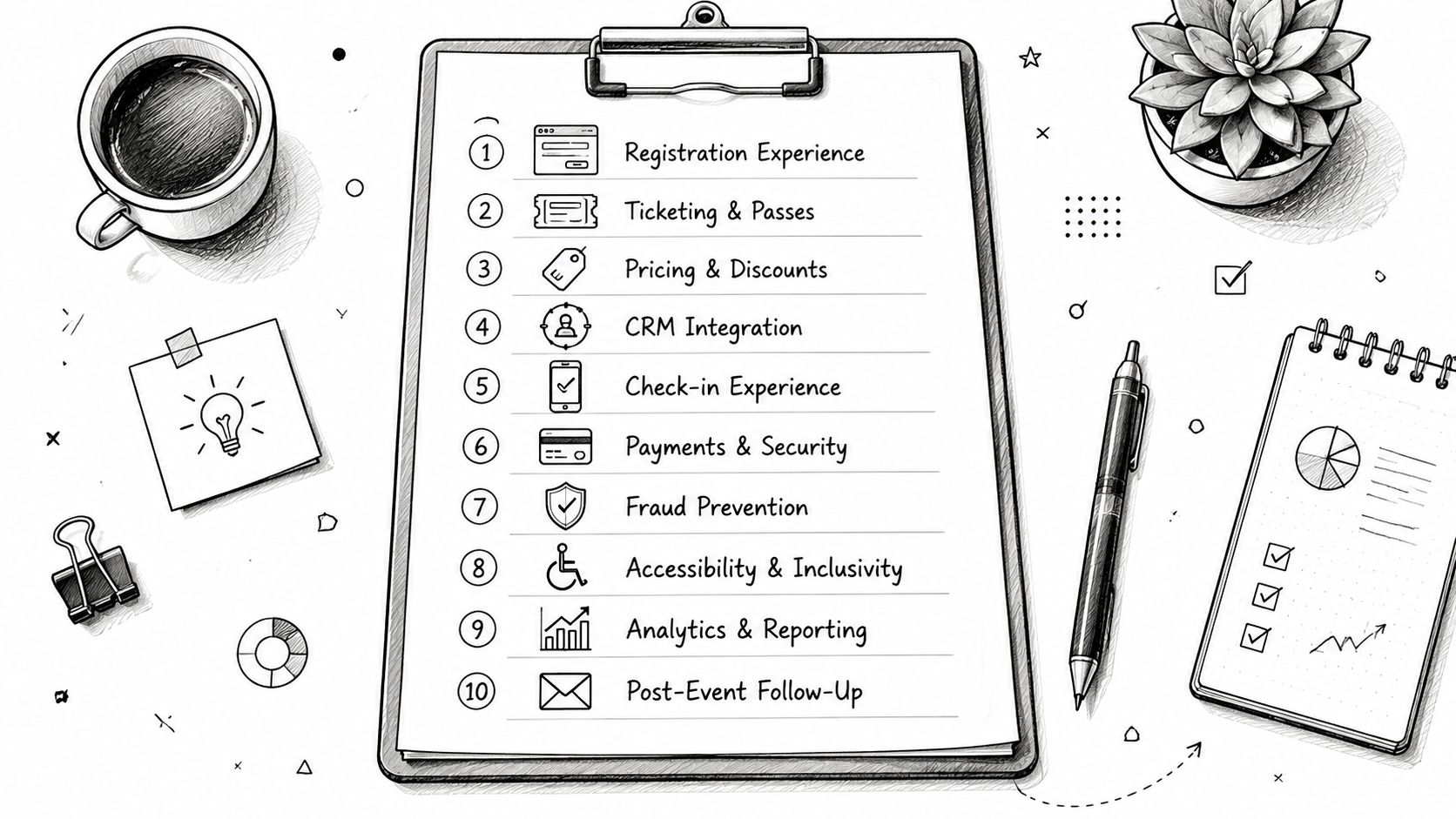
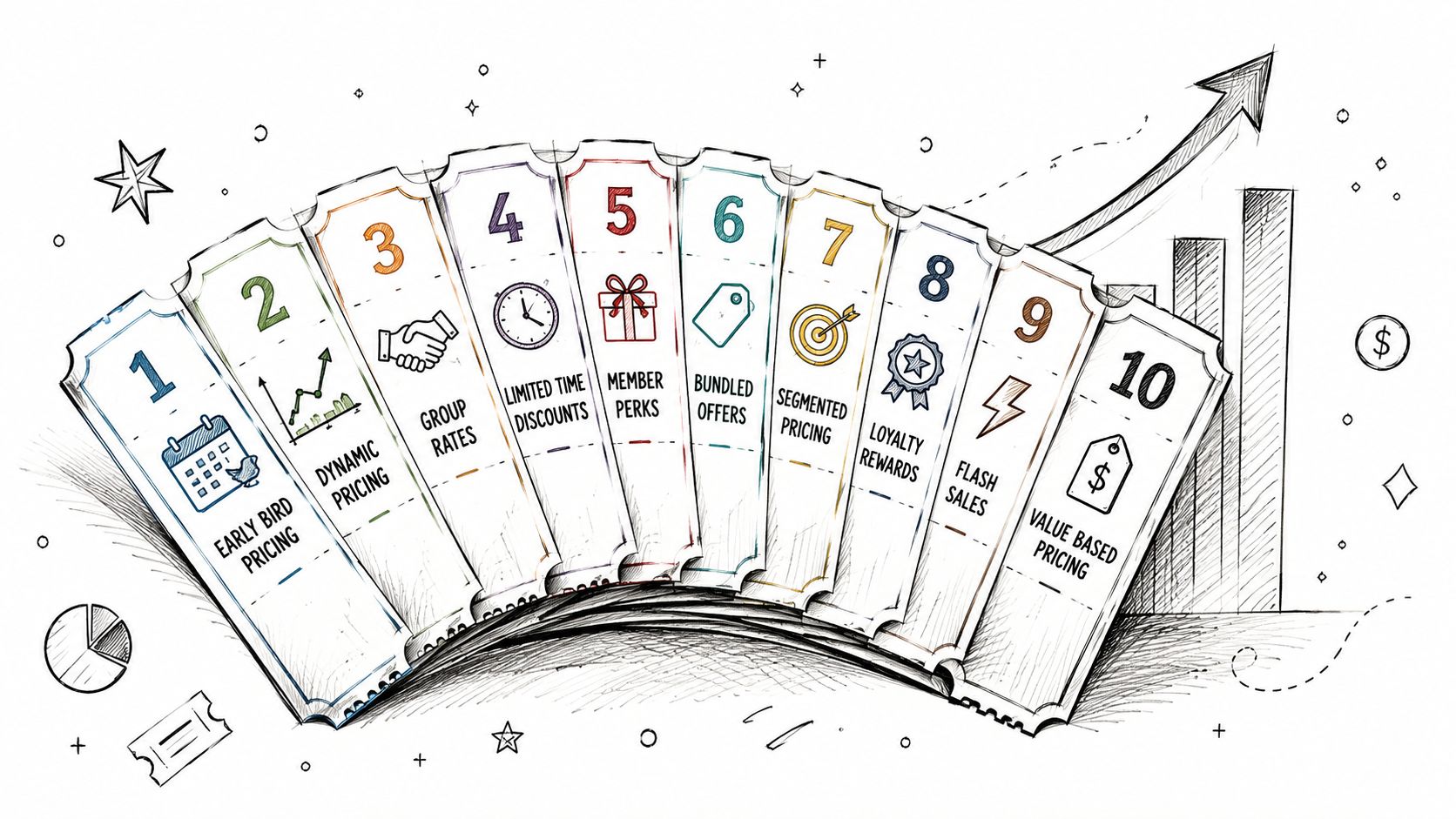
The journey from a blank calendar to a buzzing, sold-out event is paved with strategic choices and meticulous execution. We’ve explored a comprehensive toolkit of ten powerful promoting an event ideas, from leveraging social media’s native sharing capabilities to implementing sophisticated, segmented email drip campaigns. Each strategy, whether it’s a gamified member referral program or a content-rich webinar series, serves as a vital cog in a much larger machine designed to build anticipation, drive registrations, and create an unforgettable experience.
The core lesson is this: successful event promotion is no longer a linear checklist. It's a dynamic, interconnected ecosystem where each element amplifies the others. Your VIP ticketing strategy, for instance, isn't just about revenue; it provides exclusive content that fuels your FOMO marketing. Your exhibitor and sponsor showcase isn't just a value-add; it's a co-marketing engine that extends your reach into new, relevant audiences.
The true power of these concepts is unleashed when they are integrated. Imagine a potential attendee seeing a post from a strategic partner, clicking through to a landing page, being intrigued by the tiered ticket benefits, and then receiving a perfectly timed follow-up email based on their interaction. This seamless journey is what transforms passive interest into active registration.
The key takeaways to carry forward are:
Feeling overwhelmed by the possibilities is natural. The goal is not to implement all ten ideas at once. Instead, adopt a phased, strategic approach to building your promotional engine.
Mastering these promoting an event ideas is the difference between hoping for a good turnout and engineering a landmark success. It’s about transforming event marketing from a cost center into a predictable, revenue-generating, and community-building powerhouse. Your next sell-out event isn’t a matter of chance; it’s a matter of strategy.
Ready to turn these ideas into a streamlined, automated reality? GroupOS provides the integrated toolkit you need to manage memberships, sell tickets, and execute multi-channel marketing campaigns all from a single platform. Stop juggling disconnected tools and start building a powerful, unified event promotion engine today by visiting GroupOS.