February 18, 2026
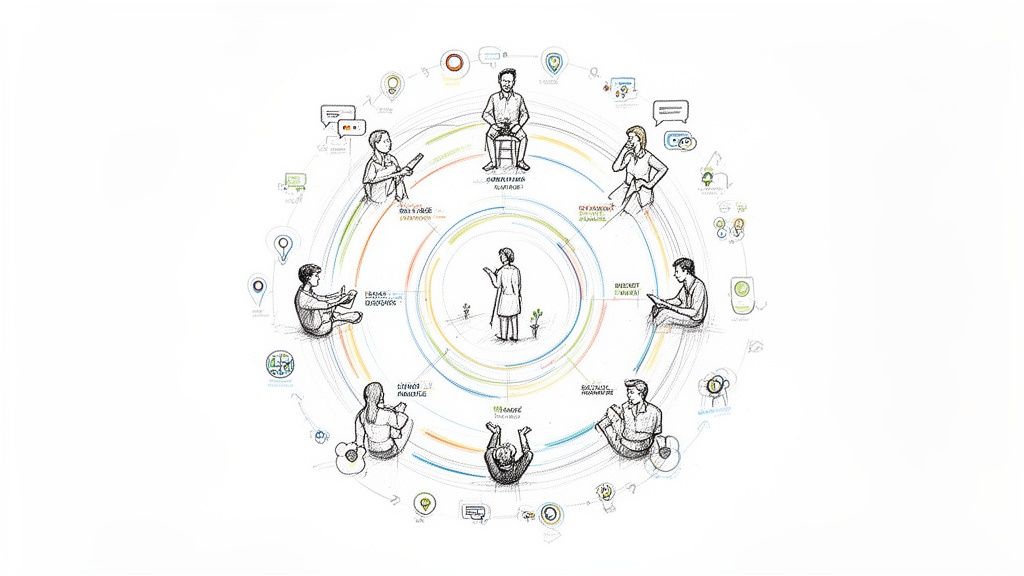
Building a community isn't just about gathering people; it's about intentionally creating a space where they can connect around a shared purpose. It’s the difference between having a passive audience and fostering an interactive environment where members can actually talk, share, and grow with one another. This is the crucial leap from one-way broadcasting to a collaborative network that turns followers into true advocates.
In a world overflowing with disposable content, people are looking for real connection. That’s why building a dedicated community has gone from a nice marketing tactic to a fundamental business strategy. A big social media following just doesn't cut it anymore. For real, sustainable growth, you need to build a home where your people feel they truly belong.
The core difference is the value exchange. A follower might consume what you post, but a community member actively contributes and helps shape the experience for everyone. This participation creates a powerful, self-sustaining ecosystem that a simple audience could never match.
An audience listens. A community talks back. And that two-way dialogue is where the real value is unlocked.
When you create a central hub for conversations, resources, and events, you’re offering tangible value that a fleeting social media post can't compete with. Think about it: a follower might like your update, but a community member joins your workshop, asks a specific question in a dedicated forum, and then shares what they learned with a colleague. That's the journey from passive consumption to active advocacy—and it’s what drives incredible organic growth.
Especially now, with so much automated content out there, people are craving genuine human interaction. The 2026 Community Trends Report highlights this shift, showing that communities are no longer just brand accessories but powerful growth engines. Experts are calling it a “return to all things definitively human,” which makes a well-run community more critical than ever. You can dig into the full 2026 Community Trends Report on Circle.so.
"A community is the only marketing channel that can build upon itself. Members bring in new members, create content for you, and become your most passionate evangelists."
This kind of self-perpetuating cycle is built on a foundation of trust and shared identity. When members feel seen and heard, they become personally invested in the community's success, which in turn fuels your organization's growth. The benefits of building online communities are huge, touching everything from member retention and customer insights to brand new revenue streams.
A strong community quickly becomes one of your most valuable assets. It gives you:
Ultimately, forming a community is an investment in human connection. It's about building a space where people don't just show up—they stick around, contribute, and become the most authentic voice your brand could ask for.
Before you even think about platforms or draft a single welcome email, you have to lay the groundwork. This is where you get crystal clear on your community's core purpose—that magnetic "why" that will pull the right people in and give them a reason to stick around for the long haul. Get this wrong, and even the slickest technology won't save you.
Think of your community's purpose as its guiding star. It answers the fundamental question: "Why should I join, and more importantly, why should I stay?" This can't be a fluffy mission statement. It needs to promise a real, tangible outcome or transformation for your members.
For instance, a professional group for software engineers could define its purpose as: "To help junior developers land their next promotion by connecting them with senior mentors and hands-on coding challenges." It’s specific, it’s valuable, and anyone in that target audience gets it immediately.
With your purpose locked in, the next question is who you're building this for. If you try to be for everyone, you'll end up being for no one. This is where creating detailed member personas becomes so critical. These are semi-fictional profiles of the exact people you want to attract.
Go deeper than just job titles and years of experience. What keeps them up at night? What skills are they desperate to learn? What truly motivates them to connect with their peers? Knowing this is the secret to creating content and experiences that feel like they were made just for them.
A solid persona isn't just a list of demographics. It tells a story:
When you have someone like Alex in mind, every decision becomes easier. You’ll instinctively know what features, discussions, and events will make your community an absolute necessity for her career.
A community without clear goals is just a hobby. To turn it into a strategic asset for your organization, its objectives must be tied directly to your bigger business outcomes. And those goals need to be specific and measurable.
Don't just aim for "better engagement." A much stronger goal is, "Increase our monthly active user rate by 15% in the next six months by launching a weekly expert Q&A session." See the difference? You’ve connected a specific tactic to a measurable result.
Here are a few other examples of powerful, data-driven goals:
This strategic foundation—your purpose, personas, and goals—isn't just a box to check. It's the framework that will guide every single choice you make, from the tech you select to the very first words of your launch announcement.
The table below illustrates how to translate those big-picture goals into concrete platform features, ensuring your technology is working for you, not against you.
By mapping features to outcomes, you ensure your community platform is an active partner in achieving your strategic objectives.
This next visual shows the journey you’ll be guiding your members on. You're not just gathering names in a database; you're intentionally moving people from passive observers to your most passionate advocates.
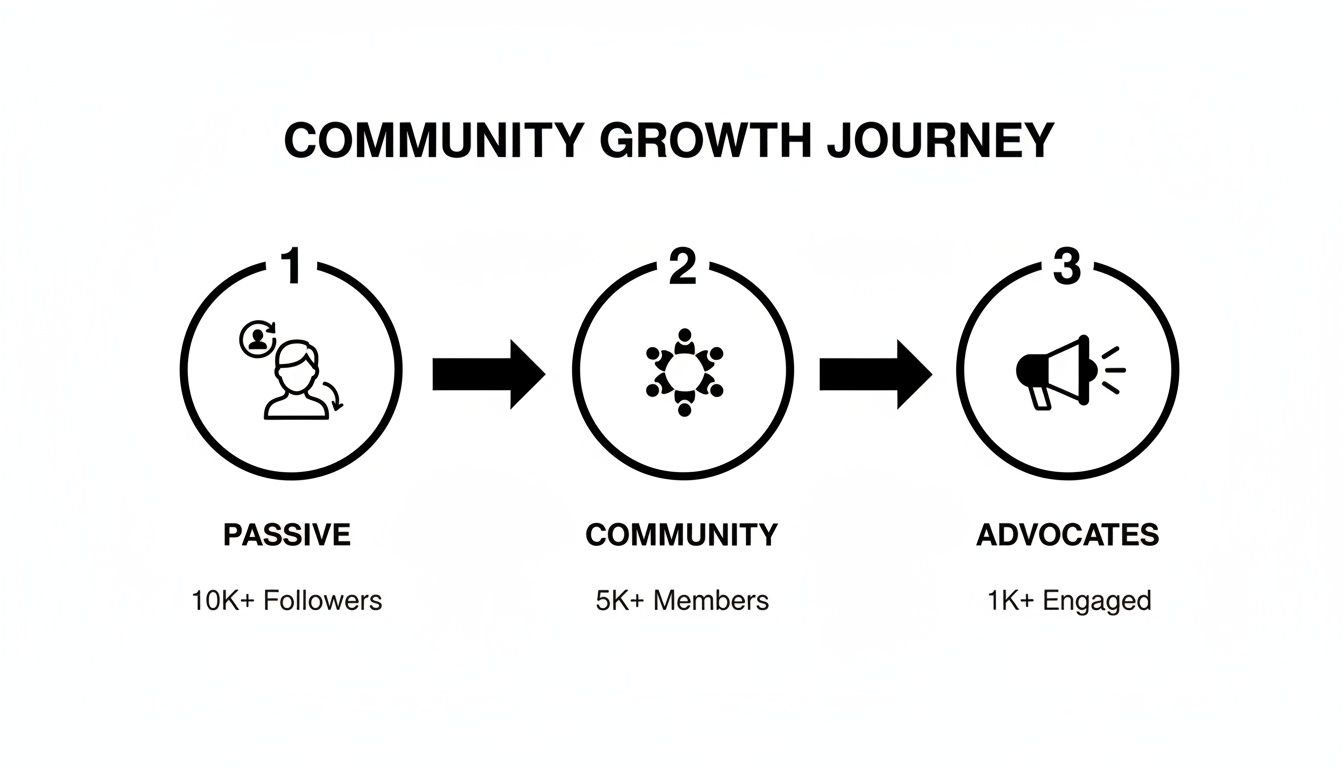
Ultimately, this foundational work ensures you’re not just collecting a crowd. You’re building a tribe—a cohesive group of people united by a purpose they believe in. When members see themselves and their ambitions reflected in the DNA of the community, they don't just join. They belong.
You’ve done the hard work of defining your community’s purpose and audience. Now it's time to build its digital home. This is more than just picking software; it's about architecting the entire experience for your members, from the first time they hear about you to the moment they become a super-user.
Think of your technology as the invisible host of your community. It should welcome people in, guide them to the right conversations, and make everything feel effortless.
So many organizations fall into the trap of stitching together a patchwork of different tools. They’ll use one service for emails, another for event registrations, a social media group for discussions, and maybe a cloud drive for resources. While it might feel like a thrifty solution at first, it creates a clunky and disjointed experience for the people who matter most: your members.
Imagine a new member trying to get involved. They have to create one login for the forum, another for an upcoming webinar, and then hunt through their inbox for a link to a resource library. This friction is a killer for engagement and a huge roadblock when you're trying to build momentum.
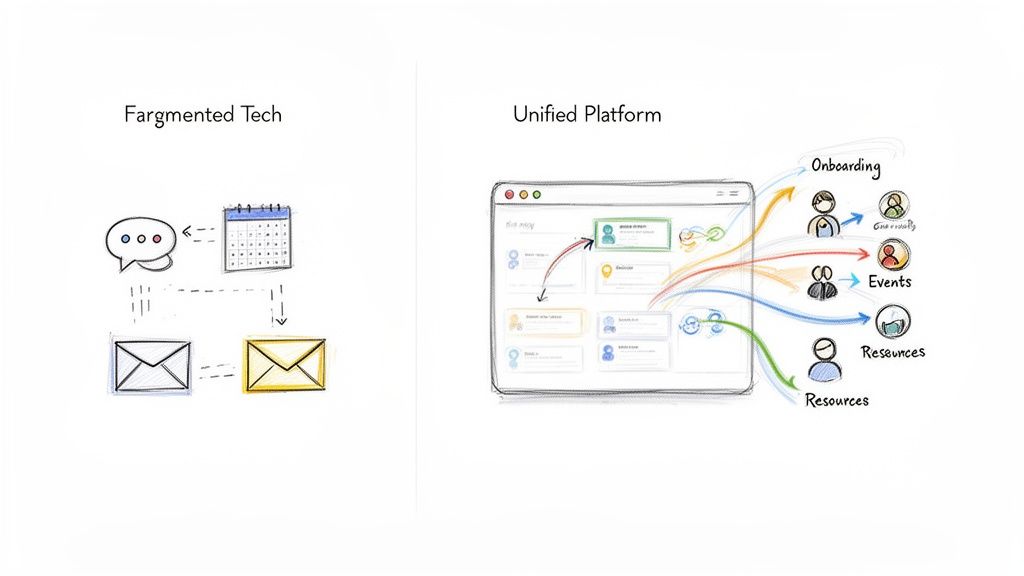
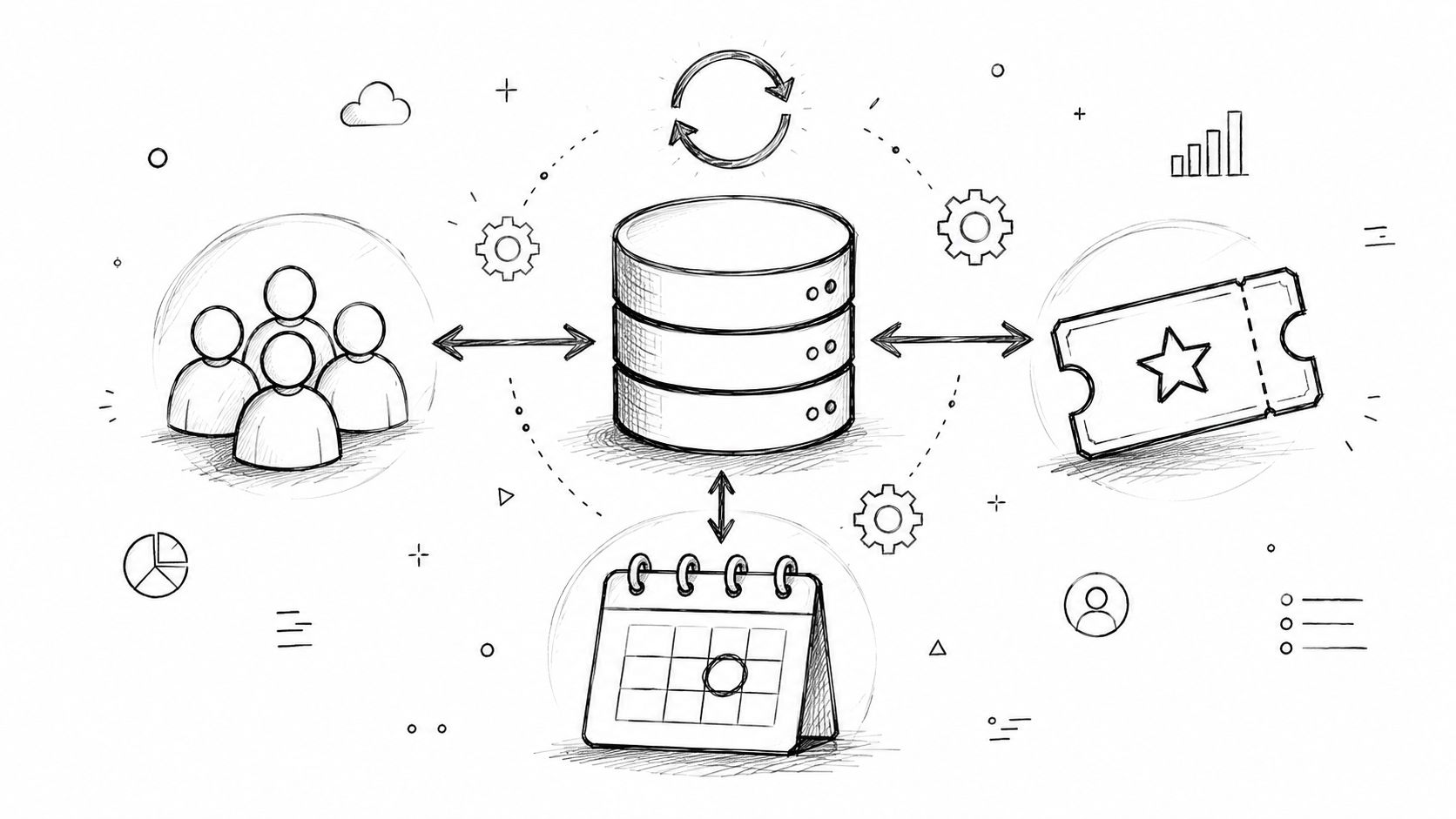
The best communities feel like a cohesive, dedicated space. An all-in-one platform is what makes that happen. It brings every member touchpoint—from discussions and events to content and networking—under one roof.
For you, the community manager, this means no more juggling data across a half-dozen apps. You get a single, clear view of what your members are doing, which is gold when it comes to making smart decisions.
For members, the benefit is an experience that just works. They can jump into a discussion, register for an event, and access a resource library, all within a single, branded app that feels like your space.
When you're exploring options, it's useful to understand the landscape. Comparing platforms like Substack vs WordPress can show you how different ecosystems are built. But for a professional group that needs deep integration and a seamless user experience, a purpose-built community platform is almost always the answer.
A frictionless member journey is your best retention tool. When members can easily find value without hitting technical roadblocks, they are far more likely to stay engaged and advocate for your community.
To get this right, actually map out the member journey on a whiteboard. What should a new member see and do in their first 30 days? What tools do you need to make that experience feel special and intuitive?
As you vet different platforms, don't get distracted by a long list of shiny features. Focus on the tools that directly support the goals you set in the first phase. It’s not about having the most features, but the right ones.
For most professional groups, these are the non-negotiables:
Choosing a unified platform isn't just a tech decision. It's an investment in a scalable foundation that will make your community easier to run and far more valuable for your members. You're building a digital headquarters that truly supports connection, learning, and growth.
An active community is a healthy one. Once you’ve laid the groundwork and picked your tech, your entire focus needs to shift to sparking—and sustaining—real interaction. This is the moment your community plan moves from paper to a living, breathing ecosystem.
Here’s the thing: just opening the digital doors and hoping for the best is a recipe for an empty room. You need a deliberate engagement strategy to build momentum, forge connections, and actually deliver the value your members signed up for. Think of yourself as the host of a great party—you have to make introductions, get conversations started, and make sure everyone feels like they belong.
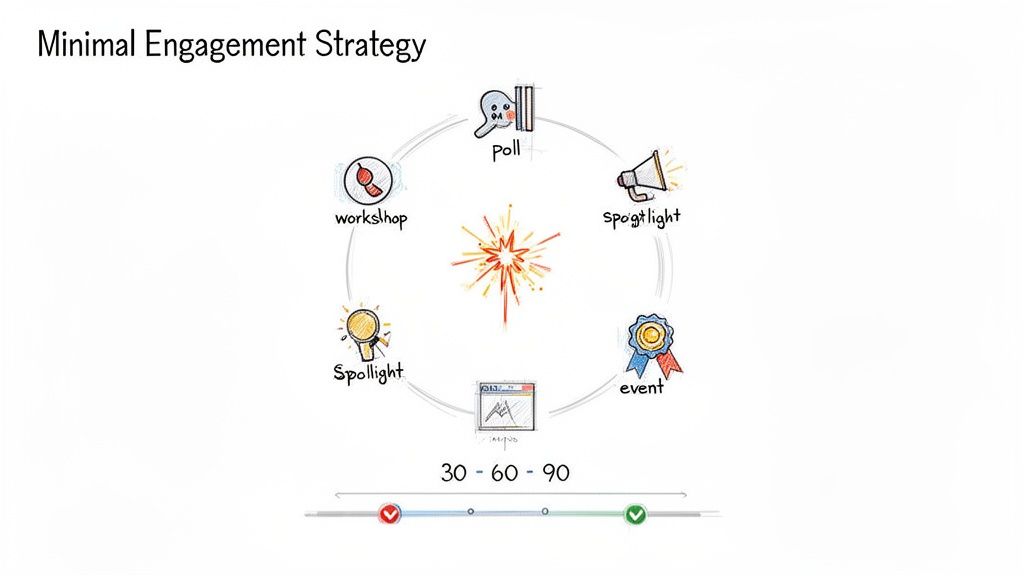
Engagement doesn’t happen by accident; it’s fueled by a steady stream of valuable and varied content. Your content plan should be a healthy mix of expert-led programming and opportunities for members to step up and share what they know. The goal is to create multiple ways for people to get involved.
Try a multi-faceted approach to keep things fresh and appeal to different personalities:
The key is to balance providing value to your members with creating opportunities for them to provide value to each other. A great community is a two-way street.
The first few months of a member's experience are absolutely critical. This is your window to turn a fresh signup into a long-term advocate. A structured onboarding plan is your best tool for making this happen.
I’ve found it helps to think about their journey in three distinct phases:
This structured approach makes new members feel seen and supported, which drastically increases the odds they'll stick around. You can find more tactical advice in our complete guide to building a community engagement strategy.
Beyond the big content pieces and onboarding, you need recurring rituals that make your community a vibrant and fun place to be. These are the small, consistent interactions that build a strong culture over time.
A great engagement strategy isn't about one big launch event. It's about a thousand small, consistent touchpoints that make members feel connected, valued, and understood over the long term.
Consider weaving in interactive elements that encourage people to check in regularly. Simple things like weekly polls can spark lighthearted debate. A member map, where people pin their location, visually reinforces the scale and reach of your network. And a little gamification, like awarding badges for participating in discussions, can provide a fun incentive for deeper involvement.
The drive to connect and contribute is a powerful human motivator. Consider that over 2.1 billion people—that's about one in every four adults globally—dedicate time each month to volunteering, often through the exact kind of peer-to-peer networks that form the backbone of strong communities. This is where you can channel that innate desire for connection into a thriving professional network.
To really strengthen those member bonds, think about integrating shared experiences. Exploring some fresh corporate team building event ideas can be a fantastic addition to your strategy. Whether they're virtual or in-person, these activities build the personal relationships that are the true glue of any lasting community.
For your community to have any real staying power, it needs a solid financial foundation. Let's be clear: monetization isn't about squeezing every last dollar out of your members. It’s about creating a sustainable model where the value they get far outweighs the cost, ensuring you can keep investing in the community for years to come.
A smart monetization strategy is a direct reflection of the value you provide. It’s what turns your community from a simple cost center into a self-sustaining asset that can fund new initiatives, better tech, and more exclusive experiences for the very people who make it special.
The most common path to monetization is through memberships, but a one-size-fits-all model rarely cuts it. The real key is offering different tiers that match the varying needs and commitment levels of your audience. This way, you can serve more people while generating predictable, recurring revenue.
A tiered subscription model is a fantastic way to structure this. I've seen this work time and time again. Think about it in three common levels:
The secret sauce is making sure each tier has a distinct and compelling value proposition. A member should look at the next level up and immediately understand what they gain by upgrading. It should be an easy "yes." For some communities, a pay-per-event model can also be a great supplement to subscriptions, giving non-members a chance to sample your offerings before they commit.
Beyond member dues, your community is a goldmine for industry partners. Sponsors and exhibitors aren't just advertisers; they're potential partners who are desperate for meaningful ways to connect with a targeted, engaged audience—your audience. The trick is to create packages that deliver a tangible return on their investment (ROI).
You have to move beyond just slapping a logo on a webpage. Offer sponsors compelling activation opportunities that feel like they actually belong in the community.
When you treat sponsors like community members instead of advertisers, you unlock a more authentic and valuable partnership for everyone. Their goal is connection, and your platform is the perfect place to facilitate it.
Start thinking about building packages that include things like:
Platforms like GroupOS are built for this. They give sponsors the tools they need to track leads and measure their ROI directly within the community environment. This data-driven approach turns a sponsorship from a hopeful expense into a measurable marketing investment they'll want to make again.
As your community grows, so does the headache of managing payments, renewals, and member data. You absolutely need a scalable system to handle this growth without letting the member experience slip through the cracks. If you're switching from a free model or another platform, a seamless member migration is critical to avoid frustrating your members and losing goodwill.
Keep an eye on your platform's analytics to spot new revenue opportunities. Are members constantly asking about a specific topic? That’s a huge signal to launch a paid, in-depth course. Is a particular discussion channel always buzzing with activity? It might be the perfect spot for a targeted sponsorship. By listening to your community's behavior, you can continuously refine your offerings and open up new income streams that feel both organic and genuinely valuable.
Think of your community as a living, breathing thing. Just like any organism, you can measure its health. To make sure your community doesn't just launch but actually thrives for the long haul, you have to look past the flashy, surface-level numbers and get to the vital signs that show a truly healthy ecosystem.
This is all about swapping guesswork for real data. It’s the difference between thinking you know what your members want and actually knowing what keeps them coming back.
It’s incredibly tempting to get excited about your total member count ticking upward. But that number, on its own, doesn't tell you much. Honestly, a community of 10,000 silent lurkers is far less valuable than one with 500 people who are actively starting conversations, helping each other, and showing up.
The real indicators of health are found in member behavior.
To get a true pulse on your community, you need to track the metrics that reflect genuine interaction and connection. These are the numbers that prove people are getting real value from the space you’ve built.
Your community platform's built-in analytics are your best friend here. A great system will give you a clear dashboard where you can spot trends, pinpoint your most influential members, and see exactly which pieces of content are sparking the best conversations.
For example, you might look at your analytics and discover that discussion threads about a specific software bug get 3x more replies than general industry news. Boom. That's a direct signal from your members to create more content—maybe a workshop or an expert Q&A—on that exact topic. These are the kinds of nuggets that are vital for anyone serious about understanding community analytics and insights.
Don’t just look at the data; listen to what it’s telling you. Every metric is a piece of feedback from your members, showing you exactly what they value and where their interests lie.
This data helps you make smarter decisions. You can identify your "super-users"—that top 1-5% of members who are natural community leaders—and formally empower them as ambassadors. You can also spot which members are at risk of churning due to low activity and reach out with a targeted campaign to bring them back into the fold.
Analytics tell you the what, but qualitative feedback tells you the why. For the full picture, you have to pair your data with real, human conversations.
Simple surveys can be invaluable, whether they’re quick "pulse checks" or more detailed annual questionnaires. The key is to ask open-ended questions like, "What's the single most valuable thing you get from this community?" or "If you could add one new feature, what would it be?"
This blend of hard numbers and personal stories is where the magic happens. It gives you a complete, 360-degree view of your community’s health, allowing you to fine-tune your strategy with real confidence.
This cycle of measuring and improving is more than just a best practice; it's essential. In a world facing a stall in social progress, strong communities have become vital lifelines. A recent report revealed that global quality of life has stagnated since 2021, with declines in rights, safety, and health across 171 countries. In this kind of environment, building a community is a powerful act of rebuilding social connection. You can discover more insights from the 2026 Global Social Progress Index on Socialprogress.org. By consistently listening and adapting, you ensure your community remains a valuable and relevant force for your members.
Even with the best-laid plans, launching a new community can feel like a leap of faith. It's completely normal to have questions swirling around as you get started. Let's tackle some of the most common ones we hear from people in the trenches.
This is the big one, isn't it? When does it stop feeling like you're talking into a void and start feeling like a real, breathing community?
Honestly, every group has its own rhythm. But with a solid onboarding plan and someone actively stirring the pot (that's you!), you should start seeing those first real sparks of engagement within 30 to 60 days. Your consistency in these early days is everything.
Getting from those first few posts to a place where members are starting their own conversations? That takes a bit longer. Give it a good three to six months. That's usually the time it takes for people to build real trust and feel comfortable enough to truly connect.
The biggest mistake I see is focusing on the tech instead of the people. You can have the slickest platform in the world, but if you don't have a plan to personally welcome and connect your first 50 members, you're building an empty room. Their great experience is the social proof you need to attract the next 500.
Want to speed things up? Find your "super-users" early. These are the people who just get it—they're enthusiastic, they jump into discussions, and they make others feel welcome. Give them a little recognition and a sense of ownership, and they'll become your most powerful growth engine.
The "free vs. paid" debate really comes down to what you're trying to accomplish. There's no single right answer, just different tools for different jobs.
A free community is a fantastic way to cast a wide net, build brand awareness, and get a ton of people in the door. The trade-off? Engagement can be a constant battle when there's no skin in the game.
On the flip side, a paid model puts up a gate. But that's not a bad thing. It means every single person who joins is invested, both financially and mentally. This almost always leads to higher-quality conversations and a more committed group of people.
Many of the most successful communities we've seen use a hybrid model. It looks something like this:
This tiered approach gives you the best of both worlds. It lets people dip their toes in the water before asking for a commitment, which is often the most effective way to show them why your community is worth paying for.
Ready to build a community that lasts? GroupOS provides the all-in-one platform to manage members, events, and content seamlessly. Start your free trial and build your community's home today.