December 16, 2025
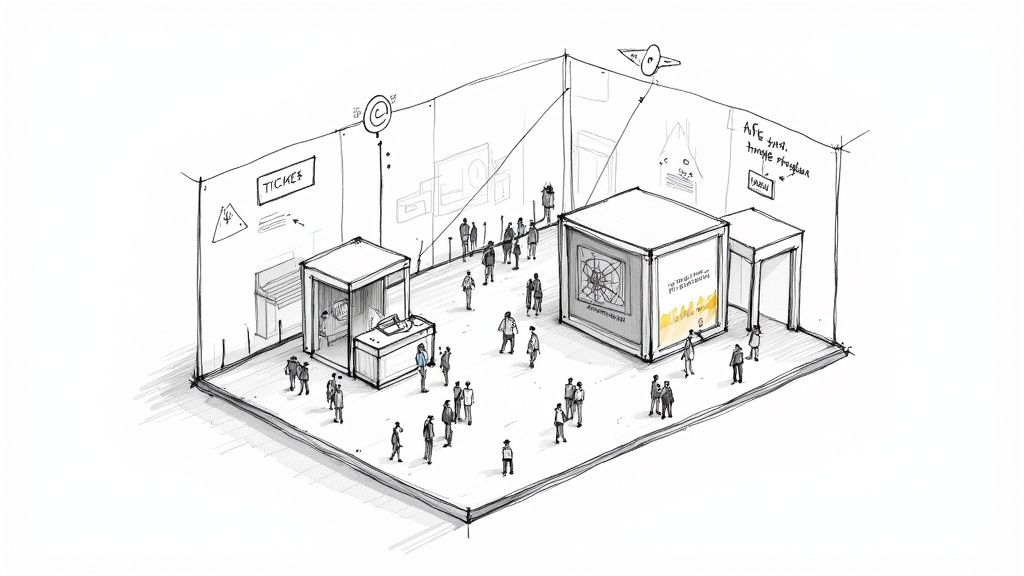
Experiential marketing is all about creating tangible, in-person moments that stick with people long after they leave. It’s the difference between showing someone a picture of a new coffee blend and letting them step into a pop-up café, smell the beans roasting, and chat with the barista who created it. You're not just telling them about your brand; you're inviting them to step inside and live it for a little while.
In a world saturated with digital ads and fleeting social media posts, people are hungry for real, authentic connections. Experiential marketing answers that call. It cuts right through the noise by sparking a genuine, two-way conversation between you and your audience. This isn't about pushing a message out; it's about pulling people in.
We've seen a huge shift in what consumers expect from brands. They don't just want to be sold to; they want to be engaged. The goal is no longer just to host an event, but to design a true brand experience that resonates on an emotional level.
When you give someone a memorable experience, you give them a story to tell. They stop being passive viewers and become active participants—and, often, your most passionate advocates. They'll share photos, tell their friends, and remember that moment. You can see this philosophy brought to life in some of the incredible experiential marketing initiatives at major events like SXSW, where brands build entire interactive worlds for people to explore.
The idea is simple but powerful: people might forget what you say, but they’ll never forget how you made them feel. A well-designed experience creates an emotional anchor that traditional advertising just can't replicate.
To truly understand the difference, it helps to see them side-by-side.
While traditional ads have their place, an experience is what turns a customer into a true fan.
Smart brands are catching on and putting their money where the engagement is. Global spending on experiential marketing is on track to hit a massive $128.35 billion by 2025. What’s more, 74% of Fortune 1000 marketers are planning to up their budgets in this area. This isn't just a hunch; it's a strategic investment based on the proven power of live events to build community and drive real growth.
Ultimately, weaving these kinds of moments into your overall plan is a cornerstone of modern event marketing strategies, helping you deliver results that you can actually measure.
Every memorable experience I've ever been a part of started with a rock-solid foundation, not just a cool idea. Before you get lost in the fun stuff—like designing flashy installations or booking guest speakers—you have to lay the groundwork with a strategic blueprint. This is what separates a truly successful experiential marketing and events strategy from one that just fizzles out.
So, where do you start? Begin by defining exactly what success looks like for your brand. Are you trying to generate a specific number of qualified leads for your sales team? Or is the goal a little harder to pin down, like building genuine brand affinity and turning casual followers into die-hard advocates? Maybe the entire point is to get people talking and fuel your content calendar with a ton of user-generated content.
Don’t fall into the trap of setting a vague goal like "brand awareness." Be specific and tie it to a real number. For example: "Increase positive social media mentions by 30% during the event week." This kind of clarity becomes your north star, guiding every single decision you make from here on out.
Once your objectives are crystal clear, it’s time to get hyper-focused on who you're actually building this experience for.
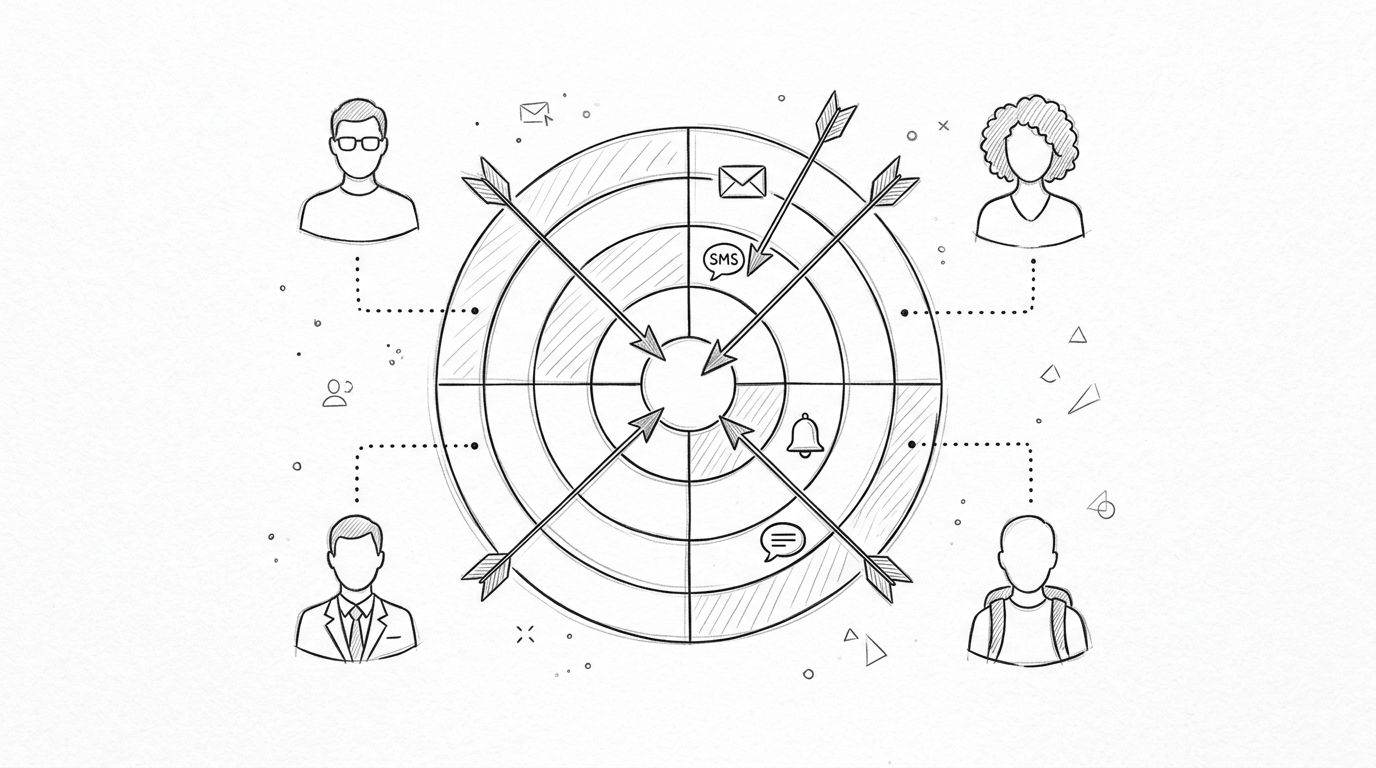
Generic audience descriptions are a waste of time. To create something that truly resonates, you need to build detailed attendee personas that feel like real people. This means going way beyond basic demographics and getting into their heads.
What you really want are the psychographics:
Getting these details right ensures your activation feels like it was made just for them, which is the secret to creating a powerful emotional connection and encouraging people to participate. Building this deep understanding is a critical part of any strong event plan. To dig deeper, check out our guide on how to craft an effective event plan.
Finally, let's talk money. Your budget isn't just a list of expenses; it’s a strategic tool. You have to decide where to invest your dollars to get the biggest bang and where you can be a bit more frugal.
For instance, dropping a chunk of change on an immersive AR photo booth might be a brilliant move if your main goal is to get people sharing on social media. On the flip side, you could save a bundle on fancy printed materials by leaning on a great event app to handle schedules, maps, and information.
This whole process is about creating a deliberate journey for your attendees.

Each stage, from the very first connection to getting them to actively participate, is designed to drive growth—for them and for your brand. Your strategic blueprint is what makes sure every single element you plan serves that journey.
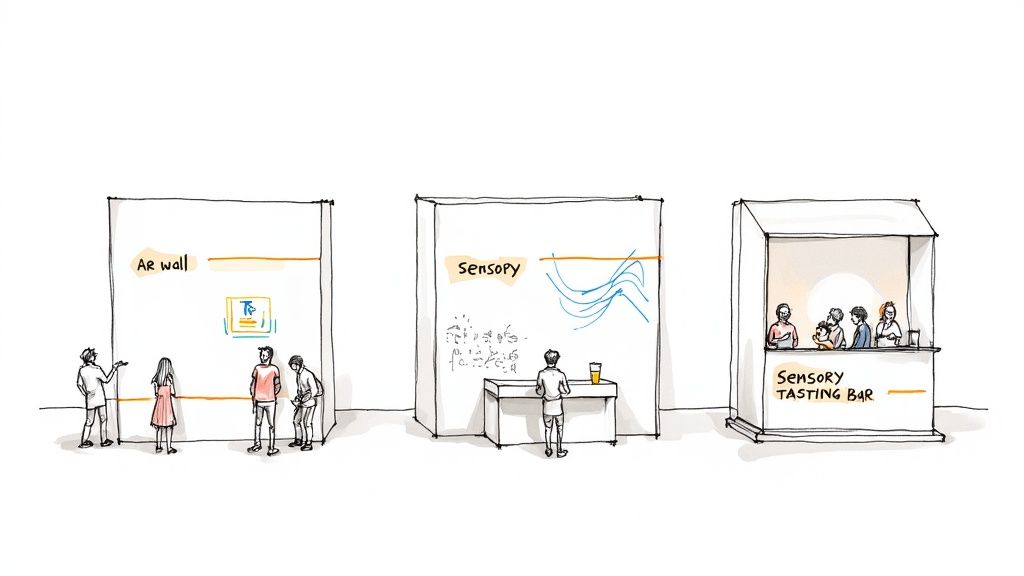
This is where all that planning comes to life. Your blueprint becomes the creative spark for an experience people will be talking about long after they leave. Designing a truly memorable activation means you have to think past the standard booth and cheap swag. The real goal is to create an immersive moment that feels like a genuine discovery, not just marketing.
Start by asking yourself: what do I want people to feel? Exhilarated? Inspired? Maybe even a little competitive? Your answer will shape the creative concept and keep it tied directly to your brand goals. Hands-on experiences are almost always a winner. In fact, research shows that 75% of attendees feel that demonstrations and interactive activities are the best way to learn.
The right activation really depends on who you're trying to reach and what you want to achieve. There's a whole world of options out there, from dazzling high-tech installations to beautifully simple, human-to-human interactions.
Here are a few ideas to get you started:
The key is to make it participatory, not passive. You want people to do something, create something, or solve something. That active engagement is what builds a real emotional connection and gets people talking.
This is also a prime opportunity to collect valuable data and offer rewards that drive deeper interaction. Creative prizes are a huge motivator, and you can find a ton of clever giveaway ideas for events that are way more interesting than another branded pen.
Let's be honest: nobody likes a clunky sponsorship integration that feels like a commercial break. The best approach is to make sponsors a natural part of the activation itself.
For instance, in that mixology lab we talked about, the glassware sponsor's products could be elegantly featured as part of the cocktail-making experience. A tech partner could power the real-time leaderboard for the escape room challenge. This strategy adds value for attendees, gives the sponsor authentic visibility, and keeps the whole experience feeling cohesive.

This is it. Game day. You can have the most brilliant, creative concept in the world, but it all means nothing without stellar on-site execution. This is where all that planning pays off, and where the smallest details can turn a good idea into an unforgettable memory for your guests. The real magic of experiential marketing and events happens when you manage all the moving parts to create one seamless, immersive journey from the moment someone walks through the door.
That journey starts with check-in. I can’t stress this enough: a long, clunky queue is the fastest way to kill the vibe. Your goal here is zero friction. You want a process that feels effortless and sets a positive, high-energy tone from the jump. Thankfully, modern event platforms like GroupOS give you tools like QR code scanning and self-service kiosks that get attendees inside and into the action in seconds, not minutes.
I always think of the on-site experience like a story. The check-in is your opening line, the main activation is the climax, and the final interaction is the resolution. Every chapter has to flow perfectly into the next to keep your audience completely captivated.
Once they're in, the real work begins. You have to keep the energy up and give people compelling reasons to stick around and participate. This is where your brand’s personality gets to shine.
The holy grail of any activation is creating moments that people just have to share. I’m not just talking about sterile photo ops; I mean creating genuine, organic endorsements for your brand.
This stuff isn't just for fun; it delivers serious business results. When you get it right, the ROI is incredible. Research shows that 85% of consumers are more likely to buy from a brand after attending one of their events. Even better, 98% of attendees create social content at these activations, effectively becoming an army of promoters for you. You can dig into more of these powerful marketing statistics on HubSpot to see just how big the impact can be.
Finally, never forget that your on-site staff is your most valuable asset. They are the human face of your brand, and every single one of their interactions matters. They aren't just there to scan badges or point people to the restrooms; they are your brand ambassadors on the ground.
Training is non-negotiable. Make sure every single team member knows the event's core message, understands the key talking points, and—most importantly—is empowered to solve problems on the spot. A friendly, knowledgeable, and proactive team member can turn a minor hiccup into a moment of exceptional service, reinforcing the exact positive impression you've worked so hard to build.

When the last attendee leaves and the lights go down, your work isn’t over—it’s just shifting gears. The real test of any experiential event is proving its value long after the initial excitement fades. This is where you transform an incredible experience from a line-item expense into a proven revenue driver for your business.
It’s about moving past vanity metrics like headcount. Sure, knowing how many people showed up is a start, but it doesn't tell you anything about the impact you made. The real story is in the data that connects your activation directly back to the business goals you set from day one.
You can't measure success if you haven't defined it. Your Key Performance Indicators (KPIs) should be a direct reflection of the objectives you laid out in your strategic blueprint. Different goals demand entirely different metrics.
If you’re hunting for leads, you need to track Cost Per Lead (CPL). Just divide your total event spend by the number of qualified leads you captured. Then, keep an eye on your Lead-to-Customer Conversion Rate for the next few months to see who actually became a paying customer.
If brand awareness is the goal, your event hashtag is your best friend. Monitor social media mentions and impressions. Take it a step further by tracking your Share of Voice (SOV) to see how your brand’s conversation volume stacks up against competitors during the event.
To measure customer loyalty, a simple Net Promoter Score (NPS) question in your post-event survey is invaluable. Asking "How likely are you to recommend our brand?" gives you a clear, immediate benchmark for brand affinity.
Proving the business case for these events is getting easier. In fact, 77% of marketers now see live experiences as their most effective channel, delivering an average ROI of 25-34%.
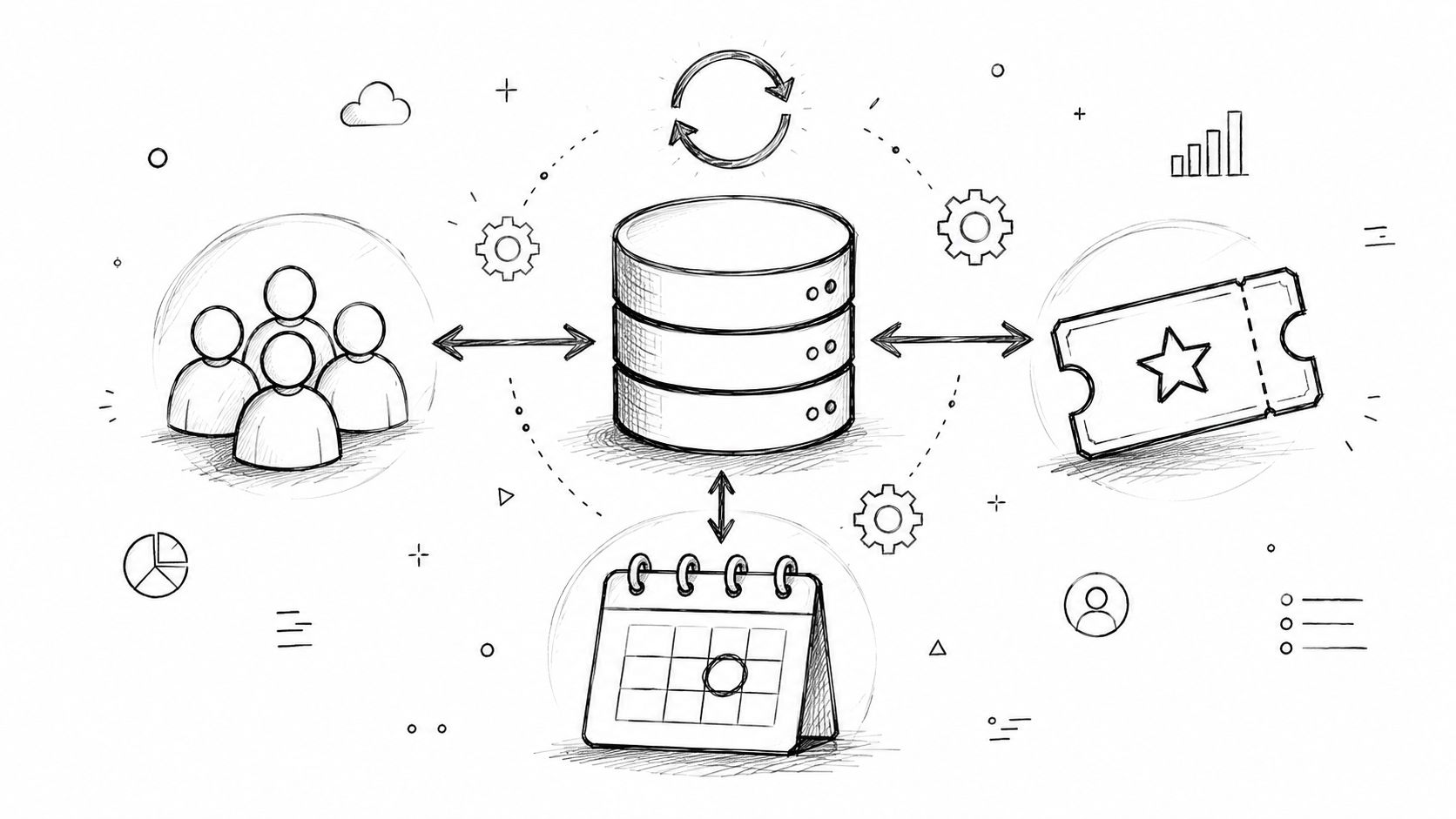
This is where having an all-in-one platform like GroupOS really shines. It keeps all your attendee data, survey responses, and engagement metrics in one place, making it far simpler to connect the dots and calculate your true ROI.
To truly understand your event's impact, you need both quantitative data (the "what") and qualitative data (the "why"). One without the other only tells half the story.
To help you get started, here’s a look at some of the most critical metrics to track, depending on what you’re trying to achieve.
This table is just a starting point. The key is to blend these hard numbers with genuine human feedback for a complete picture.
Quantitative Metrics (The "What"):
Qualitative Metrics (The "Why"):
This mix of data doesn't just help you justify your budget; it gives you the insights you need to make your next event even better. If you want to get really granular, we've put together a comprehensive guide on measuring event ROI that covers more advanced techniques and tools.
Even with the best-laid plans, jumping into experiential marketing can feel like you're navigating uncharted territory. A few practical questions always seem to pop up, so let's walk through some of the most common ones to clear the air.
You don't need a Super Bowl-sized budget to create an experience that sticks. The real magic for a small business lies in creativity and a genuine connection to your local community, not in massive, flashy productions.
The key is to think local. Find another business that complements what you do and co-host a workshop or a pop-up. This is a fantastic strategy to not only split the costs but also tap into each other's customer bases, effectively doubling your reach without breaking the bank.
The secret is to go deep, not wide. Focus on a single, high-impact touchpoint that delivers real value. Think of a local coffee shop hosting a "latte art throwdown" or a boutique offering free, personalized styling sessions. These moments feel authentic, create a genuine bond, and get people talking.
It’s easy to see why people use these terms interchangeably, but they have a crucial difference.
Think of it like this: Event marketing is about promoting the event itself. The event is the product. The goal is to sell tickets and get people in the door for a conference, concert, or festival.
Experiential marketing, on the other hand, uses an event as a stage. It’s a channel for people to get hands-on with your brand and immerse themselves in what you’re all about. Here, the brand is the product.
Let's look at a quick example:
So, while all experiential marketing happens at an event, not all event marketing is experiential.
It might sound impossible, but you absolutely can put numbers to feelings like brand loyalty and emotional connection. The trick is to combine direct feedback with a look at long-term behavior.
Post-event surveys are your best friend here. Just make sure you go beyond basic yes/no questions. Include things like:
Don't forget social media listening. Keep a close eye on your event hashtag to see what people are saying and, more importantly, how they're saying it.
To track loyalty, you have to connect the dots over time. Did the people who came to your event sign up for your loyalty program? Did they make a second purchase? Did they upgrade their subscription a few months later? When you sync your event data with your CRM, you can actually compare the lifetime value of an event attendee versus a non-attendee. That’s how you get hard proof of your event's long-term impact.
Ready to stop juggling spreadsheets and manage your next experiential event from a single, seamless platform? GroupOS gives you everything you need for ticketing, attendee engagement, and powerful analytics to measure what truly matters. See how it works.