February 15, 2026
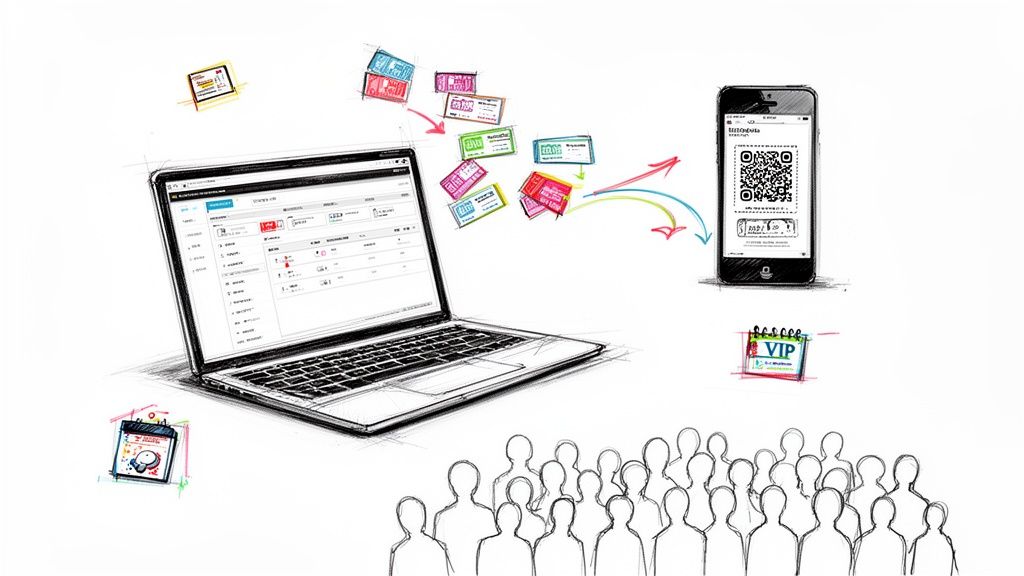
Ready to pack the house for your next event? The secret to selling event tickets online isn't just about putting up a payment link. It’s about building a smooth, integrated system that merges the right technology with smart pricing and sharp marketing. This guide is your playbook for turning casual interest into confirmed attendees, creating a seamless journey from the first click to the final round of applause.
For professional associations and large community teams, selling tickets goes far beyond just bringing in revenue. It's a fundamental part of driving member engagement and proving the value of your organization. Today's attendees expect a polished, intuitive digital experience. Anything less—a clunky form, a confusing checkout, a broken link—doesn't just cost you a sale. It can tarnish your event's reputation before the doors even open. That’s why a thoughtful strategy is non-negotiable.
Your blueprint for success really boils down to three connected pillars:
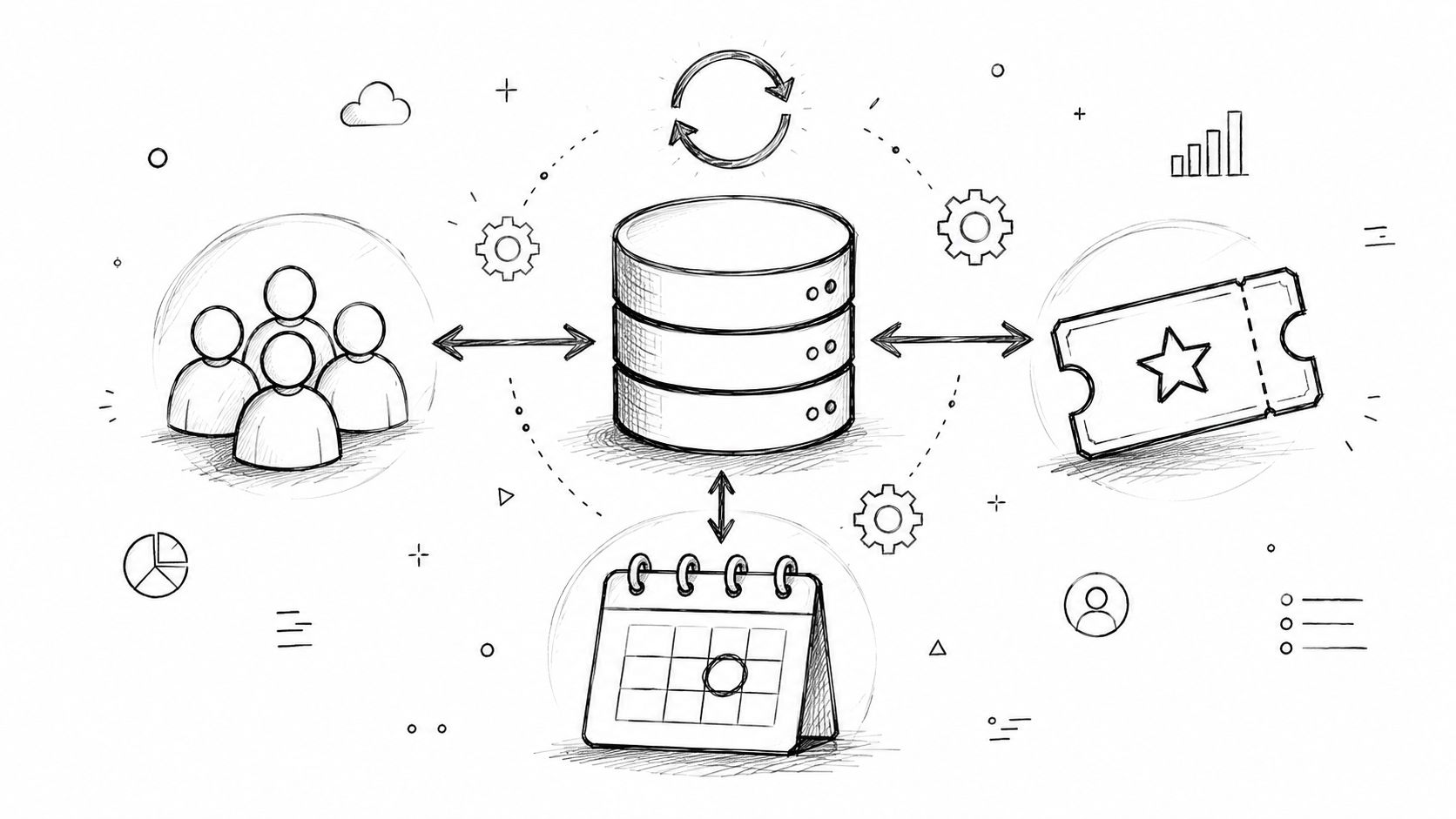
Think of it as a three-stage rocket. Each part has to fire perfectly to get you where you need to go.
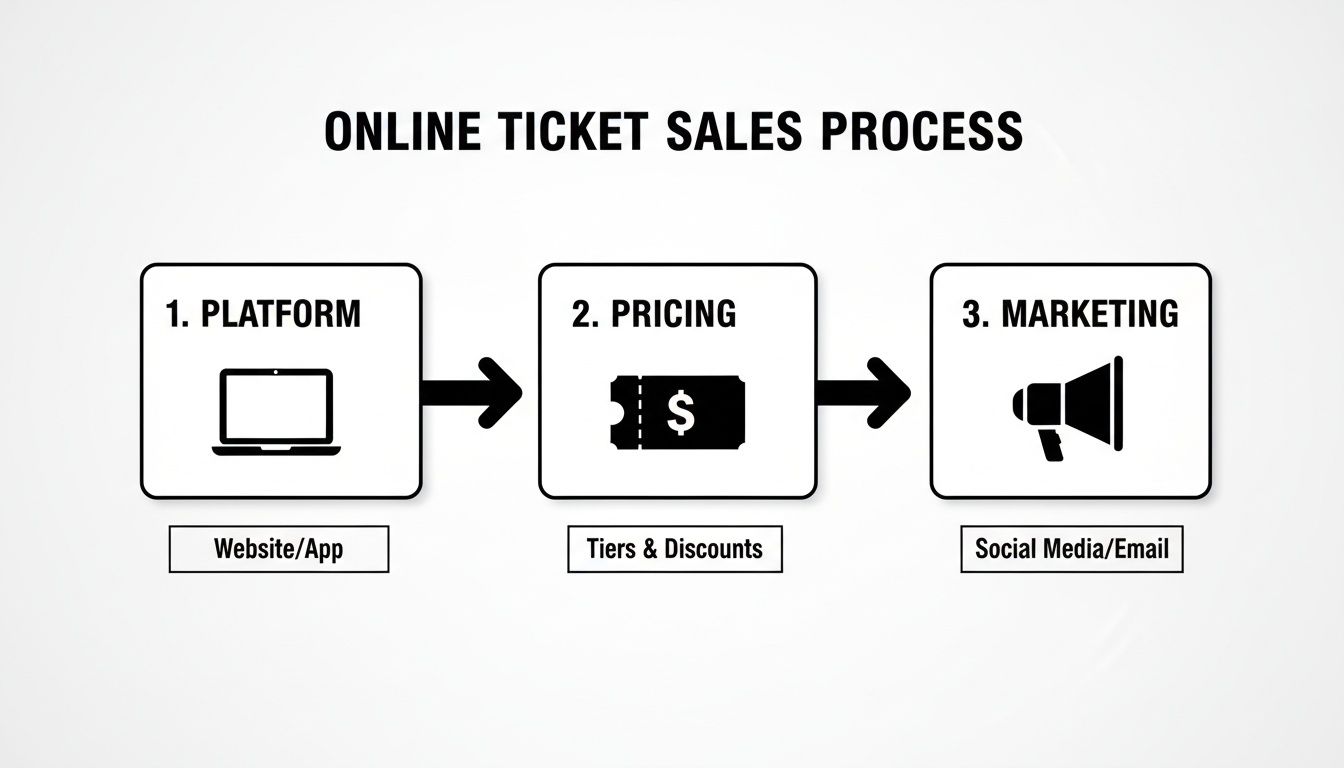
The image above lays it out clearly: a solid technology foundation supports your financial model, which is then amplified by your outreach. Get these three things right, and you’re well on your way.
Before a single ticket is sold, you need a rock-solid event plan. You have to get clear on your goals, budget, and exactly who you're trying to reach. This fantastic guide on how to plan an event walks you through creating a complete blueprint for success. Honestly, a well-organized event makes the sales process a hundred times easier because your value proposition is crystal clear. You might also want to check out our deep dive on how to create an event from the ground up.
The move to digital ticketing isn't just a small shift; it’s a massive market force. The global event tickets market was valued at around USD 68.5 billion in 2023 and is on track to hit USD 110.3 billion by 2032. With online sales making up over 70% of all ticket transactions in many places, a strong digital game is no longer a "nice-to-have."
The ultimate goal is to create a frictionless journey. From the moment someone hears about your event to the second they scan their QR code at the door, every interaction should reinforce their decision to attend.
Getting this process right allows you to do more than just sell out. It helps you collect valuable data, deepen engagement with your members, and show a clear return on investment to your sponsors and stakeholders.
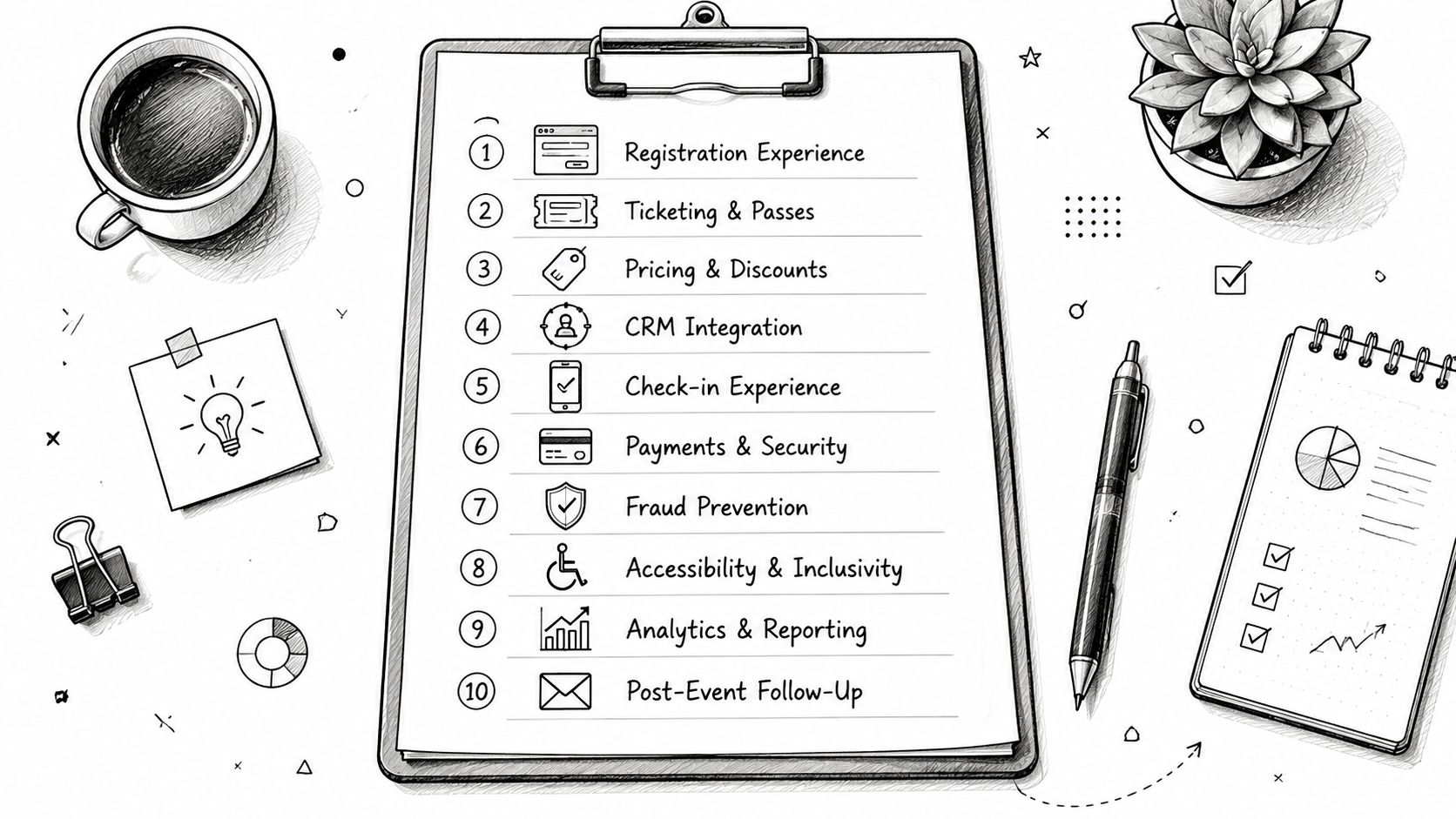
To bring it all together, let’s look at the entire lifecycle of selling tickets online. This table breaks down the core stages, from picking your tools to analyzing what worked after the event is over.
Each stage builds on the last, creating a comprehensive system that supports your event from conception to conclusion. Mastering this cycle is what separates a good event from a truly great one.
Think of your online ticketing platform as the digital front door to your event. It’s more than just a tool for collecting payments; it’s the very first interaction attendees have with you, setting the tone for the entire experience. For professional associations and enterprise communities, this first impression is critical. Your choice of platform directly reflects your brand’s commitment to quality and professionalism.
It's tempting to grab a simple, standalone ticketing widget, but that approach often backfires. When a member has to jump from your membership portal to a separate event registration page and then to another platform for community chats, you’re creating unnecessary friction. That disjointed experience is frustrating, and it’s a surefire way to see registration numbers drop off.
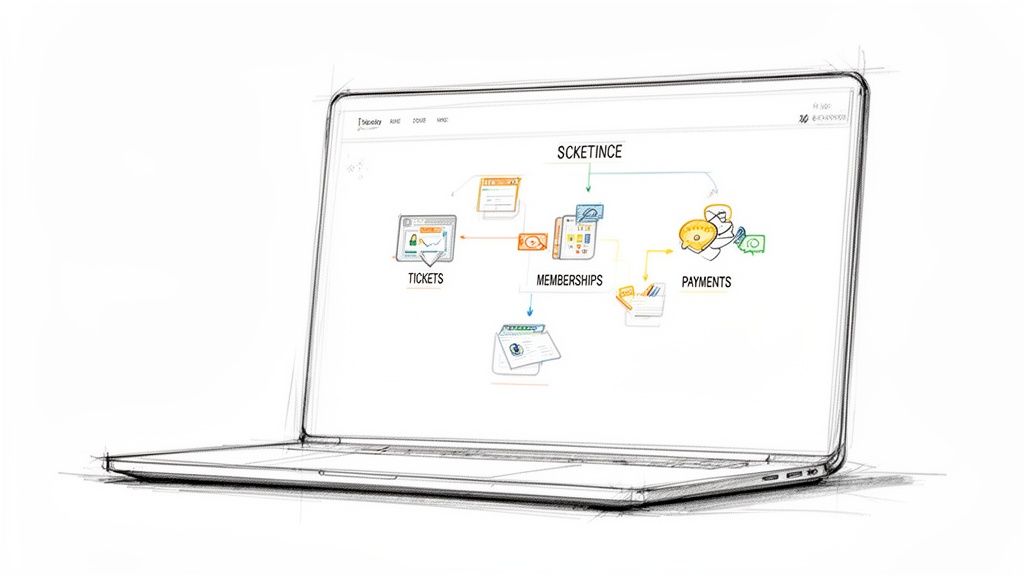
The real goal is to find a platform that feels like a true command center. An all-in-one system that seamlessly handles memberships, event sign-ups, and communications makes life easier for everyone. It gives you a single, reliable source for all your data and presents a polished, unified front to your members.
When you start comparing platforms, it's easy to get bogged down in feature lists. Just about every tool out there can process a credit card and send a confirmation email. The real difference lies in how these platforms work and what they empower you to do beyond the basics.
Take the registration form, for instance. Can you actually customize it to get the information you need? For a professional conference, "name and email" just doesn't cut it. You’ll likely need to capture much more, such as:
A platform that locks you into a few generic fields will seriously limit your ability to plan a thoughtful, tailored event.
Your ticketing platform should be a data-gathering tool, not just a transaction processor. Every custom field you add is an opportunity to better understand your audience and deliver an experience that feels intentionally designed for them.
To cut through the marketing noise, it helps to have a checklist. This keeps you focused on comparing platforms based on what truly matters for a professional organization. Don't settle for a generic tool; find one that fits your workflow. If you want to dive deeper, our guide on the best event ticketing platforms offers a detailed, side-by-side comparison.
Here’s a practical checklist to guide your decision-making process:
Picking the right platform is the first—and arguably most important—step in your strategy to sell event tickets online. It's an investment that pays for itself by creating a professional, easy-to-use experience that doesn't just drive sales, but also reinforces the credibility and value of your organization. Take the time to choose a tool that will grow with you, not one you’ll quickly outgrow.
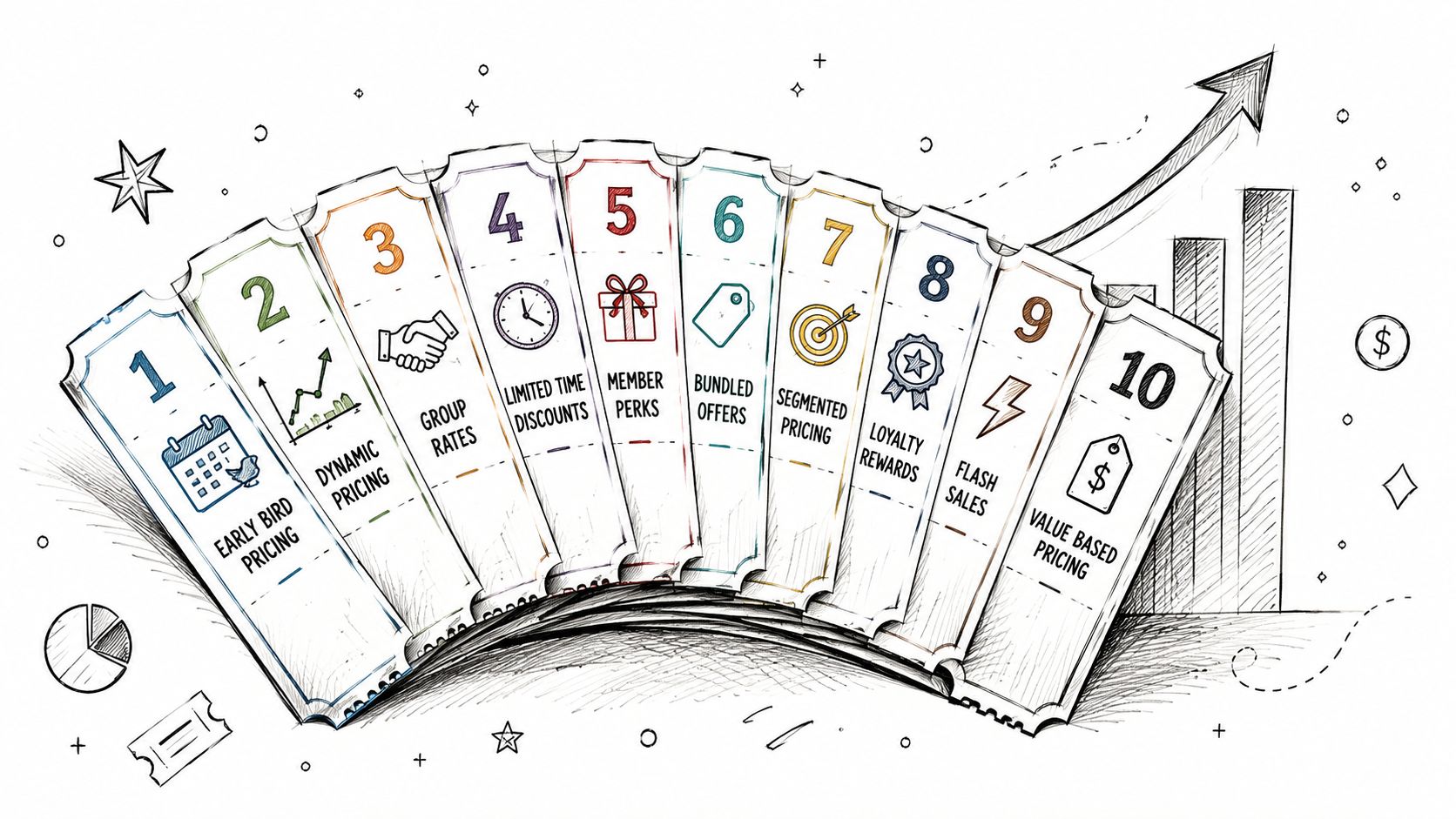
Let's be honest: a single ticket price for your event is leaving money on the table. It’s a missed opportunity. If you really want to boost revenue and serve everyone from students to senior executives, you need a smart, multi-tiered pricing structure. This isn't just about selling a ticket; it's about creating a value ladder that lets attendees pick the experience that fits their budget and goals.
Think about it. A young professional just starting out has a totally different budget than a C-suite executive from a major sponsor. When you offer different tiers, you avoid pricing out eager attendees while also capturing more revenue from those who are happy to pay for a premium experience.
This strategy also completely changes how people perceive your event. When they see options like "General Admission," "VIP Access," and an "All-Access Pass," it frames your gathering as a high-value, multi-faceted experience, not just a one-off conference.
One of the most reliable ways to sell event tickets online is by kicking things off with an early bird special. This is more than a simple discount—it’s a powerful psychological nudge. It creates urgency and rewards the people who are most excited about your event for committing early.
Those first sales are gold. They give you immediate cash flow for deposits and other upfront costs. Even better, they create social proof. When people see that tickets are already moving, it creates a fear of missing out (FOMO) and pushes them to buy before it's too late.
A great early bird campaign needs a firm deadline. Make sure you blast this across all your marketing channels with clear, urgent messaging like, "Prices go up in 48 hours!" You’ll almost always see a big sales spike right before the deadline hits.
If you’re running an event for a professional association, your ticketing is a perfect chance to show members some love. Offering a steep member-only discount is a must-do. It not only rewards them for their loyalty but also acts as a fantastic hook to get non-members to sign up.
Beyond member pricing, a well-designed VIP package can seriously increase your average ticket revenue. The secret is to build the VIP tier around exclusivity and real, tangible perks—not just a slightly better seat.
Think about what offers genuine value. Here are a few ideas that work:
The key is to sell an experience, not just a ticket. Focus on what creates a memorable moment or provides access that general admission attendees simply can't get.
Your registration form is so much more than a checkout page. It’s your first real chance to learn about who is coming to your event. With a good ticketing platform, you can customize your forms to gather data that will help you make the event itself so much better.
Don't just stop at name and email. Use that form to ask smart questions.
This data is a game-changer. When you understand what your attendees want before they even walk through the door, you can deliver an experience that feels like it was designed just for them. That’s how you get people to come back year after year.
So, you’ve got your ticketing page live and your pricing tiers sorted. Now for the real fun: getting people excited and, more importantly, getting them to buy tickets. Simply putting the page online and hoping for the best is a surefire way to have an empty room. To really sell event tickets online, you need a solid marketing playbook that builds a ton of hype.
This isn’t just about making an announcement. It's about crafting a story and creating a feeling that your event is the place to be.

Having an all-in-one dashboard helps you see what's working at a glance, so you can track where your sales are coming from and understand how attendees are engaging right from that first click.
Your most valuable marketing asset is the audience you already have. I’m talking about your members, past attendees, and anyone on your newsletter list. These people already know you and trust you.
Kick things off by giving them first dibs. A targeted email campaign with an exclusive early-bird window or a special discount does two powerful things:
But don't stop at one email. Think in terms of a sequence. Start with the big reveal, then follow up with speaker spotlights, share some behind-the-scenes content, and definitely send a "last chance" reminder before an early-bird price expires.
Content is how you tell your event's story and demonstrate its value well before the doors open. Instead of just spamming "buy now" messages, create content that answers the one question on everyone's mind: "Why should I go?"
Here are a few content ideas that I've seen work time and time again:
The goal of your content is to transform your event from a line item on a calendar into an unmissable experience. Each piece should build anticipation and make the value proposition crystal clear.
This is all about proactive promotion. For a deeper dive, our guide on how to promote an event is packed with more tactics.
Let's be honest—people are natural procrastinators. A firm deadline or a little fear of missing out (FOMO) is often the nudge they need to finally click "buy." You can build this urgency in an ethical and effective way.
Be very clear about your early-bird deadlines. Use countdown timers on your website and in your emails. A simple message like "Prices increase in 48 hours!" almost always creates a sales spike. For limited-capacity workshops or VIP packages, showing a live "tickets remaining" counter can highlight their exclusivity and get people to act fast.
The speed of online sales can be mind-boggling. Think about it: mega-events like Tomorrowland have sold 200,000 tickets in 18 minutes, and Glastonbury moved 210,000 in just 35 minutes. This is why your online system has to be rock-solid and ready for a rush.
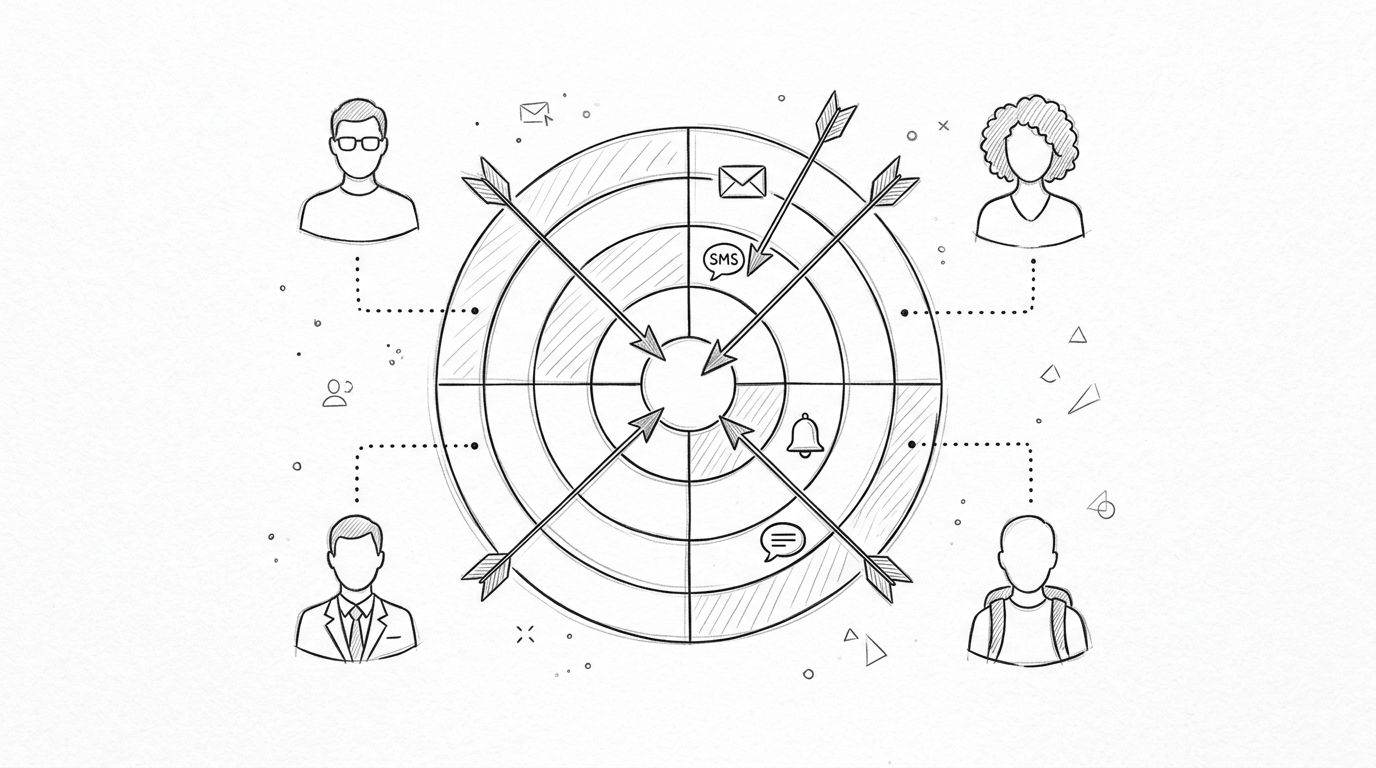
Organic marketing is fantastic for engaging your core community, but paid ads are your ticket to reaching entirely new audiences. Platforms like LinkedIn and Facebook are goldmines for this, letting you target users with laser precision based on job titles, interests, company size, and more.
For a professional association, my money is almost always on LinkedIn. You can run ads targeting people in specific industries or with certain job titles who are the perfect fit for your event.
Try creating a short, dynamic video ad with highlights from a previous event, or use a clean, sharp graphic with a direct call-to-action that sends them straight to your ticketing page. The secret here is to test everything—different ad copy, visuals, and audience segments—to see what gives you the best bang for your buck.
All your hard work selling event tickets online comes down to this: the on-site experience. The real test of your event's success begins the moment an attendee walks through the door. A long, confusing check-in line is one of the fastest ways to kill the excitement you've built.
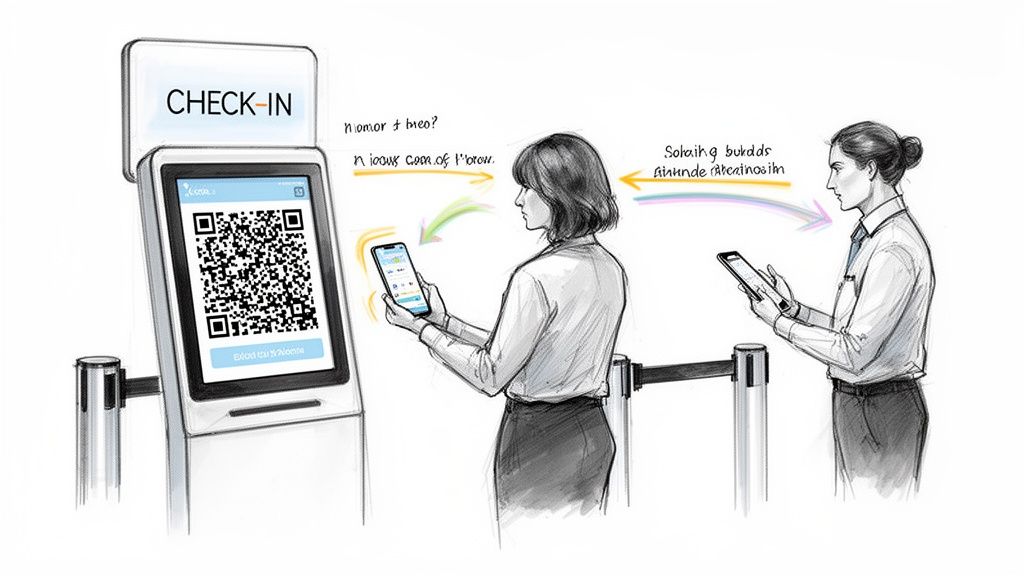
Your goal is to make arrival feel less like an administrative chore and more like the beginning of an amazing experience. This is where modern event platforms completely change the game. Instead of staff fumbling with spreadsheets and printed lists, they can scan a unique QR code straight from an attendee's phone. One quick scan verifies their ticket, marks them as present, and can even print their name badge on the spot.
This isn't just about moving people through a line faster; it's about having powerful data at your fingertips. An integrated system gives you a real-time dashboard of who's arrived. You can see precisely who has checked in, monitor session capacity, and identify no-shows instantly. This live data is pure gold for making smart, on-the-fly adjustments throughout the day.
A solid digital check-in system is the heart of a modern event. You can eliminate bottlenecks by setting up multiple check-in points—all you need are a few team members with tablets or smartphones running your event app.
And what about walk-ins? A good platform makes last-minute registrations a breeze. A staff member can process a credit card, enter the new attendee's details, and issue them a digital ticket with a QR code in just a few seconds. Most importantly, their data flows into the same system as your pre-registered guests, giving you one clean source for all your post-event analytics.
To really nail the arrival process, think about adding these touches:
The check-in process sets the tone for everything that follows. A fast, friendly, and tech-powered welcome reinforces the professionalism of your event and immediately puts attendees in a positive frame of mind.
Once everyone's inside, your event platform should keep working for you. Push notifications are a fantastic tool for keeping attendees in the loop. You can instantly alert them to a last-minute schedule change, send a reminder about an upcoming keynote, or highlight a networking opportunity with a quick message.
This kind of communication ensures the polished, professional feel that started with your online ticket sales carries through the entire event. By connecting your digital strategy with your on-site execution, you create a truly cohesive and memorable journey for every attendee. If you want to dive deeper, our guide on event check-in software has more specific strategies.
Ultimately, a seamless on-site experience proves the value of your event long before the first speaker ever takes the stage. It shows a level of care and organization that makes people feel valued and genuinely excited for what’s to come.
When the last attendee leaves and the lights dim, your most important work is just beginning. Honestly, the success of your next event is hidden in the data from the one you just finished. This is where you move beyond just selling tickets online and start building a repeatable, data-driven engine for growth.
Transforming raw numbers into real insights is what separates the good event planners from the great ones. The data you've collected is a goldmine, telling you a story about what actually worked, who your audience really is, and where you can get better. Skipping this step is like running a race and never looking at your time—you'll just be guessing how to get faster.
Your ticketing platform's analytics dashboard should be your first stop. This is where you get the hard numbers that paint a clear picture of your sales performance. Don't just glance at the total revenue; you have to dig into the details.
Look for patterns in your ticket sales velocity. Did you see a huge spike after a specific email campaign went out, or right as the early-bird deadline loomed? That tells you exactly which marketing triggers are hitting the mark.
It’s also crucial to examine how your ticket tiers performed. Start asking some pointed questions:
This data directly shapes your pricing and promotion strategy for the next event. If VIP tickets were gone in a flash, you might consider adding more next year or bumping up the price. If a particular discount code drove a ton of sales, you know that marketing channel has a high ROI.
Beyond the sales figures, the registration data you collected gives you a rich profile of your attendees. This is where those custom fields you added to your forms become incredibly valuable. You can start to build a detailed picture of who is actually showing up.
Analyze the data to understand the professional breakdown of your audience. What were the most common job titles or industries represented? This information is pure gold for tailoring future content and, just as importantly, for attracting relevant sponsors who want to get in front of that specific crowd.
Your registration data isn't just for printing name badges. It's a strategic asset that helps you understand your community on a deeper level, allowing you to create more relevant and impactful experiences year after year.
This kind of deep understanding is essential. The global online event ticketing market, which hit USD 53.43 billion in 2025, is projected to soar to USD 69.25 billion by 2029. According to data from Statista, this growth is fueled by attendees who expect personalized, seamless online experiences.
While data tells you what happened, only direct feedback can tell you why. A post-event survey isn't optional—it's a non-negotiable step in your analysis. Keep it short, focused, and get it out the door within 24 hours of the event's conclusion while the experience is still fresh in everyone's minds.
Focus your questions on a few key areas:
When you combine this qualitative feedback with your hard sales data, you get a complete 360-degree view. It closes the loop on your event cycle, turning this year's performance into next year's guaranteed success.
When you're setting up online ticket sales, a few questions always seem to pop up. Getting these details right from the start can save you a lot of headaches and make the entire process smoother for both you and your attendees. Let's tackle some of the most common ones I hear from event planners.
You've really got two choices here: eat the cost or pass it along to the buyer.
Passing the fee on is incredibly common—attendees are used to seeing it. It keeps your accounting clean and transparent. On the other hand, absorbing the fee into the ticket price makes the final number look a little cleaner and might give you a slight edge in conversions.
For a high-end corporate conference or a members-only event, absorbing the fee can feel like a premium touch. A solid ticketing platform should give you the flexibility to decide which approach works best for your event and your audience.
This one really depends on the size and scope of your event.
If you're planning a large annual conference, you'll want to open up ticket sales 6-9 months in advance. This gives you plenty of runway to build momentum, especially with a compelling early-bird discount. For smaller, more intimate events like a local workshop or a community meetup, 2-3 months is usually the sweet spot.
The key takeaway here is to sync your ticket launch with your big marketing push. You want them to hit at the exact same time to create that initial wave of excitement and keep the buzz going.
Thankfully, modern ticketing platforms have made this much easier to handle. The single most effective tool in your arsenal is the unique QR code. Each ticket gets one, and it can only be scanned for entry a single time. Simple, effective, and it immediately shuts down duplicates.
For events where security is a top priority, you can take it a step further by requiring the name on the ticket to match a photo ID at check-in. If your ticketing is tied directly into a membership platform like GroupOS, you've got an even stronger layer of verification since the ticket is linked to a specific member profile, making fraud nearly impossible.
Ready to manage your community, events, and ticket sales all in one place? With GroupOS, you can create dynamic ticketing tiers, streamline check-ins with QR codes, and access powerful analytics to make every event a success. See how our all-in-one platform can help you grow by visiting https://groupos.com.