December 11, 2025

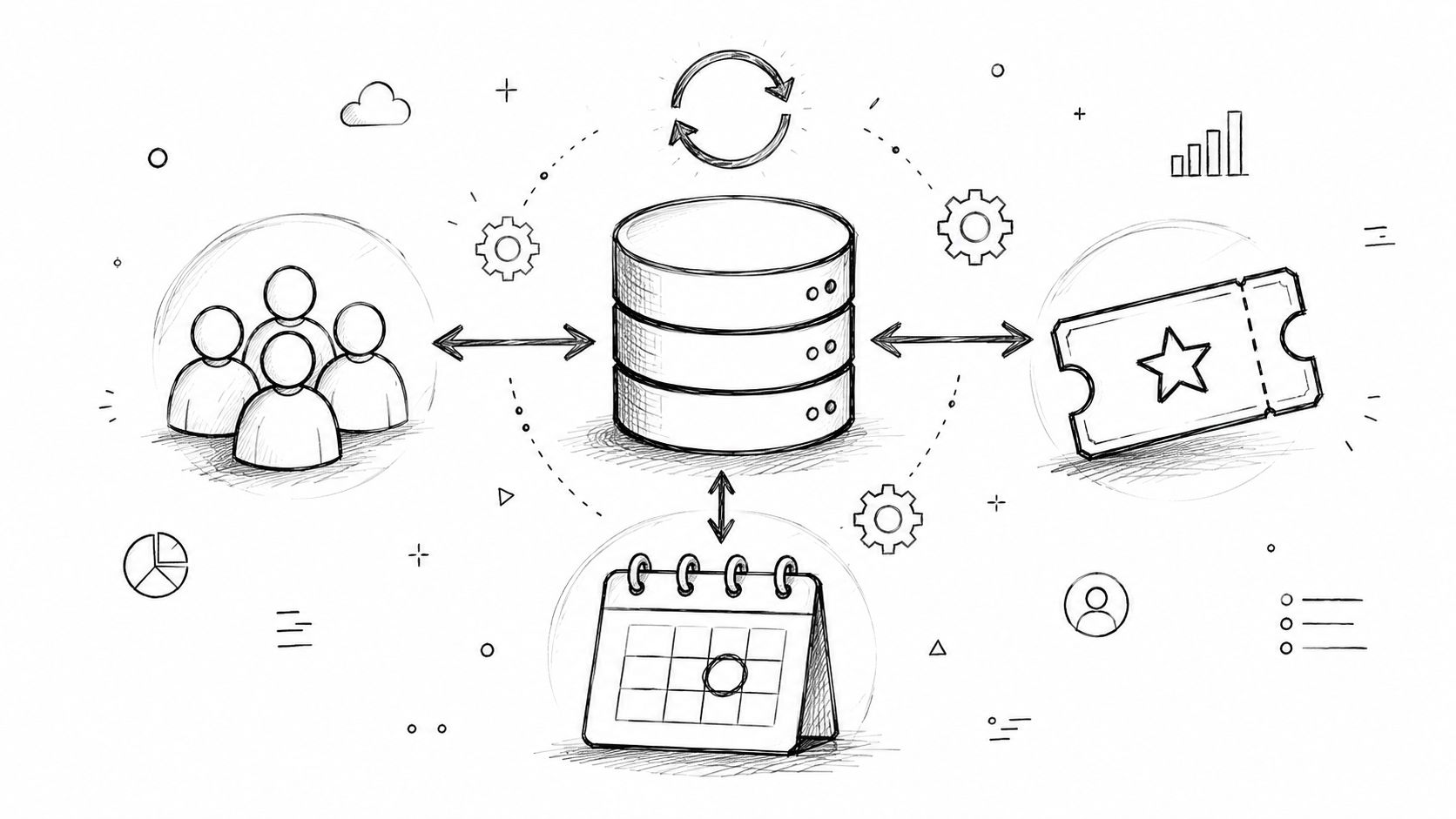
Selecting the right event ticketing platform is more than a logistical choice; it's the strategic foundation for your event's success. This central system handles everything from the first registration to post-event analytics, directly impacting attendee experience, revenue generation, and your team's operational efficiency. For professional associations, conference organizers, and membership groups, this "command center" is critical for managing complex registration tiers, integrating with member databases, and providing a seamless brand experience. A misstep here can lead to lost sales, frustrated attendees, and administrative headaches.
This guide cuts through the noise to provide a detailed analysis of the best event ticketing platforms available today. We move beyond surface-level feature lists to offer a comprehensive resource designed for serious event organizers. You will find an honest assessment of each platform's strengths and limitations, ideal use cases, and practical implementation considerations. Whether you're organizing a large-scale industry conference, a member-exclusive workshop, or a multi-day trade show with complex exhibitor needs, this article will help you identify the perfect fit.
We will evaluate twelve leading solutions, comparing them on crucial factors like pricing structures, feature sets, integration capabilities, and scalability. Each review includes screenshots and direct links to help you explore further. For organizers of fundraising galas or charity runs, the selection criteria often have unique nuances; for specialized guidance in that area, we recommend exploring resources on choosing nonprofit event management software to ensure your platform aligns with fundraising goals. Let's dive into the platforms that can elevate your event from good to unforgettable.
Best All-in-One Community & Event Management Platform
GroupOS distinguishes itself by moving beyond simple ticket sales to offer a comprehensive, branded ecosystem for professional associations and membership-driven organizations. It’s a powerful choice for event organizers who want to consolidate their tech stack, replacing the typical sprawl of disparate tools for ticketing, member communication, content hosting, and sponsor management with a single, unified platform. This integrated approach makes it one of the best event ticketing platforms for groups that prioritize year-round community engagement over one-off event transactions.
The platform's strength lies in its ability to centralize core functions within your own white-labeled iOS, Android, and web applications. This creates a seamless, branded experience for members, from event registration to post-event networking.

GroupOS excels with features designed specifically for professional networks. Its ticketing system is dynamic, allowing for custom registration forms, tiered pricing, and instant upsells for VIP upgrades or exclusive workshops directly at checkout. For a deeper dive into how such systems operate, you can learn more about ticketing systems on GroupOS's blog. This functionality is complemented by robust tools for sponsor monetization, including dedicated exhibitor profiles, rotating banner ads, and in-app product showcases that deliver measurable ROI.
The platform also functions as a central content hub. Organizers can host courses, share documents, and provide on-demand video, all while tracking user engagement to inform future programming. This data-driven approach, combined with native chat channels and member analytics, helps surface valuable connections and prove member value long after an event concludes.
GroupOS is ideal for organizations managing recurring events or membership programs that require deep integration between ticketing and community engagement. Its ability to import members and connect with over 350 SaaS tools ensures a smooth migration from existing systems. For example, a professional association can use GroupOS to sell annual conference tickets, manage year-round member subscriptions, host certification courses, and facilitate ongoing discussions within a single branded app.
While GroupOS does not list public pricing, it offers custom setup and a free trial to prospective users. This requires a direct conversation or demo to determine the cost and ROI for your specific needs, which is common for enterprise-level solutions.
Pros:
Cons:
Ticketmaster is an industry behemoth, operating as the largest primary ticketing marketplace in the United States. Its core strength lies in its exclusive partnerships with major venues, sports leagues, and world-renowned artists, making it the go-to platform for high-demand concerts, sporting events, and theater productions.
This platform is best suited for large-scale public event organizers who need to reach a massive consumer audience and leverage an established, robust sales infrastructure. Its primary advantage is its unparalleled market penetration and brand recognition.
While a powerful sales channel, Ticketmaster's model is less suited for professional associations or corporate conferences needing deep member data integration, customizable registration flows, or lead generation tools. The platform is built for high-volume public ticket sales, not nuanced community or B2B event management.
Key Takeaway: For event organizers with access to its network, Ticketmaster offers the widest possible reach for public-facing events, though its fee structure and ongoing antitrust scrutiny are significant considerations.
Website: https://www.ticketmaster.com
Eventbrite is a ubiquitous self-service ticketing platform known for its user-friendly interface and broad accessibility. It empowers organizers of all sizes, from local meetups to mid-sized festivals, to quickly create, promote, and manage ticket sales for their events. Its core strength is its low barrier to entry and strong consumer-facing brand, which drives event discovery.
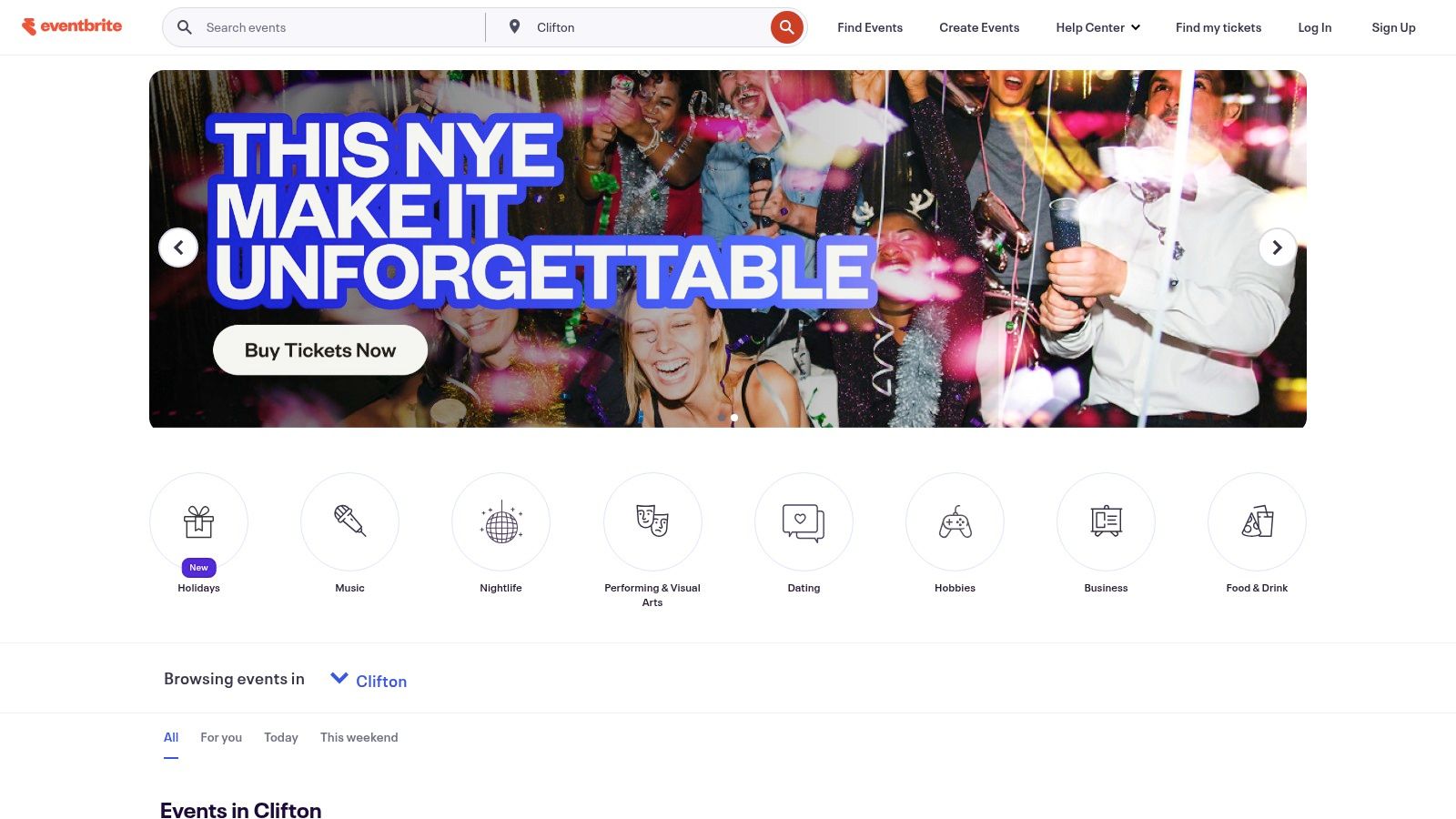
This platform is ideal for small to mid-size public events, community gatherings, workshops, and fundraisers where rapid setup and broad promotion are key. Organizers benefit from its established marketplace, where consumers actively search for local happenings, making it one of the best event ticketing platforms for organic reach.
While excellent for general admission events, Eventbrite’s one-size-fits-all model is less suitable for professional associations needing sophisticated member-only pricing tiers, deep CRM integration, or complex registration logic. For more in-depth comparisons, you can explore other options in event registration software. The platform is built for transactional ticket sales rather than nuanced community engagement.
Key Takeaway: Eventbrite offers unparalleled ease of use and discoverability for public-facing events, making it a go-to for organizers who prioritize speed and reach over deep customization.
Website: https://www.eventbrite.com
SeatGeek has emerged as a major ticket marketplace known for its user-friendly mobile experience and transparent pricing model. It consolidates both primary and resale tickets for sports, concerts, and theater events, providing a comprehensive search platform for consumers looking for the best value.
The platform is an excellent choice for event organizers, particularly sports teams and mid-sized venues, who want to tap into a tech-savvy consumer base that values a clean interface and price transparency. Its strength lies in its mobile-first design and its unique Deal Score technology, which helps buyers quickly identify the best deals available.
While SeatGeek provides a fantastic consumer-facing experience, it is not designed for the complex needs of professional associations or B2B conferences. It lacks features for membership validation, detailed registration data collection, session management, or lead retrieval, making it unsuitable for events focused on community building and professional development.
Key Takeaway: SeatGeek excels as a modern, consumer-focused marketplace with a strong mobile presence, making it a powerful sales channel for public entertainment events that prioritize user experience and transparent pricing.
Website: https://seatgeek.com
StubHub is one of the world's largest secondary ticket marketplaces, specializing in the fan-to-fan resale of tickets for live events. Its primary function is not for initial ticket sales by organizers, but rather as a platform where ticket holders can sell their tickets to other buyers, often for events that are sold out or in high demand.
This platform is not for event organizers to sell their initial inventory, but rather for attendees and professional resellers. It serves as a vital secondary market for consumers seeking access to popular concerts, sports games, and theater shows that are otherwise unavailable through primary channels.
StubHub's model is entirely consumer-focused and does not offer tools for professional event management, such as registration forms, member data integration, or marketing analytics. It is a marketplace for ticket liquidity, not an end-to-end event management solution, making it a poor fit for organizers seeking one of the best event ticketing platforms for their own sales.
Key Takeaway: StubHub is a leader in the secondary market, providing a protected environment for fans to buy and sell tickets, but it is not a primary ticketing platform for event organizers.
Website: https://www.stubhub.com
AXS operates as a major primary ticketing platform, rivaling Ticketmaster in many key markets for exclusive venue, sports team, and artist partnerships. Its core differentiator is the seamless integration of primary and verified resale tickets onto a single, unified seat map, offering buyers a transparent comparison of all available inventory for an event.
AXS is best suited for large public entertainment events, such as concerts and sports, where both primary sales and a controlled secondary market are critical. The platform’s strength lies in its user-friendly interface that simplifies the ticket buying experience by presenting all options, including resale, in one place.
While a strong competitor in the public event space, AXS shares many of the same limitations as Ticketmaster for B2B or association events. Its focus is on high-volume, transactional ticket sales rather than providing tools for community engagement, detailed attendee data collection, or complex registration logic for professional conferences.
Key Takeaway: AXS provides a superior, more transparent ticket-buying experience for the public, making it one of the best event ticketing platforms for large venues that need a robust primary and secondary market solution.
Website: https://www.axs.com
Ticket Tailor is a self-service ticketing tool that champions a simple, flat-fee pricing model, making it a favorite among independent organizers, small venues, and attractions. Its core value proposition is removing percentage-based per-ticket fees, instead offering pay-as-you-go credits or monthly subscriptions, which provides predictable and low overhead costs.
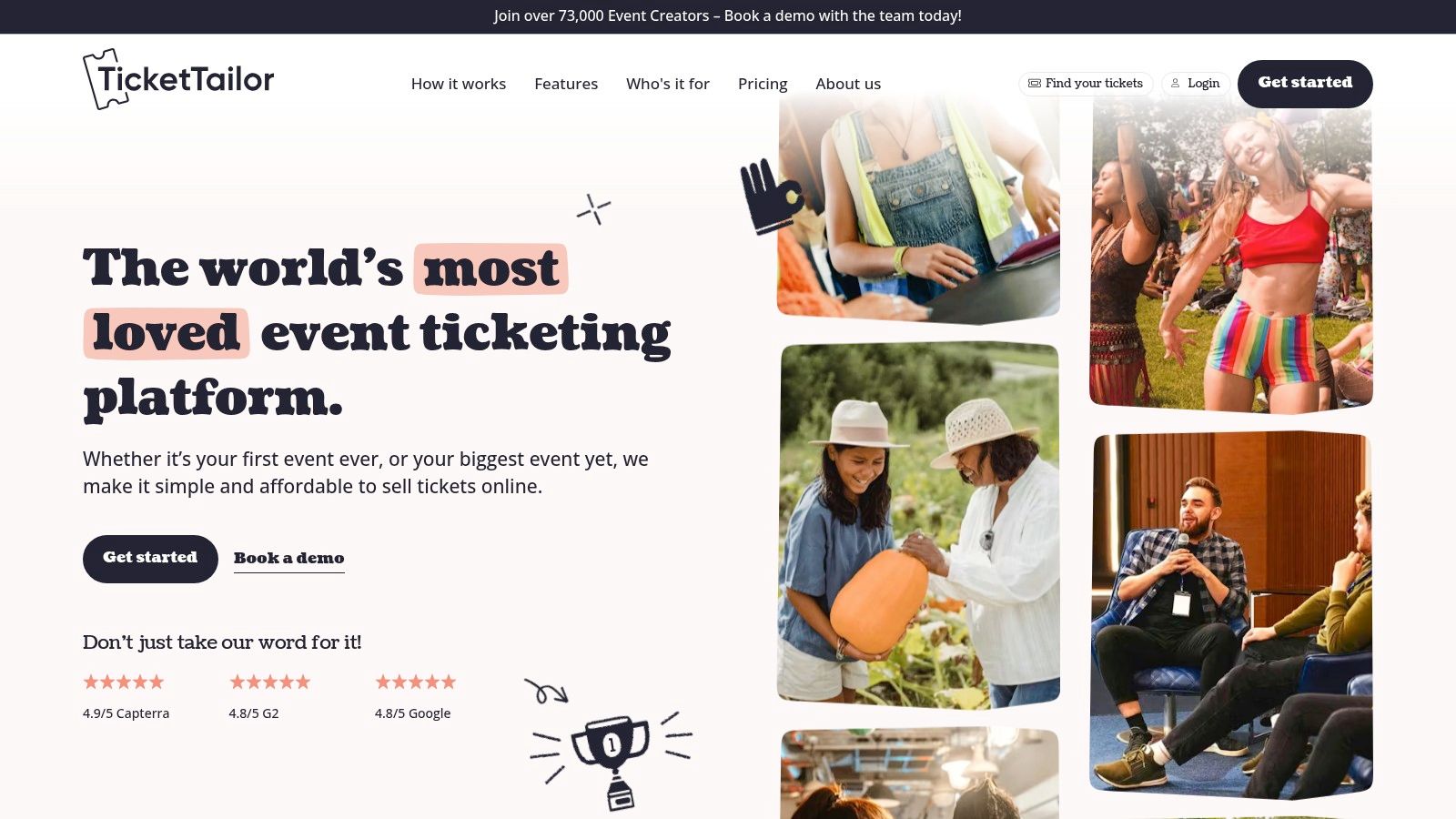
This platform is best suited for budget-conscious event organizers who prioritize branding control and cost transparency over an all-in-one event management suite. It excels for events where ticket volume is moderate and the primary need is a reliable, white-labeled sales portal.
Ticket Tailor is less ideal for complex professional conferences needing integrated member databases, advanced analytics, or sophisticated exhibitor management tools. The responsibility for managing payment gateway relationships and payouts also falls directly on the organizer.
Key Takeaway: For organizers who want maximum control over branding and costs without sacrificing core ticketing functionality, Ticket Tailor is one of the most straightforward and affordable options available.
Website: https://www.tickettailor.com
Eventzilla is a flexible ticketing and registration platform designed for in-person, hybrid, and virtual events. It caters well to conferences, workshops, and community gatherings by combining core ticketing with essential event management tools like agenda building, speaker profiles, and exhibitor management.
This platform is best suited for small to mid-sized businesses and associations that require a comprehensive yet straightforward solution for managing multi-faceted events. Its strength lies in offering conference-specific features within a scalable, pay-as-you-go pricing model, making it an accessible option among the best event ticketing platforms.
While Eventzilla provides a robust feature set, its model separates platform fees from payment processing fees. Organizers should also note that advanced features like mobile apps and lead retrieval are often available as paid add-ons, which can increase the total cost for more complex events.
Key Takeaway: Eventzilla is a strong contender for organizers who need more than just ticketing, offering built-in tools for conference and session management without the enterprise-level price tag.
Website: https://www.eventzilla.net
Universe is a self-service ticketing platform owned by Ticketmaster, designed for simplicity and flexibility. Its core appeal is for organizers of attractions, tours, or general admission events who need a fast, embeddable checkout solution. The platform bridges the gap between simple DIY ticketing and major marketplace distribution.
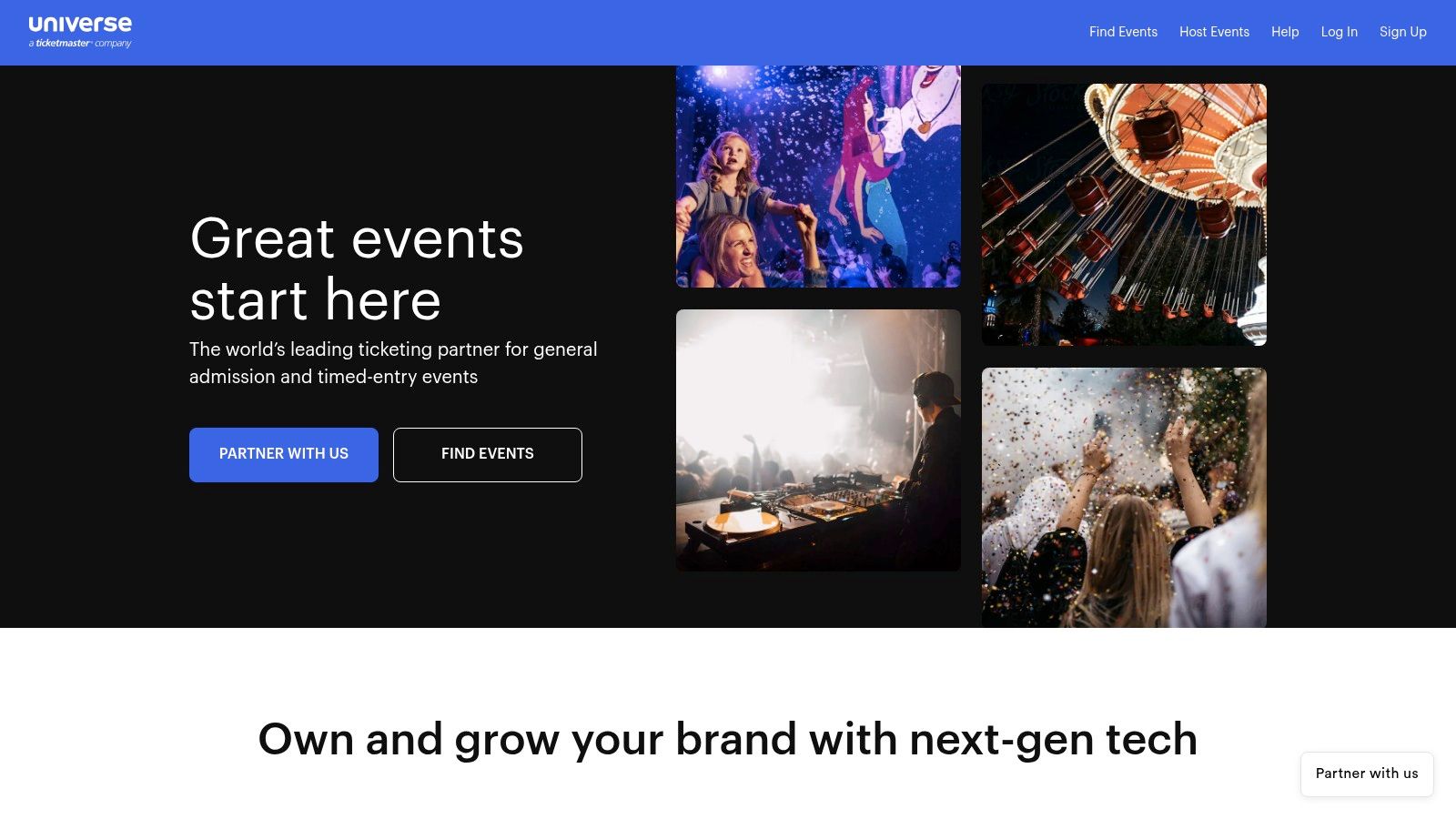
Universe is best suited for businesses running timed-entry events, workshops, or festivals that want to sell directly from their own website or social media channels. The optional upgrade to Universe Pro provides a unique pathway to list events on Ticketmaster, combining self-service convenience with unparalleled market reach.
While its self-service model is great for straightforward events, it lacks the deep community management and member-data integration tools needed by professional associations. Its primary focus is on the transactional aspect of ticketing, not on building an integrated event ecosystem for a member-based organization.
Key Takeaway: Universe offers a powerful, user-friendly solution for direct-to-consumer ticket sales, with the unique advantage of potential access to Ticketmaster's massive audience through its Pro offering.
Website: https://www.universe.com
Tixr is a modern ticketing platform focused on creating a unified commerce experience for live events, particularly well-suited for festivals, music venues, and attractions. Its core innovation is moving beyond the ticket sale to integrate merchandise, parking, food and beverage, and other add-ons into a single, streamlined checkout process.
This platform is best for event organizers who want to maximize revenue per attendee by bundling and upselling various products alongside tickets. Tixr’s approach transforms the ticket purchase from a simple transaction into a comprehensive commerce opportunity, engaging fans from the moment they buy.
While powerful for fan-facing events, Tixr's primary focus on public entertainment commerce makes it less ideal for professional associations needing complex member data integration or B2B-centric registration flows. The platform is optimized for monetizing fan experiences, not for managing nuanced professional community engagement.
Key Takeaway: Tixr excels at helping organizers sell more than just a ticket, making it one of the best event ticketing platforms for revenue diversification at public-facing events like festivals and concerts.
Website: https://www.tixr.com
DICE is a mobile-first ticketing platform that has carved out a niche in live music and nightlife by prioritizing a fan-centric experience. Its core philosophy revolves around eliminating ticket scalping and making the process of buying, using, and reselling tickets transparent and fair for actual fans, a standout feature among event ticketing platforms.
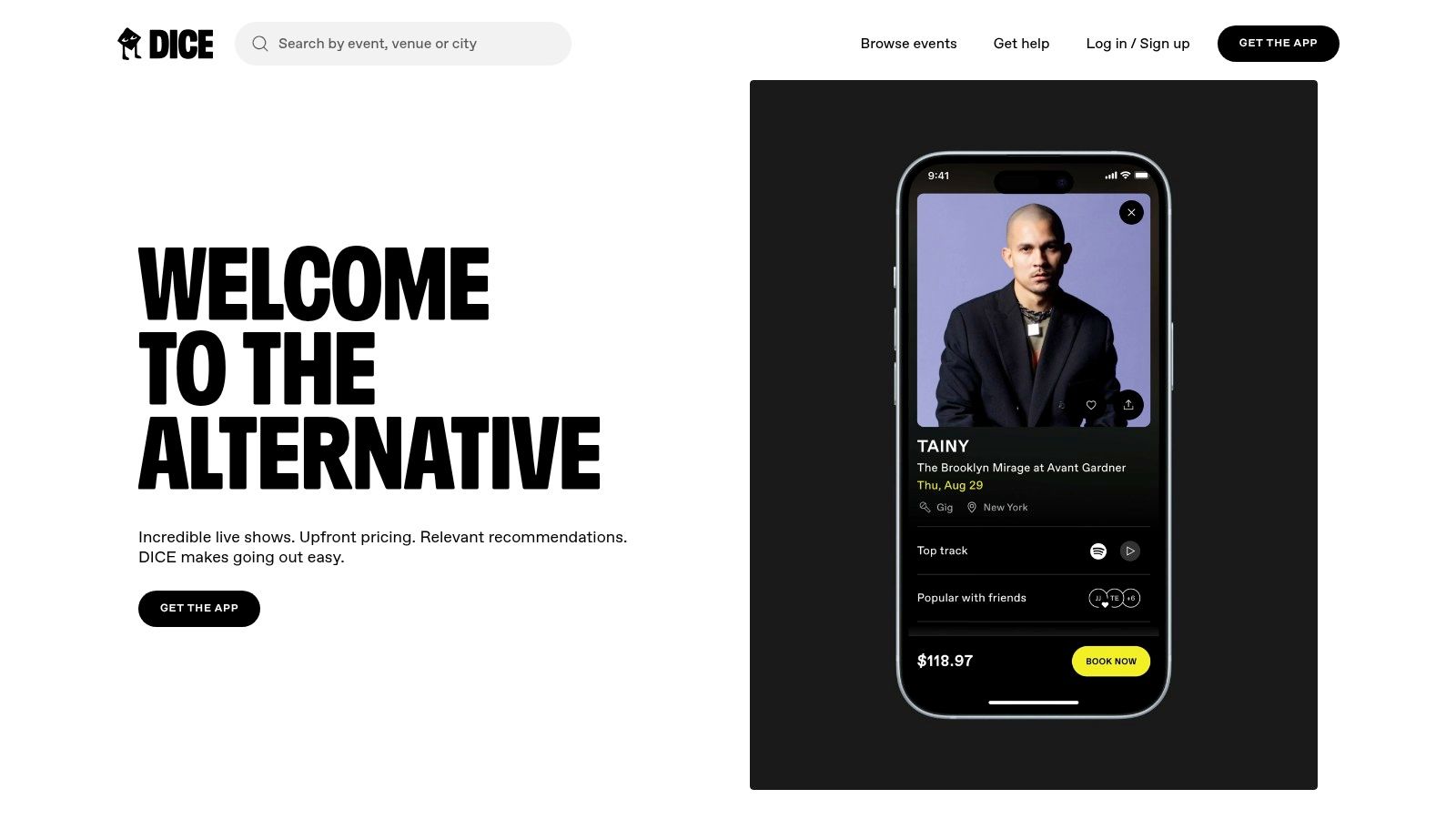
This platform is best for independent music promoters, venues, and festival organizers who want to protect their fans from the secondary market and cultivate a loyal audience through a sleek, mobile-first interface. Its strength is in its anti-scalping technology and curated event discovery engine, which connects fans with new artists.
DICE’s model is highly specialized for public-facing, ticketed entertainment. It lacks the complex registration forms, session management tools, and member data integrations required for professional conferences, trade shows, or corporate events. Its restrictive transfer policies, while great for anti-fraud, limit flexibility for group or corporate ticket buyers.
Key Takeaway: DICE offers an exceptional, secure experience for fans of music and culture, making it a powerful tool for promoters focused on building community and fighting scalpers, but it is not built for the B2B or professional association event space.
Website: https://dice.fm
TicketSpice is a U.S.-focused ticketing platform built for organizers who prioritize cost control and transparent pricing. Its primary appeal is its simple, low per-ticket fee structure, giving event hosts the power to absorb costs or pass them directly to attendees, making it a favorite for festivals, attractions, and timed-entry events.
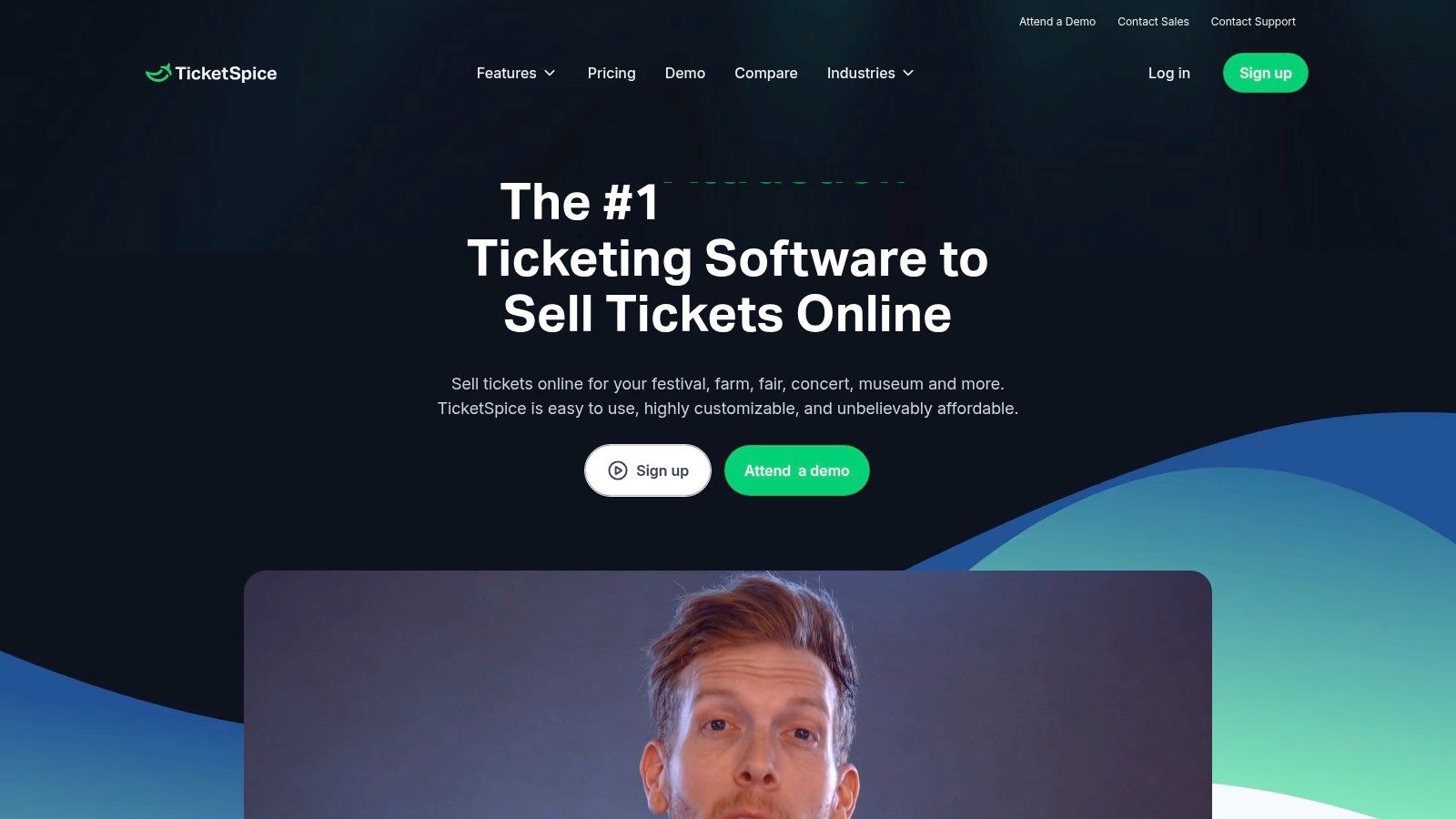
This platform is best for event creators who need robust on-site sales tools and want maximum control over their branding and fee structure without a hefty price tag. Its straightforward model is ideal for organizers managing everything from haunted houses to food festivals who need to keep overhead low.
While exceptional for its pricing and on-site tools, TicketSpice is less focused on complex membership integrations or the deep analytics required by professional associations for year-round engagement. Its strength lies in transactional efficiency for public-facing events rather than holistic community management.
Key Takeaway: TicketSpice is one of the best event ticketing platforms for cost-conscious organizers who need powerful, white-labeled ticketing and on-site sales capabilities with direct control over fees.
Website: https://www.ticketspice.com
Navigating the landscape of the best event ticketing platforms can feel overwhelming. We've explored a wide spectrum of solutions, from the consumer-focused marketplaces of Ticketmaster and StubHub to the indie-friendly models of Ticket Tailor and DICE. Each platform offers a unique set of tools, pricing structures, and audience-building capabilities, underscoring a critical truth: the "best" platform is not a one-size-fits-all answer. Your ideal choice depends entirely on your specific organizational goals, event type, and long-term community strategy.
The core takeaway is to shift your perspective. An event ticketing platform should be more than a simple transaction processor; it should be a central component of your growth engine. For professional associations and membership-based organizations, this means looking beyond basic ticket sales and focusing on platforms that integrate seamlessly with your existing member management systems, provide robust data analytics, and facilitate deeper engagement before, during, and after the event.
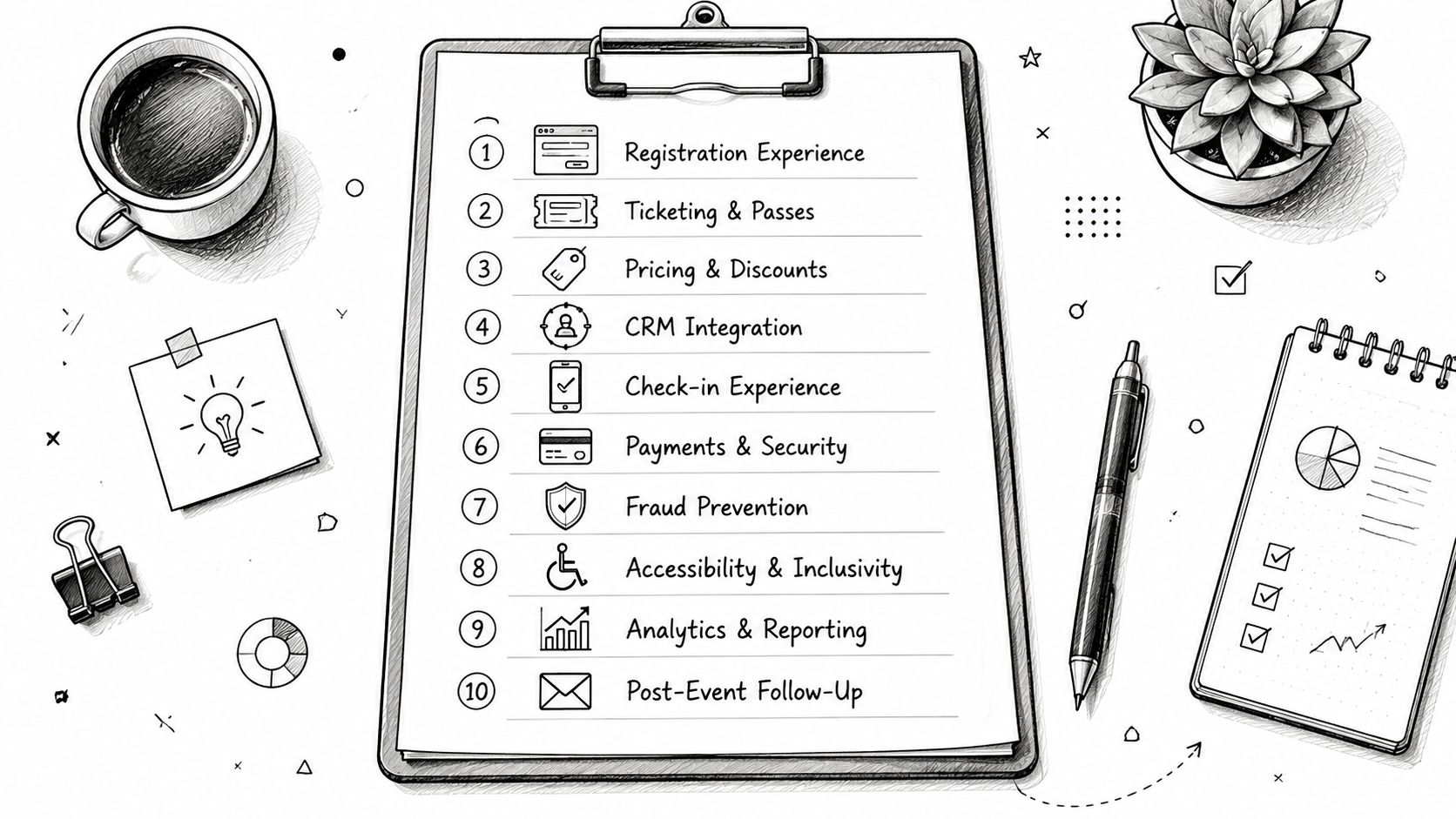
As you weigh your options, revisit these crucial factors to ensure your final decision aligns with your strategic objectives:
Making an informed decision requires a hands-on approach. Don't rely solely on marketing materials or feature lists.
Ultimately, choosing the right ticketing platform is a strategic investment in your organization's future. The data you collect is invaluable. To truly transform your ticketing tool into a growth engine, it's essential to understand how to measure event success effectively, using data-driven insights to refine your strategies. By selecting a platform that provides deep analytics and empowers you to build lasting relationships, you’re not just selling tickets; you are cultivating a thriving, engaged community.
Ready to transform your event strategy with a platform built for community growth? GroupOS integrates ticketing, member engagement, and powerful analytics into a single, unified system designed specifically for professional associations and event organizers. Discover how you can stop just selling tickets and start building your legacy by exploring GroupOS today.