February 12, 2026

Before you write a single line of code or choose a platform, the success of your membership website hinges on one thing: a rock-solid plan. This isn't just about features; it's about deeply understanding who you're serving, what unique value you offer, and how you'll deliver it.
A thriving membership website is far more than a collection of pages behind a login. It's a living ecosystem built for a specific audience. I've seen too many organizations jump straight to the tech, only to build features nobody uses or struggle to explain why someone should pay to join.
Skipping this foundational work is a recipe for wasted time and money. When you get the planning right, every decision—from your content strategy to your technology stack—aligns with a clear purpose: solving a real problem for your members. You'll find it much easier to build a membership website that resonates when you start with a strong blueprint.
This initial process really comes down to three core stages: defining your purpose, structuring what you'll offer, and architecting the member experience.
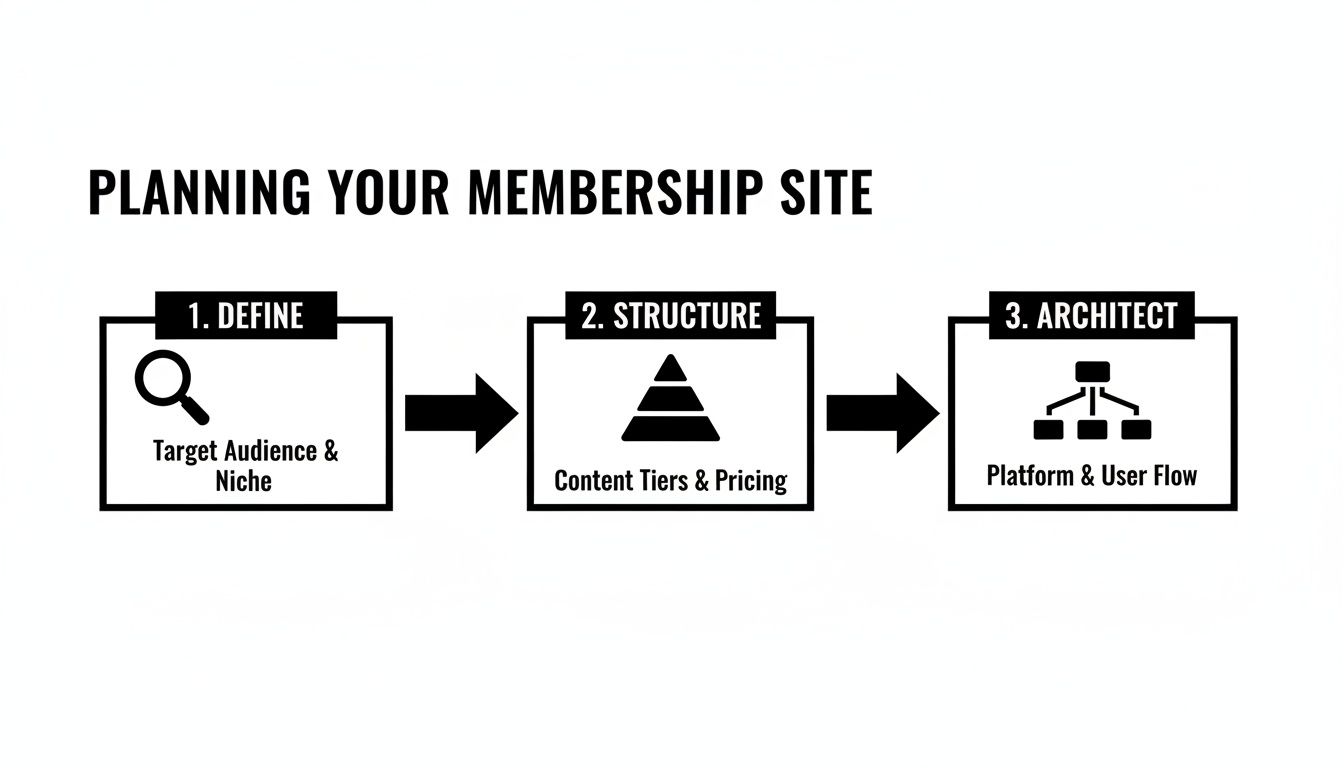
Thinking through these steps in order prevents backtracking and ensures the final product is both powerful and a pleasure to use.
First things first: what unique problem do you solve? Your value proposition is the promise you make to every potential member. It needs to be specific, compelling, and something they can't easily find for free. Are you offering exclusive industry data, a powerful peer network, or expert-led training they can't get anywhere else?
For example, a professional association for digital marketers might build its value proposition around:
This combination creates a powerful, tangible incentive to join. It’s a huge leap from generic promises to concrete outcomes. To get a better handle on the fundamentals, you can explore this detailed guide on https://groupos.com/blog/what-is-membership-site and the value it can provide.
With your value proposition nailed down, it's time to map out the ideal member's journey. What’s the very first thing they should see and do after logging in? How do they find a specific document, connect with another member, or sign up for an event?
This exercise is incredibly revealing. It naturally highlights the absolute essential features your site needs to deliver on its promise.
A common trap I see organizations fall into is "feature-stuffing"—adding every possible tool without a clear purpose. Focus only on the core functions that directly deliver your value proposition. Everything else is a distraction at this stage.
Thinking from your member’s perspective helps you build an intuitive information architecture. When members can easily find the value they are paying for without a steep learning curve, engagement and retention skyrocket.
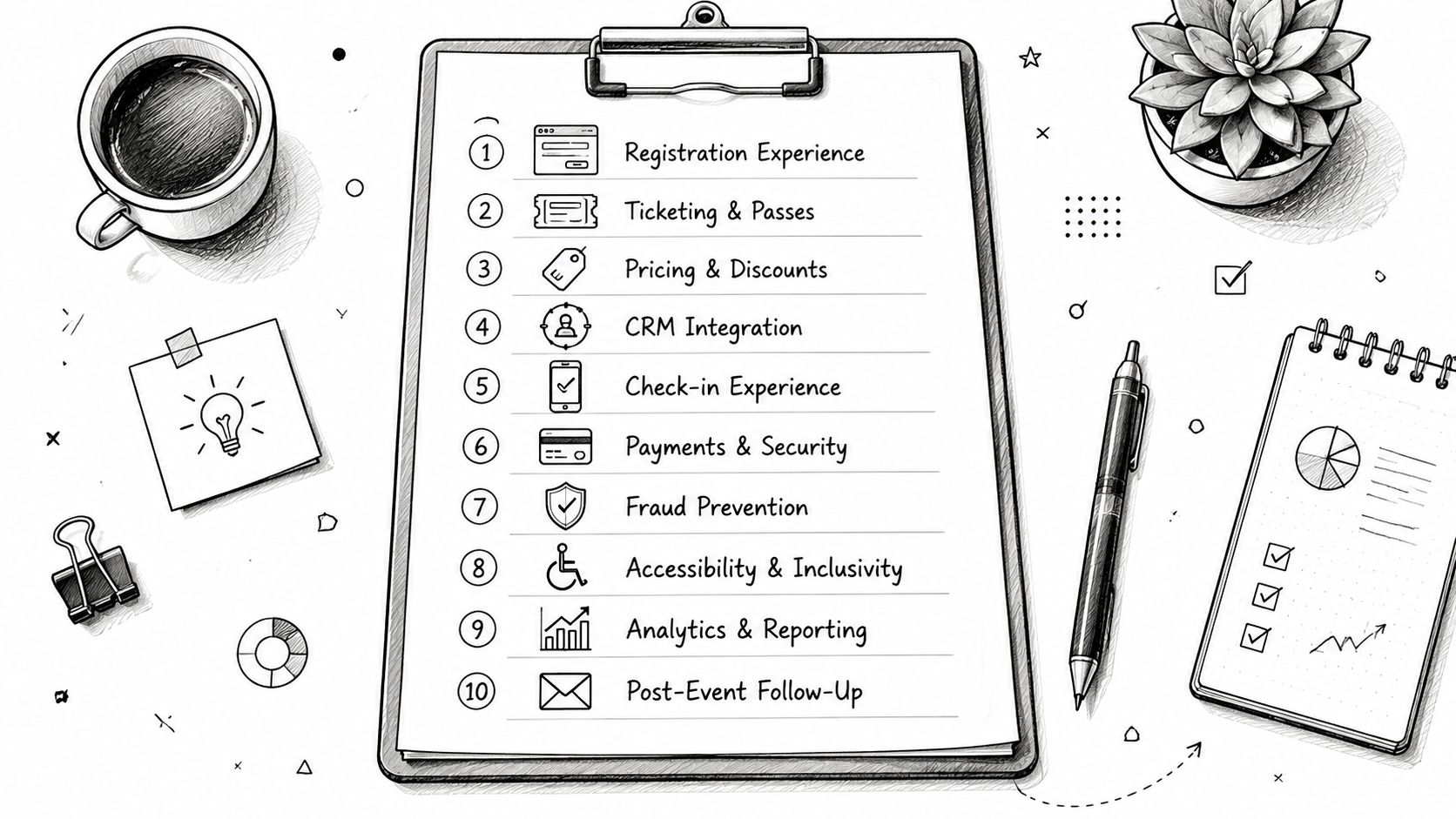
To help you through this process, use the checklist below to pinpoint your must-have and nice-to-have features.
This checklist is designed to help your team prioritize core functionalities during the planning phase. It forces you to think critically about what truly matters for your members' experience.
By working through this checklist, you can create a focused feature set that directly supports your value proposition and avoids unnecessary complexity.
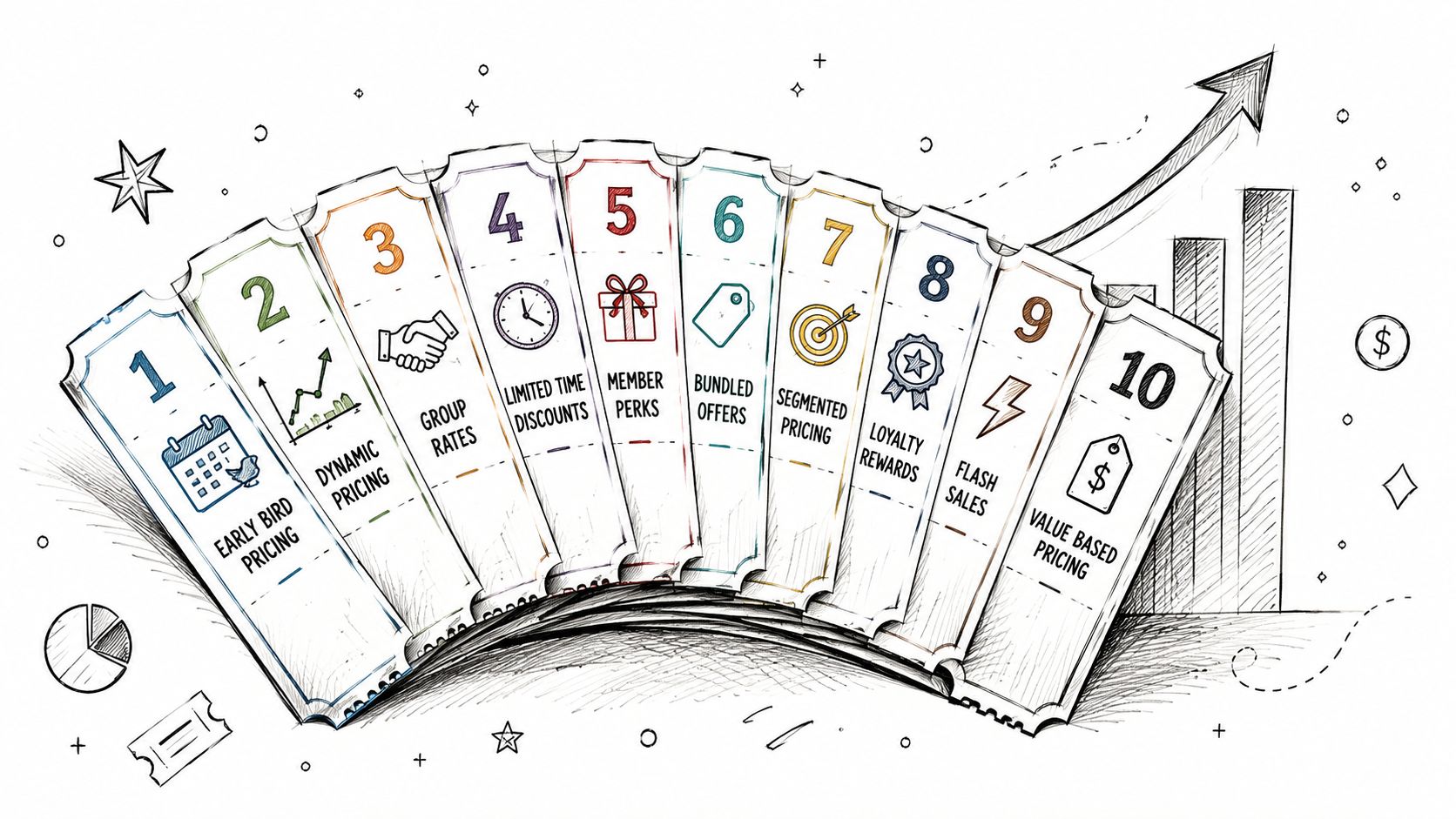
Finally, how will you package and price your offerings? A tiered membership structure is often the most effective approach because it caters to different segments of your audience with varying needs and budgets.
Here are a few proven models to consider:
Ultimately, your pricing should directly reflect the value you deliver. Don't be afraid to price confidently—research suggests higher-priced memberships can generate 7% more revenue than budget options, as members often associate price with quality. More importantly, an astonishing 80% of member churn is preventable through proactive engagement and consistently demonstrating value.
This just underscores why a solid plan is so critical. Building a system that fosters connection and solves real problems from day one is the key to long-term success.
Alright, let's talk money. Your membership tiers and billing system are the engine of your entire operation. A well-thought-out structure does more than just bring in revenue; it pulls visitors in, turns them into loyal members, and even encourages them to upgrade over time.
The goal here is to turn the value you've defined into clear, compelling packages. It’s a bit of an art, blending smart strategy with the right tech. Get it right, and you’ll build a sustainable revenue stream that practically runs itself. But if you miss the mark, you risk confusing potential members and leaving a lot of money on the table.
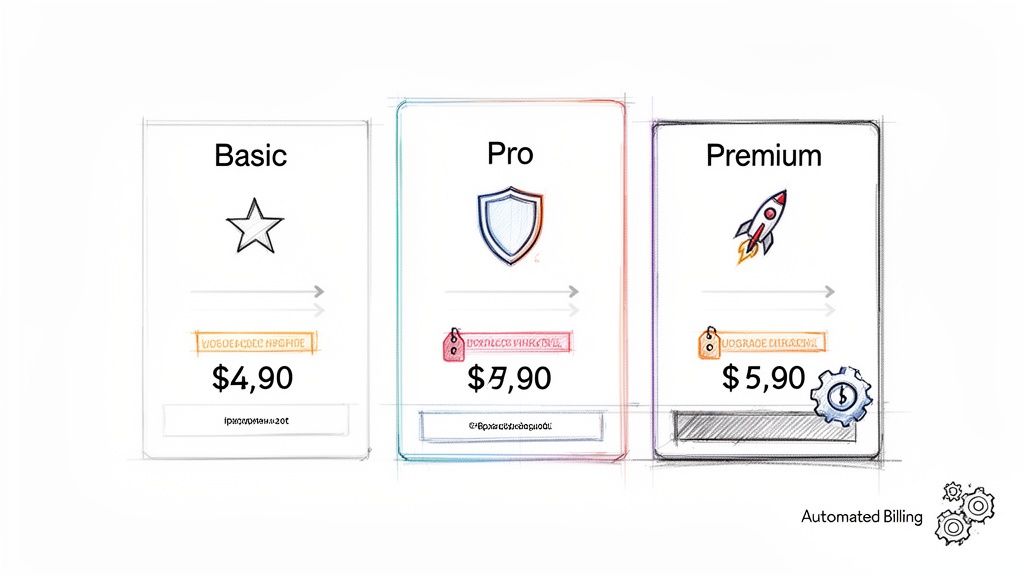
Most organizations I've worked with find that a tiered model works best. Why? Because a one-size-fits-all approach just doesn't cut it. Your members have different needs, different budgets, and different levels of commitment. Some just want a foot in the door, while others are ready for the full VIP experience.
Here are a few models that consistently deliver results:
No matter which path you choose, make the benefits of upgrading painfully obvious. A member on your entry-level plan should know exactly what they're missing and be genuinely tempted by what the next level offers.
The best membership structures create a clear "value ladder." Each rung up should offer a significant and desirable increase in benefits, making the decision to upgrade an easy one for your most engaged members.
Pricing can feel like walking a tightrope. Go too low, and you devalue your work and might struggle to keep the lights on. Price too high, and you could scare away potential members before they even have a chance to see what you're about. The key is to anchor your price to the tangible value and real-world outcomes you provide.
Don't fall into the trap of competing on price alone. Instead, focus on demonstrating overwhelming value. If you can solve a huge problem for your members or help them reach a major goal, they will happily pay for it.
A great tactic is to offer both monthly and annual billing. The annual plan, usually with a discount like "get two months free," is a win-win. It dramatically improves your cash flow and locks in member commitment for a full year. For a deeper look at this, check out these excellent subscription pricing strategies to figure out what fits your model.
Let's be clear: a seamless, automated billing system is non-negotiable. Manually chasing payments is a soul-crushing waste of time that pulls you away from what really matters—serving your community. Your members expect a modern, secure, and completely hassle-free payment process.
Your membership platform absolutely must integrate with trusted payment gateways like Stripe or PayPal. This integration is the backbone of your entire financial setup, handling everything from the initial sign-up to recurring annual or monthly charges.
More importantly, your system needs to be smart enough to handle the hiccups that always come with recurring payments:
Automating these workflows ensures a steady revenue stream, slashes your administrative burden, and provides a professional experience that builds trust from day one. This is the technical foundation that lets you scale your community without getting buried in manual busywork.
Your membership plans and billing system are the engine of your site, but your exclusive content? That’s the fuel. Without a steady stream of valuable, can’t-get-it-anywhere-else resources, even the most seamless payment process won't stop members from walking away. People sign up based on a promise, but they stick around for the tangible value you deliver every single day.
When you're building a membership website, the real work is in turning your organization's expertise into a library of premium assets. This isn't about just locking a few articles behind a paywall. It’s about building an entire content ecosystem that educates your members, empowers them, and constantly reinforces their decision to subscribe.
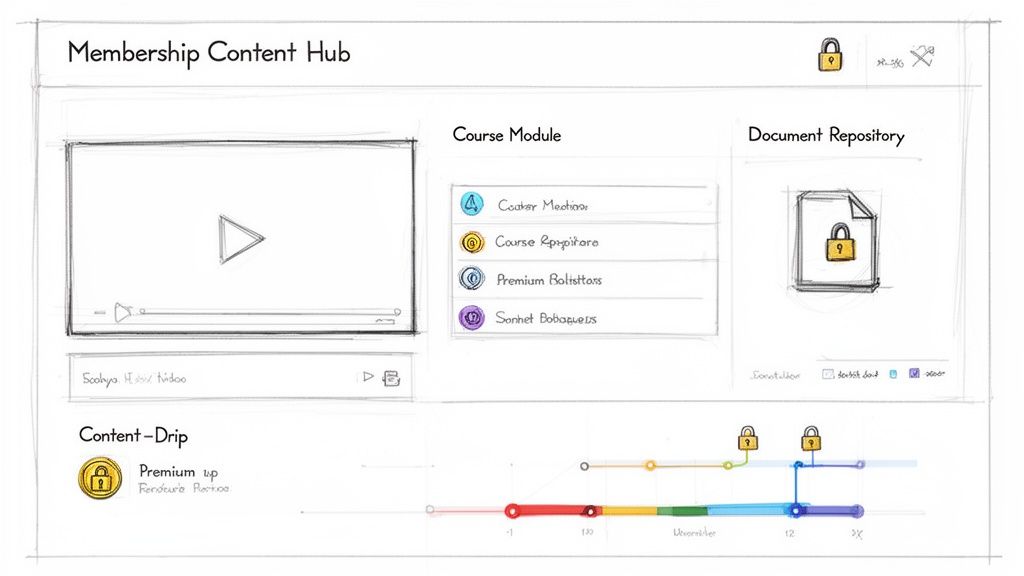
First things first: you need a single, easy-to-find home for all your exclusive content. Think of it as your members' private library. If resources are scattered across your site or hard to locate, you’re just creating frustration and making members question the value of their subscription.
Your content hub has to be organized logically so people can find what they need, fast. For a professional association, that might mean clear, intuitive sections:
When you centralize everything, the value of membership becomes instantly obvious. A member logs in and immediately sees this rich, organized world of information that’s available only to them.
Sticking to just one type of content is a huge missed opportunity. Your members all have different learning preferences, and mixing up the formats keeps the experience fresh and interesting. Even better, it lets you repurpose your core knowledge into multiple high-value assets.
Think about a single live webinar. It can be spun into several distinct pieces of premium content:
The real goal here is to squeeze every ounce of value out of the expertise you create. When you start thinking in terms of "content packages" instead of one-off posts, you can build a deep, multi-faceted library much more efficiently.
This approach doesn't just save you time; it caters to all the different ways your members consume information. If you're looking for more ideas, our guide on how to create engaging content for your community is a great place to start.
Two technical features are absolutely critical for delivering your content effectively: content dripping and robust access control.
Content dripping is just a fancy term for releasing content on a set schedule instead of dumping it all on a member at once. This is a game-changer for online courses or onboarding sequences. For example, a new member could unlock a new module of a foundational course each week for their first month. This tactic keeps them engaged, prevents them from feeling overwhelmed, and gives them a reason to keep coming back.
Just as important is content protection. Your premium resources are your crown jewels, and they need to be locked down. A good membership platform will ensure that only logged-in members with the right subscription level can access specific pages, downloads, or videos. This is non-negotiable. It creates true exclusivity and protects your revenue from being diluted by unauthorized sharing.
While exclusive content and a smooth billing process are the nuts and bolts of any membership site, the real secret sauce—the thing that keeps members coming back—is the community. A static library of resources, no matter how great, just can't compete with the energy of real human connection. The goal here is to turn passive readers into active participants who feel like they truly belong.
When members start connecting—sharing advice, collaborating, or just offering a bit of support—your platform transforms from a simple service into an indispensable part of their professional lives. That's where the magic really happens. You're not just selling access anymore; you're building a network that grows on its own, boosting retention and pulling in new members organically.
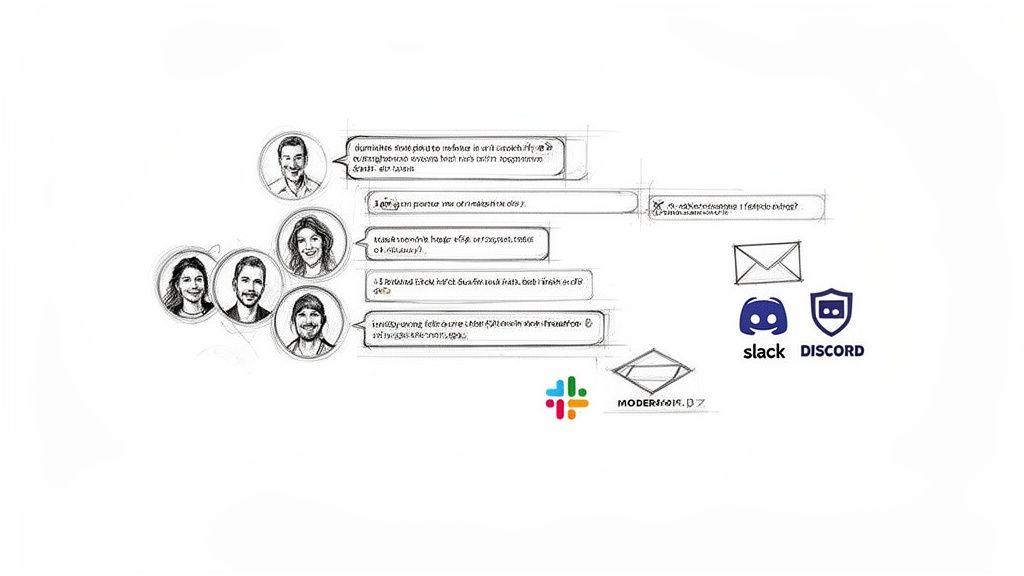
To get the ball rolling, you need to give people the right tools right inside your platform. Think of these features as the digital campfires where your community will gather. They need to be intuitive and solve a real problem for your members, making it dead simple to find and connect with each other.
I've found a mix of these features works best:
Keeping these features on your site reinforces the value of their membership every time they log in. It becomes their hub.
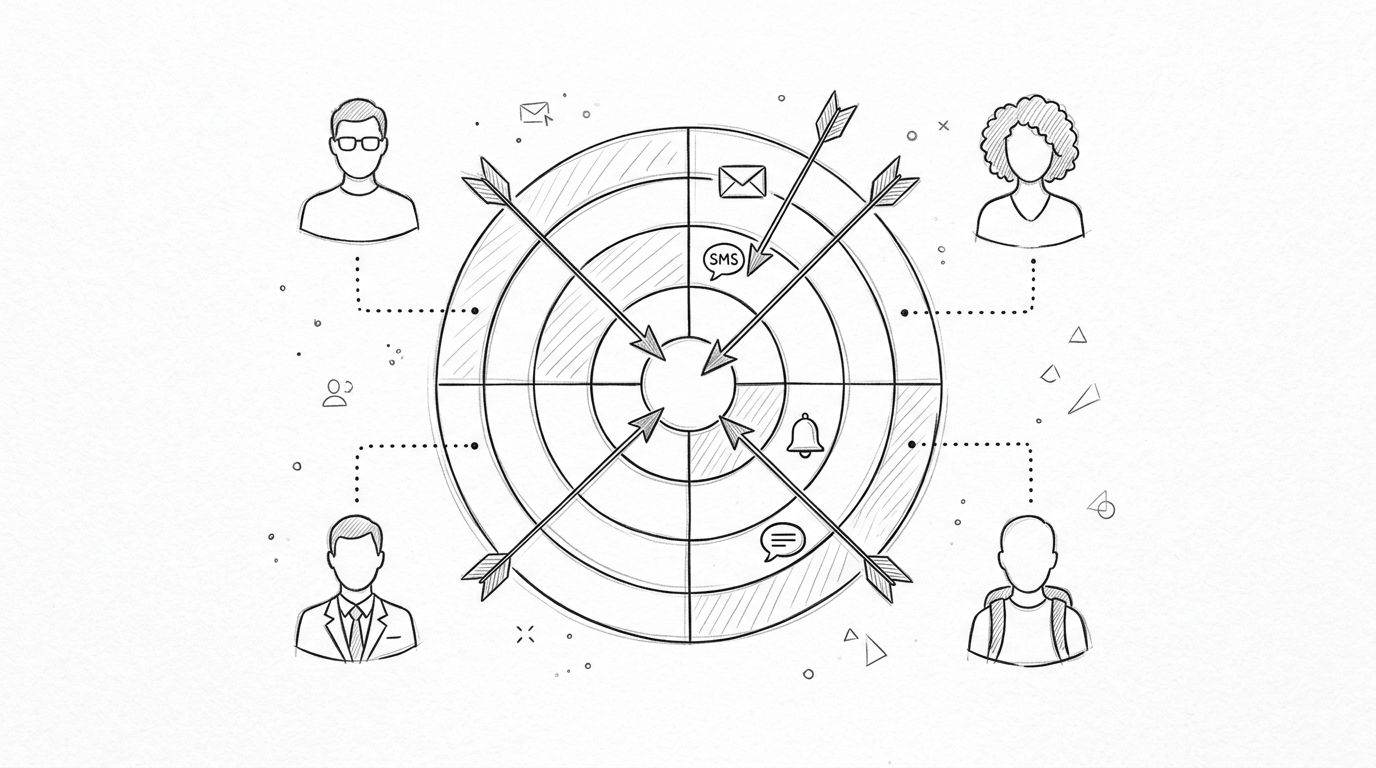
While on-site tools are your foundation, you also have to meet people where they already are. Trying to force everyone onto a new platform is a tough sell. Instead, smart integrations can bridge the gap between your membership hub and the apps they use every single day.
For example, integrating with platforms like Slack or Discord is a brilliant move. You can create private, members-only channels where discussions happen in real-time, piggybacking on the notification systems and familiar interface people already know and love. This makes engagement feel completely effortless.
I’ve seen this firsthand. Community-driven membership sites are revolutionizing retention, boasting rates of 85-92% compared to just 60-70% for content-only platforms. For professional associations and corporate networks, this is a total game-changer. Authentic connections just plain outperform passive content every single time.
A great community doesn't just happen on its own; it has to be cultivated. A positive and safe environment is non-negotiable. Without clear rules and active moderation, even the best-intentioned group can go sideways fast.
First things first: establish clear and concise community guidelines. These should spell out what's okay and what's not (like spam or personal attacks) and what happens if someone breaks the rules. Make these guidelines impossible to miss and have members agree to them when they sign up.
Active moderation is just as important. Your team can handle it, or you can empower trusted members of the community to be moderators. The goal isn't to police every word but to gently guide conversations, celebrate great contributions, and step in when needed. To really make your site a place people want to be, you need to increase social media engagement and build a real community. This foundation of trust is what allows genuine connections to flourish.
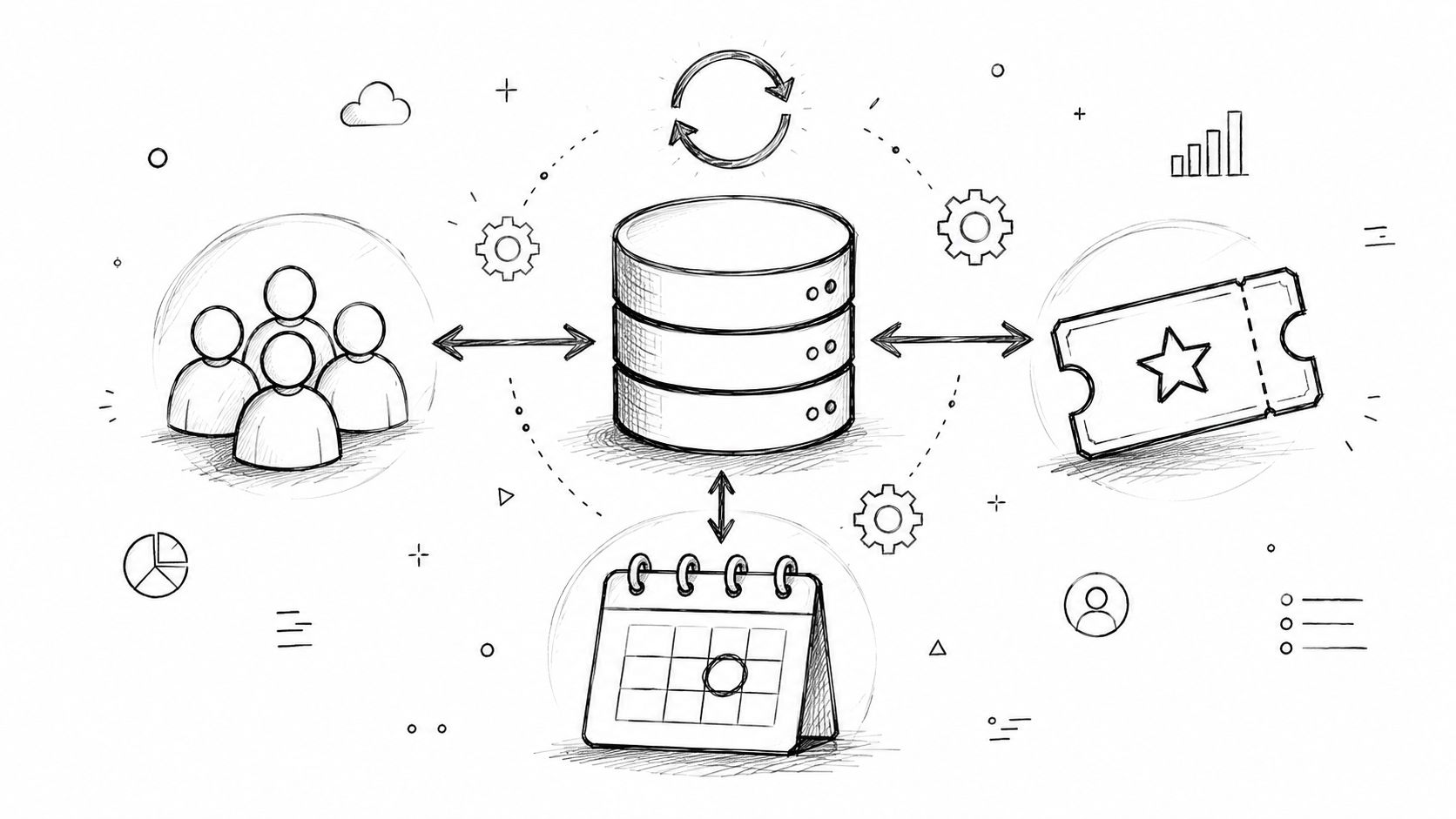
For a lot of professional associations and event-based organizations, events aren't just a perk—they're the main event. Weaving event management directly into your membership website is crucial. It creates a seamless, one-stop-shop experience and turns your site into the true hub for everything your members do. This little change gets rid of the annoying step of sending people to a different site for tickets, keeping them right where you want them: in your ecosystem.
When you're building out your membership platform, this kind of native integration is about more than just making things easy. It's a strategic move. You can directly link event access to your membership tiers, which creates a really compelling reason for people to sign up or upgrade. The whole process feels professional, smooth, and completely self-contained.
At its heart, any good event integration is about managing registrations and selling tickets right from your website. A solid system should let you quickly spin up dynamic event pages, create custom forms to grab the attendee info you need, and offer different kinds of tickets.
This is where having a single, unified platform really starts to pay off. You can set up ticketing rules that instantly recognize a member's status and automatically give them exclusive perks. It's a fantastic way to show value.
This approach works wonders for any kind of event you can dream up—an in-person conference, a virtual webinar series, or something hybrid. Keeping everything under one roof makes your admin life so much easier and gives your attendees a consistently great experience.
A well-built membership site can open up some powerful new ways to make money, well beyond just member dues. If you start thinking of your website as a digital venue that’s open year-round, you can offer real, tangible value to sponsors and exhibitors. This creates a healthy revenue stream that helps support your organization's goals. For some creative ideas, check out our guide on content monetization.
Instead of just slapping a sponsor's logo on your homepage, you can build out dedicated, interactive spaces for your partners. Think of them as digital booths that offer continuous exposure.
A dedicated sponsor or exhibitor profile page is a game-changer. It transforms a passive sponsorship into an active lead-generation tool, giving partners a reason to invest in your community long after an event has ended.
Here’s how you can give your partners a real, measurable return on their investment:
With this approach, your partners become more than just advertisers—they become valuable contributors to your community.
This shift toward creating ongoing value is happening everywhere. Take the attractions industry, for example. A recent report showed that a staggering 56.7% of venues now offer memberships to create predictable, recurring income instead of just relying on one-off ticket sales. This model works because it builds deeper loyalty through exclusive content and events, and the voluntary churn rates stay impressively low. You can dive into more insights about how memberships are reshaping revenue models on roller.software.
By tightly integrating your events and creating real opportunities for partners, you’re not just building a membership website; you're building a sustainable business. This integrated strategy simplifies your operations, boosts member engagement, and unlocks new revenue streams that will ensure your organization's health for years to come.
Jumping into the world of membership websites is exciting, but it almost always brings up a handful of big questions. You’re probably wrestling with the budget, trying to pick the right platform, or wondering how on earth you’ll keep members hooked for the long haul.
Let's cut through the noise and tackle the most common questions we hear from organizations just like yours.
This is the million-dollar question, isn't it? The honest answer is that it truly varies. Your investment can range from a few hundred dollars for a smart, streamlined setup to tens of thousands for a completely custom-built experience.
The final number really boils down to three things: the platform you choose, how complex your features are, and whether you bring in professional help.
Don’t forget to factor in ongoing costs, too. You’ll have payment processing fees (typically around 2.9% + $0.30 per transaction), marketing expenses, and any costs associated with creating that awesome premium content your members will love.
Absolutely. In fact, it's one of the most powerful and sustainable business models out there because it generates reliable, recurring revenue.
Profitability really hinges on one thing: delivering consistent value that your members are more than happy to pay for every month. You have to find that sweet spot between your operational costs and the price your members see as a no-brainer.
Success usually stands on four key pillars:
For many organizations, their membership site eventually becomes their most stable and predictable source of income.
A word of advice: don't underprice your membership. If you're providing real value that helps your members save time, make more money, or crush a critical goal, they will pay for it. Your job is to make that ROI incredibly clear.
The "best" platform is the one that best fits your specific needs, technical comfort level, and budget. There’s no magic bullet, but your options generally fall into three buckets.
For most professional associations and event organizers, a solid all-in-one platform strikes the perfect balance between powerful features and ease of use.
Getting your site launched is a huge milestone, but it's just the starting line. The real work—and the real magic—is in keeping your members active, connected, and happy. Strong engagement is the single best defense against cancellations.
Here are a few strategies that work time and time again:
At the end of the day, engagement is about making your community an indispensable part of your members' professional lives.
Ready to stop juggling dozens of tools and start building a thriving, profitable community? GroupOS provides everything you need in one powerful platform, from seamless event ticketing and member management to engaging community channels and monetization features. Start your free trial with GroupOS today and see how easy it is to launch and scale your membership website.